
As an affiliate, we may earn a commission from qualifying purchases. We get commissions for purchases made through links on this website from Amazon and other third parties.
Smoothies can help with hydration because they contain fluid and often include fruits with a high water content. Still, they are not always the same as simply drinking water. A thick smoothie with oats, yogurt, or nut butter behaves differently from a light fruit blend made with water or coconut water.
So yes, smoothies can contribute to hydration, but the ingredients decide how much of a hydration tool they really are. If you want to compare bases more closely, start with milk versus water in smoothies.
Quick Answer
Yes, smoothies can be hydrating because they include liquid and often water-rich fruit, but the level of hydration depends on what is in them. Lighter smoothies made with water, coconut water, or juicy fruits usually feel more hydrating than very thick smoothies.
Water still matters on its own. A smoothie can help, but it does not replace plain water in every situation.
What It Is / When to Use It
Smoothies can be a helpful way to take in fluids when you also want flavor or a snack at the same time. They can work well in warm weather, after activity, or when a plain drink does not sound appealing.
They are less ideal as a hydration-first choice when the smoothie is very thick, sweet, or filling. In those cases, it may function more like food than a drink.
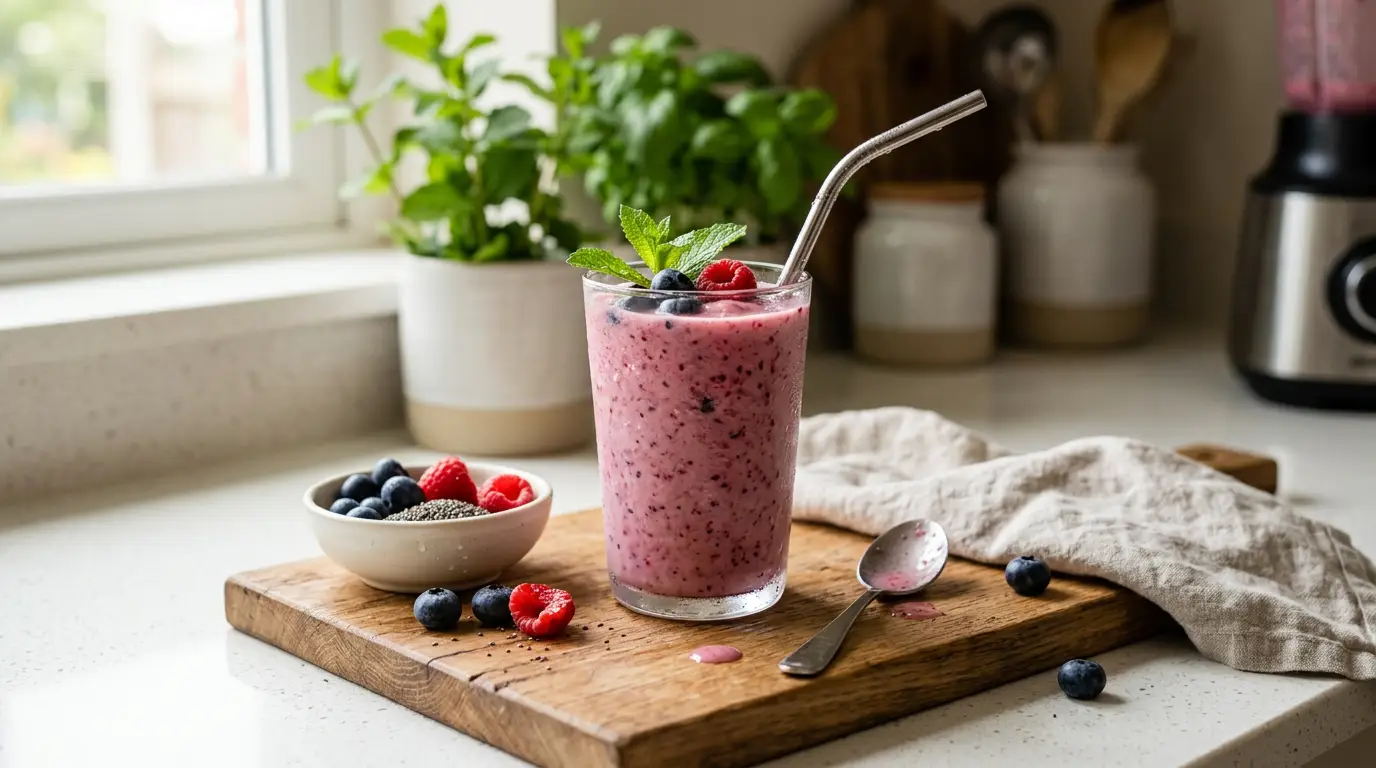
The most refreshing smoothies usually lean on juicy fruit and a lighter base. Watermelon, citrus, berries, pineapple, and melon all bring a cooler, thinner sip. For a fruit-first option, watermelon smoothies are a good example of a blend that feels more drinkable than heavy.
Substitutes / Swaps
If hydration is the priority, use water, coconut water, or water-rich fruits like melon, berries, orange, or pineapple. If the smoothie is too heavy, cut back on oats, nut butter, or very thick dairy-heavy ingredients.
If you want a smoothie that is both filling and more hydrating, balance juicy fruit with just enough thicker ingredients to make it satisfying.
If plain water makes the flavor too thin, use water in smoothies more carefully instead of pouring freely. Coconut water can also work when you want a light base with a little more flavor.
For a colder, lighter glass, frozen fruit helps without making the smoothie taste diluted. The best frozen fruit for smoothies can help if fresh fruit keeps turning soft before you use it.
Prep Tips
Think about the liquid base first. Water and coconut water usually keep a smoothie lighter. Milk can still work, but it changes the smoothie into something fuller and less hydration-focused.
Keep sweetness in check too. Very sweet smoothies can feel less refreshing than simpler ones.
Texture matters as much as the liquid. If the smoothie turns watery after a few minutes, fix the thin smoothie problem before adding more fruit.
Storage / Reheat / Freeze
Hydrating smoothies are usually best cold and soon after blending. If stored, they may separate, especially when they contain juicy fruit and lighter liquids.
Freezer prep packs can help you keep a refreshing smoothie routine easy without relying on store-bought bottled drinks.
If hydration smoothies are part of a daily reset or paid plan, read the Smoothie Diet review before assuming a plan will handle the water, fruit, and fullness balance for you.
If you mostly want a bottle you can carry cold, smoothie bottles matter more than adding extra ice that melts and thins the drink.
Frequently Asked Questions
Do smoothies count toward fluid intake?
Yes. Smoothies contain liquid, so they can contribute to your overall fluid intake.
Are smoothies as hydrating as water?
Not always. Water is simpler and more direct, while smoothies can range from light and hydrating to thick and meal-like.
Which smoothies feel most hydrating?
Lighter smoothies made with water, coconut water, and juicy fruits usually feel the most hydrating.
Can thick smoothies still help with hydration?
Yes, but they often act more like both food and drink at the same time.
Is coconut water better than milk for hydration smoothies?
Often yes, if your main goal is a lighter and more refreshing smoothie.
For lighter blends, fruit that works well in smoothies can help you choose juicy flavors without making the drink dull. For the bigger health question, whether smoothies are good for you depends on the whole glass, not just the liquid.