
As an affiliate, we may earn a commission from qualifying purchases. We get commissions for purchases made through links on this website from Amazon and other third parties.
Smoothies can be good for you, but the answer depends on what is actually in the glass. A smoothie built from fruit, protein, fiber, and a sensible amount of liquid is very different from one loaded with sweeteners and made mostly to taste like dessert.
That is why smoothies are best judged by ingredients and portion, not by the word smoothie alone. If you want a better starting point, choose smoothie ingredients that add body before adding more sweet fruit.
Quick Answer
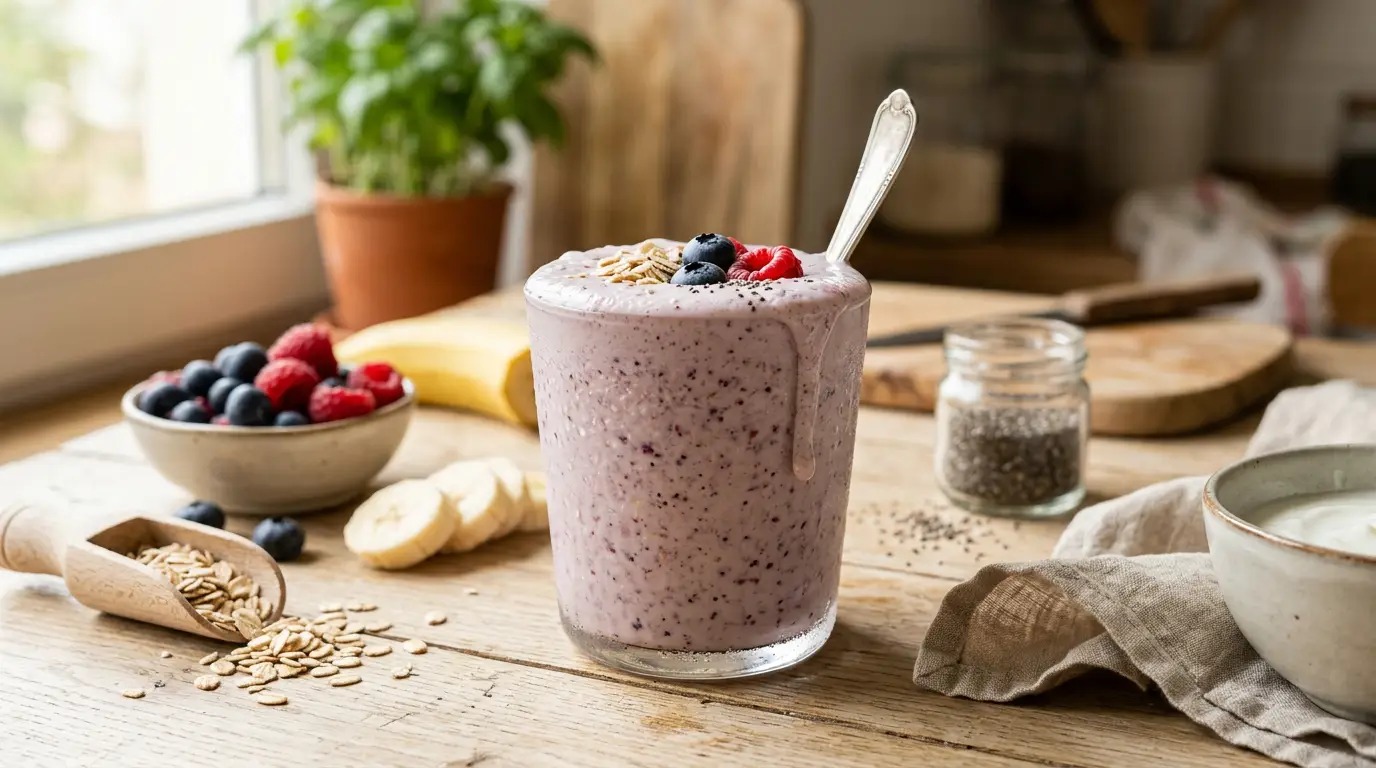
Yes, smoothies can be a good option when they are built with a balanced mix of fruit, liquid, and ingredients that help with fullness and texture, such as yogurt, oats, nut butter, chia, or avocado. They are usually less useful when they are mostly sweeteners, juice, or oversized portions with very little staying power.
The better question is whether the smoothie fits your day and gives you something useful, not whether all smoothies are automatically healthy.
What It Is / When to Use It
Smoothies can work well when you need a quick breakfast, an easy snack, or a simple way to use fruit and other filling ingredients together. They are especially practical on busy mornings or when chewing a full meal does not appeal.
They are less helpful when they are treated like a health shortcut while still being built in a way that leaves you hungry fast or pushes sweetness too hard.
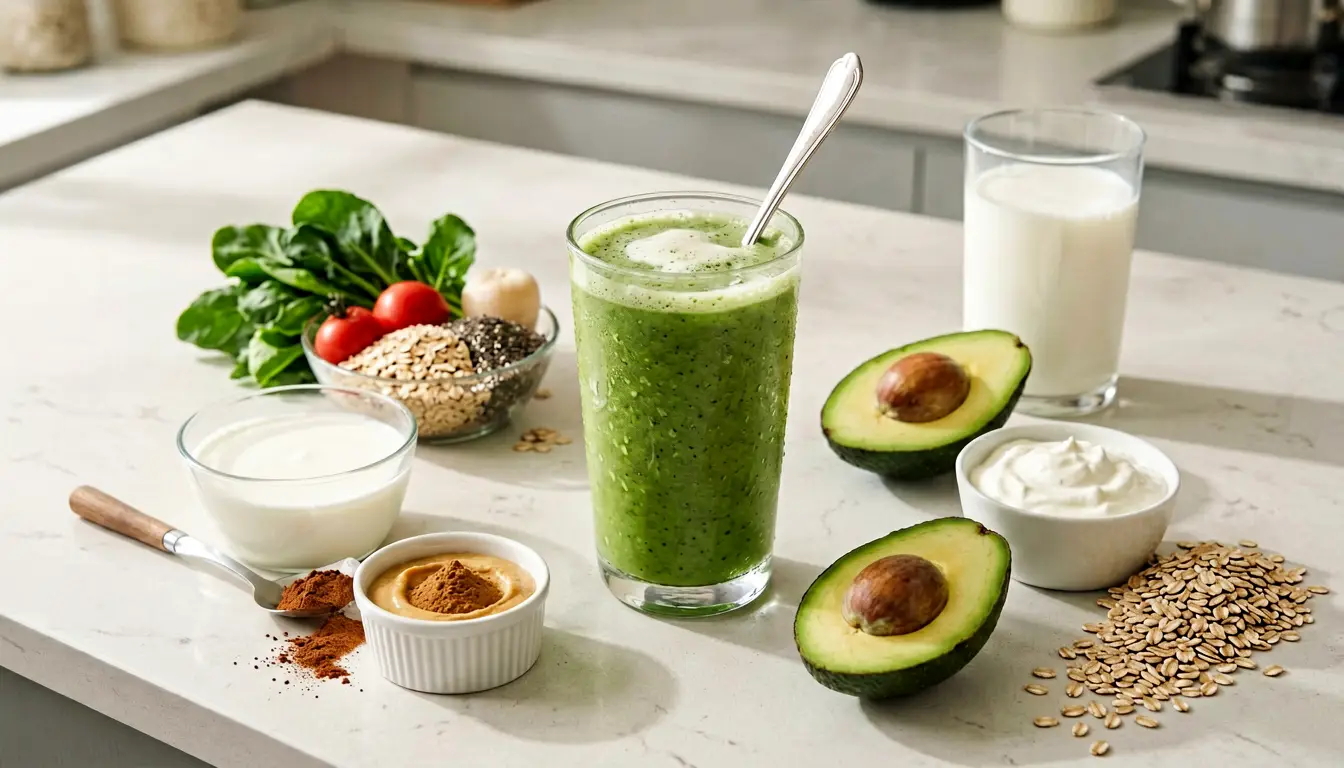
For a fuller breakfast-style glass, the base matters. Yogurt, oats, peanut butter, cottage cheese, and avocado make a smoothie feel more like food. If your glass keeps fading too fast, compare meal-style smoothies before assuming fruit alone can carry breakfast.
Substitutes / Swaps
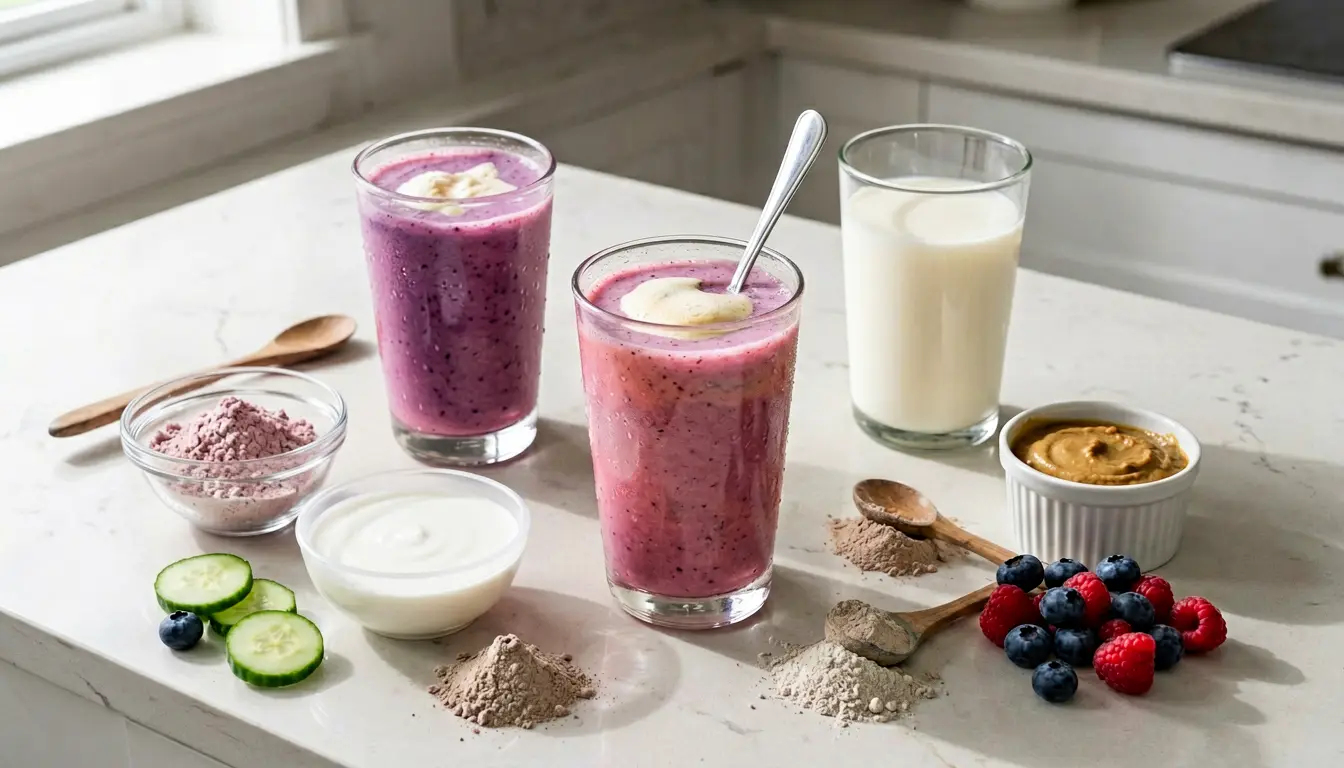
If your smoothies leave you hungry, add more body with yogurt, oats, nut butter, chia, or avocado. If they taste too sweet, reduce juice or added sweeteners and let whole fruit do more of the work.
If you want a lighter smoothie, use more water-rich fruit and less heavy add-ins. If you want one that works more like a meal, include protein and fiber instead of only fruit and liquid.
If the problem is sweetness, fix the sweetness balance before adding honey or juice. If the problem is thin texture, adjust a watery smoothie base first.
Prep Tips
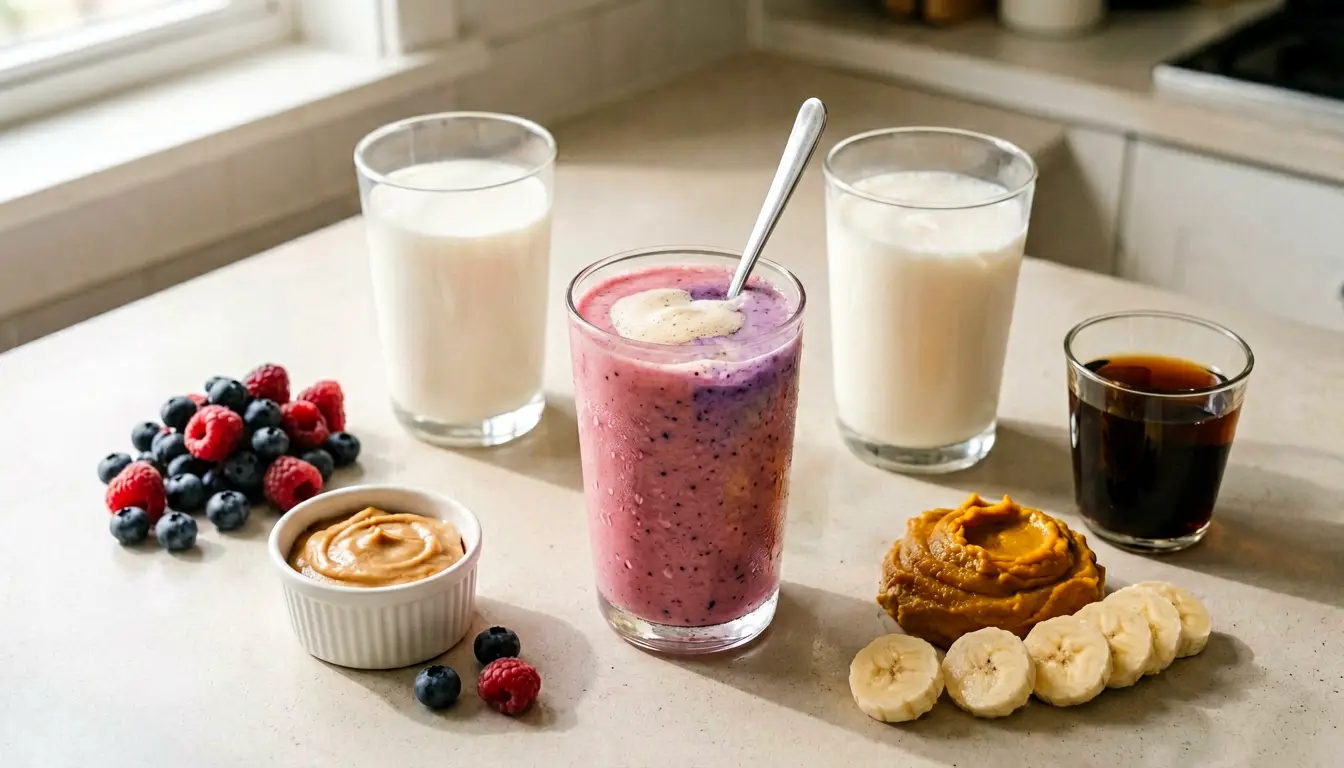
Think in balance. Start with fruit, then add one ingredient for creaminess or body, and one ingredient that helps the smoothie keep you satisfied longer. Keep liquid measured so the drink does not turn thin and unsatisfying.
A good smoothie usually has a clear purpose. It can be lighter and refreshing, or fuller and more meal-like, but it works best when it is built on purpose.
Equipment can change the result too. If greens, seeds, or oats stay gritty, a stronger smoothie blender may help more than adding extra liquid. If you only make one glass at a time, a compact smoothie maker may fit better than a full-size pitcher.
Storage / Reheat / Freeze
Smoothies are usually best soon after blending, but prep packs can make balanced smoothies easier to repeat. If you store a finished smoothie, shake or reblend it before drinking because separation is normal.
Freezer ingredient packs are often the easiest way to make a more consistent smoothie routine without giving up a fresh texture.
If you are comparing homemade smoothies with a fixed paid routine, read the Smoothie Diet review before giving up the flexibility to change fruit, liquid, and add-ins yourself.
Frequently Asked Questions
Are smoothies healthier than skipping breakfast?
For many people, a balanced smoothie can be more useful than skipping breakfast entirely, especially if it includes ingredients that make it more filling.
What makes a smoothie a better choice?
Whole fruit, sensible liquid, and ingredients that add protein, fiber, or body usually make a smoothie more balanced.
Can smoothies be too sugary?
Yes. They can become too sweet if they rely on juice, sweeteners, or several very sweet fruits at once.
Are homemade smoothies usually better?
Homemade smoothies are often easier to control because you decide the ingredients and portion.
Do smoothies count as a real snack or meal?
They can, depending on what goes into them and how filling they are.
For a broader look at the tradeoffs, smoothie pros and cons will help you keep the glass honest. If weight is the worry, use the guide to whether smoothies make you fat before blaming one breakfast drink.