
As an affiliate, we may earn a commission from qualifying purchases. We get commissions for purchases made through links on this website from Amazon and other third parties.
Smoothies can replace a meal sometimes, but not every smoothie is built to do that job. A light fruit smoothie and a fuller smoothie with protein, fiber, and some fat can feel very different an hour later.
That is why the better question is not whether smoothies can replace meals in theory. It is whether your smoothie is actually filling enough and balanced enough to work that way for you.
If you are comparing a homemade smoothie with a packaged option, meal replacement shakes for smoothie lovers can help you see what the more structured products are trying to solve.
Quick Answer
Yes, smoothies can replace meals when they are built to be more complete, usually with enough protein, fiber, and body to keep you satisfied. A thin fruit-only smoothie is more likely to act like a snack than a full meal.
The smoothie needs a job. If it is meant to replace a meal, it should be built differently than a light refreshing drink.
What It Is / When to Use It
Meal-replacement smoothies can be practical on busy mornings, after workouts, or during times when chewing a full meal is not convenient. They are often easiest to use for breakfast or lunch.
They are less useful when you are relying on them out of habit but still feel hungry quickly because the smoothie was built too lightly.
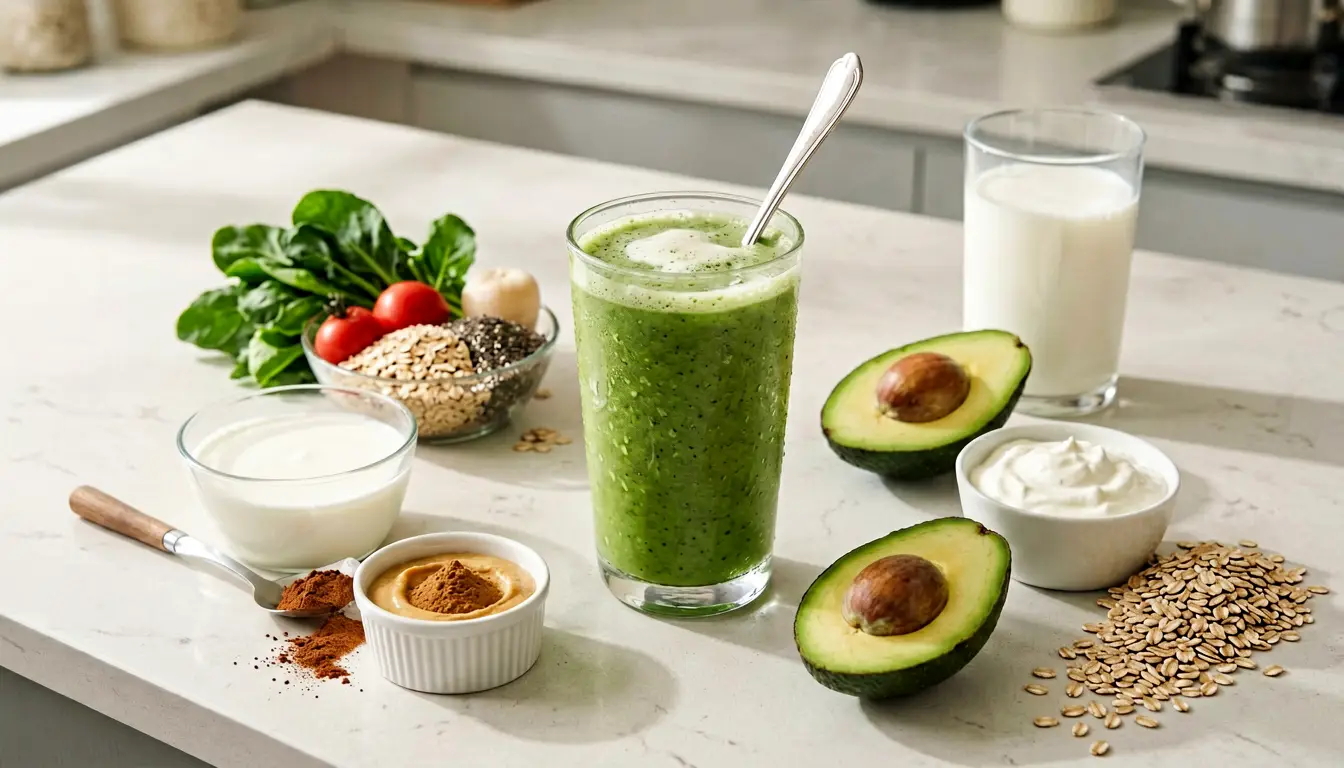
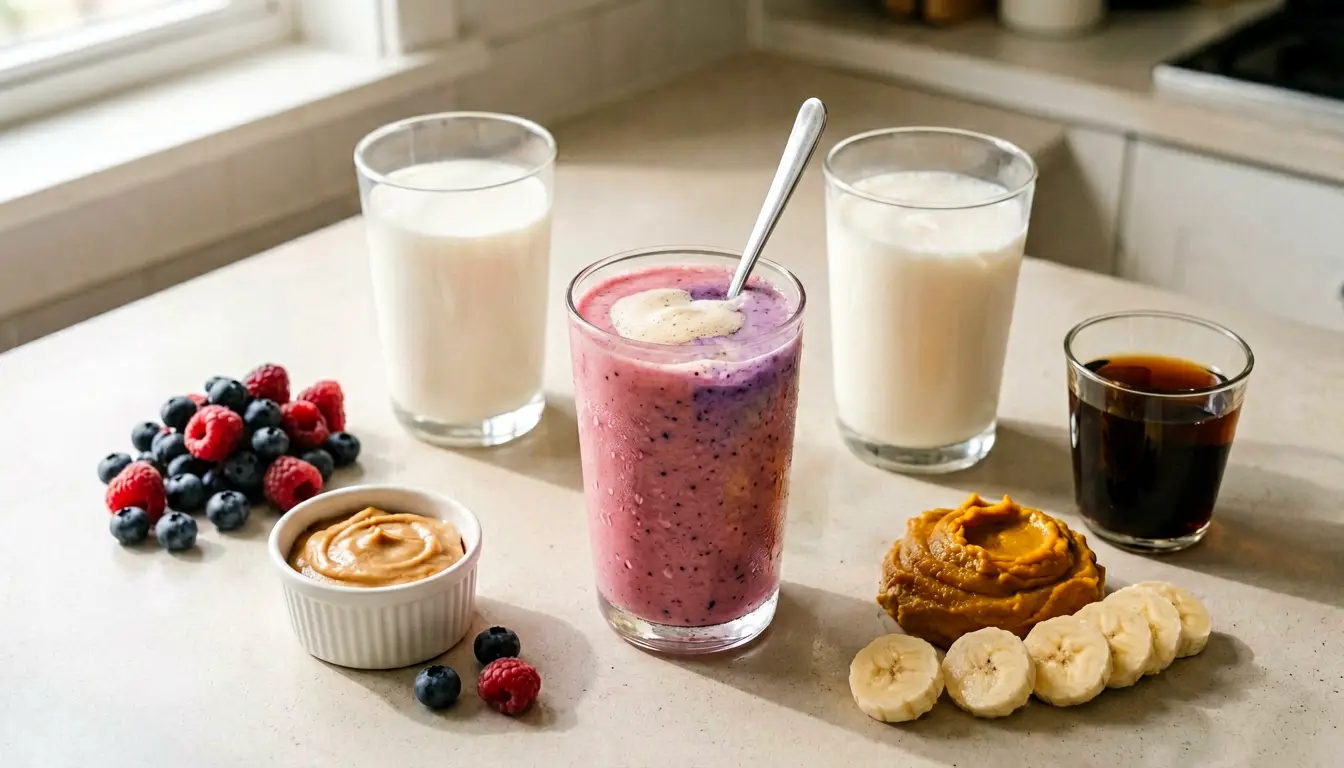
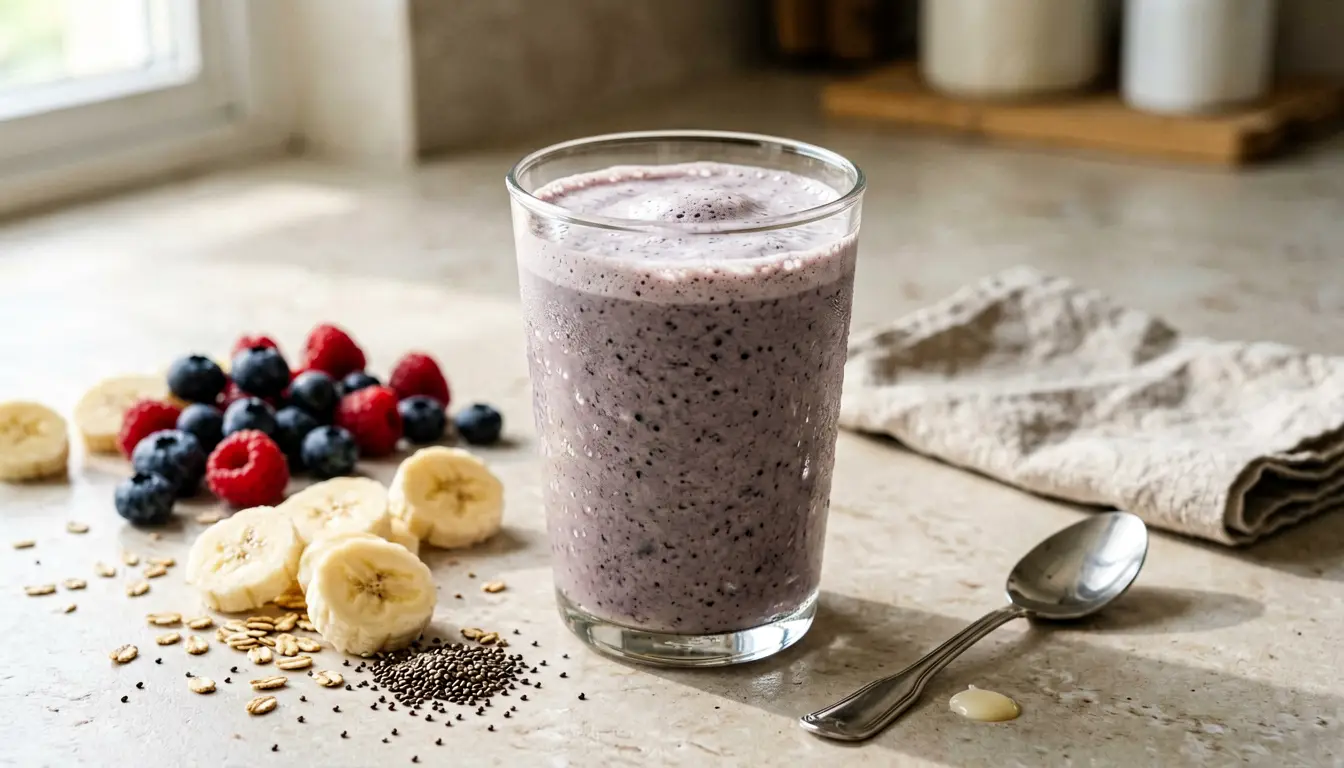
A meal-style smoothie should drink like breakfast, not flavored water. Yogurt, oats, nut butter, chia, avocado, cottage cheese, and protein powder all bring more staying power than fruit and juice alone.
Substitutes / Swaps
If your smoothie does not keep you full, add yogurt, protein-rich ingredients, oats, nut butter, chia, avocado, or cottage cheese depending on the flavor. If it feels too heavy, reduce some of those and treat the smoothie more like a snack.
You can also pair a lighter smoothie with toast, eggs, nuts, or yogurt instead of forcing it to do the whole job alone.
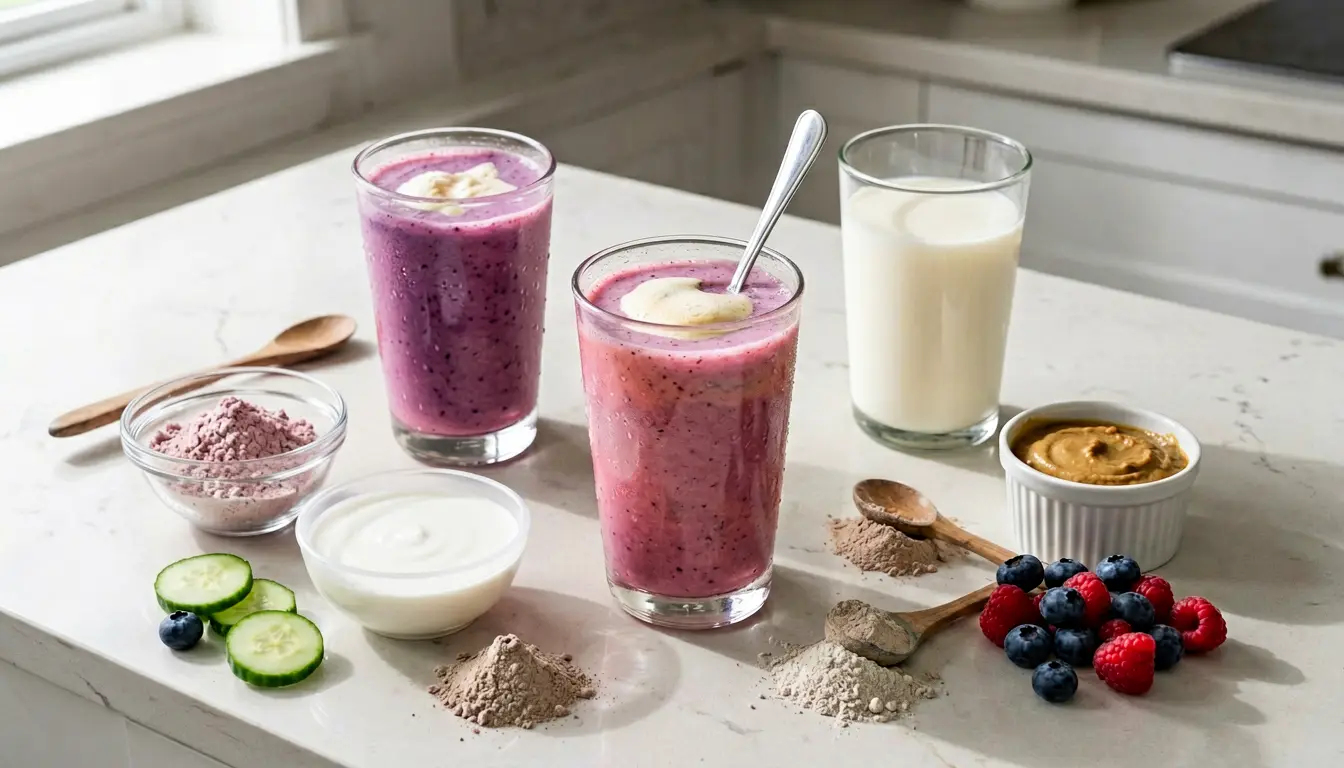
For a homemade version, smoothies with cottage cheese and oat-based smoothies give the glass more body. If protein is the missing piece, compare protein powder for smoothies before adding random scoops that taste chalky.
Prep Tips
Build the smoothie with purpose. Start with fruit, add a protein or body ingredient, then add one more element that helps fullness or texture. Keep the liquid measured so it does not turn thin.
A smoothie that replaces a meal should still taste good, not like a pile of functional add-ins. Simpler is usually better.
If a structured smoothie plan sounds easier than building your own, check whether The Smoothie Diet is worth it before swapping flexible homemade blends for a fixed schedule.
Storage / Reheat / Freeze
Meal-style smoothies can be prepped ahead, but they may thicken or separate more as they sit. Shake or reblend before drinking.
Ingredient prep packs often work better than storing a finished smoothie because the texture stays fresher when blended close to serving.
For busy mornings, making smoothies ahead can help you prep fruit and add-ins without turning every breakfast into a separated fridge drink.
Frequently Asked Questions
Can a fruit smoothie replace lunch?
It can for some people, but fruit alone is often less filling than a smoothie that also includes protein, fiber, or fats.
What makes a smoothie more meal-like?
Ingredients that add body and fullness, such as yogurt, oats, nut butter, chia, avocado, or cottage cheese, often help.
Are meal-replacement smoothies the same as snack smoothies?
No. Meal-style smoothies usually need more staying power than snack smoothies.
Can I use a smoothie as breakfast every day?
You can, as long as the smoothie works for your hunger, routine, and overall diet.
Why do some meal smoothies still leave me hungry?
They may be too light, too sweet, or too low in protein, fiber, or body-building ingredients.
For the close version of this question, using smoothies as a meal replacement goes deeper on the same choice. If weight is part of the concern, whether smoothies make you fat will help you look at the full day, not just one glass.