
As an affiliate, we may earn a commission from qualifying purchases. We get commissions for purchases made through links on this website from Amazon and other third parties.
Seed-free smoothies are mostly about comfort and texture. Sometimes you want to avoid gritty berry blends. Sometimes you simply want a smoother drink with no tiny bits left behind. Whatever the reason, the goal is the same: keep the smoothie silky without accidentally blending in seeds that ruin the result.
This guide focuses on how to build smoothies that stay low in seeds or seed-free in practice, using low-seed fruits, strained fruit, creamy bases, and a few smart swaps. If your main issue is fruit choice, fruit that works well in smoothies is a good follow-up. If you also want smoother, lighter blends, fresh smoothies can help.
Quick Answer
The easiest way to make smoothies without seeds is to use fruits that naturally have none or very few, such as banana, mango, peach, papaya, melon, and citrus segments with seeds removed. When you do want berry flavor, straining puree or using seedless juices and smooth add-ins usually works better than blending the whole fruit.
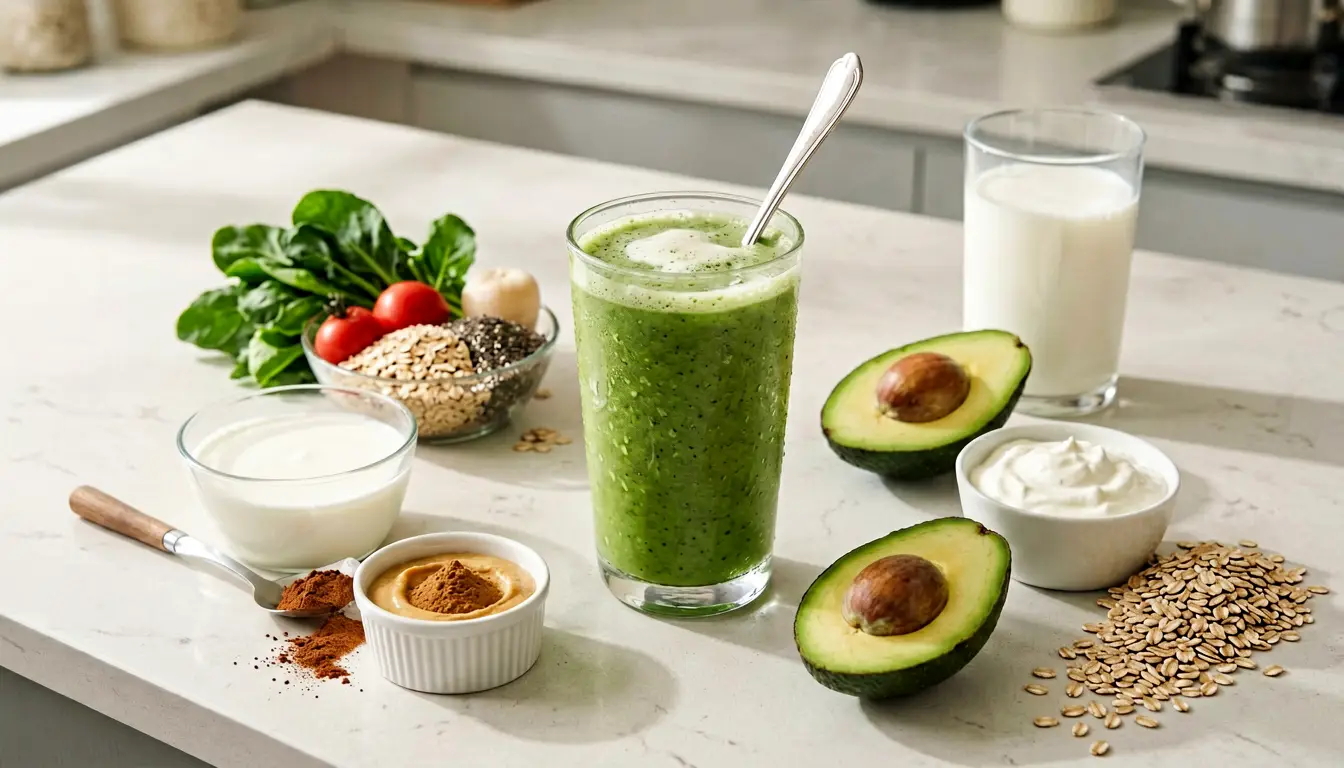
Creamy ingredients matter here because they help make up for what berries and seeded fruits often bring to the texture. Yogurt, avocado, banana, cottage cheese, oats, and smooth nut butters all help a seed-free smoothie still feel full. If texture is the reason you are avoiding seeds, the best blender for smoothies can help you decide when better blending helps and when a strainer or fruit swap matters more.
At a Glance
This guide is best for readers who want a smoother texture, want to avoid gritty berry seeds, or need fruit options that are easier to manage. It is especially practical when the problem is not flavor, but the tiny bits left behind after blending.
The main thing to watch is hidden seeds and pits. Kiwi, berries, passion fruit, dragon fruit, and some stone fruits bring more seed issues than people expect. If the goal is truly seed-free, fruit choice matters as much as blender power.
Why This Recipe Works
This approach works because it does not try to force seeded fruits into a job they do badly. Instead, it starts with smoother fruits and uses texture-support ingredients to keep the smoothie creamy. That is often easier than blending harder and hoping the seeds disappear.
It also works because there are several ways to keep flavor variety. You can use seed-free fruits directly, strain fruit when needed, or bring in flavor through citrus, vanilla, cocoa, yogurt, or smooth nut butters instead of relying only on berry blends.
Ingredients
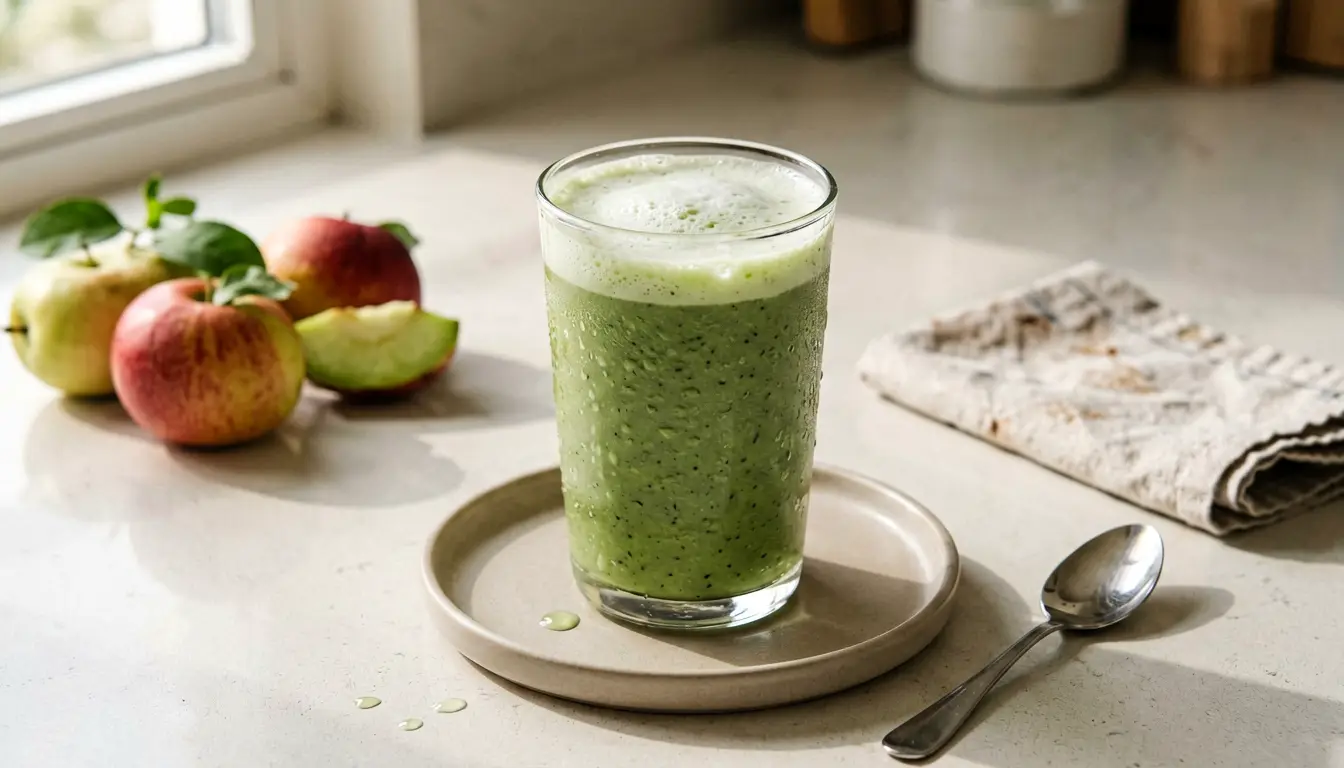
The easiest seed-light fruits are banana, mango, papaya, peaches with the pit removed, nectarines, pears, apples, melon, watermelon, oranges, and pineapple. These all give flavor without bringing the small seed texture that can bother some people.
Avocado, yogurt, cottage cheese, silken tofu, oats, and smooth nut butters all help with body. These ingredients matter more when you are not using berry seeds, chia, flax, or other ingredients that would usually thicken the smoothie.
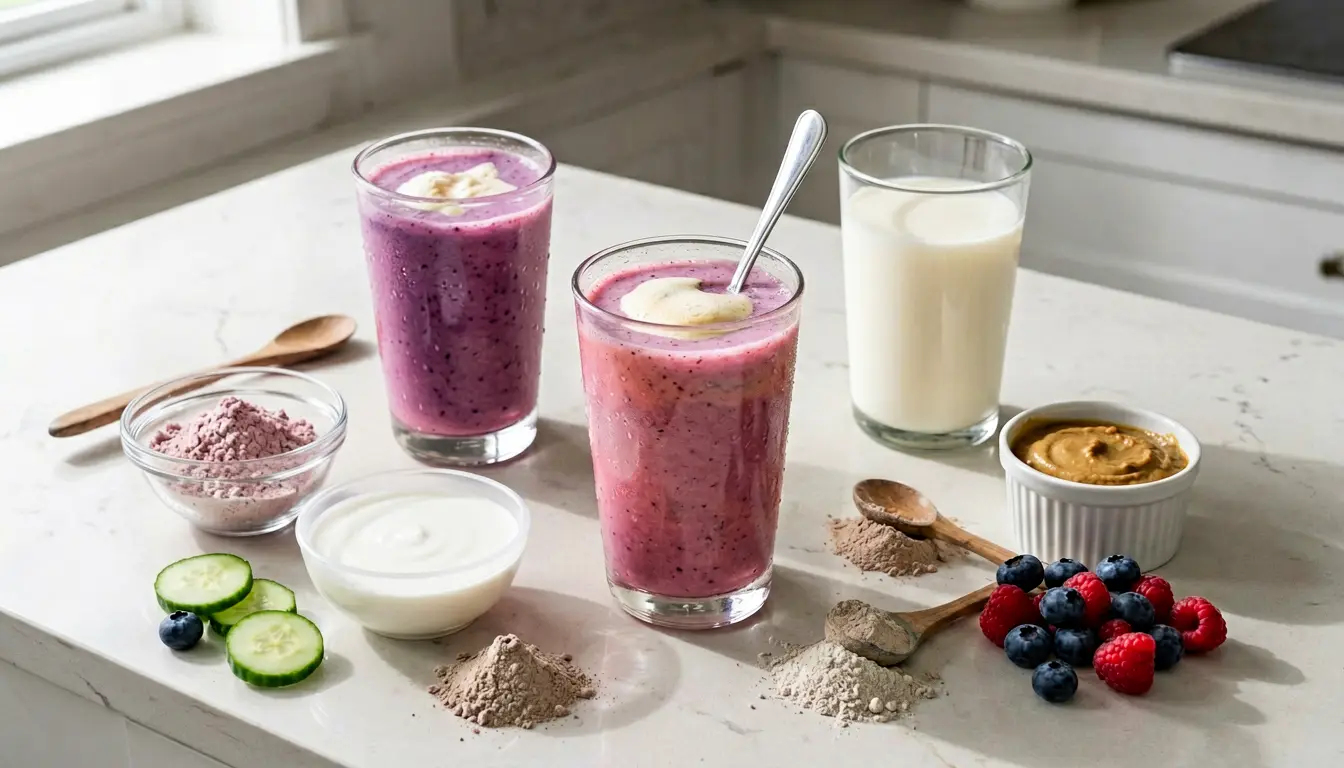
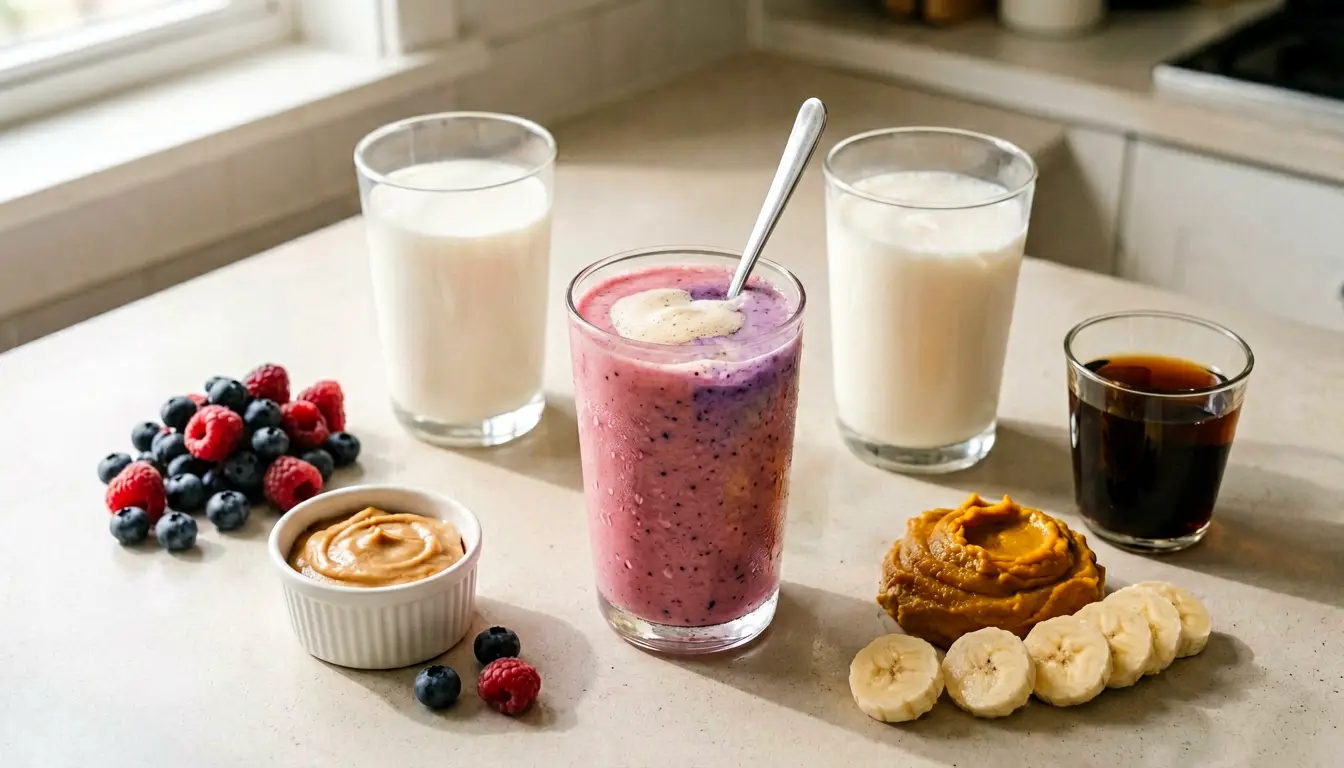
If you want berry flavor without the seeds, use strained puree, smooth berry yogurt, or a carefully filtered berry base instead of throwing whole raspberries or blackberries straight into the blender.
Equipment You Need
You need a blender, a knife, and a fine mesh strainer if you plan to work with strained fruit. A citrus juicer also helps because citrus gives seed-free smoothies brightness without bringing grit.
If seed texture is a major issue, the strainer is one of the most useful tools here. Blender power helps, but it does not make berry seeds disappear.
Step-by-Step Method
Start with one clearly seed-light fruit as the base. Banana, mango, melon, papaya, peach, or citrus are usually the safest starting points. Add your liquid first, then any creamy ingredients such as yogurt, avocado, cottage cheese, or oats.
If you want a fruit that usually comes with seeds, decide before blending whether you are straining it or skipping it. Do not assume the blender will solve that problem on its own. Blend the smoothie, then check the texture carefully. If it still feels gritty, strain the final smoothie or adjust the fruit choice next time.
Time and Temperature Guide
Seed-free smoothies are usually best cold and freshly blended, just like most other smoothies. Frozen banana, mango, papaya, or peaches help the texture a lot because they create body without needing icy add-ins that can make the drink thin as they melt.
If you are using strained fruit, do not leave it sitting too long before blending. The cleaner texture is best when the smoothie is still fresh and well mixed.
Best Variations
1. Banana peach smoothie
Very smooth, naturally sweet, and easy to repeat. This is one of the simplest seed-free directions.
2. Mango yogurt smoothie
Mango gives body, and yogurt gives tang. This is one of the easiest fruit-forward options with no gritty texture.
3. Papaya banana smoothie
Papaya stays soft and tropical, and banana helps the smoothie hold together.
4. Melon citrus smoothie
Melon keeps it light, while orange or lime gives brightness. This works well in warm weather.
5. Avocado vanilla smoothie
This works when you want creaminess without relying on berries or seeded fruit. If you like that texture, avocado smoothies go much deeper.
6. Cottage cheese peach smoothie
Cottage cheese adds protein and body without creating any seed issue. Cottage cheese smoothies are useful if this creamy style sounds good.
7. Strained berry smoothie
Use strained berry puree or seed-free berry flavor rather than whole berries when you want that taste without the grit. If seed-free smoothies are part of a broader routine change, The Smoothie Diet versus homemade smoothies can help you compare a plan with simple homemade swaps.
Common Mistakes
The biggest mistake is assuming all fruit seeds are harmless to blend and equally pleasant to drink. Some are fine but annoying. Some are simply not pleasant in texture. Pits are a different issue entirely and should never go into the blender.
Another common mistake is choosing tiny seeded fruits and then trying to fix the result with more liquid. That usually just creates a thin gritty smoothie instead of a better one. A smoother fruit choice is the better fix.
What to Serve With It
These smoothies pair best with foods that add chew and satisfaction, especially when the smoothie itself is kept very smooth and simple. Toast, oats, yogurt bowls, eggs, or soft muffins all work well.
If the smoothie already includes cottage cheese, avocado, or oats, it may do better on its own. That depends on whether the goal is snack, breakfast, or easier sipping.
Storage and Reheating
If you need to store a seed-free smoothie, use a sealed jar and drink it fairly soon after blending. Smoothness is usually best right away, especially with melon, citrus, or strained fruit.
Reheating does not apply here. If the smoothie loses texture in the fridge, a quick shake or reblend usually helps more than anything else.
Frequently Asked Questions
What fruits are easiest to use in seed-free smoothies?
Banana, mango, papaya, peaches, melon, citrus, pears, and pineapple are some of the easiest because they do not leave behind lots of tiny seeds.
Can I use berries in a smoothie without seeds?
Yes, but it usually works better to use strained puree or a filtered berry base than to blend whole raspberries or blackberries.
Are fruit pits safe to blend?
No. Pits should always be removed before blending.
What helps a seed-free smoothie stay creamy?
Banana, yogurt, avocado, cottage cheese, oats, and smooth nut butters are some of the most helpful texture-building ingredients.
Why does my smoothie still feel gritty?
Usually because the fruit choice still includes small seeds or because the smoothie needs straining after blending.
Can I make a seed-free smoothie without banana?
Yes. Mango, papaya, yogurt, avocado, oats, and cottage cheese can all help with body if you want to skip banana.
For more smoother-texture ideas, use avocado smoothies, cottage cheese smoothies, fresh smoothies, and fruit that works well in smoothies.