
As an affiliate, we may earn a commission from qualifying purchases. We get commissions for purchases made through links on this website from Amazon and other third parties.
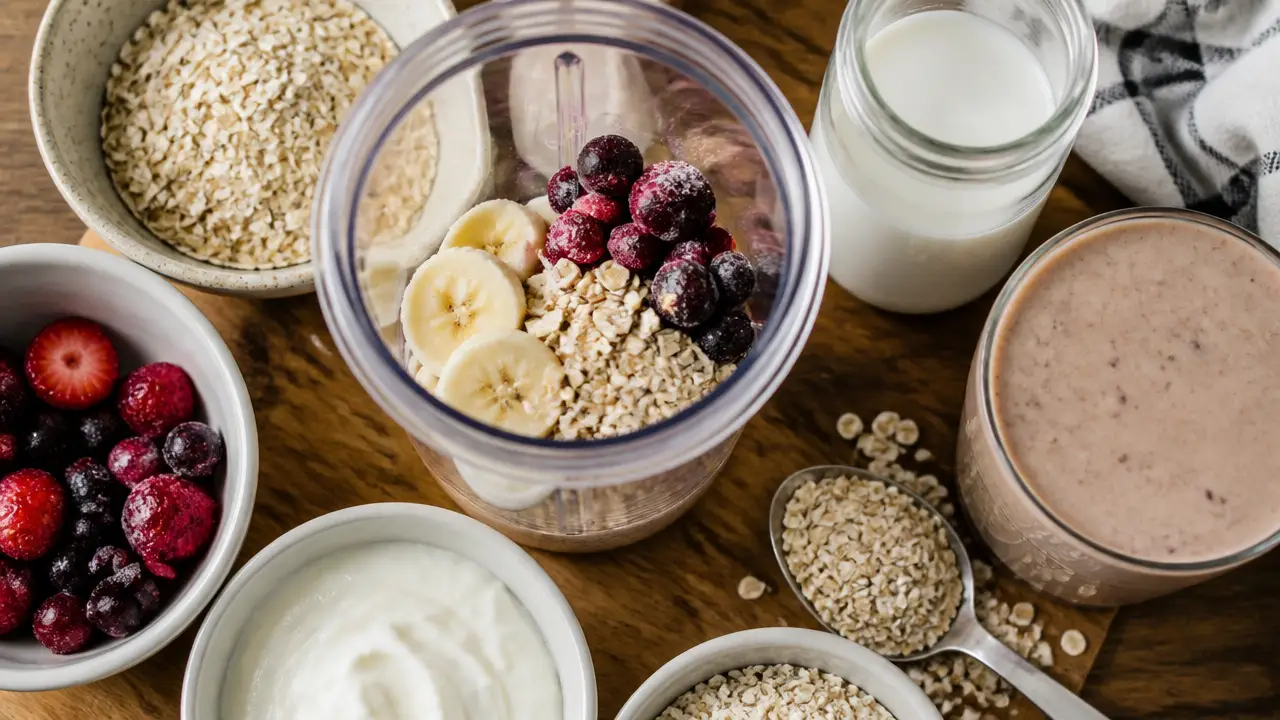
Oats can make smoothies thicker, creamier, and more filling without turning them into dessert. They also pull double duty for overnight oats, which makes them one of the easiest pantry ingredients to justify if you blend often.
The catch is that not every oat works the same way. Quick oats blend down faster and feel smoother. Old-fashioned rolled oats give more body. Sprouted oats can appeal if digestibility and ingredient sourcing matter more to you than the absolute lowest-fuss texture.
If your smoothies already feel thin or short on staying power, oats are often a better fix than more sweetener. You can also improve the rest of the build with the best yogurts for smoothies, the best protein powders for smoothies, and the best frozen fruit for smoothies.
What Makes a Good Oat for Smoothies
A good smoothie oat should blend cleanly, add body without turning gummy, and fit the way you actually prep. Some people want a silky breakfast smoothie. Others want a thicker meal-style blend or an oat that also works well for overnight jars.
That is why the real choice is not just "healthy" versus "unhealthy." It is mostly about texture, convenience, and any dietary guardrails you need to respect. If gluten-free handling matters, that changes the field right away. If fast blending matters more, quick oats make more sense than heartier rolled oats.
Quick Picks
- Best Overall: Quaker Old Fashioned Rolled Oats for the easiest all-purpose mix of smoothie body and overnight-oat flexibility.
- Budget Pick: Bob's Red Mill Gluten Free Quick Cooking Rolled Oats for smoother blends and faster prep.
- Premium Pick: One Degree Organic Sprouted Rolled Oats for readers who care most about sprouted, organic, and gluten-free sourcing.
Best Overall
Budget Pick
Premium Pick
Comparison Table
| Product | Best For | Key Strength | Main Tradeoff |
|---|---|---|---|
| Quaker Old Fashioned Rolled Oats | Everyday smoothies and overnight oats | Classic rolled texture with broad pantry flexibility | Not specifically gluten-free |
| Bob's Red Mill Gluten Free Quick Cooking Rolled Oats | Smoother blending and gluten-free use | Faster-cooking oat with dedicated gluten-free handling | Quicker texture can feel softer and less hearty |
| One Degree Organic Sprouted Rolled Oats | Ingredient-conscious shoppers | Sprouted, organic, gluten-free rolled oats with hearty chew | Sparse practical product detail and more niche appeal |
Quick Decision Guide
- Pick Quaker Old Fashioned Rolled Oats if you want the safest all-around choice for smoothies and overnight prep.
- Pick Bob's Red Mill Quick Cooking Oats if you want a smoother blend and need gluten-free handling.
- Pick One Degree Sprouted Oats if you care most about sprouted, organic, and glyphosate-conscious buying priorities.
Skip this category if your smoothies are already thick enough and you mainly need more protein or better flavor balance. In that case, the best yogurts for smoothies, the best milk for smoothies, or the best protein powders for smoothies will change the result more.
Top Picks
1 / 3
Quaker Old Fashioned Rolled Oats

Type
Old-fashioned rolled oats
Format
Two 64 oz bags
Whole Grain
100 percent whole grains
Use Case
Smoothies, overnight oats, and general pantry use
Tradeoff
No dedicated gluten-free claim
Quaker Old Fashioned Rolled Oats win because they are the easiest all-purpose answer. They give smoothies more body without feeling overly processed, and they still work naturally for overnight oats, baking, or breakfast bowls. That flexibility matters if you do not want to keep a separate oat for every use.
For smoothies, rolled oats land in a helpful middle ground. They are substantial enough to make the drink feel more filling, but they still soften and blend well in a decent machine. If you soak them or blend them with enough liquid, they are easy to work into daily breakfast routines.
The main limitation is dietary specificity. If you need oats handled in a dedicated gluten-free setting, this is not the safest pick even if the texture and overall utility are strong.
Why It Helps:
- Reliable texture for both smoothies and overnight oats.
- Whole-grain format adds body without tasting overly processed.
- Easy pantry staple if you want one oat that covers several jobs.
What To Keep In Mind:
- Not built around gluten-free handling.
- Blends a little less instantly smooth than quick-cooking oats.
Bottom Line: Choose this if you want the most practical everyday oat for both blending and overnight prep.
2 / 3
Bob's Red Mill Gluten Free Quick Cooking Rolled Oats

Type
Quick cooking rolled oats
Dietary Fit
Dedicated gluten-free facility handling
Nutrition Notes
Fiber and protein per serving
Prep Speed
Ready in a few minutes
Tradeoff
Softer texture than old-fashioned oats
Bob's Red Mill is the better fit if you want oats that blend down more quickly or need a gluten-free option with tighter handling standards. The quick-cooking texture makes it easier to get a smoother drink without pre-soaking or long blend times, which is useful when mornings are rushed.
That faster texture also works well for overnight prep because the oats soften readily. If you like a softer spoonful and do not want much chew, this style often lands better than old-fashioned rolled oats. It is also the safest option here if gluten-free handling is part of the decision.
The tradeoff is that quicker oats do not always give the same hearty texture some people want. If you like more chew and a more rustic feel, the base can seem softer than ideal.
Why It Helps:
- Easier to blend smooth than heartier rolled oats.
- Dedicated gluten-free handling is the clearest practical advantage here.
- Good fit for overnight jars when you want a softer texture.
What To Keep In Mind:
- Less hearty texture than classic old-fashioned oats.
- Narrower appeal if gluten-free handling is not important to you.
Bottom Line: Buy this if you want smoother blends or need a gluten-free oat that feels easy to work into daily prep.
3 / 3
One Degree Organic Sprouted Rolled Oats

Type
Sprouted rolled oats
Dietary Fit
Organic and gluten-free
Bag Size
80 oz
Texture
Heartier chew than standard rolled oats
Tradeoff
Less concrete prep detail in the source pack
One Degree Organic Sprouted Rolled Oats make the most sense for shoppers who care deeply about sourcing. The appeal here is not convenience first. It is that the product checks boxes around organic, sprouted, gluten-free, and cleaner ingredient expectations that some readers actively prioritize.
For smoothie use, the most practical takeaway is texture. These oats appear heartier and chewier than a standard quick-cooking oat, which means they are better for people willing to soak or blend a little more thoroughly in exchange for a more natural rolled-oat feel. That same texture can be welcome in overnight prep if you prefer more substance.
The tradeoff is that the concrete prep advantage is thinner than it is for the other two picks. That makes this more of a values-driven upgrade than a clear performance upgrade.
Why It Helps:
- Strong fit for organic, sprouted, and gluten-free priorities.
- Heartier oat texture can work well in overnight prep.
- Large bag suits repeat smoothie users.
What To Keep In Mind:
- Better for sourcing priorities than for clear blending advantages.
- May need more soaking or stronger blending for the smoothest texture.
Bottom Line: Choose this if ingredient sourcing matters more to you than pure convenience or quickest blending.
How to Choose the Right Oat for Smoothies
Match the oat to the texture you like
Quick oats blend smoother and disappear faster. Rolled oats give more body. If your smoothies already feel thick enough, start smaller with the oat amount before blaming the product.
Think about whether you also make overnight oats
The best oat for smoothies is often the best oat for overnight prep too. If you want one pantry staple for both jobs, rolled oats are usually easier to justify than a niche pick.
Build the rest of the smoothie around the oat
Oats add body, but they do not fix every problem. The best yogurts for smoothies, the best milk for smoothies, the best frozen fruit for smoothies, and the best blenders for smoothies still decide a lot of the final texture.
Do not overdo the serving size
Too many oats can make a smoothie heavy and pasty. Start small, then build upward only if you actually need more thickness or staying power.
Frequently Asked Questions
Are rolled oats or quick oats better for smoothies?
Quick oats are usually smoother and faster to blend, while rolled oats give more body and work better as a dual-purpose pantry staple.
Do you need to soak oats before adding them to smoothies?
Not always. Soaking can help with texture, especially for heartier rolled oats, but a strong blender often handles them well without it.
Which oats are best for overnight oats and smoothies together?
Old-fashioned rolled oats are usually the best all-around fit if you want one oat for both jobs.
Are gluten-free oats better for smoothies?
They are not automatically better for texture, but they are the better choice when gluten-free handling matters for your diet.
Do oats make smoothies more filling?
Yes. Oats can add body and help a smoothie feel more substantial, especially when paired with protein and fat.
What should you add with oats in a smoothie?
Yogurt, milk, frozen fruit, and protein powder are common partners because they balance texture and make the smoothie feel more complete.
If you want to keep building the smoothie base, start with yogurt that adds body without turning chalky. If the texture is still rough, a stronger smoothie blender may matter more than changing oats again.