
As an affiliate, we may earn a commission from qualifying purchases. We get commissions for purchases made through links on this website from Amazon and other third parties.
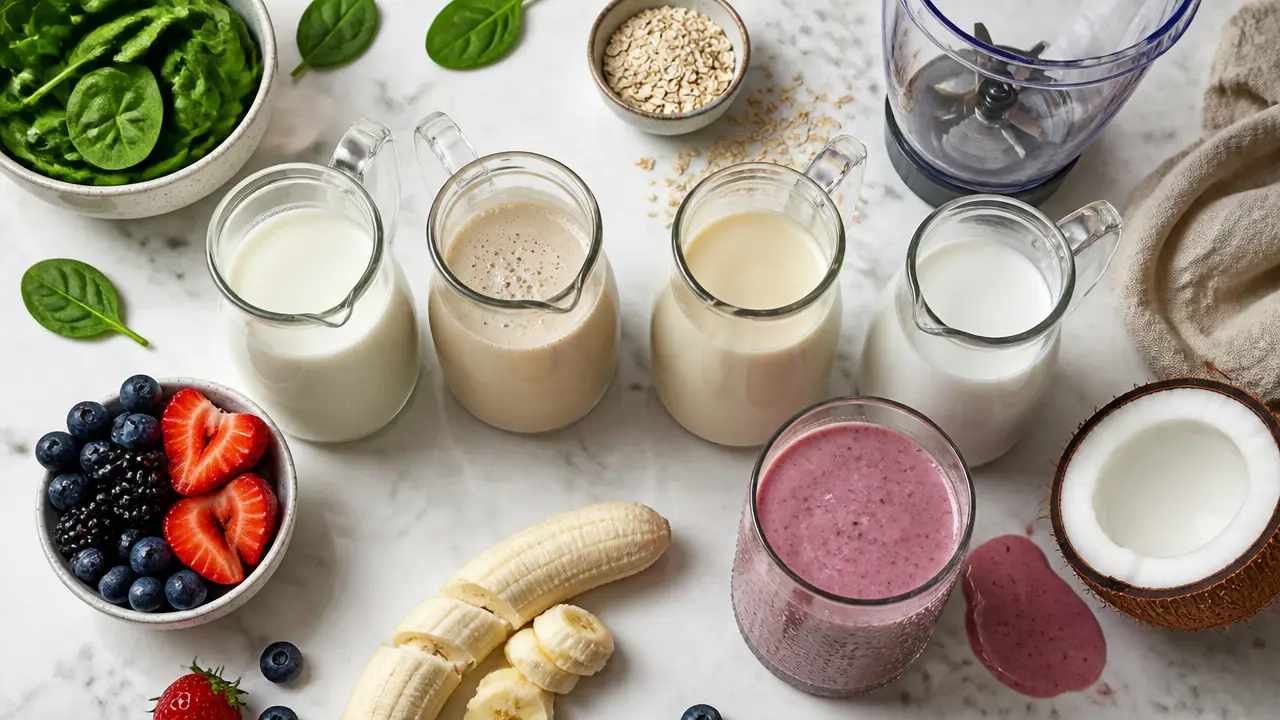
Milk changes a smoothie more than most people realize. It affects texture, sweetness, protein, and how heavy or light the drink feels. The best milk for smoothies is the one that supports the smoothie you actually want, not the one with the loudest health claim.
Some people want extra creaminess and protein. Others want a neutral unsweetened base that stays out of the way. That is why dairy and plant milks can both make sense depending on the job.
If you want to improve the whole build, compare the best protein powders for smoothies, the best frozen fruit for smoothies, and the best blender for smoothies after this.
What Makes a Good Milk for Smoothies
A good smoothie milk should match your texture goal, protein target, and sweetness tolerance. The right pick should help the blend, not fight it.
That is why there is no one universal winner. Dairy can add richer body and more protein. Plant milks can give you better sweetness control, shelf flexibility, or an easier fit for specific diets. The best option depends on whether your smoothie is supposed to feel like a meal, a snack, or a lighter drink.
Quick Picks
- Best Overall: fairlife Whole Milk for creamier smoothies with more protein and less sugar than standard milk.
- Budget Pick: Ripple Unsweetened Original Pea Milk for plant-based protein and lower sweetness.
- Premium Pick: Califia Farms Extra Creamy Oat Milk for the smoothest dairy-free texture.
- Best for Daily Use: Silk Shelf-Stable Organic Soy Milk Unsweetened for practical pantry-friendly daily blending.
Best Overall
Budget Pick
Premium Pick
Best for Daily Use
Comparison Table
| Product | Best For | Key Strength | Main Tradeoff |
|---|---|---|---|
| fairlife Whole Milk | Filling smoothies with more protein | Creamy dairy texture with 13g protein and lower sugar positioning | Still dairy, so it will not suit every stomach or preference |
| Ripple Unsweetened Pea Milk | Plant-based protein | 8g protein with lower sweetness and strong nutrient profile | Pea milk flavor is still distinct for some buyers |
| Califia Farms Extra Creamy Oat Milk | Creamiest dairy-free smoothies | Rich neutral texture that blends smoothly | Lower protein than dairy or pea milk |
| Silk Shelf-Stable Organic Soy Milk | Everyday practical use | Unsweetened soy with pantry convenience | Not as rich as dairy or extra-creamy oat milk |
Quick Decision Guide
- Pick fairlife if you want creaminess and more protein in one simple smoothie base.
- Pick Ripple if you want dairy-free protein and more control over sweetness.
- Pick Califia if texture matters more than protein.
- Pick Silk soy milk if you want a practical unsweetened daily-use base that is easy to keep around.
Skip milk obsession if the real issue is the powder or fruit. Often the better fix is protein powder, frozen fruit, or even a stronger blender.
Top Picks
1 / 4
fairlife Whole Milk

Protein
13g protein per serving
Sugar
50% less sugar than regular milk
Digestion
Lactose-free
Texture
Smooth and creamy dairy base
Tradeoff
Still not right for people avoiding dairy completely
fairlife wins because it solves two common smoothie problems at once: it adds more protein and keeps the texture creamy without pushing sweetness as hard as regular milk can. That makes it especially useful for breakfast smoothies that need to feel more substantial.
The smooth texture and lactose-free dairy setup are practical advantages because they let many dairy lovers keep the richness without as much digestive risk.
Why It Wins:
- Strong protein-to-creaminess balance.
- Lower sugar positioning helps keep smoothies from tipping too sweet.
- Lactose-free angle expands who can use it comfortably.
What To Keep In Mind:
- Still a dairy product, so it will not fit every routine.
- Better for filling smoothies than ultra-light ones.
Bottom Line: Choose this if you want the easiest high-protein creamy milk base for more satisfying smoothies.
2 / 4
Ripple Unsweetened Original Pea Milk

Protein
8g plant protein per serving
Sweetness
Unsweetened lower-sugar profile
Nutrition
Calcium, iron, and vitamin D support
Use Case
Protein-friendly dairy-free smoothies
Tradeoff
Pea milk flavor is not as neutral for every palate
Ripple gets the budget slot because it solves the protein problem better than most plant milks. Many dairy-free options go smooth but light on protein. Ripple gives you a stronger nutritional base while staying unsweetened enough to keep the smoothie under control.
That protein-plus-unsweetened balance is exactly what matters in a dairy-free smoothie base.
Why It Wins:
- More protein than many plant-based alternatives.
- Unsweetened profile makes flavor balancing easier.
- Good fit for dairy-free but more filling smoothies.
What To Keep In Mind:
- Flavor is not as invisible as some oat or soy options.
- Texture may feel less rich than full dairy.
Bottom Line: Buy this if you want a dairy-free smoothie milk that still helps with protein and satiety.
3 / 4
Califia Farms Extra Creamy Oat Milk

Texture
Extra creamy oat milk
Flavor
Neutral and smooth
Nutrition
Calcium plus vitamins A and D
Use Case
Creamy dairy-free smoothies
Tradeoff
Protein stays lower than dairy or pea milk
Califia is the premium pick because it gives the best dairy-free texture story in the group. Oat milk already tends to be a smoothie-friendly base, and the extra-creamy version leans even harder into that strength.
It is creamy, pleasant, and easy to like. That matters when the goal is a smoothie that feels richer without tasting too "healthy" or too thin.
Why It Wins:
- Smoothest dairy-free texture in this lineup.
- Neutral flavor works with fruit, coffee, and dessert-style smoothies.
- Easiest plant milk here for creaminess-first buyers.
What To Keep In Mind:
- Lower protein means it does less nutritional lifting.
- Better as a texture enhancer than a meal-support base.
Bottom Line: Pick this if you want the creamiest plant-based smoothie base and will get protein elsewhere.
4 / 4
Silk Shelf-Stable Organic Soy Milk Unsweetened

Format
Shelf-stable pantry packs
Sweetness
Unsweetened
Diet Fit
Organic, dairy-free, no added sugar
Use Case
Reliable everyday smoothie base
Tradeoff
Less rich than the creamiest options
Silk soy milk earns the daily-use position because it is the most practical option in the group. Unsweetened soy is flexible, reasonably neutral, and easy to keep on hand when shelf stability matters.
That convenience is not a small thing. A smoothie habit often lives or dies on whether you have the base ready when you need it, and shelf-stable packs make that easier when store runs are less convenient.
Why It Wins:
- Pantry-friendly shelf-stable format.
- Unsweetened and flexible for many smoothie styles.
- Easier daily-use habit product than more perishable options.
What To Keep In Mind:
- Not as rich or indulgent as dairy or extra-creamy oat milk.
- Best for practicality rather than excitement.
Bottom Line: Choose this if you want a dependable unsweetened smoothie base you can keep around without much planning.
How to Choose the Right Milk for Smoothies
Start with the smoothie goal
If you want a filling breakfast smoothie, protein matters more. If you want a lighter fruit blend, neutral texture and sweetness control matter more.
Match the milk to the powder and fruit
Some combinations get too sweet fast. Others feel thin. The best milk depends on what else is already in the blender.
Decide how much protein you want from the base
Dairy and pea milk do more nutritional work. Oat milk does more texture work. Soy milk sits somewhere in the middle for daily practicality.
Think about habit, not just nutrition
The best milk is the one you keep stocked and keep using. A perfect milk that is never around does not help the routine.
Frequently Asked Questions
What milk is best for smoothies?
The best milk depends on your goal, but a higher-protein creamy milk is usually best for filling smoothies while neutral unsweetened plant milks are better for control and flexibility.
Is dairy or plant milk better for smoothies?
Dairy is often better for creaminess and protein. Plant milks can be better for lower sweetness, diet fit, or specific texture goals.
Which milk makes smoothies creamiest?
Creamier dairy milks and extra-creamy oat milks usually make the smoothest, richest blends.
Which milk is best for high-protein smoothies?
Higher-protein dairy or plant options like filtered milk, pea milk, or soy milk usually work best.
Is oat milk good for smoothies?
Yes. It is especially good when texture matters more than protein and you want a smoother dairy-free result.
Should I use unsweetened milk for smoothies?
Usually yes, especially if fruit, yogurt, or protein powder already adds sweetness to the blend.
If you want to improve the whole smoothie build, pair the milk with protein powder that fits your texture goal. If frozen fruit keeps stalling the blend, a better smoothie maker may matter more than changing milks again.