
As an affiliate, we may earn a commission from qualifying purchases. We get commissions for purchases made through links on this website from Amazon and other third parties.
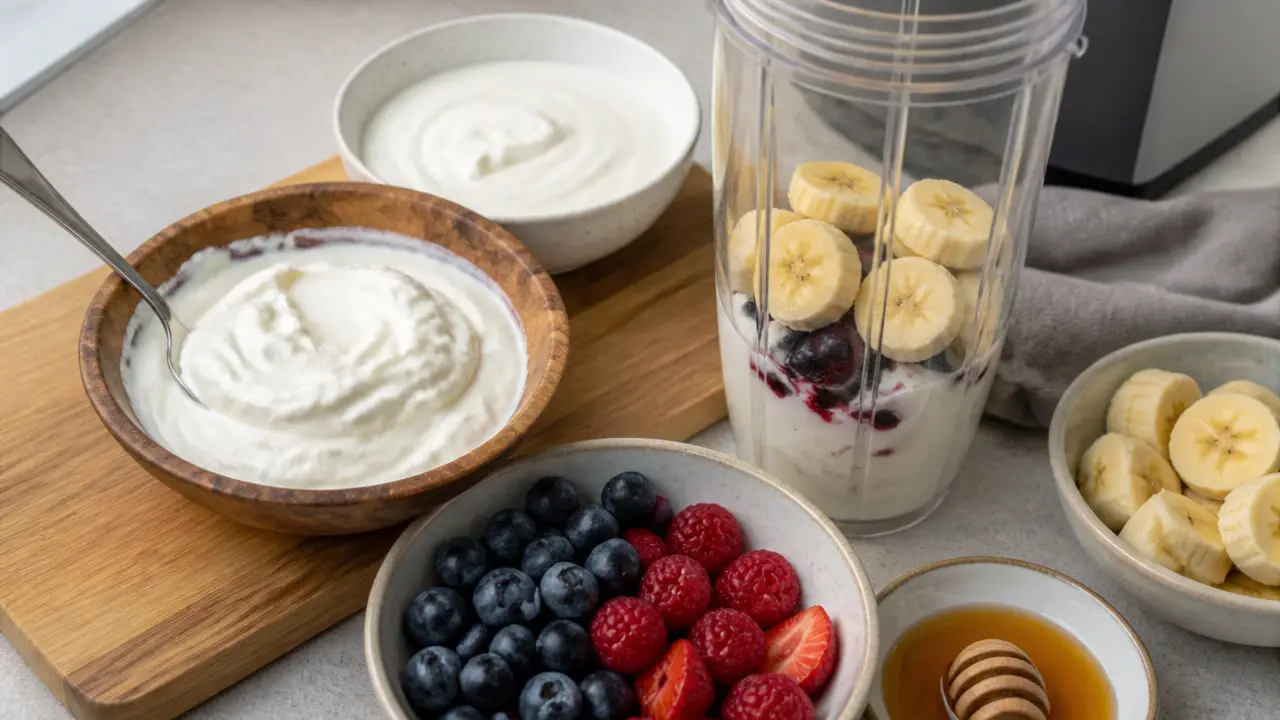
Yogurt can fix a lot of smoothie problems fast. It makes the blend creamier, adds body without relying on ice, and can help turn a thin fruit drink into something that actually feels like breakfast.
The best yogurt for smoothies depends on what you want it to do. Some yogurts give you thicker texture and more protein. Some keep sweetness lower so the fruit stays in charge. Some are better for dairy-free smoothies where texture usually takes more work.
If your smoothie still needs help beyond the yogurt, compare the best frozen fruit for smoothies, the best oats for smoothies, and the best protein powders for smoothies too.
What Makes a Good Yogurt for Smoothies
A good smoothie yogurt should blend smoothly, bring enough body to matter, and match your nutrition goal without forcing extra sugar into the drink. Plain yogurt usually works best because it gives you more control over sweetness. That is especially true when your smoothie already includes sweet fruit.
Texture matters just as much as nutrition. Greek yogurt is usually the easiest win because it is thick enough to make a smoothie feel creamy and filling. Whole-milk options feel richer. Lower-fat options stay lighter. Dairy-free yogurt can work well too, but it helps to choose one that still has enough protein and body to carry the blend.
Quick Picks
- Best Overall: FAGE Total 2% Greek Yogurt for the best balance of thick texture, clean ingredient list, and smoothie control.
- Budget Pick: Chobani Whole Milk Plain Greek Yogurt for richer texture and high protein in a familiar full-size tub.
- Premium Pick: Stonyfield Organic Greek Whole Milk Yogurt for shoppers who want organic whole-milk Greek yogurt.
- Best for Daily Use: Kite Hill Plain Unsweetened Greek Style Yogurt for plant-based smoothies that still need body and protein.
Best Overall
Budget Pick
Premium Pick
Best for Daily Use
Comparison Table
| Product | Best For | Key Strength | Main Tradeoff |
|---|---|---|---|
| FAGE Total 2% Greek Yogurt | Thick but balanced smoothies | Creamy Greek texture with no added sugar | Less rich than full-fat yogurt |
| Chobani Whole Milk Plain Greek Yogurt | Richer, fuller smoothies | Thick whole-milk texture with strong protein support | Heavier feel if you want a lighter smoothie |
| Stonyfield Organic Greek Whole Milk Yogurt | Organic-focused shoppers | Whole-milk Greek yogurt with organic sourcing | More niche fit if organic is not a priority |
| Kite Hill Plain Unsweetened Greek Style Yogurt | Dairy-free smoothies | Plant-based option with notable protein and thickness | Smaller container and different flavor profile from dairy yogurt |
Quick Decision Guide
- Pick FAGE if you want the safest all-around yogurt for creamy smoothies without losing sweetness control.
- Pick Chobani Whole Milk if you want a richer, thicker smoothie that feels more filling.
- Pick Stonyfield if you care about organic whole-milk sourcing.
- Pick Kite Hill if you need a dairy-free smoothie base that still feels substantial.
Skip this category if your smoothies are already creamy enough and you mainly need more protein or more volume. In that case, the best protein powders for smoothies, the best milk for smoothies, or the best oats for smoothies may change the result more.
Top Picks
1 / 4
FAGE Total 2% Greek Yogurt

Style
Greek strained yogurt
Fat Level
2 percent
Sweetness
No added sugar
Nutrition Notes
Protein-rich and calcium source
Tradeoff
Not as rich as whole-milk yogurt
FAGE Total 2% wins because it gives you the thick Greek-yogurt texture most smoothies need without pushing the blend too far into dessert territory. It is creamy, protein-rich, and made with a very simple ingredient profile, which makes it easy to build around fruit, oats, or nut butter without losing control of the flavor.
The 2 percent fat level is also part of why it works so well. You get enough richness to make the smoothie feel smooth and full, but not so much that it overwhelms lighter fruit combinations. That balance makes it the easiest all-purpose pick in the group.
The tradeoff is that it is not the richest option here. If you want the fullest, most indulgent smoothie texture, whole-milk Greek yogurt will feel bigger.
Why It Helps:
- Thick, creamy texture that blends well.
- No added sugar makes fruit and flavor choices easier to control.
- Strong all-around fit for both lighter and fuller smoothie builds.
What To Keep In Mind:
- Less rich than whole-milk options.
- Greek thickness can make the blend too dense if you add too much without enough liquid.
Bottom Line: Choose this if you want the safest all-around yogurt for better smoothie texture and steady protein support.
2 / 4
Chobani Whole Milk Plain Greek Yogurt

Style
Whole-milk plain Greek yogurt
Texture
Thick and creamy
Protein
At least 19 g per serving
Cultures
Live and active cultures
Tradeoff
Heavier feel than lower-fat options
Chobani Whole Milk Plain Greek Yogurt is the better pick when you want a smoothie that feels richer and more substantial. The whole-milk base gives it more body, and the thick Greek texture makes it useful for breakfast smoothies that need to hold up under frozen fruit, oats, or protein add-ins.
It also brings strong protein support, which helps if you want the yogurt itself to do more of the work instead of leaning immediately on protein powder. That makes it a practical option for smoothie drinkers trying to keep the ingredient list simpler.
The tradeoff is weight. Whole-milk yogurt gives a richer mouthfeel, but it can feel heavier than necessary in lighter fruit smoothies.
Why It Helps:
- Richer texture than lower-fat Greek yogurt.
- Strong protein support for more filling smoothies.
- Plain format keeps sweetness in your control.
What To Keep In Mind:
- Can feel heavier in delicate fruit blends.
- Less ideal if you want the lightest possible smoothie base.
Bottom Line: Buy this if you want a richer, more filling smoothie and like the fuller feel of whole-milk Greek yogurt.
3 / 4
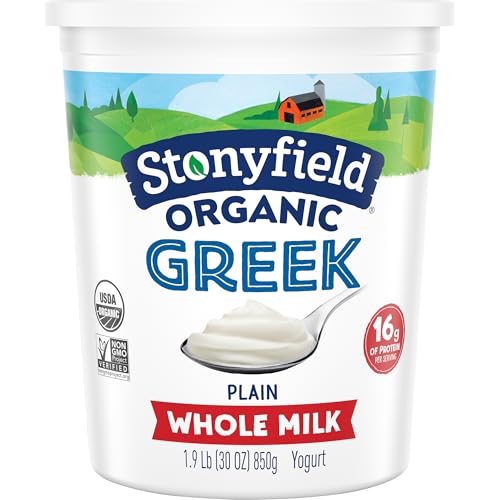
Stonyfield Organic Greek Whole Milk Yogurt
Style
Organic whole-milk Greek yogurt
Protein
14 g per serving
Cultures
Live and active cultures
Sourcing
Made with organic milk
Tradeoff
Best value only if organic sourcing matters to you
Stonyfield makes the most sense for people who want whole-milk Greek yogurt and also care strongly about organic sourcing. In smoothie terms, it does the same broad job as other thick Greek yogurts: richer body, good creaminess, and a filling texture that works well for breakfast-style blends.
Its edge is not that it transforms the smoothie more than the others. It is that it gives ingredient-conscious shoppers a version of that same Greek-yogurt thickness in an organic format with simple ingredients and live cultures.
The tradeoff is straightforward. If organic sourcing is not important to you, the practical smoothie performance gain over the other Greek options is not huge.
Why It Helps:
- Whole-milk Greek texture works well in thicker smoothies.
- Organic sourcing will matter to some buyers.
- Plain format stays flexible for sweet or less-sweet blends.
What To Keep In Mind:
- More values-driven than performance-driven upgrade.
- Richer texture may feel too heavy for some lighter smoothies.
Bottom Line: Choose this if organic whole-milk Greek yogurt is the priority, not just smoothie performance alone.
4 / 4
Kite Hill Plain Unsweetened Greek Style Yogurt

Style
Dairy-free Greek-style yogurt
Protein
17 g per serving
Sweetness
Unsweetened with 0 g sugar
Dietary Fit
Vegan and gluten-free
Tradeoff
Smaller tub and different flavor profile from dairy yogurt
Kite Hill is the best dairy-free pick because it does not settle for a thin, sweet plant-based yogurt profile. It is unsweetened, thick enough to matter in a smoothie, and brings meaningful protein support, which is exactly what dairy-free smoothie drinkers usually struggle to find.
That makes it useful well beyond vegan routines. If dairy does not sit well with you or you simply want a plant-based smoothie that still feels creamy and filling, Kite Hill is one of the few options here that keeps the texture conversation alive.
The tradeoff is that dairy-free yogurt still tastes different from traditional Greek yogurt, and the smaller container size limits bulk smoothie prep.
Why It Helps:
- Best option here for dairy-free smoothies with real body.
- Unsweetened profile keeps the blend from getting cloying fast.
- Strong protein support for a plant-based yogurt option.
What To Keep In Mind:
- Smaller tub than the larger dairy options.
- Flavor and texture still differ from classic dairy Greek yogurt.
Bottom Line: Pick this if you need a dairy-free smoothie yogurt but still want thickness and protein, not just a thin plant-based substitute.
How to Choose the Right Yogurt for Smoothies
Start with the texture you want
Greek yogurt usually wins when you want creaminess and body. If the smoothie already feels thick enough, use less yogurt before changing brands.
Keep sweetness under your control
Plain yogurt is usually the better base because fruit already brings sweetness. That lets you adjust flavor with frozen fruit, milk, or protein powder instead of fighting a sweetened yogurt.
Match the yogurt to the rest of the smoothie
Whole-milk yogurt works well in richer blends. Lower-fat yogurt keeps things lighter. Dairy-free yogurt helps when plant-based smoothies still need a creamy protein source.
Think about meal size
If yogurt is doing most of the creaminess work, pair it with ingredients that make sense for your goal. Oats for smoothies, protein powder, and good blender texture all matter.
Frequently Asked Questions
What kind of yogurt is best for smoothies?
Plain Greek yogurt is usually the best choice because it gives smoothies more body and protein without forcing extra sweetness into the drink.
Is Greek yogurt better than regular yogurt for smoothies?
Usually yes. Greek yogurt is thicker and often higher in protein, so it makes smoothies feel creamier and more filling.
Can you use dairy-free yogurt in smoothies?
Yes. A thicker, unsweetened dairy-free yogurt works best if you still want body and some protein support.
Should yogurt in smoothies be plain or flavored?
Plain is usually better because it gives you more control over sweetness and works with more ingredients.
Does yogurt make smoothies thicker?
Yes. Yogurt can make a smoothie noticeably creamier and help it feel more substantial.
Do you still need protein powder if you use yogurt?
Not always. It depends on your protein goal, serving size, and what else is in the smoothie.
If you want to finish the full smoothie base, pair yogurt with frozen fruit that blends cleanly. If the drink still needs more staying power, oats for smoothies can add body without making it taste like a supplement.