
As an affiliate, we may earn a commission from qualifying purchases. We get commissions for purchases made through links on this website from Amazon and other third parties.
Java Burn and matcha both point at the same problem: you want better morning energy without feeling wrecked later. The big difference is that one is a coffee add-in supplement, and the other is a real tea with a more established caffeine-and-theanine profile.
That difference matters more than the marketing language. If your goal is steady focus, these two products do not bring the same level of proof or the same kind of morning experience.
Quick Answer
Matcha is usually the better fit for smoother morning energy because its caffeine-and-L-theanine combo has a more believable case for calm alertness and reduced crash. Java Burn makes more sense only if you already love coffee, want the least change possible, and are willing to accept much thinner proof around the exact product.
In short: matcha is the stronger energy choice, Java Burn is the easier coffee-habit experiment.
Check the official Java Burn offer only if you still prefer the coffee add-in route after comparing it with matcha.
Key Differences
What they actually are
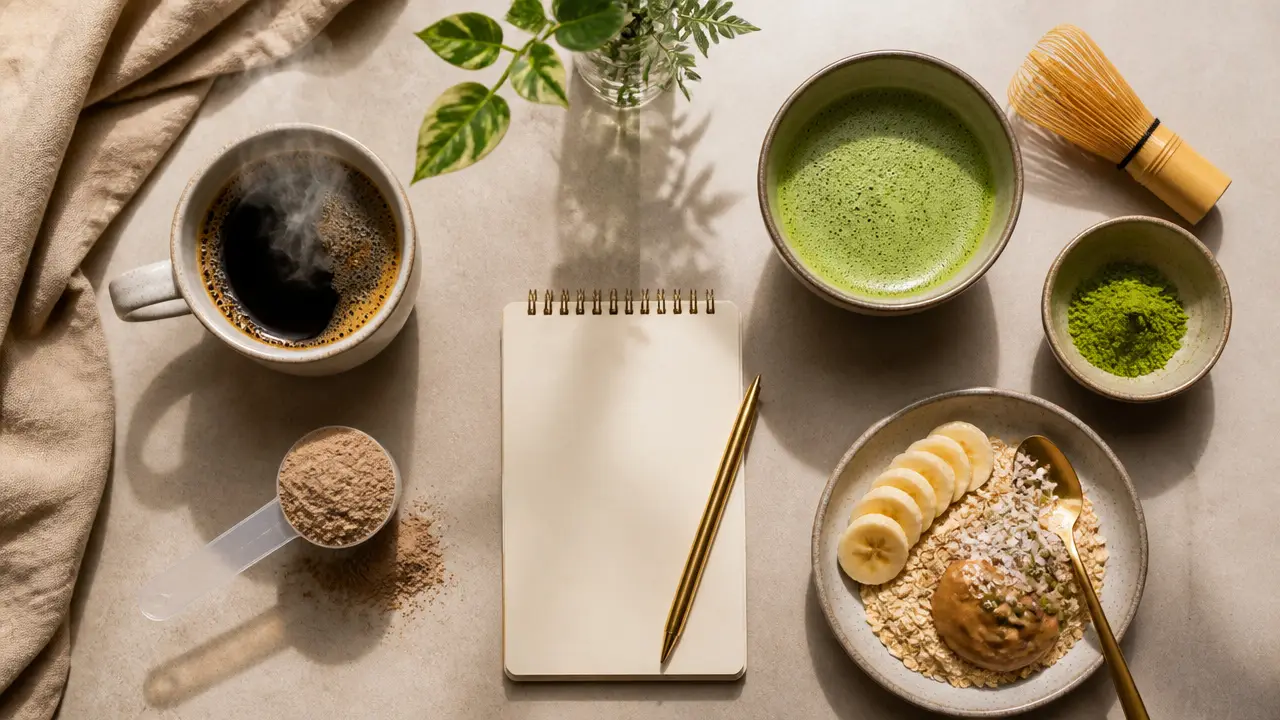
Java Burn is a supplement meant to be mixed into coffee. Matcha is powdered green tea. That means matcha starts from a simpler, more transparent base, while Java Burn asks you to trust a branded formula layered onto another caffeinated drink.
Energy feel
The strongest case here is the caffeine-plus-theanine pairing. Caffeine and L-theanine together have a better case for attention, task performance, and steadier cognition when used in the right range. That is the clearest reason matcha keeps showing up as the smoother option.
Java Burn is different because its energy effect still depends on your coffee routine first. If coffee already gives you spikes, acidity, or jitters, Java Burn does not automatically erase those problems. Java Burn Review goes deeper into that limitation.
Convenience
Java Burn is more convenient if you never want to leave coffee. You tear open a packet, stir, and keep going. Matcha has a bigger behavior shift, especially if you are moving away from coffee rather than adding a supplement to it.
That said, convenience is only useful if the routine still feels good after a week or two. A smoother drink you actually enjoy often beats a simpler routine you keep second-guessing.
Trust and transparency
Matcha wins here. It is tea. Quality still matters, but the product category is easy to understand. Java Burn has extra friction because fake listings are a known risk and buyers need to stick with official sellers.
Best For
Java Burn Is Better For:
- Coffee drinkers who do not want to give up coffee.
- People who want a low-effort supplement experiment inside an existing habit.
- Buyers who care more about routine simplicity than ingredient transparency.
Matcha Is Better For:
- People who want steadier focus without as much jitter risk.
- Readers who want a gentler morning caffeine experience.
- Anyone open to replacing coffee instead of stacking something on top of it.
- Buyers who prefer a whole-drink option over a supplement add-in.
If you want a smoother morning routine but still like blended breakfasts, you may get more value from the best greens powders for smoothies or the best protein powders for smoothies than from either of these.
When to Choose Java Burn
Choose Java Burn when your real priority is protecting the coffee habit. If you already love coffee and know you are not switching to tea, Java Burn is the more realistic choice because it asks the least from you behavior-wise.
It also makes sense if you are curious about a metabolism-focused add-in and understand that you are experimenting, not buying a strongly proven performance product. That distinction is important. The value case for Java Burn is mostly habit fit, not deep product certainty.
If you are still undecided, read the full Java Burn review before spending money.
When to Choose Matcha
Choose matcha when you want better quality energy, not just more stimulation. Matcha's caffeine plus L-theanine profile can support calm alertness and reduce the rollercoaster feel many people get from straight coffee.
It is also the better choice for people who care about mental clarity more than aggressive wake-up force. If coffee tends to make you edgy, hollow-stomached, or crash-prone, matcha is the cleaner bet.
That same logic is useful if you are trying to improve the whole first half of your day. A steadier drink pairs better with Smoothie Diet review style morning planning, homemade smoothie routines, or a better breakfast build anchored by a stronger smoothie maker.
Frequently Asked Questions
Which gives steadier energy: Java Burn or matcha?
Matcha usually does. The better support is around caffeine plus L-theanine producing calmer, more stable alertness.
Which is easier to add to a morning routine?
Java Burn is easier if you already drink coffee every day and do not want to change that ritual.
Is Java Burn stronger than matcha?
It may feel more forceful because it rides on top of coffee, but stronger is not always better if the tradeoff is jitteriness or a rougher crash.
Does matcha have enough caffeine for mornings?
For many people, yes. It usually gives a steadier lift rather than the sharp jolt associated with coffee.
Who should choose matcha over Java Burn?
People who want smoother focus, fewer jitters, and a more transparent morning drink should usually choose matcha.
Who should choose Java Burn over matcha?
Coffee-first people who want to keep their ritual intact and are comfortable with weaker proof around the exact product.
If you are leaning supplement-first, read the full Java Burn review before buying. If you want to improve the rest of breakfast instead of just caffeine, greens powders for smoothies can be a simpler place to compare ingredients.