
As an affiliate, we may earn a commission from qualifying purchases. We get commissions for purchases made through links on this website from Amazon and other third parties.
No, protein powder is not necessary for most smoothies. It can be useful when you need an easy protein boost, but plenty of smoothies can meet the job with whole-food ingredients like Greek yogurt, milk, tofu, cottage cheese, nut butter, seeds, or even beans.
The better question is not "Do smoothies need protein powder?" It is "What do you need this smoothie to do?" If the smoothie is a full meal, post-workout recovery drink, or appetite-support breakfast, extra protein can make sense. If it is a light snack or fruit-focused drink, powder is often optional.
Quick Answer
Protein powder is helpful when convenience matters, when your protein goal is high, or when your smoothie needs to stand in for a meal. It is not required just because you are making a smoothie. Many people can get enough protein from normal foods and still end up with a filling drink.
That is often the better starting point. Whole-food ingredients bring more than just protein, and they usually make the smoothie feel more like real food instead of a supplement delivery system.
What It Is and When to Use It
Protein powder is a concentrated supplement made from sources like whey, casein, soy, pea, rice, egg, or hemp. The appeal is obvious: one scoop can add a meaningful amount of protein quickly without changing your shopping list much or forcing you to prep another ingredient.
That convenience is real. Protein powder can make sense if you struggle to eat enough protein, want a smoother post-workout routine, or need a meal replacement that keeps you full longer. It can also help if you do not like dairy or need a portable option that stores easily.
Where people overuse it is assuming every smoothie needs it by default. A fruit smoothie with Greek yogurt, milk, chia seeds, and oats can already be far more substantial than it looks. Once you start building the base well, powder is sometimes the extra you do not need.
If you want the shopping side of that decision first, compare what protein powder does in smoothies, the best protein powders for smoothies, and the best yogurts for smoothies.
Better Alternatives If You Do Not Want Powder
You have several workable swaps:
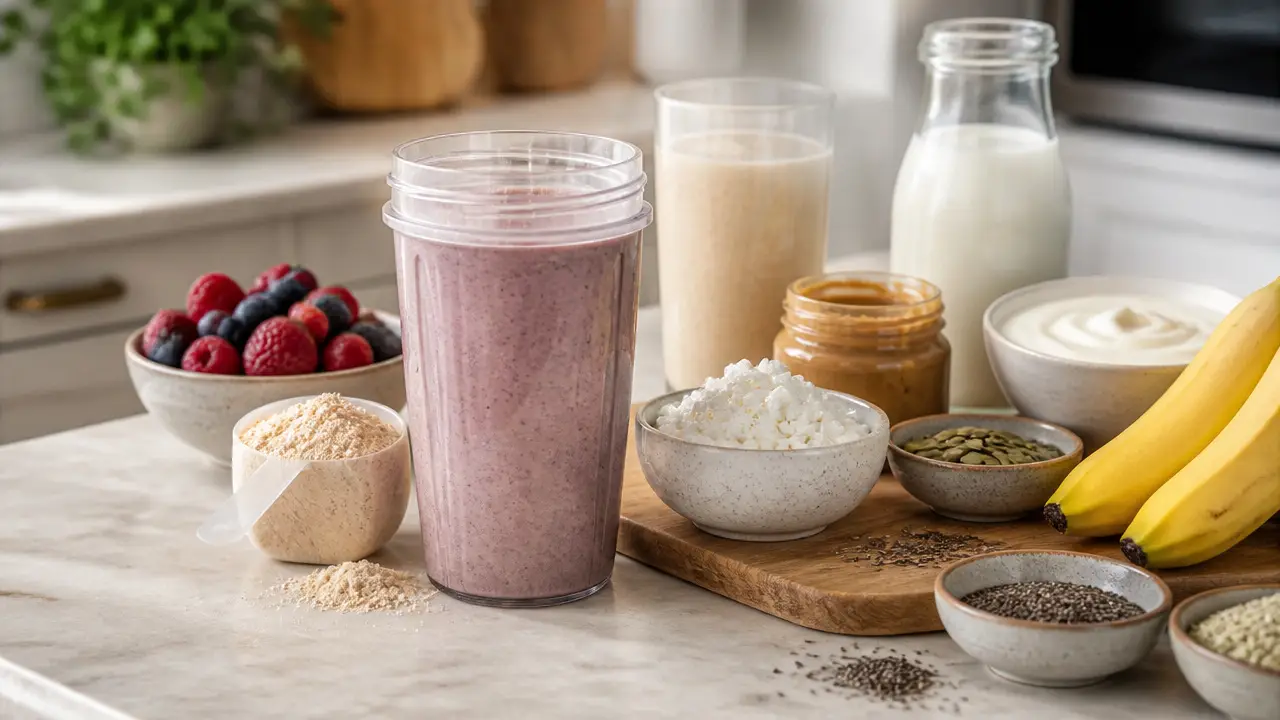
- Greek yogurt for thickness plus protein.
- Cottage cheese for a smoother-than-expected high-protein base once blended.
- Silken tofu for a neutral, dairy-free protein source.
- Nut butter for a smaller protein boost plus more richness.
- Chia, hemp, or flax for smaller boosts that also change texture.
- Oats for more body and staying power, even if they are not the main protein source.
These options matter because they change the smoothie in different ways. Yogurt and cottage cheese make it creamier. Tofu stays neutral. Seeds can thicken over time. Nut butter makes it richer. That gives you more control than dropping in a scoop just because the label says "protein."
If you want a food-first smoothie that still feels complete, the best oats for smoothies, the best milk for smoothies, and the best frozen fruit for smoothies all help more than people expect.
When Protein Powder Actually Helps
Protein powder is most useful when the smoothie has a real job to do. That could mean recovering after exercise, replacing a meal on a rushed morning, or helping you stay full longer between meals. It can also help if whole-food protein sources do not fit your diet, schedule, or digestion well.
It is also easier to use consistently than trying to add three or four separate ingredients every time. That convenience has value when the alternative is skipping breakfast or ending up with a smoothie that tastes good but leaves you hungry an hour later.
Still, more is not automatically better. A protein-heavy smoothie can become chalky, overly thick, or higher in calories than you expected if the powder, fruit, yogurt, and nut butter all stack on top of each other without a plan.
Watchouts Before You Add It
Not all powders are simple
Some protein powders include added sugars, flavorings, thickeners, or a long list of extras that may not help your goal. If you are using smoothies for weight management or blood sugar support, that matters.
Supplements are not the same as whole food
Protein powder gives protein, but it usually gives less overall nutrition than whole-food ingredients. That does not make it bad. It just means you should not assume the scoop is automatically the healthier choice.
Digestive issues can show up fast
Milk-based powders may not sit well for people with lactose issues or dairy sensitivity. Even powders that fit your diet on paper can cause bloating or stomach discomfort if the ingredient list is heavy on sweeteners or additives.
More protein is not always necessary
If the smoothie already contains enough protein for the meal or snack you are building, adding powder can turn a balanced drink into an overbuilt one. This is one reason meal replacement shakes for smoothie lovers and homemade smoothies are not the same thing.
Prep Tips
Match the protein to the purpose
If the smoothie is breakfast or post-workout, a protein boost can make more sense. If it is just a fruit snack, start with whole-food ingredients first and decide whether it actually needs more.
Build around texture
Protein powder can make smoothies thicker fast. Use enough liquid, and balance it with ingredients that already work well in the blender. The best blenders for smoothies and the best smoothie makers matter here because weak blending makes powder-based smoothies feel chalkier than they need to.
Start with one protein source, not five
Do not pile in powder, yogurt, seeds, and nut butter all at once unless you know why each one is there. Choose the main protein source first, then add the rest only if they solve a real problem.
Keep the label simple when possible
If you do use powder, simpler ingredient lists are easier to work into a daily routine than highly flavored mixes that dominate the smoothie.
Storage, Fridge, and Freezer Notes
Protein smoothies can be prepped ahead, but texture may change in the fridge. Seeds and oats can keep thickening the drink, and some powders settle or separate if the smoothie sits too long. Freezer prep usually works better when you freeze the smoothie ingredients in portions and blend fresh later.
That is where containers matter. The best smoothie containers for meal prep and the best travel cups for smoothies can make a bigger difference than changing protein sources every week.
Frequently Asked Questions
Do all smoothies need protein powder?
No. Many smoothies are fine without it, especially if they already include yogurt, milk, tofu, seeds, nut butter, or other protein-containing ingredients.
When should you add protein powder to a smoothie?
Add it when the smoothie needs to do more work, like support a meal, help with post-workout recovery, or keep you full longer.
What can you use instead of protein powder in smoothies?
Greek yogurt, cottage cheese, silken tofu, nut butter, seeds, and even beans can all help raise protein without using powder.
Is protein powder healthier than whole-food smoothie ingredients?
Not usually. It is more convenient, but whole-food ingredients often bring more total nutrition and a more balanced food profile.
Can protein powder upset your stomach?
Yes. Some people react poorly to dairy-based powders, added sweeteners, or long ingredient lists.
How do you know if your smoothie already has enough protein?
Look at the full build. If the drink already includes meaningful protein sources and keeps you full for the job it needs to do, powder may not add much value.
If you want the role of powder explained first, read what protein powder does in smoothies. If you are ready to shop, protein powders for smoothies will help you choose one that blends cleanly.