
As an affiliate, we may earn a commission from qualifying purchases. We get commissions for purchases made through links on this website from Amazon and other third parties.
High-calorie protein smoothies are useful when you need more calories and protein but do not want another full plate of food. The best versions combine protein, carbs, fat, fiber, and enough liquid to blend smoothly.
The goal is not to make the biggest shake possible on day one. Start with a filling 400- to 600-calorie smoothie, see how your stomach handles it, then increase with oats, nut butter, avocado, coconut milk, seeds, yogurt, or protein powder as needed.
Quick Answer
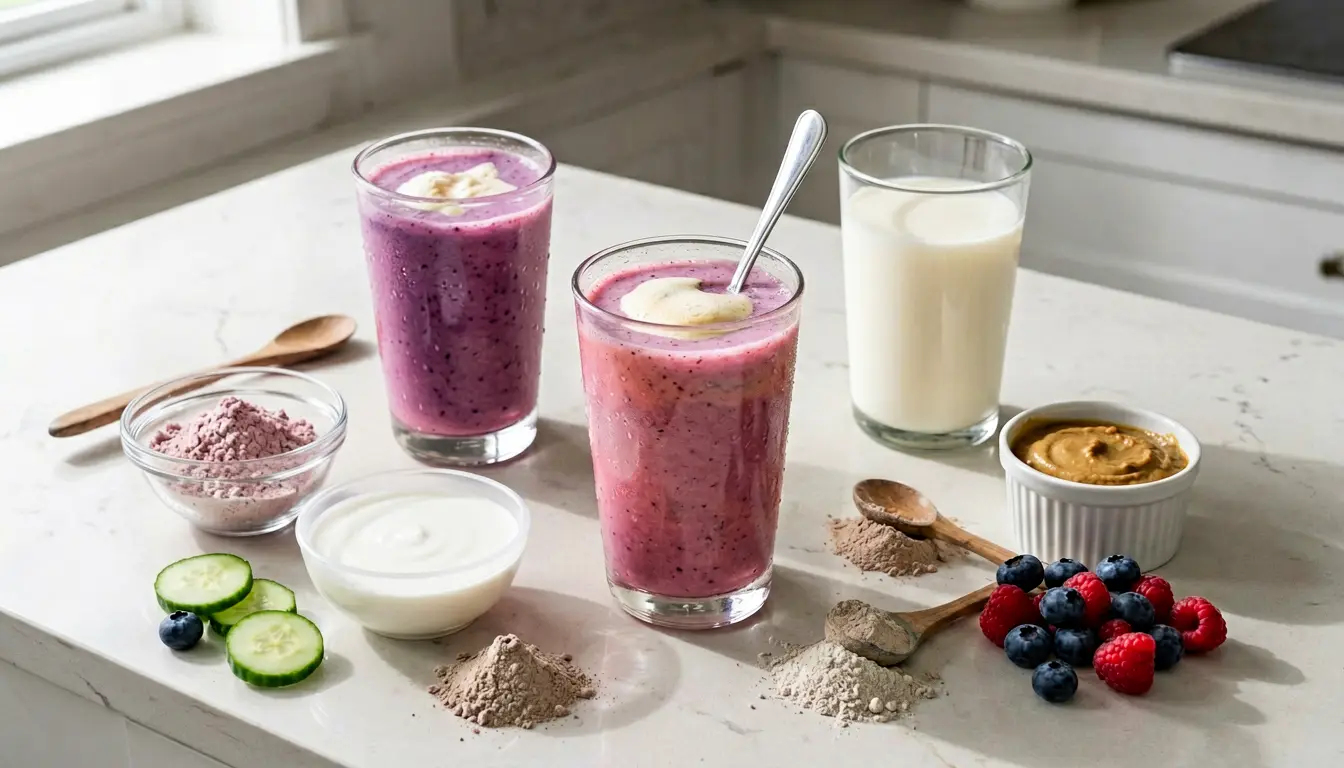
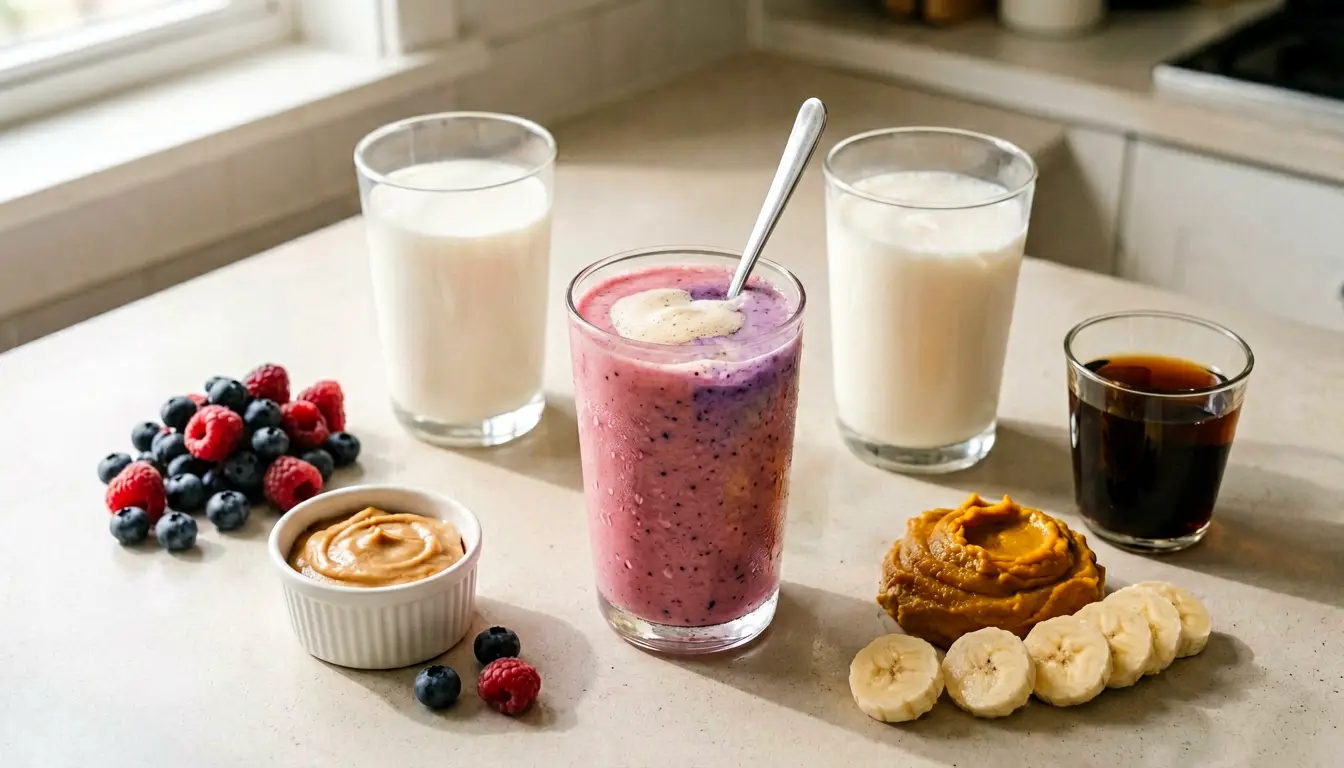
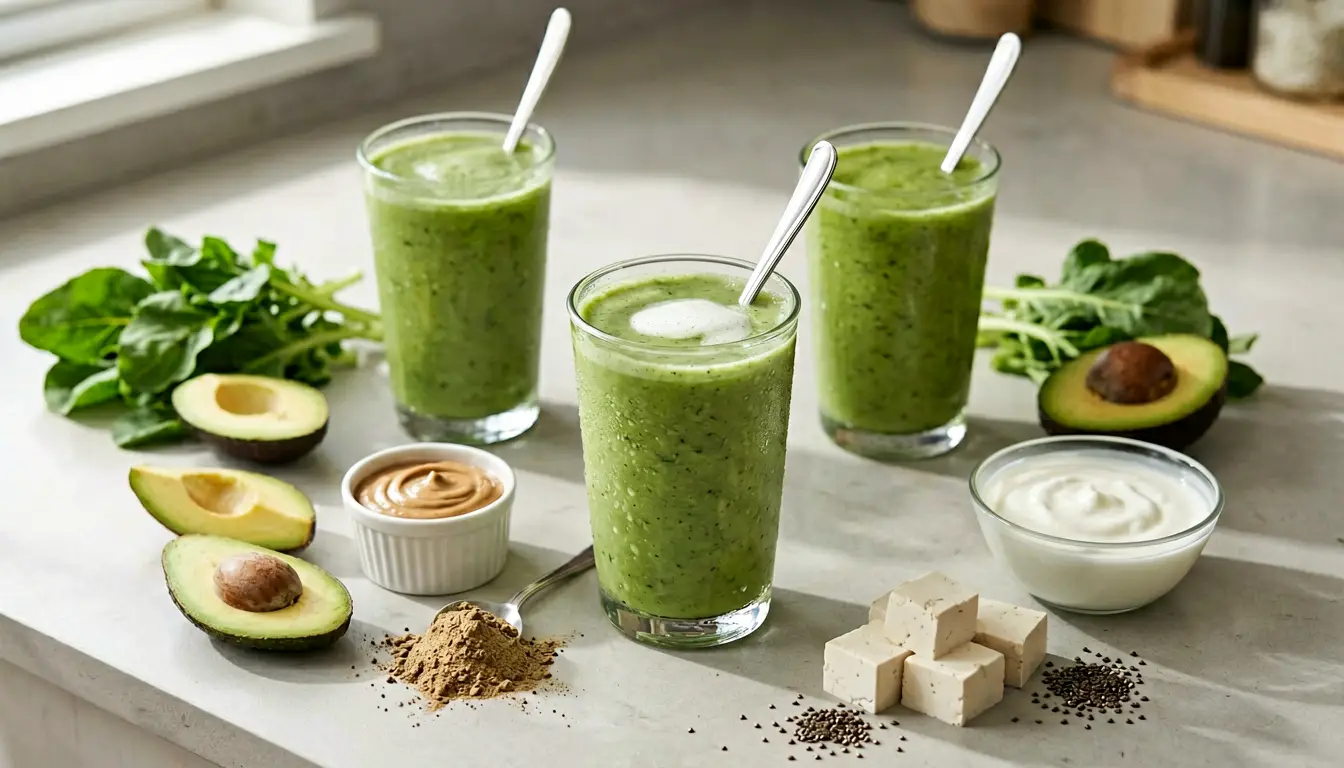
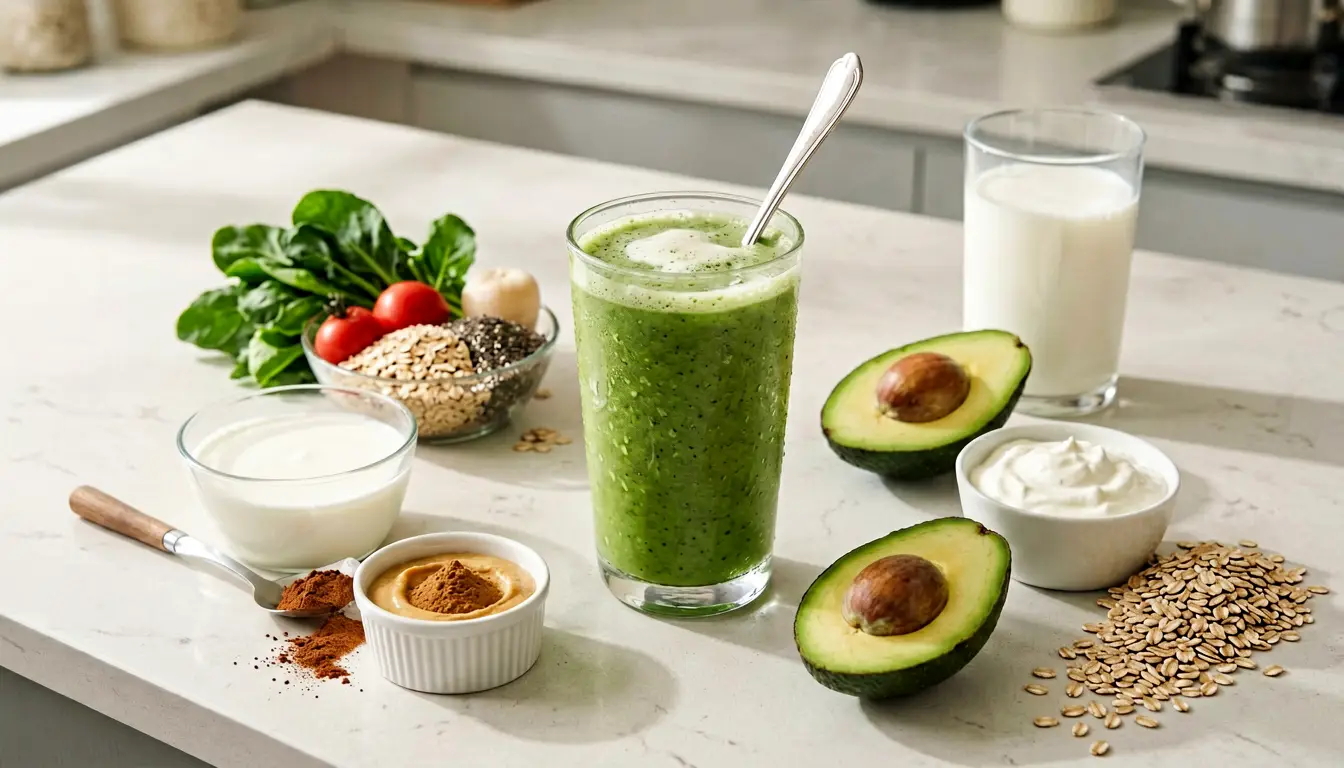
To make a high-calorie protein smoothie, choose a calorie-containing liquid, add a protein source, add fruit or oats for carbs, add a fat source, then blend until smooth. Good building blocks include milk, soy milk, Greek yogurt, silken tofu, protein powder, banana, berries, oats, peanut butter, almond butter, avocado, chia, flax, and coconut milk.
If you are trying to gain weight, the smoothie only helps if it adds calories on top of your usual intake. Drink it between meals, after training, or with breakfast instead of letting it replace food you already eat.
At a Glance
| Goal | Best Base | Best Add-Ins | Watchout |
|---|---|---|---|
| Bigger breakfast | Milk or soy milk | Oats, banana, yogurt, protein powder | Too thick if oats are not blended well |
| Post-workout | Milk, soy milk, or coffee | Protein powder, banana, berries | Avoid using only sugar and no protein |
| Dairy-free | Soy milk or oat milk | Tofu, plant protein, peanut butter, avocado | Some plant milks are low calorie |
| 1,000-calorie shake | Whole milk or soy milk | Oats, nut butter, protein powder, honey | Start smaller if digestion is an issue |
| No protein powder | Greek yogurt, kefir, tofu, cottage cheese | Oats, seeds, milk, nut butter | Protein may be lower without planning |
This is for people who need more calories, struggle with appetite, or want a more filling smoothie. Be cautious if you have diabetes, kidney disease, swallowing issues, digestive problems, or unexplained weight loss; those situations deserve personal medical guidance.
If you are using high-calorie smoothies because normal smoothie-diet advice feels too light, read Is The Smoothie Diet worth it? only as a contrast point. Weight-gain smoothies need a different structure than weight-loss meal replacements.
Why This Recipe Works
A high-calorie protein smoothie works because liquid calories can be easier to consume than another large meal. You can fit protein, carbs, fats, and fiber into one glass without chewing through a big plate of food.
Protein helps the smoothie support muscle repair and fullness. Carbs from fruit, oats, milk, or honey help with energy. Fats from nut butter, avocado, seeds, coconut milk, or oil raise calories without adding a huge amount of volume.
The texture matters too. Frozen banana, berries, oats, yogurt, tofu, avocado, and nut butter all help make the smoothie thick and satisfying instead of watery.
Ingredients
Use this mix-and-match formula:
- Liquid: whole milk, soy milk, oat milk, almond milk, coconut milk, kefir, coffee, or a commercial nutrition drink
- Protein: Greek yogurt, cottage cheese, silken tofu, pasteurized egg whites, protein powder, casein powder, soy milk, or milk powder
- Carbs: banana, berries, mango, pineapple, oats, apple, pumpkin, honey, maple syrup, or dates
- Fat: peanut butter, almond butter, cashew butter, avocado, chia seeds, flaxseed, hemp seeds, coconut milk, cream, or flaxseed oil
- Flavor: cocoa, cinnamon, vanilla, coffee, ginger, nutmeg, pumpkin pie spice, lime, or citrus
Use higher-calorie versions when weight gain is the goal. Low-fat dairy, watery plant milks, and tiny portions can make the smoothie lighter than intended.
Equipment You Need
You need a blender that can handle frozen fruit, oats, and thick ingredients. A bullet blender works for smaller smoothies. A full-size blender is better for larger shakes, double batches, and thicker blends.
Helpful extras:
- Measuring cups or a kitchen scale
- Freezer bags or jars for smoothie packs
- A large glass or shaker bottle
- Ice cube tray for freezing coffee, milk, or leftover smoothie
Step-by-Step Method
- Add the liquid first so the blender can move.
- Add soft ingredients like yogurt, tofu, avocado, or nut butter.
- Add fruit, greens, oats, seeds, cocoa, spices, and powders.
- Blend until smooth before adding more liquid.
- Add protein powder near the end if your powder gets foamy or chalky.
- Thin with more liquid or thicken with frozen fruit, oats, yogurt, avocado, or ice.
- Taste and adjust with cinnamon, vanilla, cocoa, citrus, or a small sweetener.
If you are making a very large smoothie, split it into two glasses. You do not need to force the whole thing down at once.
Time and Temperature Guide
Most smoothies blend in 1 to 3 minutes once ingredients are ready. Thick smoothies with oats, frozen fruit, or tofu may need a little longer.
Serve high-calorie protein smoothies cold. Frozen banana, frozen berries, frozen mango, ice, or chilled coffee make the texture better. If the smoothie is too thick, add liquid slowly.
Drink the smoothie when it fits your day. For weight gain, consistency matters more than perfect timing. Breakfast, after training, between meals, or evening snack time can all work.
Best Variations
1. Chocolate Peanut Butter Greek Yogurt
Blend whole milk, full-fat Greek yogurt, banana, peanut butter, cocoa, and honey. This is rich, familiar, and easy to scale up.
2. Mixed Berry Protein Shake
Blend milk or soy milk, frozen berries, Greek yogurt or protein powder, chia seeds, and honey. Add oats if you want more calories.
3. Coffee Chocolate Protein Smoothie
Blend chilled coffee, milk, chocolate protein powder, banana, oats, and peanut butter. Add more coffee if the shake gets too thick.
4. Apple Cinnamon Oat Smoothie
Blend milk, oats, apple, Greek yogurt, almond butter, cinnamon, and vanilla. This one tastes like breakfast and works well in the morning.
5. Avocado Chocolate Flax Smoothie
Blend milk or soy milk, avocado, cocoa, banana, ground flaxseed, and protein powder. Add dates if you want more sweetness.
6. Silken Tofu Blueberry Smoothie
Blend silken tofu, soy milk, blueberries, banana, honey or maple syrup, and ice. This is a good dairy-free option.
7. Pumpkin Pie Protein Smoothie
Blend milk, pumpkin puree, vanilla protein powder, banana, pumpkin pie spice, and a small graham cracker crumb topping if you want the dessert flavor.
8. Pineapple Cottage Cheese Smoothie
Blend cottage cheese, pineapple, mango, milk, and vanilla. Blend well so the cottage cheese turns smooth.
9. Big Bulking Shake
Blend milk or soy milk, oats, banana, protein powder, peanut butter, cocoa, honey, and ice. Start with one serving before turning it into a 1,000-calorie shake.
Common Mistakes
The first mistake is making the smoothie too large too soon. Big shakes can cause bloating or make you skip your next meal. Build up gradually.
The second mistake is using too little liquid. High-calorie smoothies often include oats, protein powder, nut butter, and frozen fruit, so they need enough liquid to blend.
The third mistake is relying only on sugar. Fruit, juice, honey, and sweeteners can raise calories, but protein and fat make the smoothie more balanced.
The fourth mistake is ignoring tolerance. Dairy, protein powder, fiber, chia, flax, oats, kale, and very large servings can bother some stomachs.
What to Serve With It
If the smoothie is a snack, serve it between regular meals so it adds calories instead of replacing them. If it is breakfast, pair it with toast, eggs, oatmeal, a breakfast sandwich, or leftovers if you need more food.
If appetite is low, keep the pairing small: a handful of nuts, a granola bar, peanut butter toast, hummus and crackers, or fruit with cheese can be enough.
For more complete weight-gain smoothie ideas, use these high-calorie smoothie recipes. If you need lighter smoothies for other days, see low-calorie smoothie recipes.
Storage and Reheating
Smoothies are best fresh, but you can refrigerate leftovers in a sealed jar for up to 24 hours. Shake or re-blend before drinking because thick ingredients separate.
You can freeze smoothie packs with fruit, oats, greens, and dry add-ins, then add the liquid when blending. You can also freeze leftover smoothie in cubes and re-blend with milk later.
Do not reheat these smoothies. If you want a warm protein drink, build a separate warm recipe instead of heating a fruit smoothie with yogurt or protein powder.
Frequently Asked Questions
What matters most before making high-calorie protein smoothies?
Decide whether the smoothie is a snack, breakfast, post-workout drink, or true meal replacement. That choice affects how much protein, fat, fiber, and total calories you need.
What protein sources work best in high-calorie smoothies?
Greek yogurt, cottage cheese, milk, soy milk, silken tofu, pasteurized egg whites, whey protein, casein protein, plant protein, and milk powder can all work.
Can high-calorie protein smoothies help with weight gain?
They can help when they add calories to your usual day. Weight gain still requires a consistent calorie surplus over time.
Are 1,000-calorie protein smoothies necessary?
Not always. Many people do better starting with a 400- to 600-calorie smoothie and increasing gradually. Very large shakes can be hard to digest.
Can you make high-calorie protein smoothies without protein powder?
Yes. Use Greek yogurt, kefir, cottage cheese, tofu, milk, soy milk, pasteurized egg whites, oats, seeds, and nut butter.
How do you make a high-calorie smoothie less thick?
Add more liquid slowly. Milk, soy milk, oat milk, coffee, kefir, or coconut milk can thin the smoothie while still adding calories.
When should you choose a different smoothie?
Choose a lower-calorie smoothie if you are not trying to gain weight, if the smoothie replaces too much regular food, or if a large shake causes digestive discomfort.
For blood-sugar-conscious smoothie planning, see smoothies for blood sugar control.