
As an affiliate, we may earn a commission from qualifying purchases. We get commissions for purchases made through links on this website from Amazon and other third parties.
Cold press juicers make sense for one specific kind of buyer: someone who cares enough about juice texture, lower foam, and produce yield to accept a slower, more involved machine. That is the short answer.
They are not automatically better for everyone. A cold press juicer can give you smoother juice and a more premium daily setup, but it also costs more, takes more space, and usually asks more from your routine than a fast centrifugal model.
Quick Answer
A cold press juicer is worth considering if you plan to juice often, care about lower-foam juice, and do not mind slower prep. If you mainly want quick drinks, smaller cleanup, or smoothie-style convenience, a blender or a simpler juicer may fit better.
The biggest mistake buyers make is chasing cold-press hype before thinking about real kitchen behavior. The better question is not "Is cold press best?" It is "Will I actually use this enough to justify the tradeoffs?"
What a Cold Press Juicer Actually Is
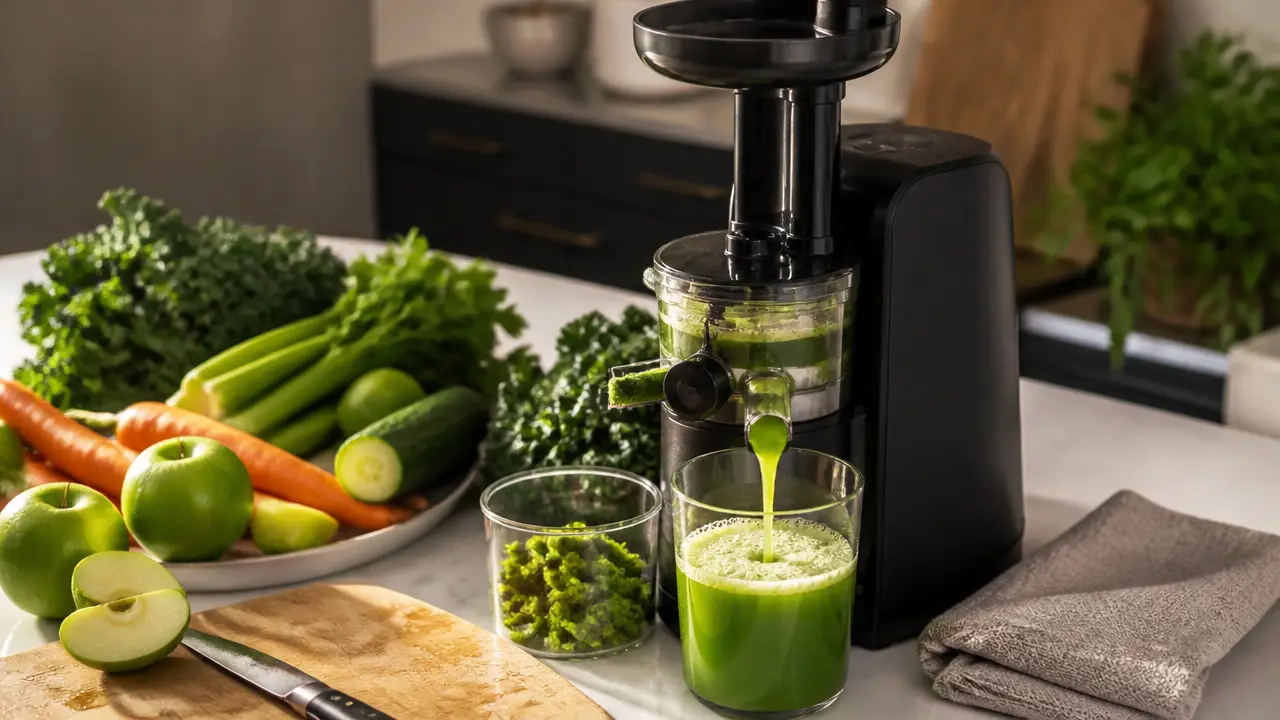
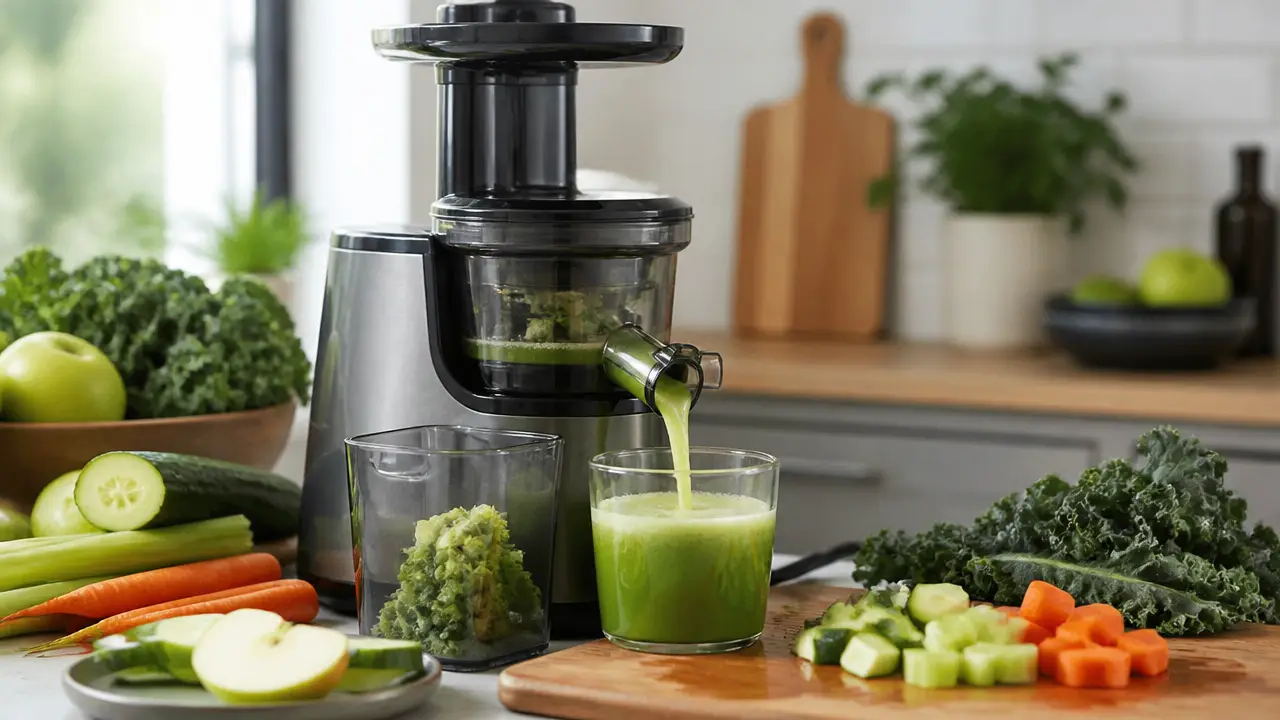
Most home cold press machines fall into the slow-juicer or masticating category. Instead of shredding produce at very high speed, they crush and press ingredients more gradually through an auger-style system. That slower approach is one reason the final juice often has less foam and a smoother mouthfeel than juice from a basic centrifugal machine.
The labels get sloppy fast in this category, though. Some brands use "cold press," "slow juicer," and "masticating juicer" almost interchangeably. The important practical point is that these machines are built around slower extraction rather than speed-first spinning.
Be cautious with the nutrition marketing. Cold-pressed juice is often sold as nutritionally superior, but the case is mixed. Processing differences can matter, but they do not automatically create a major nutrition gap across methods. That is why workflow matters more than hype in a home-buying decision.
What Cold Press Juicers Usually Do Better
Lower foam and smoother texture
This is one of the clearest practical advantages. Cold press machines are usually chosen because the juice feels calmer and less frothy, especially with greens and mixed produce.
Better produce yield
Yield is a real differentiator in juicer design. Better grinding and pressing can leave wetter or drier pulp depending on the machine, and better pressure handling often means more juice from the same produce.
Better fit for greens and mixed vegetables
Leafy greens, celery, and more fibrous ingredients are often where slower juicers feel more worthwhile. Fast juicers can still work, but the slower styles are usually framed as the stronger match when those ingredients are central.
Better batch mindset
Some of the newer self-feeding models make it easier to load more produce at once, which helps justify the slower speed. That is one reason buyers looking at the best cold press juicers often care so much about hopper size.
What They Usually Do Worse
They take more time
Slow juicers are called slow for a reason. Even when the results are better, they still ask for more patience.
They cost more
Cold press machines are usually a premium purchase. If you are not sure juicing will become a real habit, the price alone can be enough reason to wait.
Cleanup can still be annoying
Some newer machines improve this, especially the easy-clean styles. But cleanup is still one of the biggest reasons people stop using juicers consistently.
They are often overbought
A lot of people think they want a serious juicer when what they really want is a faster breakfast routine. In those cases, the best smoothie maker, the best blender for smoothies, or even the best hand juicer for oranges may solve the actual problem better.
Who Should Buy a Cold Press Juicer
A cold press juicer makes the most sense if:
- You juice more than occasionally.
- You care about texture and lower foam.
- You use greens, celery, or mixed produce often.
- You are willing to spend more for a slower but more deliberate setup.
- You have enough counter or storage space to keep the machine realistic.
It makes less sense if:
- You mainly want one fast glass of juice.
- You hate appliance cleanup.
- You mostly make smoothies, not juice.
- You are budget-sensitive and unsure whether juicing will stick.
What to Look for Before You Buy
Hopper and chute design
Large hoppers and wider chutes reduce prep friction. That can matter more than tiny spec differences because prep fatigue is one of the easiest ways to stop using the machine.
Cleanup style
Some machines still rely on screens that need more scrubbing. Others are designed around easier cleanup. If you already know you hate washing appliance parts, this should be near the top of your buying checklist.
Produce fit
If you juice mostly citrus, you do not need a cold press juicer. If you juice leafy greens and mixed vegetables, the category starts making more sense.
Footprint
A good juicer that stays in a cabinet because it is too annoying to set up is not really a good buy. Check height, width, and how much space it takes to work around it.
Price versus habit
Do not buy for your fantasy self. Buy for the version of you who will make juice on a normal Tuesday.
Common Mistakes Buyers Make
Confusing hype with fit
Cold press sounds premium, but premium is not the same as practical. The best machine is the one you will use enough to justify owning it.
Assuming slower always means much healthier
The nutrition case is more mixed than many brands imply. There may be texture and processing benefits, but the case is not strong enough to ignore convenience.
Buying too much juicer for the routine
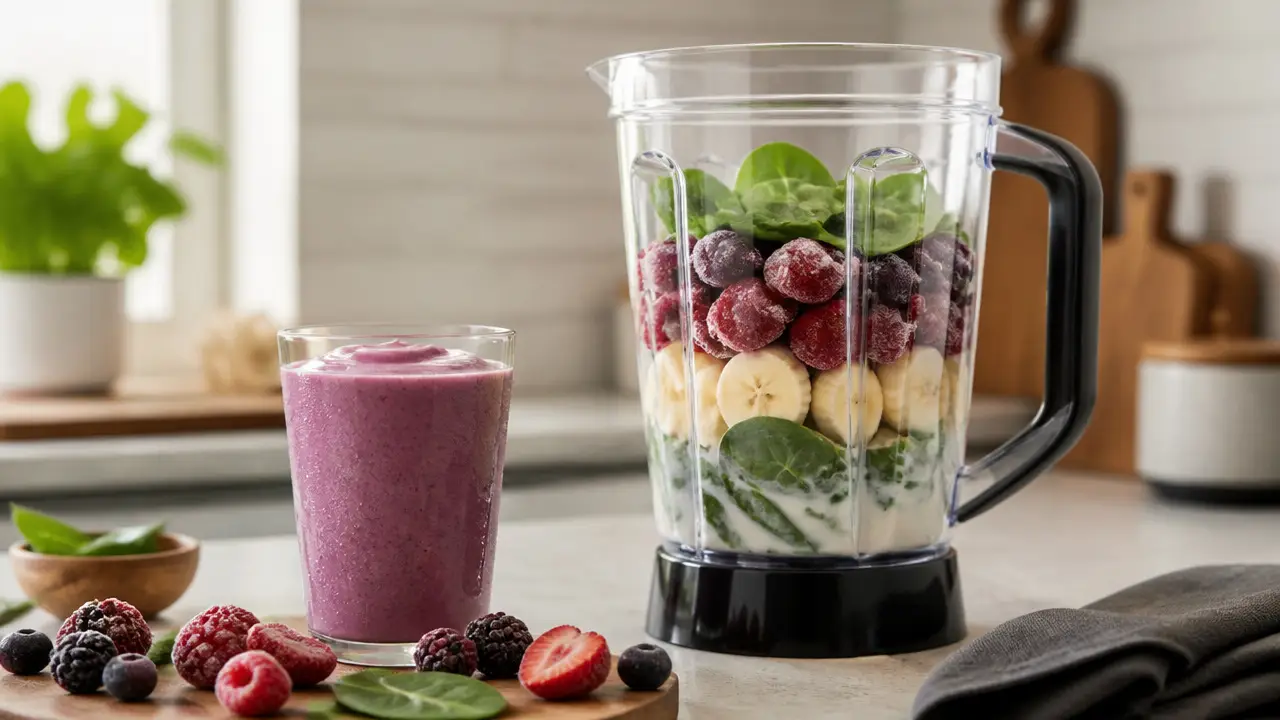
If you mostly want fruit-and-yogurt breakfasts or protein smoothies, a juicer can be the wrong appliance entirely. The best protein powders for smoothies, the best milks for smoothies, and the best frozen fruit for smoothies are often more useful.
Ignoring cleanup
This is the biggest trap. If you do not factor in washing time, you are not evaluating the real cost of ownership.
Storage and Freshness Notes
Juice is best closer to fresh. Storage can work short term, but home juice is still a perishable drink and should not be treated like shelf-stable bottled juice.
The practical takeaway is simple: make the amount you are likely to drink soon. Buying a cold press juicer does not suddenly make make-ahead juice effortless. It just changes how the juice is extracted.
Frequently Asked Questions
Is a cold press juicer better than a regular juicer?
It is usually better for lower-foam juice, smoother texture, and yield. It is not automatically better for speed, price, or low-effort use.
Is a cold press juicer the same as a slow juicer?
Often, yes in consumer buying language. Many home models marketed as cold press are slow or masticating juicers.
Are cold press juicers worth the extra money?
They can be, but only if you will use them regularly and care enough about the juice quality and workflow to justify the higher cost.
What should you not put in a cold press juicer?
Very soft ingredients that are better blended than juiced, plus anything the machine is not designed to handle well. Smoothie-style ingredients like bananas or avocados usually make more sense in a blender.
Is a cold press juicer better for greens?
Usually yes. Greens and fibrous produce are one of the clearest reasons buyers choose this category.
Should I buy a cold press juicer or a blender?
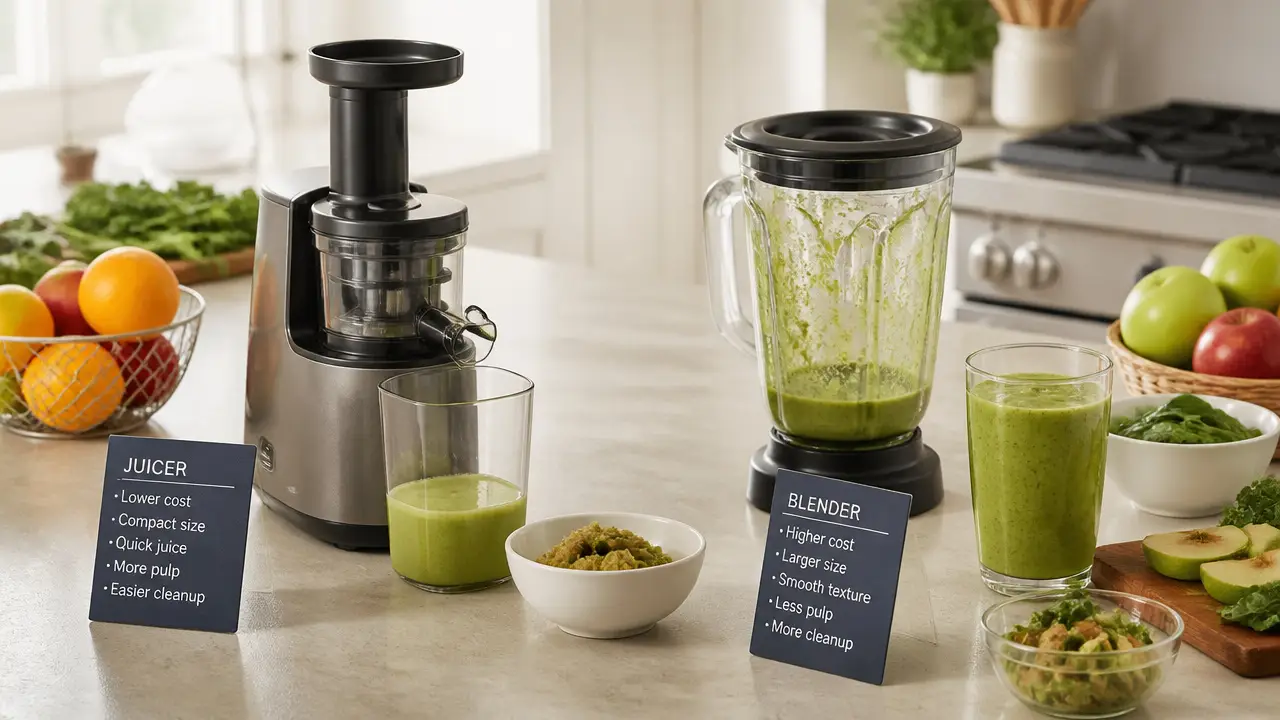
Buy a cold press juicer if you want juice and are willing to trade speed for a smoother result. Buy a blender if you want whole-food drinks with fiber, protein add-ins, and more flexibility.
If you want product picks next, read the best cold press juicers. If you are still comparing categories, the juicer worth-it guide will help you decide whether this appliance deserves space in your kitchen at all.