
As an affiliate, we may earn a commission from qualifying purchases. We get commissions for purchases made through links on this website from Amazon and other third parties.
Low-sugar smoothie ingredients should do more than remove sweetness. They should add flavor, body, color, and staying power so the smoothie still feels worth drinking.
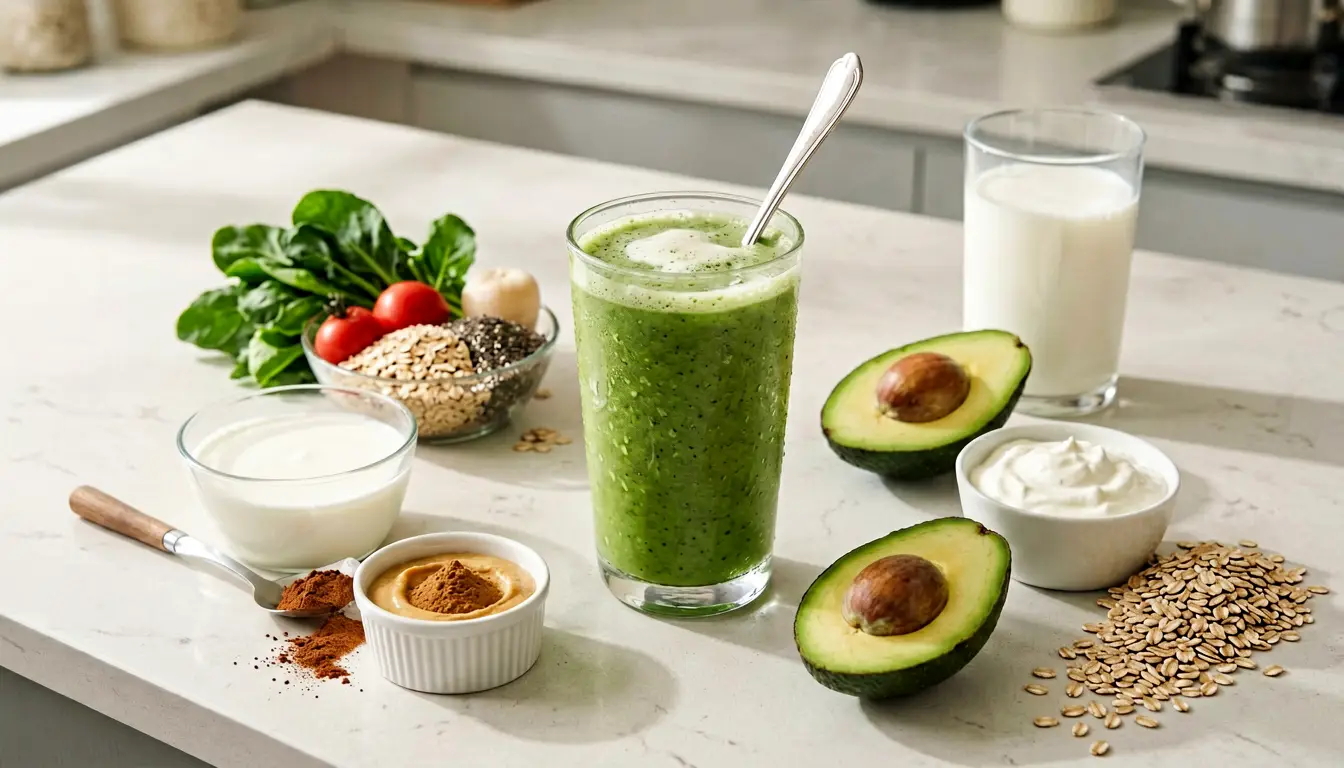
The best choices are berries, citrus, zucchini, cucumber, cauliflower, avocado, greens, unsweetened milk, plain yogurt, tofu, chia, flax, cocoa, cinnamon, ginger, vanilla, mint, and brewed tea. They help you build a smoothie that tastes bright and full without leaning on juice, syrup, sweetened yogurt, or giant fruit portions. For finished ideas, start with low-sugar smoothies for cravings.
Quick Answer
The best low-sugar smoothie ingredients are low-sugar fruits, mild vegetables, unsweetened liquids, protein, healthy fats, and bold flavor add-ins. Use berries or citrus for sweetness, zucchini or cauliflower for body, avocado for creaminess, and cinnamon, cocoa, ginger, vanilla, or mint for flavor.
Skip fruit juice, sweetened plant milk, sweetened yogurt, honey, dates, and large banana portions when low sugar is the goal. A smoothie can still taste sweet and creamy without those extras.
What It Is / When to Use It
Use low-sugar ingredients when you want a smoothie that feels balanced instead of dessert-like. They are helpful for breakfast, afternoon cravings, blood sugar awareness, lower-calorie snacks, and fruit smoothies that need more structure. For morning blends that still need to keep you full, compare these ingredients with breakfast smoothies for weight loss.
Low-sugar does not mean no fruit. It means the fruit has a job. Berries, kiwi, citrus, peach, and small apple portions bring flavor, while vegetables and protein carry the rest of the drink.
This approach is especially useful when smoothies leave you hungry, sleepy, or craving more sugar. If that happens often, read do smoothies spike blood sugar and use these ingredients to rebuild the drink.
If you are weighing a food-first approach against supplement-style blood sugar support, Gluco6 vs a low-carb diet is the better next comparison. These ingredients give you direct control over the drink before you consider adding anything else.
Best Low-Sugar Fruits
Good smoothie fruits include:
- Strawberries
- Raspberries
- Blackberries
- Blueberries
- Lemon
- Lime
- Kiwi
- Grapefruit
- Peach
- Small apple or pear portions
Use tropical fruit more carefully. Mango, pineapple, and ripe banana taste great, but they can take over the smoothie fast. Use them as accents when you want that flavor.
Mild Vegetables That Blend Well
Zucchini is one of the easiest low-sugar smoothie ingredients because it has a mild taste and creamy texture. Peel it if you want a paler smoothie, chop it, and freeze it in small bags.
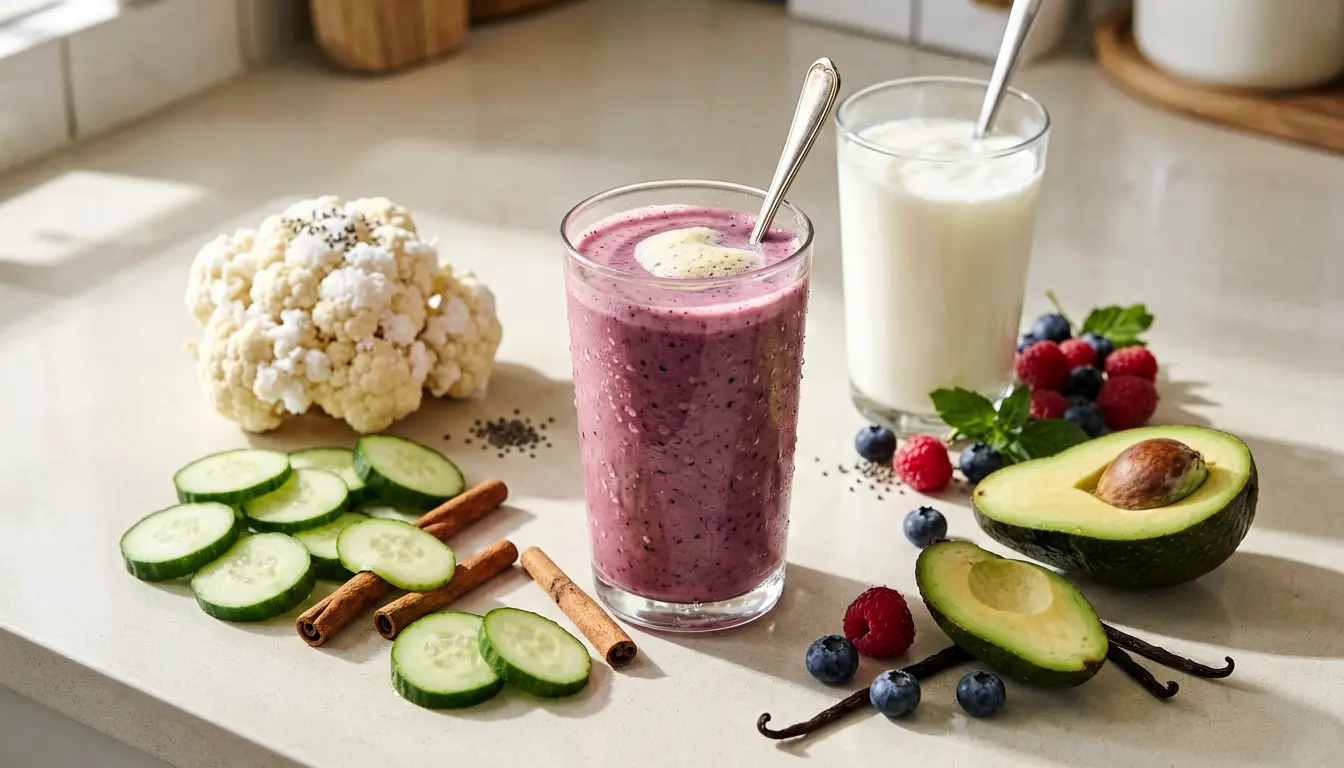
Frozen cauliflower is another good banana swap. It adds body without much flavor, especially in berry, chocolate, vanilla, and peanut butter smoothies.
Cucumber is best for fresh, light blends with lime, mint, berries, melon, or greens. Spinach is the safest green because it blends smooth and tastes mild. Kale works too, but it needs more blending and a stronger flavor partner.
Substitutes / Swaps
Instead Of Fruit Juice
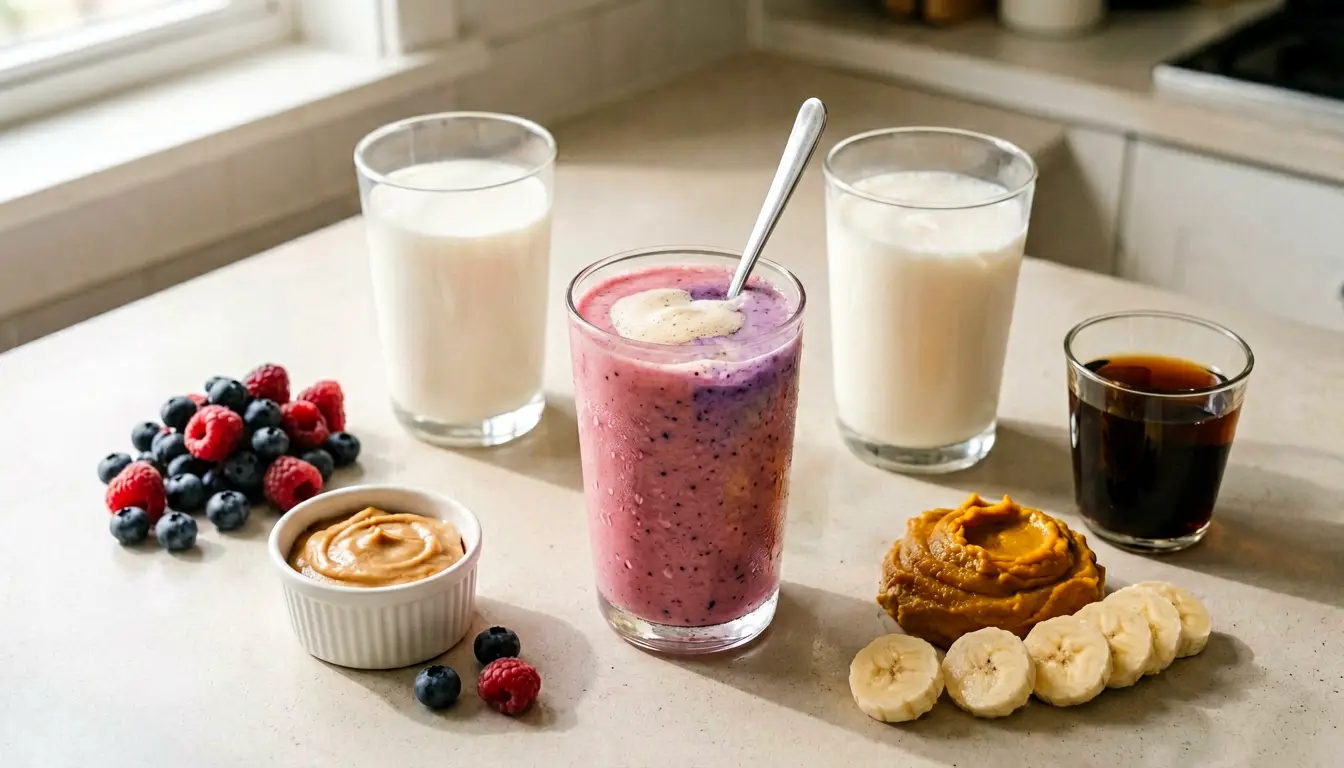
Use water, unsweetened almond milk, unsweetened soy milk, flax milk, plain kefir, coconut milk, or chilled tea. Juice adds sweetness but does not bring much staying power.
If you want a brighter smoothie, add lemon, lime, grapefruit, mint, or ginger instead of juice.
Instead Of A Full Banana
Use avocado, frozen zucchini, frozen cauliflower, Greek yogurt, tofu, or cottage cheese. These add body without making the drink as sweet.
If you still want banana flavor, use half a small banana and build the rest of the smoothie with protein and fiber.
Instead Of Sweetened Yogurt
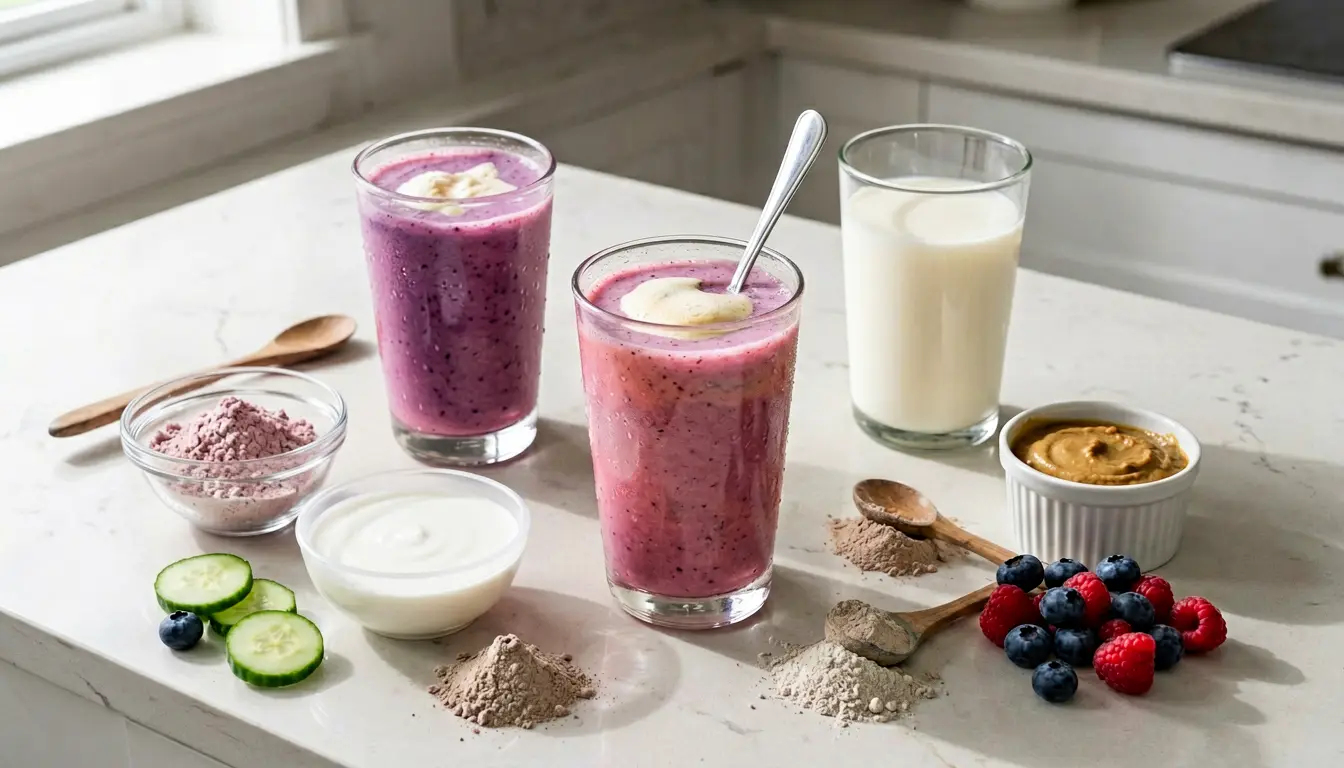
Use plain Greek yogurt, plain regular yogurt, cottage cheese, kefir, silken tofu, or protein powder with no added sugar. Sweetened yogurt can make a smoothie taste good, but it often turns a fruit smoothie into a dessert drink.
For dairy-free blends, smoothies with almond milk are an easy place to start.
Instead Of Honey Or Dates
Use cinnamon, vanilla, cocoa, almond extract, citrus zest, ginger, mint, cardamom, nutmeg, or a few extra berries. These add flavor without the same sugar load.
Dates are whole food, but they are still very sweet. Use them when you want an energy-dense smoothie, not when low sugar is the goal.
Instead Of Ice Cream Texture
Use avocado, chia, flax, frozen cauliflower, frozen berries, or a small scoop of plain Greek yogurt. Blend long enough for the texture to turn smooth and thick.
If the drink is still too thin, add less liquid next time. Most smoothie problems come from too much liquid, not too little fruit.
Prep Tips
Build low-sugar smoothies in layers. Start with liquid and greens. Blend until smooth. Add vegetables, fruit, protein, and flavorings. Blend again. Add seeds last if you like a slightly thicker texture.
Keep these freezer packs ready:
- Zucchini coins, spinach, and berries
- Cauliflower rice, blueberries, and cocoa powder
- Cucumber, lime zest, mint, and spinach
- Peach slices, zucchini, and ginger
- Strawberries, avocado cubes, and vanilla
Measure the dense add-ins. Nut butter, chia, flax, hemp hearts, avocado, and coconut milk are useful, but they can make a smoothie calorie-heavy. For most snack smoothies, start with 1 tablespoon seeds or nut butter, or 1/4 avocado.
Spices are powerful. Start small:
- 1/4 teaspoon cinnamon
- 1/4 teaspoon ginger
- A tiny pinch of nutmeg or cloves
- 1/2 teaspoon vanilla
- 1 teaspoon cocoa, then more to taste
For turmeric smoothies, use a small amount and pair it with black pepper and some fat, such as nut butter or coconut milk. Keep the flavor balanced; turmeric can turn bitter if you use too much.
Storage / Reheat / Freeze
Low-sugar smoothie ingredients are easy to prep ahead. Freeze chopped zucchini, cauliflower rice, berries, peeled avocado chunks, spinach, and herbs in small portions.
Store dry add-ins in small jars or bags:
- Chia seeds
- Ground flax
- Cinnamon
- Cocoa powder
- Protein powder
- Hemp hearts
Do not freeze everything together with liquid unless you are making smoothie cubes. Liquid expands, and thawed dairy can turn grainy.
For the best texture, blend fresh and drink right away. If you need to store a smoothie, keep it in a sealed jar in the fridge and shake it hard before drinking. Chia and flax thicken as they sit, so add a splash of liquid if needed.
Do not reheat smoothies. If the drink is too cold, let it stand for a few minutes. If it tastes flat after chilling, add lemon or lime instead of sweetener.
Frequently Asked Questions
What are the best low-sugar smoothie ingredients?
Berries, citrus, zucchini, cucumber, cauliflower, avocado, spinach, plain yogurt, tofu, chia, flax, cocoa, cinnamon, ginger, vanilla, and unsweetened milk are some of the best choices.
What can I use instead of banana in smoothies?
Use avocado, frozen zucchini, frozen cauliflower, Greek yogurt, tofu, or cottage cheese. These ingredients add creaminess without as much sweetness.
What liquid is best for low-sugar smoothies?
Unsweetened almond milk, soy milk, flax milk, water, plain kefir, and chilled unsweetened tea are good options. Avoid fruit juice when low sugar is the priority.
How do I make a low-sugar smoothie taste better?
Use strong flavor add-ins like vanilla, cinnamon, cocoa, ginger, mint, lemon, lime, or almond extract. These make the smoothie taste finished without extra sweetener.
Are carrots and beets low sugar enough for smoothies?
They can work in small amounts, especially when paired with greens, protein, and unsweetened liquid. Use them for color and flavor, not as the whole base.
Can I use protein powder in a low-sugar smoothie?
Yes. Choose a powder with little or no added sugar, and make sure it fits your dietary needs. If you have diabetes, kidney disease, or a strict protein target, ask your clinician for guidance.
What should I avoid in low-sugar smoothies?
Avoid fruit juice, sweetened plant milk, sweetened yogurt, honey, maple syrup, dates, large bananas, big mango portions, and syrupy add-ins.
For more planning help, use smoothies for blood sugar control when glucose response matters, low-calorie smoothies when calories matter more, smoothies without bananas if banana is the problem, and smoothies with oat milk if you want a creamier base and can fit the carbs.