
As an affiliate, we may earn a commission from qualifying purchases. We get commissions for purchases made through links on this website from Amazon and other third parties.
A smoothie tastes good when the flavor is clear, the sweetness feels balanced, and the texture matches what the drink is trying to be. Most bad smoothies are not missing one magic ingredient. They are missing balance.
Good smoothies usually taste like a clear idea. Bad ones taste like leftovers from the fruit drawer with too much liquid.
If you are starting with fruit choice, smoothie fruits that blend well make the flavor easier to control from the beginning.
Quick Answer
Smoothies taste good when they balance sweetness, brightness, creaminess, and texture. Ripe fruit, the right amount of liquid, one clear main flavor, and a matching texture usually matter more than long ingredient lists.
A smoothie that tastes good usually has contrast. Sweet fruit needs brightness. Watery fruit needs body. Thick ingredients need enough freshness so the drink does not feel flat.
For sweetness specifically, what makes smoothies sweet helps you add flavor without turning the drink heavy.
What It Is / When to Use It
This question matters when your smoothie is not exactly bad but still does not feel right. It may be bland, muddy, too sweet, too thin, or oddly heavy.
The fix is usually not to keep adding random boosters. It is to check whether the smoothie has a clear fruit lead, enough structure, and enough contrast to stay interesting.
If the fruit pairing is the issue, the guide to fruit combinations that need more care can stop the flavor from getting muddy.
Substitutes / Swaps
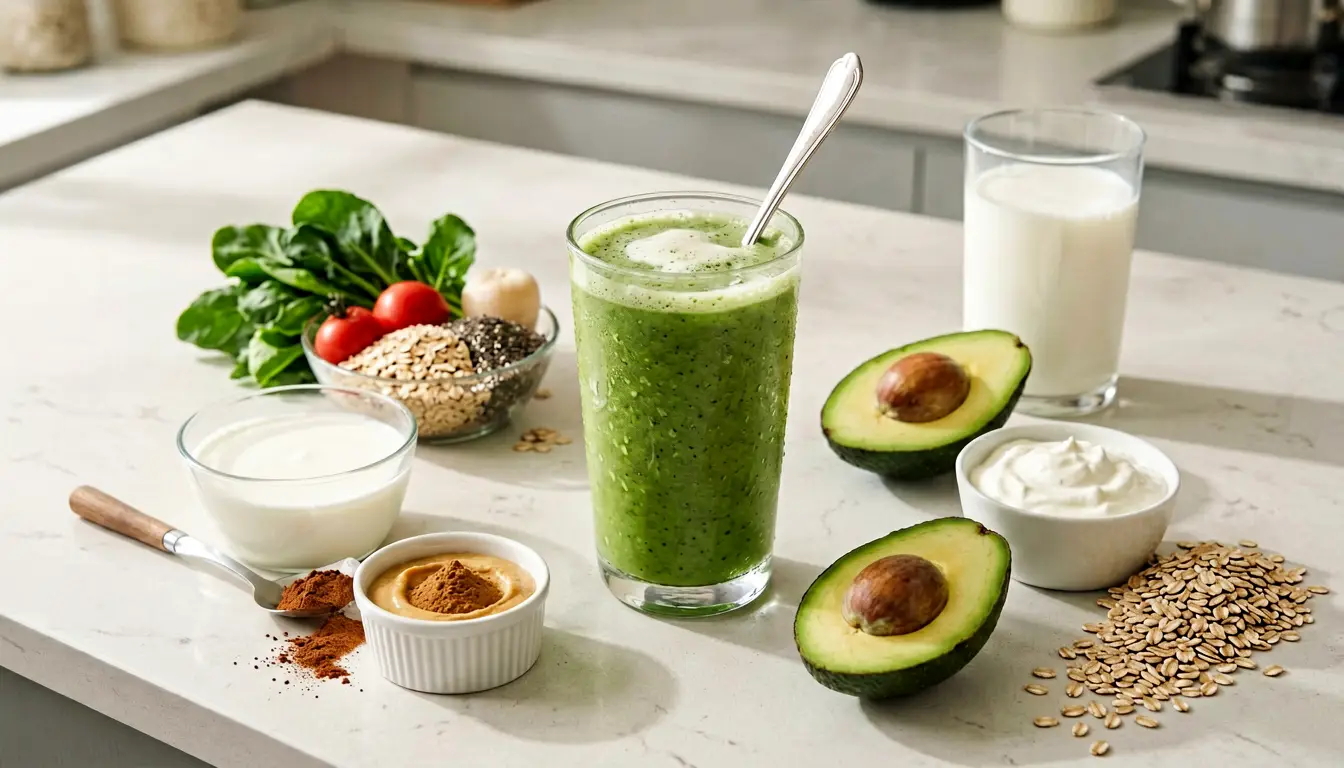
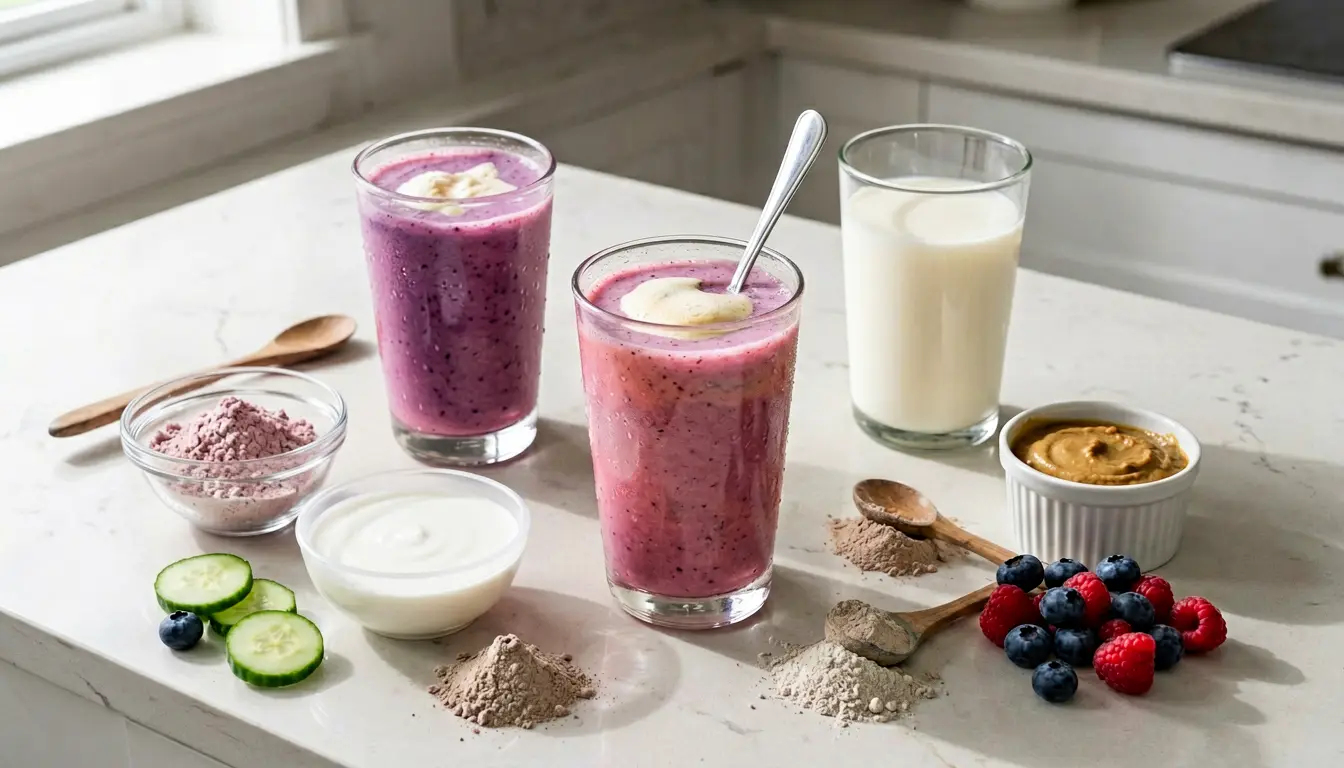
If the smoothie tastes flat, add berries, kiwi, pineapple, citrus, or plain yogurt for brightness. If it tastes too sharp, use banana, mango, peach, or a creamier liquid. If it feels thin, use frozen fruit, yogurt, oats, or avocado.
If the smoothie is crowded, take ingredients out. Simpler smoothies often taste better because the fruit can still be recognized.
When the problem is texture rather than flavor, creamier smoothie ingredients can make the same fruit taste more finished.
Prep Tips
Use one lead fruit and one support fruit. Keep the liquid measured. Use frozen fruit when possible so the smoothie stays cold and full-bodied.
Taste in layers as you build. Ask whether the smoothie needs sweetness, tang, creaminess, or thickness before adding anything.
If body is the missing piece, thicker smoothie ingredients can make the flavor feel fuller without adding more sugar.
Storage / Reheat / Freeze
Smoothies taste best close to blending, when the flavor is cold and the texture has not started to separate. Freezer packs can help keep that fresh result easier to repeat.
If the smoothie sits, shake or reblend it before judging the flavor too quickly. Separation can make the first sip misleading.
For repeatable flavor, the best way to make smoothies keeps liquid, order, and texture from changing every time.
Frequently Asked Questions
What is the biggest reason smoothies taste bad?
Too much liquid, too many ingredients, or poor balance between sweetness and freshness are common reasons.
Does texture affect smoothie flavor?
Yes. A smoothie can taste less enjoyable if it is too watery, too icy, or too thick for the flavor it has.
What fruit combinations taste best in smoothies?
Simple combinations like strawberry banana, mango pineapple, blueberry banana, and peach berry often work well because they balance flavor and texture.
Why do some smoothies taste muddy?
They often include too many fruits or too many extras that blur the main flavor.
How do I improve smoothie flavor without sugar?
Use riper fruit, better fruit combinations, and balancing ingredients like citrus, berries, yogurt, or a creamier base when needed.
If the smoothie is too sweet, fix the sweetness balance before adding more ingredients. If it feels watery, the watery smoothie guide will help the flavor hold together.