
As an affiliate, we may earn a commission from qualifying purchases. We get commissions for purchases made through links on this website from Amazon and other third parties.
Yes, you can make smoothies with water. The better question is whether water matches the kind of smoothie you want. Water can work very well in lighter fruit smoothies, but it usually gives a thinner and less creamy result than milk, yogurt, or richer plant bases.
That does not make water wrong. It just means it does a different job. If you want the comparison after this, milk versus water in smoothies is the direct companion page.
If you are choosing water because you want a lighter drink, keep the fruit bright and the texture cold. Water works best when the smoothie still has enough flavor to stand on its own.
Quick Answer
Yes, smoothies can work with water, especially when the fruit already has strong flavor and enough body. Water keeps the smoothie lighter, cheaper, and cleaner tasting, but it does not do much to help creaminess.
If you use water, you usually need frozen fruit or another thickening ingredient so the smoothie does not feel flat or watery.
What It Is / When to Use It
Water works best when you want a fresh fruit smoothie that tastes light and easy to drink. It can be a good match for watermelon, berries, citrus, pineapple, mango, or smoothies where you want the fruit to stay very clear.
It works less well when the smoothie needs to feel creamy, filling, or breakfast-like. In those cases, milk, plant milk, yogurt, or coconut milk usually fits better.
For a crisp, juicy direction, watermelon smoothies show where water can make sense. For a softer breakfast glass, milk-based smoothies are usually easier to make creamy.
Substitutes / Swaps
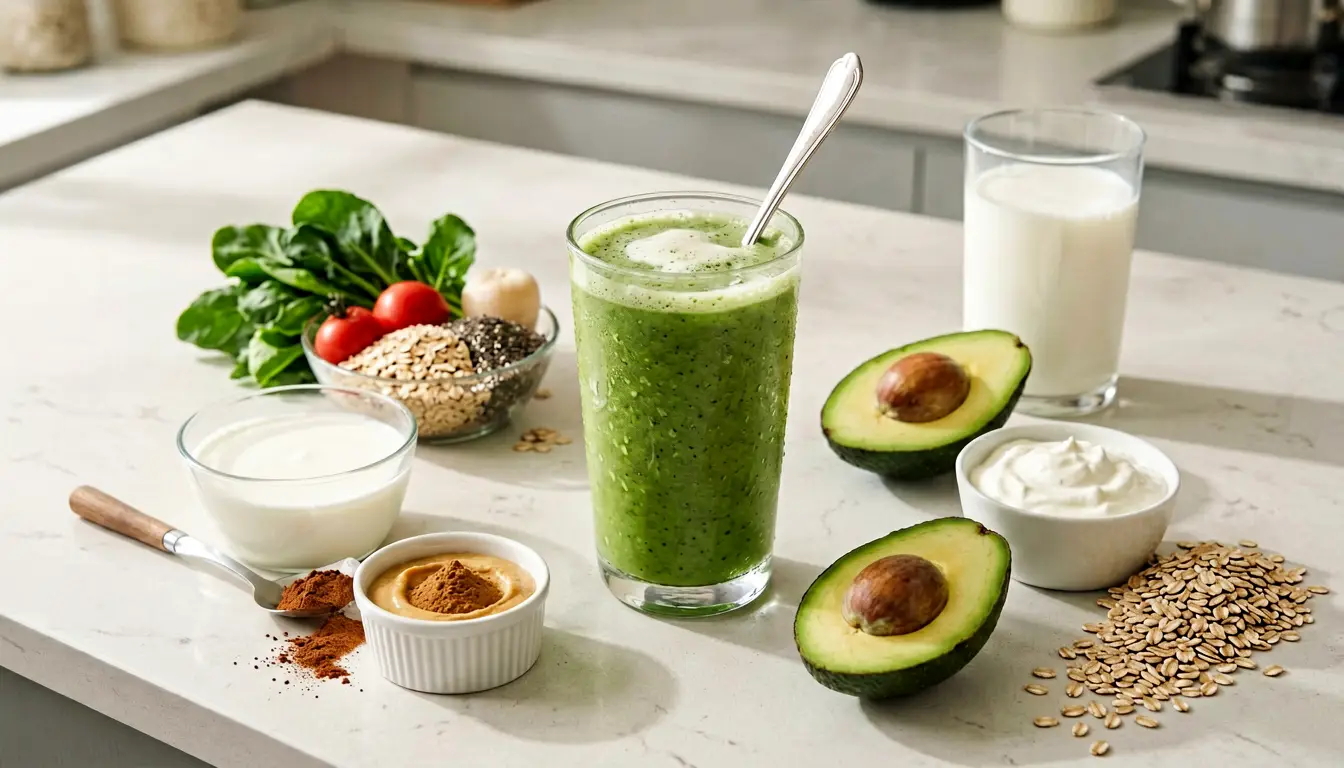
If plain water makes the smoothie feel too thin, use coconut water for a little more flavor or try a half-water, half-milk approach. Another easy fix is to keep water as the base but use frozen banana, mango, avocado, oats, or chia to improve the texture.
If the fruit is already watery, switching from water to milk or yogurt may help more than adding extra thickening ingredients.
If you want dairy-free creaminess, oat milk or coconut milk may fit better than plain water. For the texture side, creamy smoothie body is the thing to solve first.
Prep Tips
Start with less water than you think you need. Fruit releases liquid as it blends, especially melon, orange, pineapple, and berries. Frozen fruit matters more when water is the base because it helps replace the body that milk or yogurt would normally add.
If the smoothie tastes weak, the issue is often not the water itself. It is too much water. Fix a watery smoothie base and choose flavor boosters that make smoothies taste good before adding more sweetener.
A high-powered smoothie blender can also help because frozen fruit and greens blend smoother with less added liquid.
Storage / Reheat / Freeze
Water-based smoothies can separate a little faster because they are often lighter and thinner to begin with. Store them cold in a sealed jar and shake before drinking. Reheating does not apply here.
Freezing the ingredients before blending usually works better than trying to fix a weak water-based smoothie afterward.
If water-based smoothies are part of a plan to keep breakfast lighter, read the Smoothie Diet review before assuming a set plan will match the texture and fullness you want.
Frequently Asked Questions
Do smoothies taste worse with water?
Not always. Water works fine in some fruit-forward smoothies, but it usually makes the smoothie lighter and less creamy.
What fruits work best with water in smoothies?
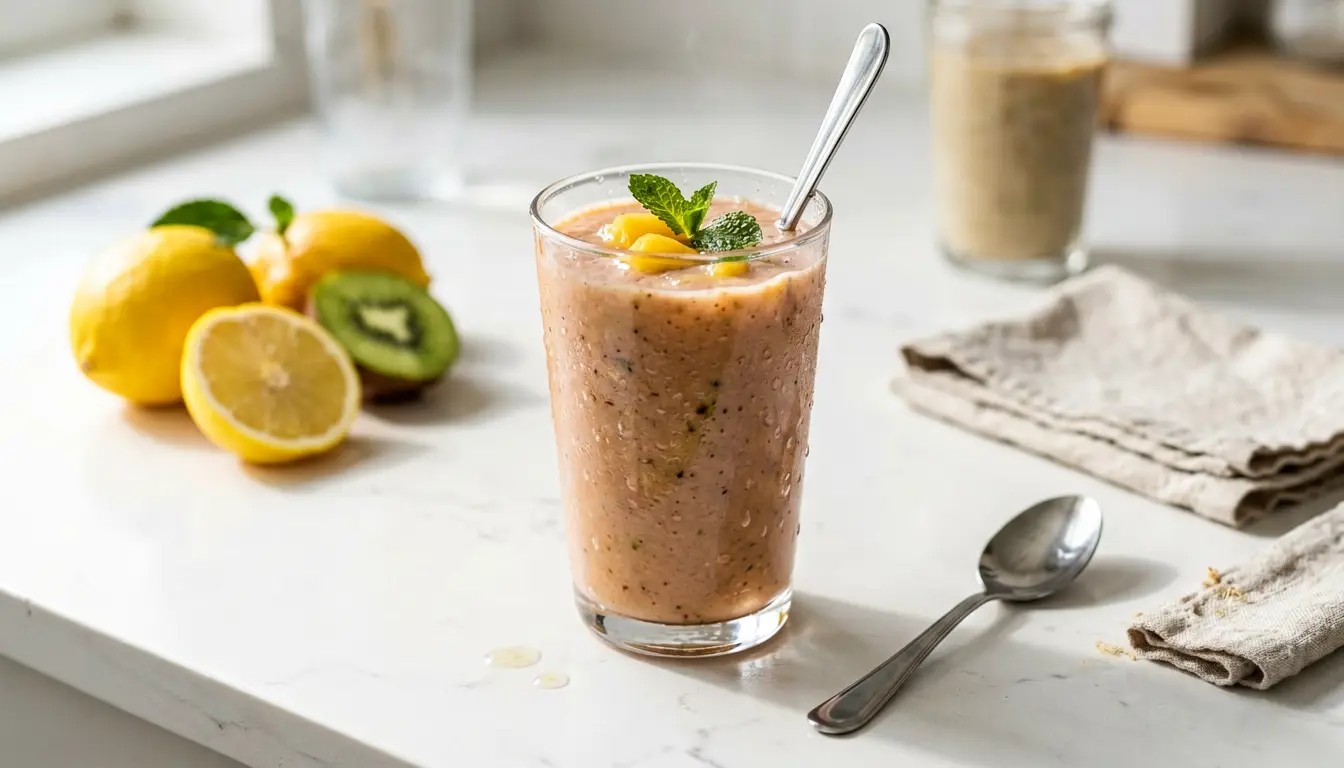
Berries, mango, pineapple, orange, kiwi, and watermelon usually work well because they bring strong flavor on their own.
How do I make a water smoothie thicker?
Use frozen fruit, banana, avocado, oats, chia, or another ingredient that adds body without changing the base.
Is water better than milk for a low-calorie smoothie?
Water can be lighter, yes, but it also changes texture and fullness. Whether it is better depends on the kind of smoothie you want.
When should I not use water in a smoothie?
Avoid it when you want a rich breakfast smoothie or when the fruit is already very watery and the drink needs more body, not less.
For the broader base decision, what to make smoothies with helps you compare liquid, fruit, and blender setup without treating water as the only variable.