
As an affiliate, we may earn a commission from qualifying purchases. We get commissions for purchases made through links on this website from Amazon and other third parties.
Smoothies can be useful, but living off smoothies alone is a much bigger question than most people mean when they ask it. A smoothie can be a convenient breakfast, snack, or occasional meal stand-in. That is very different from trying to rely on blended drinks for everything.
In everyday terms, smoothies work best as one tool in a broader way of eating. They are less convincing as the whole plan.
For a more realistic version of the question, using smoothies as meal replacements is easier to judge than trying to turn every meal into a drink.
Quick Answer
Smoothies can be part of your routine, but relying on smoothies alone is usually not the strongest long-term plan. They work better as one flexible option among meals and snacks rather than the only format you use.
If you like smoothies, the more practical question is how to use them well, not how to live on them completely.
What It Is / When to Use It
This question often comes from wanting convenience, simplicity, or a reset. Smoothies can help with those goals because they are quick and easy to customize.
But using them for every eating occasion can become repetitive, less satisfying, and harder to balance than it sounds at first.
The everyday nutrition issue is variety. A normal eating pattern has room for different textures, protein foods, grains, vegetables, fruit, dairy or alternatives, and fats. A smoothie can include some of those, but it is still one format.
Substitutes / Swaps
Instead of trying to live off smoothies, use them for the parts of the day where they help most, such as rushed mornings or quick snacks. Pair them with regular meals the rest of the time.
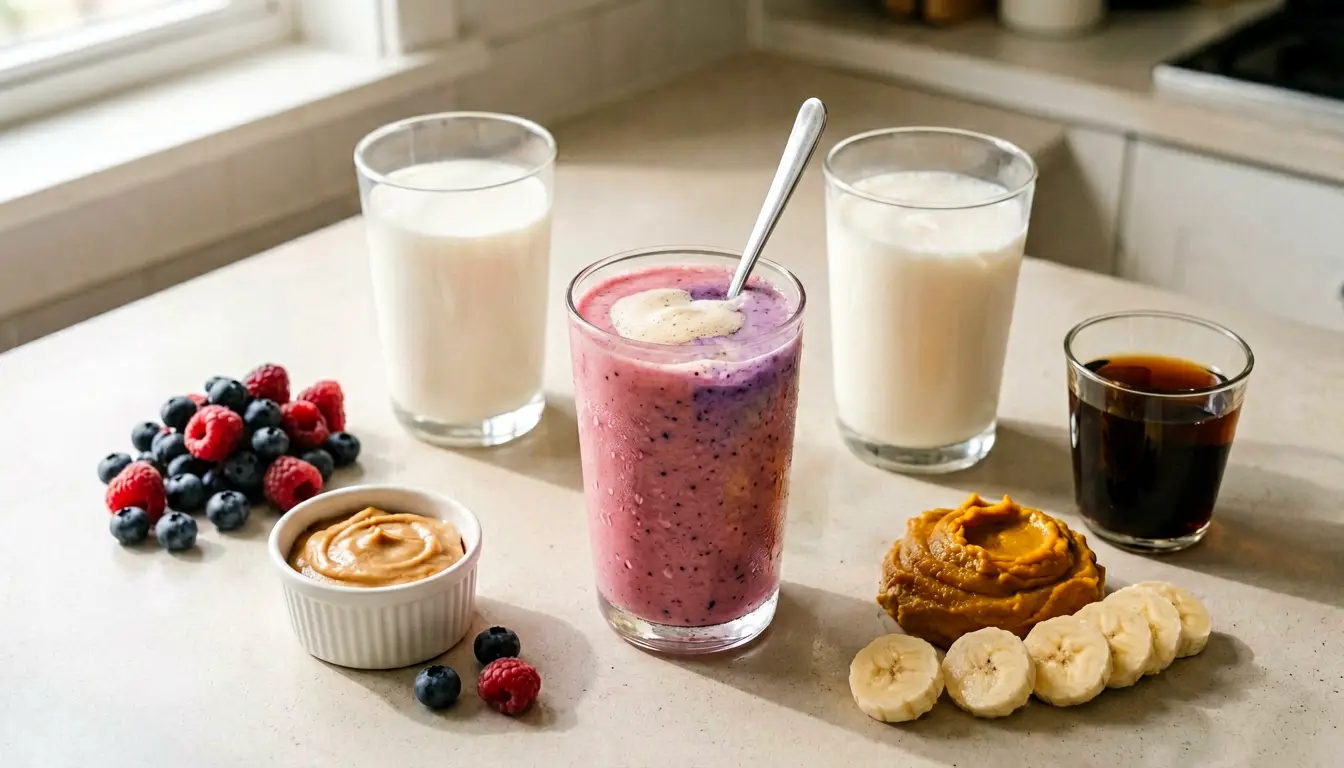
If you want them to do more work, build them better with ingredients that improve fullness and balance.
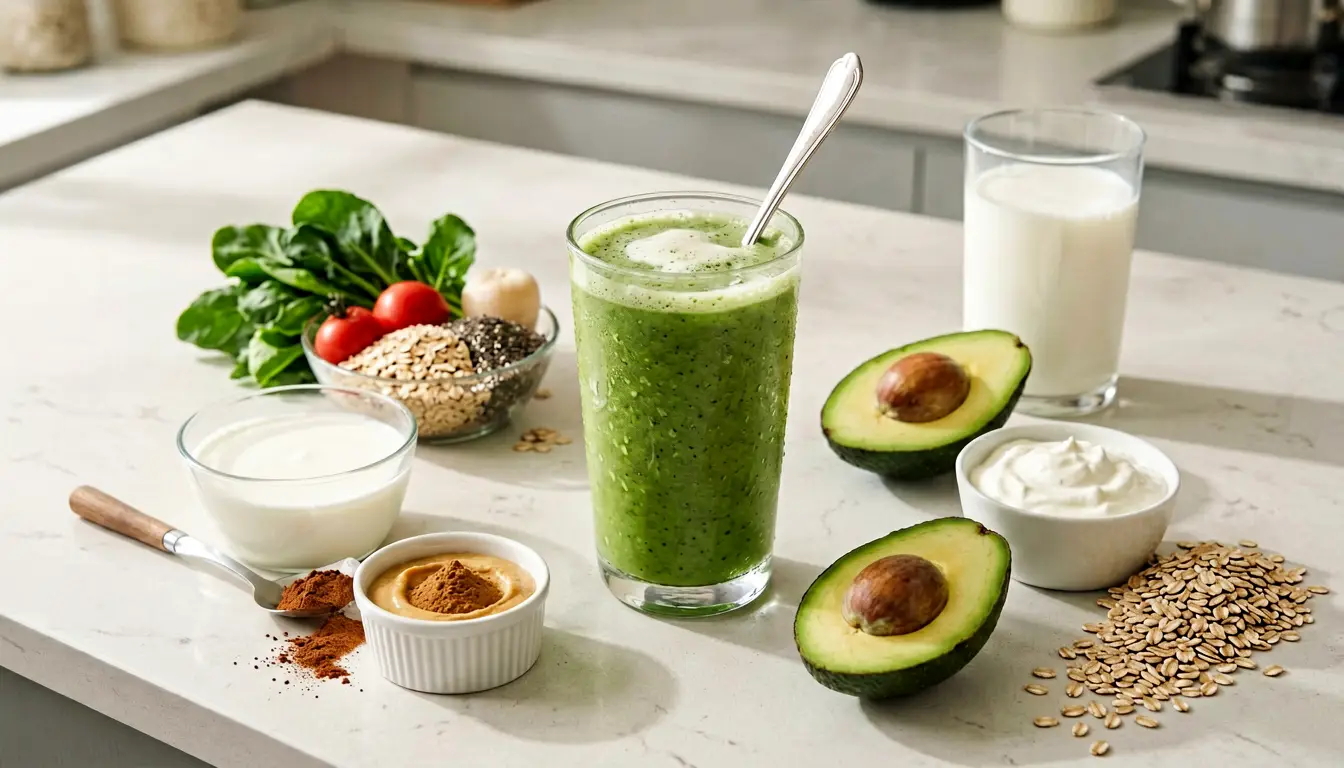
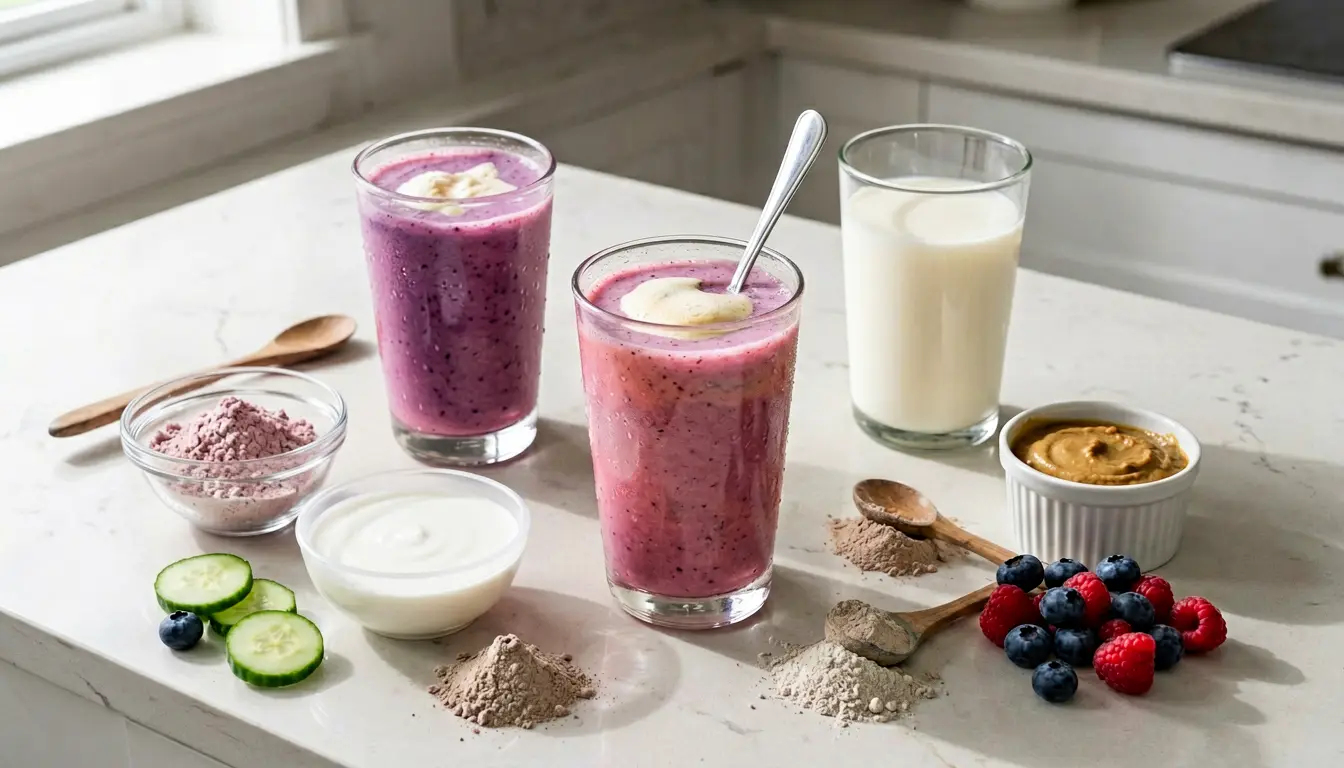
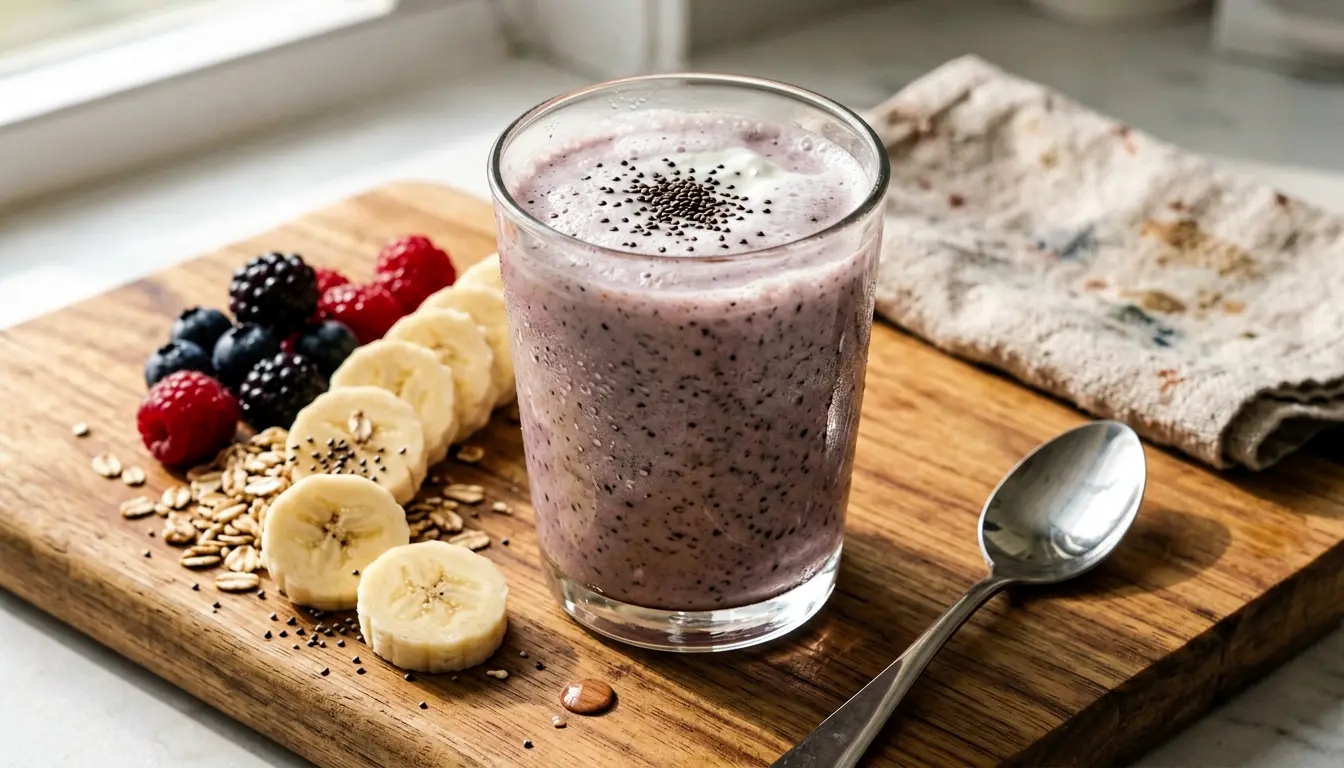
For a fuller glass, oat-based smoothies, cottage cheese smoothies, and protein smoothie add-ins can make one smoothie more meal-like without making smoothies your whole diet.
Prep Tips
Keep smoothies practical. Use them where they save time or make fruit and other useful ingredients easier to eat. Avoid turning them into an all-day rule unless you have a very specific reason and professional guidance.
Variety matters too. Repeating the same sweet smoothie all day can get old fast.
If a structured smoothie plan is what has you thinking this way, compare The Smoothie Diet with homemade smoothies before paying for a routine that may be more restrictive than you need.
Storage / Reheat / Freeze
If smoothies are part of a busy routine, prep packs make more sense than trying to store several finished smoothies. That keeps quality higher and the process easier.
A good smoothie system is usually more sustainable than a smoothie-only plan.
For make-ahead ease, smoothie prep gives you the convenience without filling the fridge with finished drinks.
Frequently Asked Questions
Can smoothies replace all meals?
They can sometimes replace a meal, but relying on them for everything is a much bigger and more limiting approach.
Why do people want to live off smoothies?
Usually for convenience, simplicity, or because smoothies feel easier than cooking.
Are smoothies enough on their own long term?
They are usually more practical as part of a routine than as the whole routine.
Is a smoothie-only approach hard to maintain?
For many people, yes. It can feel repetitive and less satisfying over time.
What is the better way to use smoothies?
Use them where they help most, such as breakfast or a quick snack, and build the rest of your eating around regular meals too.
If the question is more about purpose than survival, why drink smoothies explains where they actually help. For the stricter version, whether you can survive on smoothies alone keeps the limits clear.