
As an affiliate, we may earn a commission from qualifying purchases. We get commissions for purchases made through links on this website from Amazon and other third parties.
Smoothies may have milk, but they do not need to. Some are built around milk for creaminess, while others use water, coconut water, juice, or plant milk instead. The liquid base is a choice, not a rule.
That is why one smoothie can feel rich and creamy while another tastes light and refreshing even though both are still smoothies.
If you are choosing for texture, milk versus water in smoothies is the better question than whether milk is required.
Quick Answer
Some smoothies use milk and some do not. Milk is common in creamier smoothies, but many smoothies use water, juice, coconut water, or plant-based milk instead.
The base depends on the style of smoothie you want.
What It Is / When to Use It
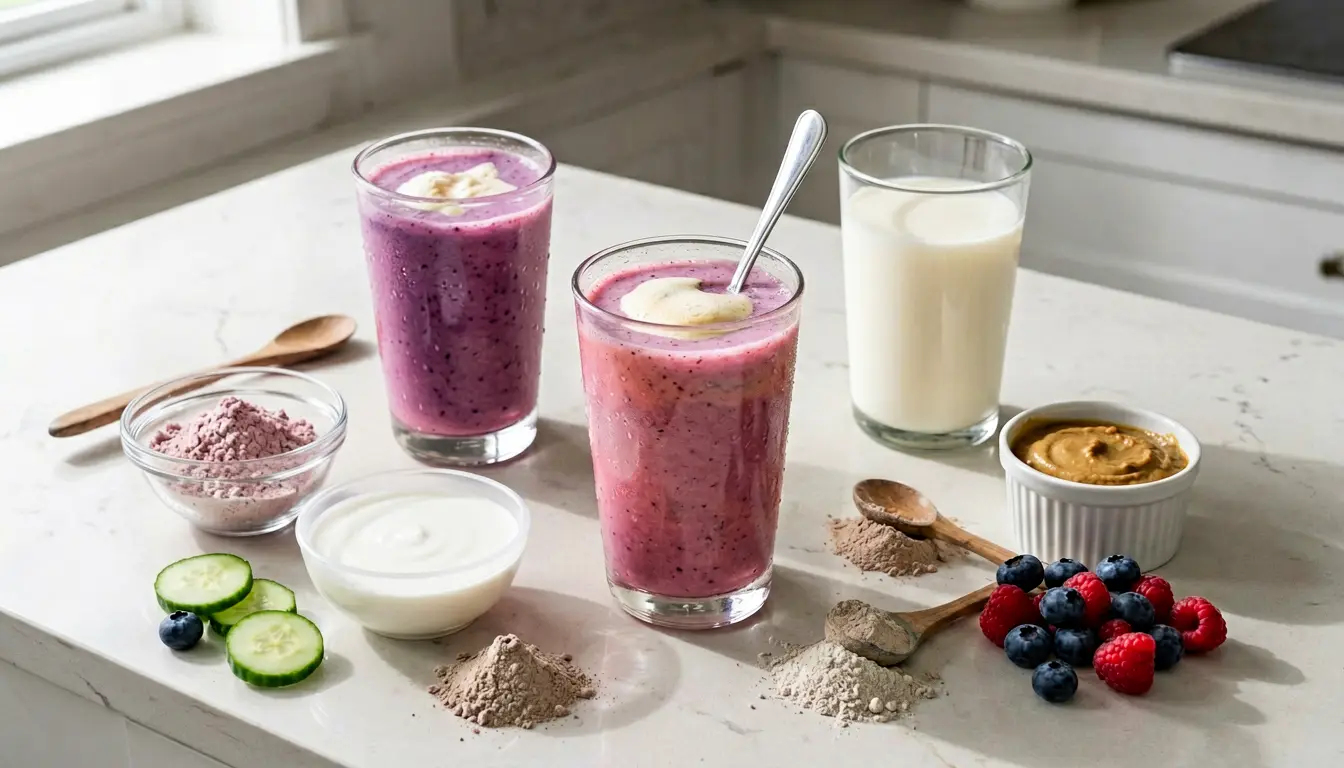
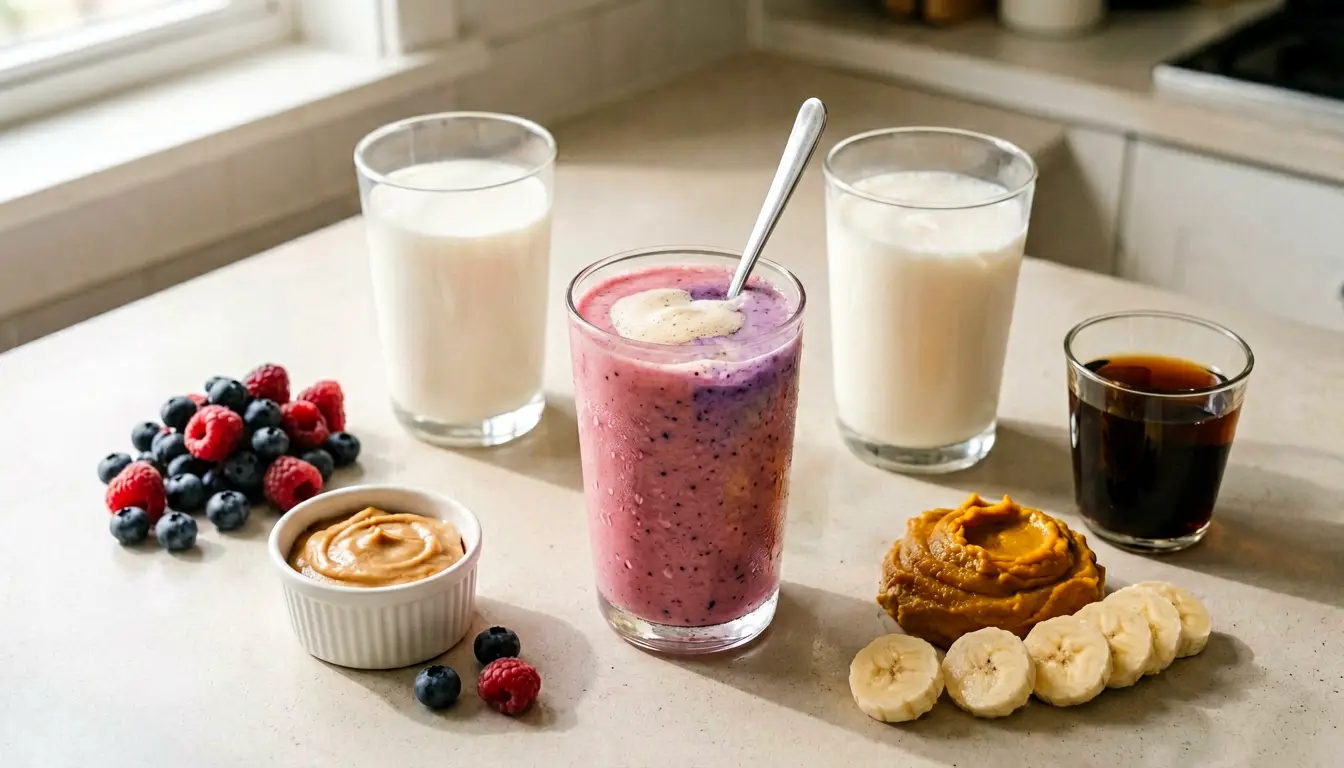
Milk is often used when the smoothie needs softness, richness, or a more breakfast-like feel. It works well with ingredients like banana, berries, oats, nut butter, and cocoa.
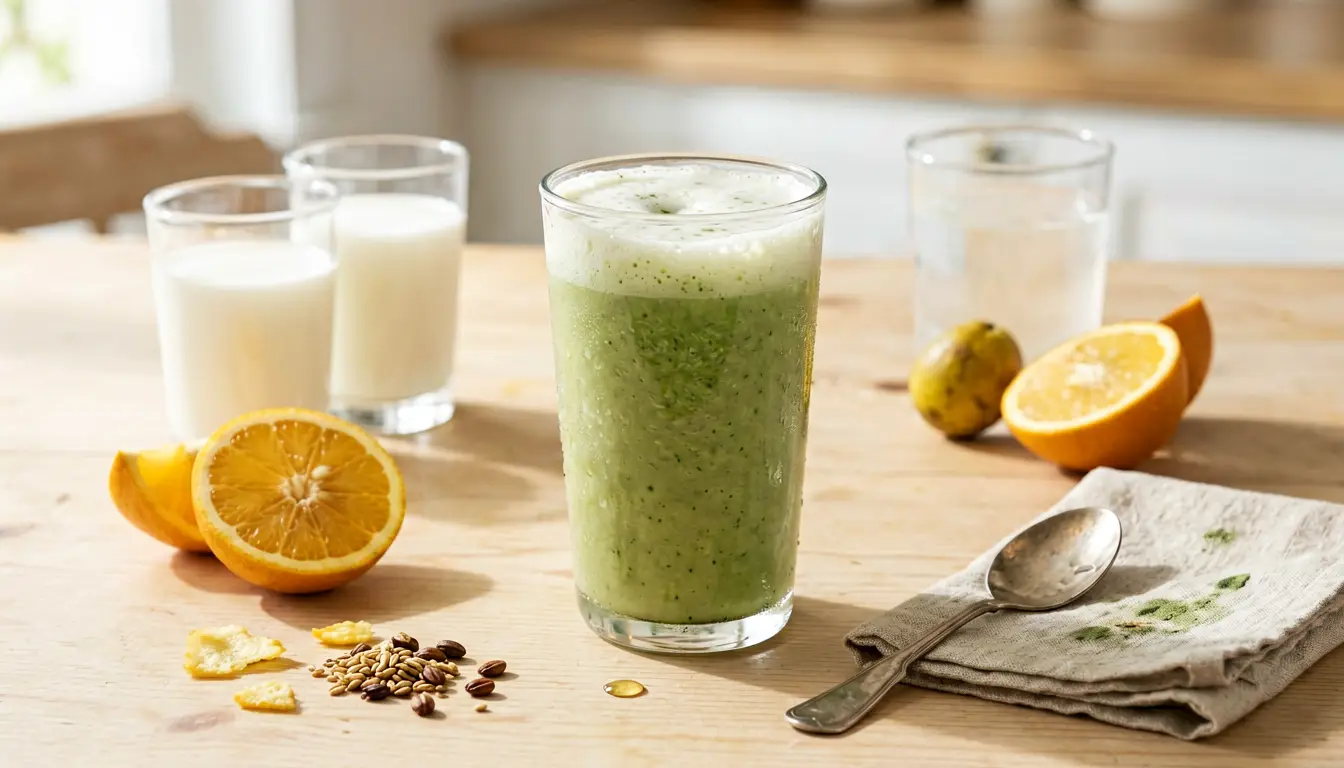
It is less necessary when the smoothie is meant to stay lighter, brighter, or more fruit-forward.
For dairy-free blends, smoothies without milk and oat milk smoothies keep the creamy option open without using dairy milk.
Substitutes / Swaps
If you do not want milk, try water, coconut water, almond milk, oat milk, or soy milk depending on the texture you want. Yogurt can also add body even if milk is not the main liquid.
If a smoothie tastes too heavy, using part milk and part water can lighten it without stripping out all the creaminess.
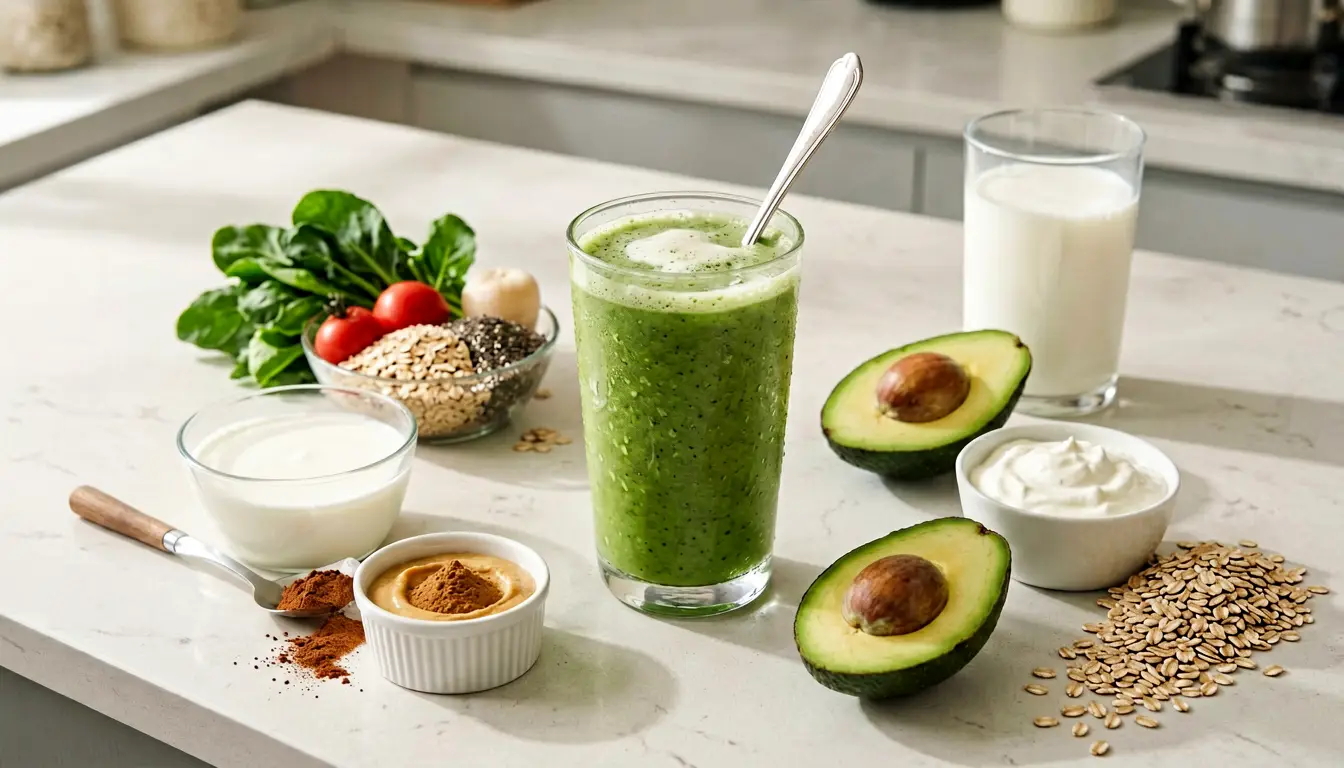
If the drink needs creaminess more than milk specifically, creamy smoothie body can come from banana, avocado, yogurt, oats, or frozen fruit.
For a protein-rich creamy base, yogurt for smoothies may matter more than the milk itself.
Prep Tips
Choose the base after deciding what the smoothie should feel like. Creamy and filling usually point toward milk or plant milk. Light and refreshing often point toward water or coconut water.
Keep the liquid controlled either way. Too much milk can still make a smoothie thin if the rest of the balance is off.
If you are buying around a daily smoothie habit, compare smoothie-friendly milks before stocking several cartons with the same texture.
Storage / Reheat / Freeze
Milk-based smoothies can be stored for a short time in the fridge, though they may separate and need a shake or reblend. Ingredient prep is often easier if you want quick weekday smoothies.
Milk does not need to go into the freezer pack ahead of time unless you are intentionally freezing the whole mixture.
For lighter blends, water-based smoothies are easier when the fruit already has enough flavor.
Frequently Asked Questions
Are smoothies usually made with milk?
Many are, but plenty are made without milk too.
Can I make a smoothie with water instead of milk?
Yes. Water can work well for lighter, fruit-forward smoothies.
Is dairy milk required for a creamy smoothie?
No. Plant milks, yogurt, banana, avocado, and other ingredients can also help.
Which smoothies tend to use milk most often?
Banana, berry, peanut butter, oat, and cocoa smoothies often use milk.
Are dairy-free smoothies still real smoothies?
Yes. The smoothie format does not depend on dairy.
For a second plain-language answer, do smoothies always have milk covers the same base question from another angle. If your smoothie still feels thin, fix the base before adding more liquid.