
As an affiliate, we may earn a commission from qualifying purchases. We get commissions for purchases made through links on this website from Amazon and other third parties.
Yes, smoothies can work with water, but only if the rest of the smoothie does enough work. Water is the lightest base, so it asks more from the fruit, texture ingredients, and frozen components around it.
That can be great when you want something bright, simple, and not too creamy. It can be disappointing when you expected a breakfast smoothie to feel full and rounded. If you want the direct yes-or-no setup, making smoothies with water is the sister page.
Quick Answer
Yes, smoothies can work with water, especially if you want a lighter fruit-forward result. Water keeps the smoothie cleaner tasting, but it does very little for creaminess or staying power.
If the smoothie feels weak with water, the fix is usually more body or stronger fruit, not just more blending.
What It Is / When to Use It
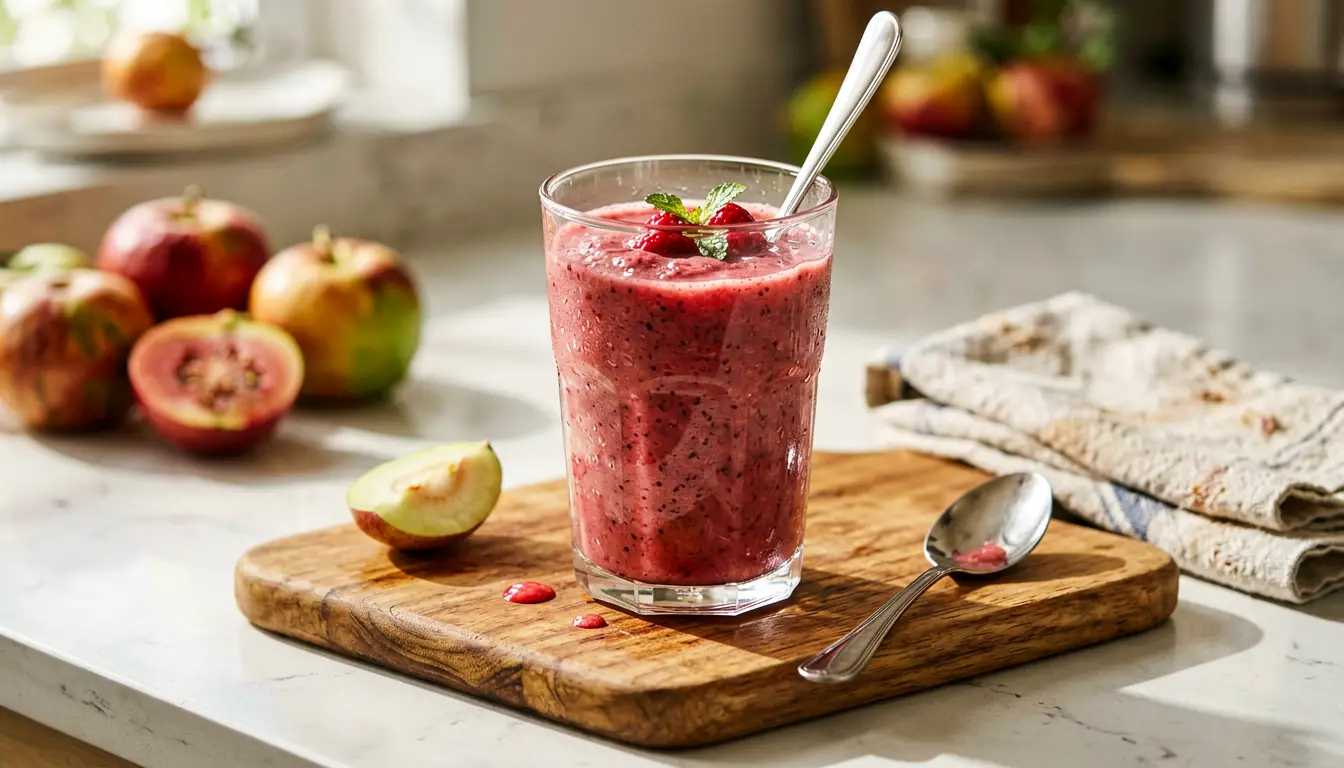
Water works best for simple fruit smoothies, lighter summer blends, and recipes where milk or yogurt would cover the fruit too much. It can also be helpful if you want to keep the ingredient list short and inexpensive.
It works less well for thick breakfast smoothies, dessert-style smoothies, or any recipe where creaminess is the whole point.
For a juicy, lighter style, watermelon smoothies show where water can make sense. For a fuller glass, milk-based smoothies are usually easier.
Substitutes / Swaps
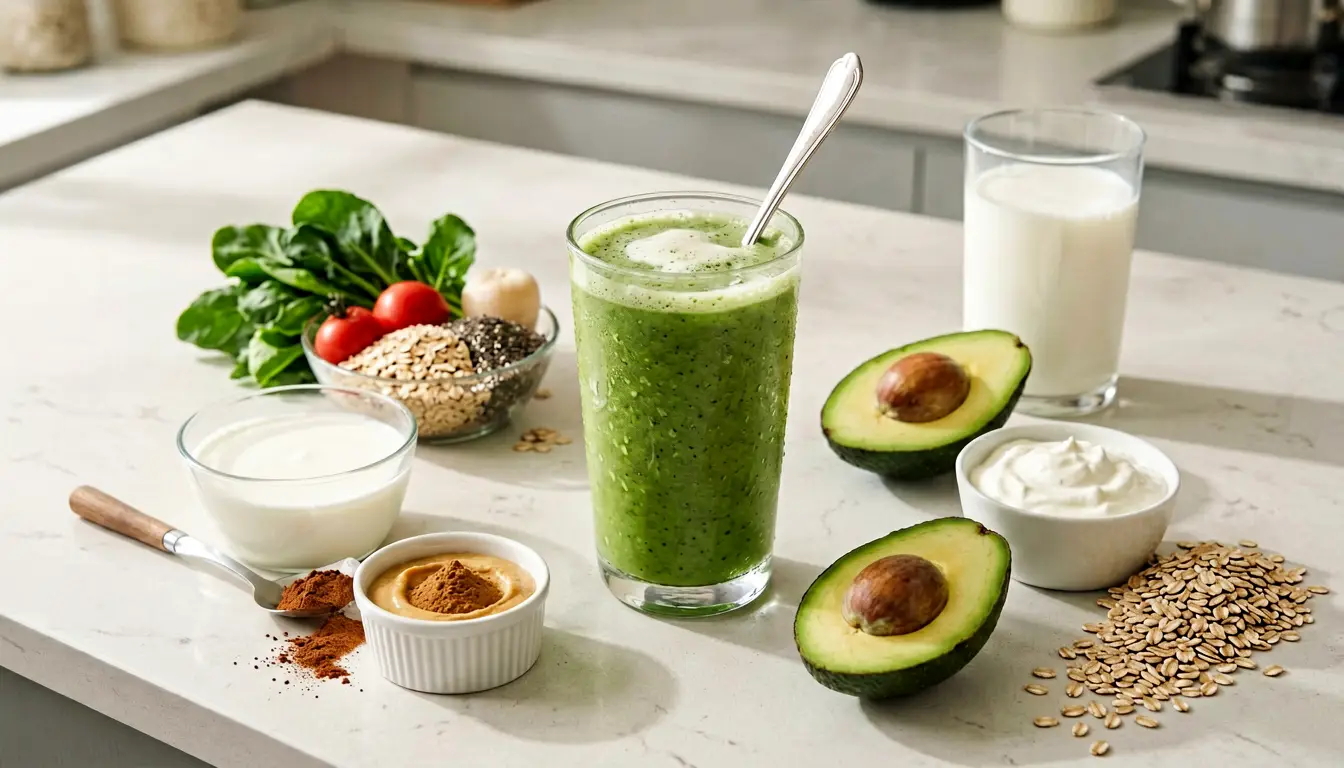
If water makes the smoothie feel too plain, try coconut water, half water and half milk, or water plus a creamy ingredient like avocado, banana, oats, or yogurt. Those swaps usually solve the texture problem faster than adding more sweetener.
If you want a comparison instead of a fix, milk versus water in smoothies is the better next question.
Prep Tips
Use frozen fruit when water is the base. That is the easiest way to keep the smoothie cold and thick enough to feel complete. Start with less water, blend, and only add more if the machine needs help.
Fruit choice matters more here than with richer bases. Mango, berries, pineapple, and banana often hold up better than very watery or very mild fruit.
If the flavor tastes weak, choose fruit that works well in smoothies before adding sweetener. If the texture is thin, fix a watery smoothie base first.
Storage / Reheat / Freeze
Water-based smoothies are usually best right away because they are often lighter and separate more quickly. Reheating does not apply. If you need to carry one, use a sealed cold container and expect a shake before drinking.
Prep packs still work well here because frozen fruit helps compensate for water's lighter texture. A stronger smoothie blender can also help frozen fruit blend smoothly with less added liquid.
Frequently Asked Questions
Are water smoothies always thinner?
Usually, yes, unless the smoothie uses enough frozen fruit or thickening ingredients to make up for the lighter base.
What makes a water smoothie still taste good?
Strong fruit, enough frozen texture, and a clear flavor path usually matter the most.
Is water better for fruit smoothies than milk?
Sometimes, especially if you want the fruit to taste brighter and cleaner. It depends on the style you want.
Can I use water in a breakfast smoothie?
Yes, but you usually need oats, yogurt, banana, avocado, or another ingredient that gives the smoothie more body.
What is the biggest mistake with water-based smoothies?
Adding too much water at the start and then trying to fix a thin smoothie later.
For creamier blends, what makes smoothies creamy explains what water cannot do on its own.