
As an affiliate, we may earn a commission from qualifying purchases. We get commissions for purchases made through links on this website from Amazon and other third parties.
How far ahead you can make a smoothie depends less on one fixed number and more on what kind of smoothie you made in the first place. Thick smoothies with yogurt, banana, oats, avocado, or nut butter usually hold longer than very watery fruit-and-water blends.
If your real goal is convenience, the best answer is often to prep smoothie ingredients ahead rather than pushing the finished drink too far. The guide to making smoothies ahead of time covers the short version when you just need the practical yes-or-no.
Quick Answer
You can often make a smoothie a bit ahead, but the farther out you go, the more the texture, color, and flavor tend to drift. A smoothie made for tomorrow morning is a different situation from one meant to sit much longer.
The best make-ahead smoothie is usually cold, thick, well sealed, and made with ingredients that can handle some settling without turning watery.
What You Need
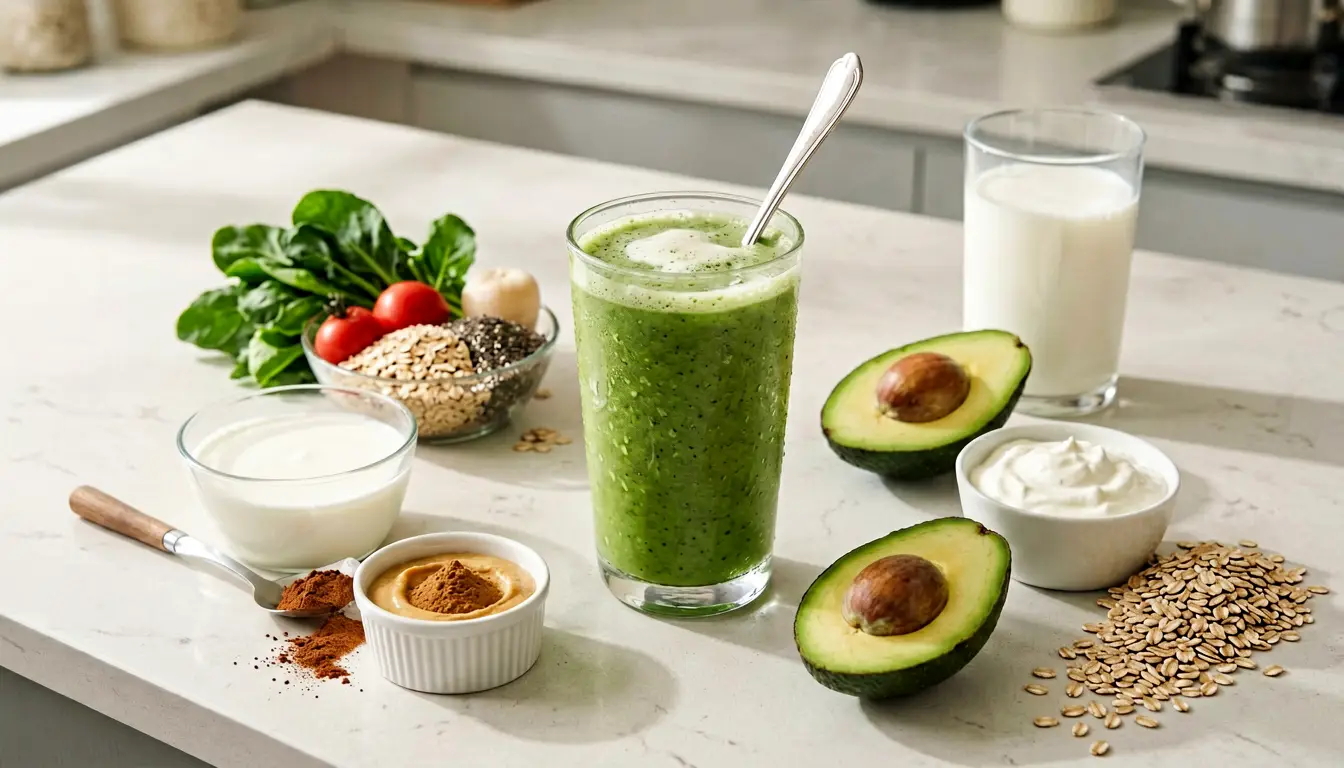
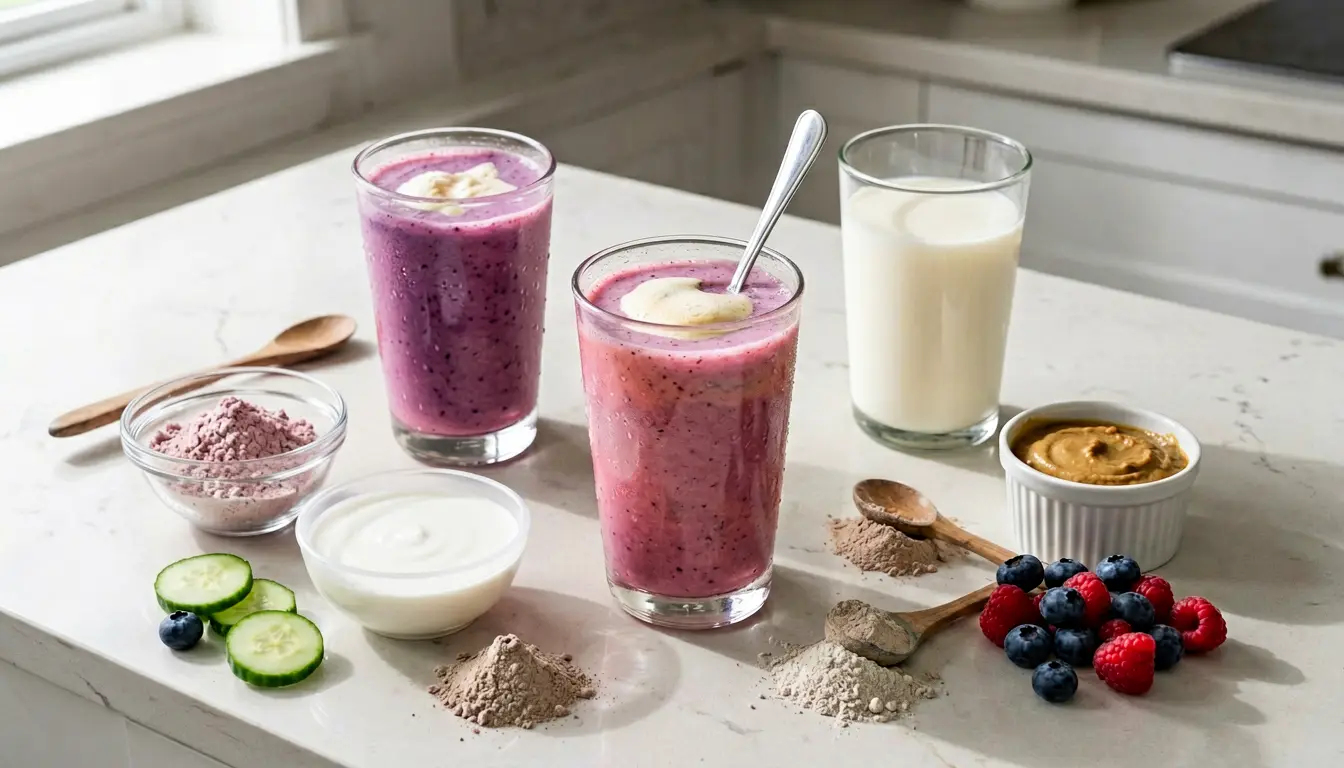
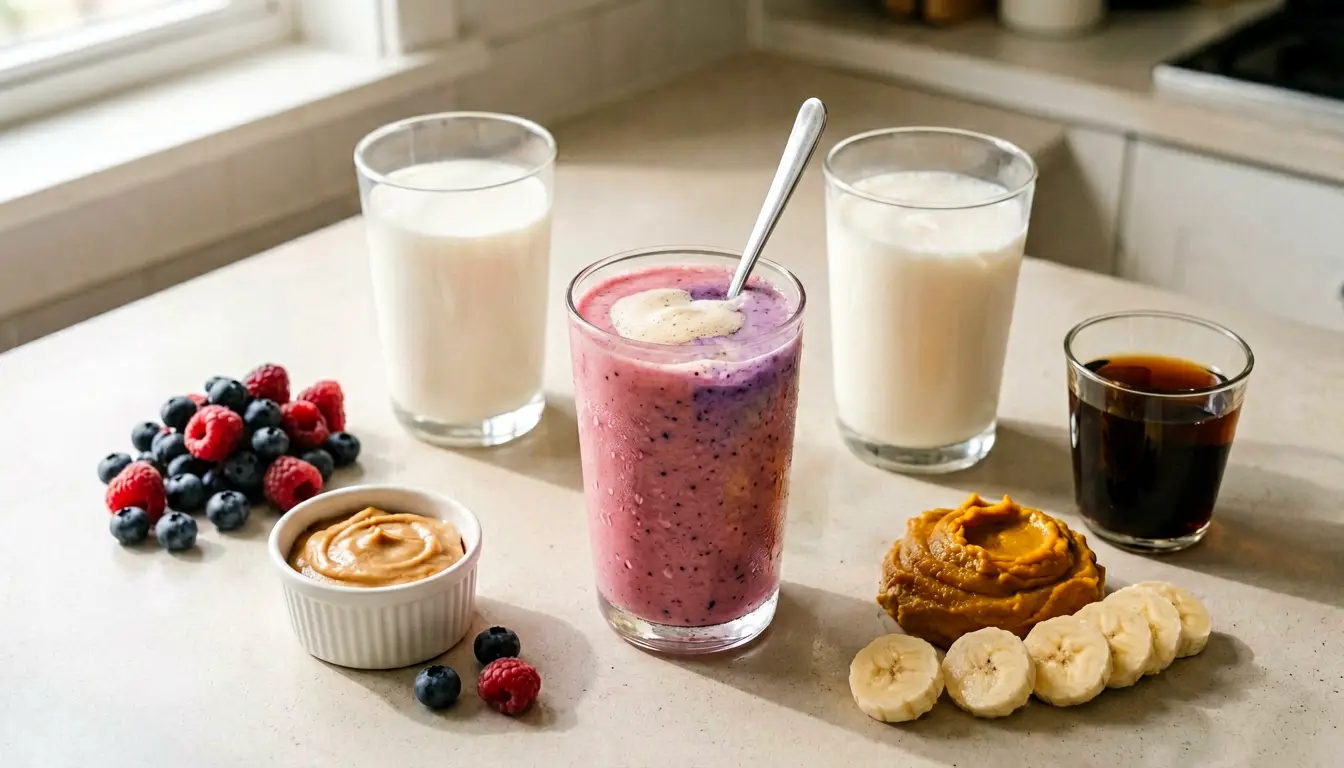
You need a cold sealed container, a smoothie that is slightly thicker than usual, and ingredients that hold reasonably well. Yogurt, banana, avocado, oats, nut butter, and frozen fruit all help more than very watery fruit. If you prep often, meal-prep smoothie containers make portioning easier than guessing with whatever jar is clean.
If you are pushing the timing farther, freezer packs or frozen smoothie cubes are often more useful than just hoping the fridge will do the job.
Step-by-Step
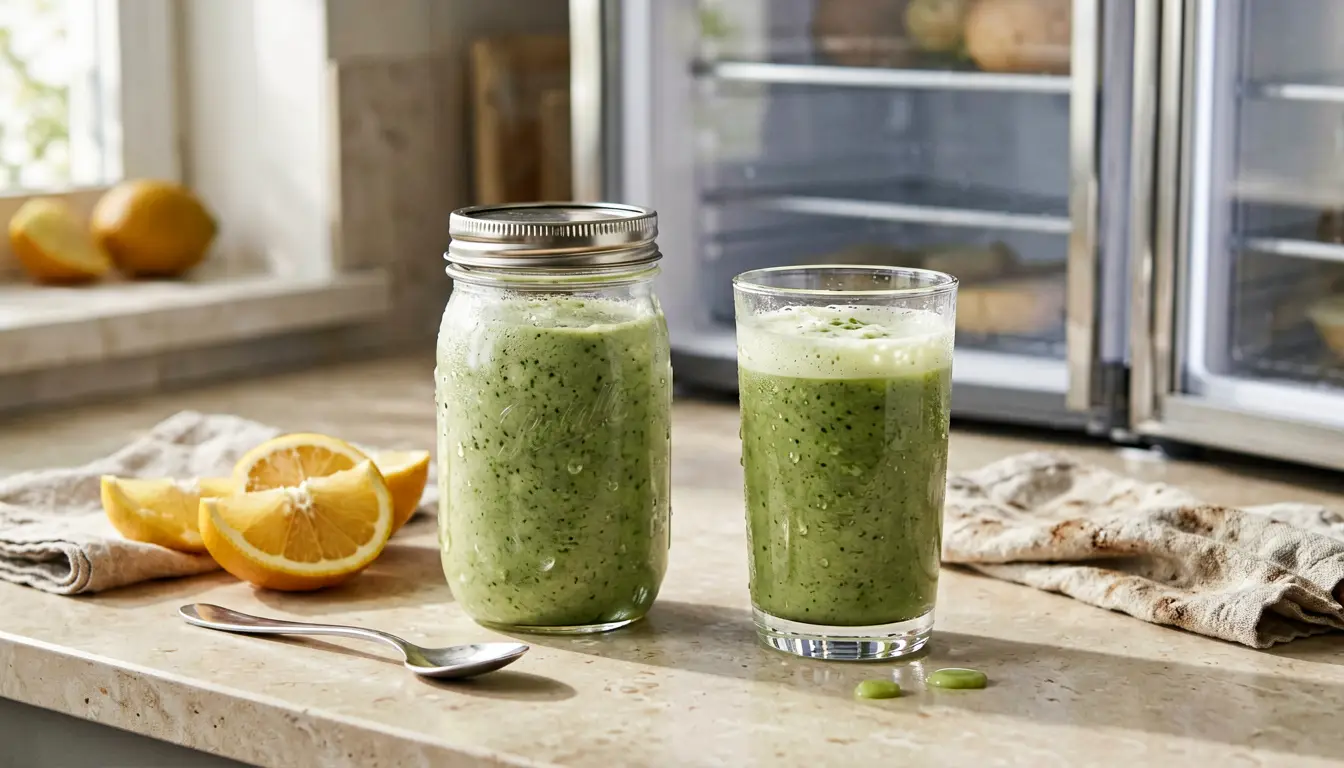
Make the smoothie slightly thicker than you would for immediate drinking. Pour it into a sealed jar or bottle and fill it close to the top. Refrigerate it right away.
When you are ready to drink it, shake or reblend it and check the smell, texture, and flavor before committing. If you know the smoothie will sit longer than you like, prep and freeze the ingredients instead.
Timing / Temperature / Texture Cues
The shorter the hold, the closer the smoothie stays to fresh. As time passes, separation and flavor flattening become more likely. Thick smoothies usually handle time better. Very fresh fruit smoothies usually do not.
Cold matters the whole time. A smoothie that starts very cold and stays cold does better than one that warms up and cools down again.
Mistakes to Avoid
Do not make a very thin smoothie and expect it to improve later. Do not use lots of airy foam, ice-heavy texture, or watery fruit and assume it will still feel good much later. Do not ignore the container either. A loose lid and extra air space usually make the result worse.
If you keep running into disappointment, the issue may be the method, not the timing. Better smoothie prep habits make mornings easier, while smoothie storage basics help when you still want to blend first and drink later.
Frequently Asked Questions
What kind of smoothie holds best in advance?
Thicker smoothies with yogurt, banana, oats, avocado, or nut butter usually hold best.
Is it better to make the smoothie the night before or prep ingredients?
Ingredient prep is usually the safer choice if you care a lot about texture and freshness.
Why does my make-ahead smoothie get thinner?
Ingredients settle, frozen parts melt, and watery fruits release more liquid over time.
Can I shake a smoothie back together later?
Usually, yes. A strong shake or quick reblend often helps if the smoothie has only separated.
When should I stop storing the finished smoothie and freeze ingredients instead?
Usually when the timing window starts stretching past what still tastes good to you or when the smoothie repeatedly turns weak and separated.
For a smoother make-ahead routine, compare finished smoothie timing with overnight smoothie storage. If your blends keep separating, use smoothie storage basics before choosing better prep containers.