
As an affiliate, we may earn a commission from qualifying purchases. We get commissions for purchases made through links on this website from Amazon and other third parties.
Smoothies can be stored, but not all storage methods give the same result. Some protect temperature. Some reduce air exposure. Some are really better for ingredients than for the finished drink. The best option depends on whether you want the smoothie ready to drink later or you only want prep to be easier.
In many kitchens, ingredient prep is the smartest form of smoothie storage. The finished drink can work too, but it usually needs more realistic expectations about texture and freshness. For a smoothie you want tomorrow, the guide to overnight smoothie storage gives the closer call.
Quick Answer
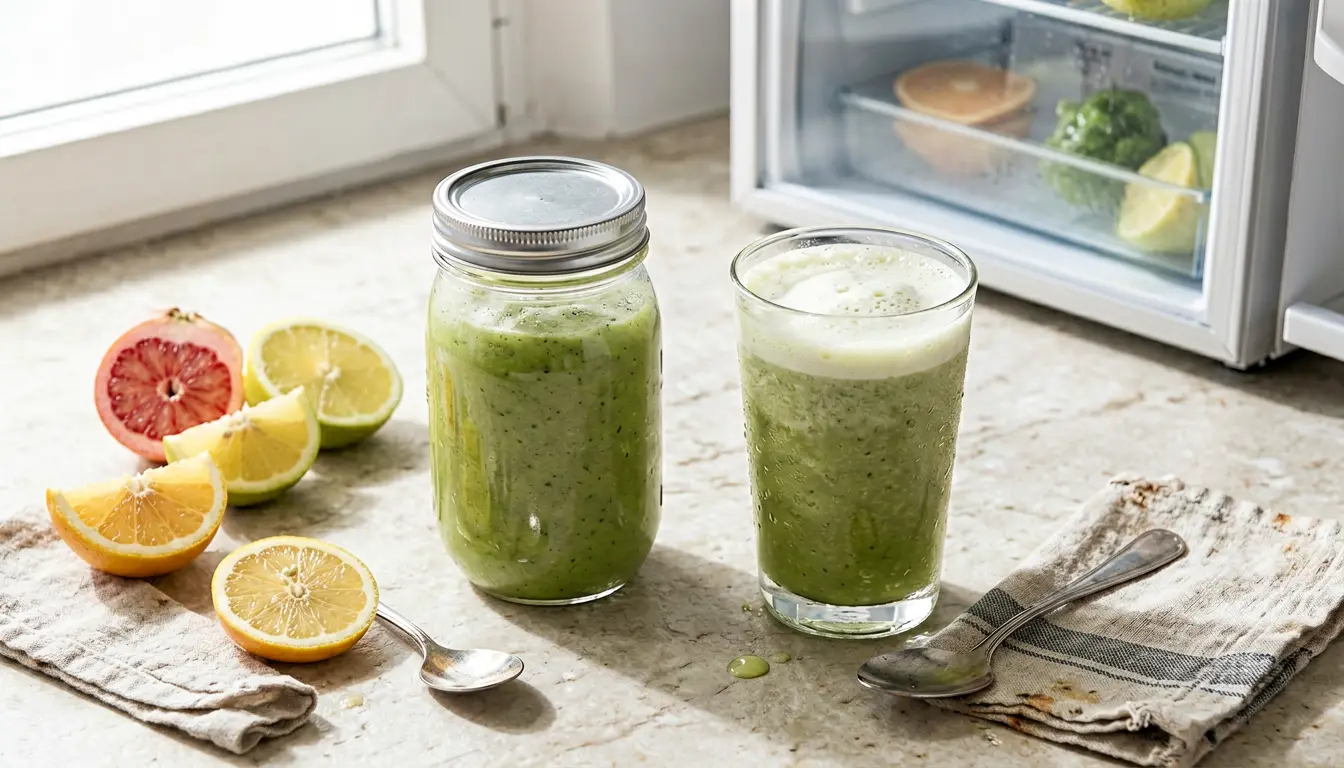
The easiest way to store smoothies is in a sealed jar or bottle in the fridge for short-term holding, or as frozen smoothie cubes or ingredient packs for longer prep. Keeping air exposure low and temperature cold matters more than using a fancy container.
If you only need a smoothie ready for tomorrow, a cold sealed jar often works. If you want better texture, freezer packs for the ingredients usually work better than storing the finished drink.
What It Is / When to Use It
Smoothie storage matters when you want breakfast ready, need to carry a smoothie later, or want to prep several blends at once. It is most useful when your routine needs convenience more than the exact just-blended texture.
It matters less when the smoothie is meant to be very fresh, very bright, or very light in texture.
Substitutes / Swaps
If storing the finished smoothie keeps disappointing you, store the parts instead. Portion fruit, greens, and boosters into freezer bags or jars, then add liquid and blend when needed. That often gives better flavor and texture.
Another useful swap is freezing leftover smoothie into cubes and reblending later instead of hoping a half-used jar improves in the fridge.
Prep Tips
Use a container that seals well and fill it close to the top. The less extra air above the smoothie, the better. Thicker smoothies usually store better than watery ones, and cold jars help a little when you know the smoothie will sit.
If the smoothie separates, shake or reblend it. That is common. For travel storage, compare stainless-steel smoothie containers with Stanley-style cups for smoothies before filling one for the day.
For a smoother storage routine, match the container to the job. Smoothie bottles are useful when you want a sealed drink in the fridge. Travel cups for smoothies make more sense when the smoothie has to stay cold through a commute. If you prep ingredients instead of finished drinks, smoothie meal-prep containers help keep each pack measured and ready.
Storage / Reheat / Freeze
Fridge storage is best for short holds. Freeze smoothie cubes or ingredient packs for longer prep. Reheating does not apply. Frozen finished smoothies usually work best when they are planned for reblending, not for thaw-and-drink texture.
If the smoothie is for the next workday, fridge storage may be enough. If the plan is later in the week, freezer prep is usually the better choice.
Frequently Asked Questions
What is the best container for storing smoothies?
A tightly sealed jar or bottle that keeps the smoothie cold is usually the most useful everyday option.
Is it better to store the smoothie or the ingredients?
Ingredients usually store better because the final texture and flavor are fresher once blended.
Why do stored smoothies separate?
Separation is normal as ingredients settle and lighter and heavier parts drift apart over time.
Can I freeze a fully blended smoothie?
Yes, but it usually works best if you plan to reblend it later or freeze it in cubes or portions.
What kind of smoothie stores best?
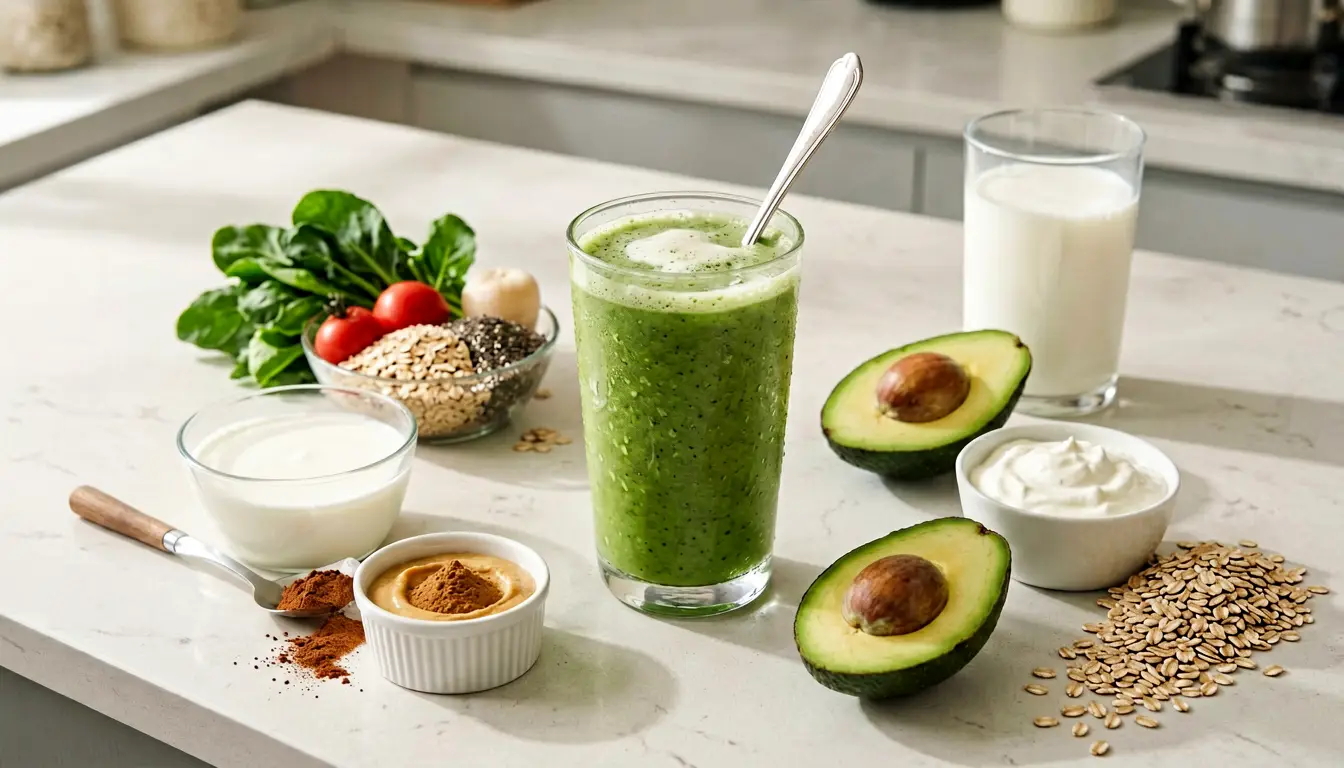
Thicker smoothies with yogurt, banana, oats, avocado, or nut butter usually hold better than very watery fruit blends.
If you are storing one for tomorrow, overnight smoothie storage is the most practical follow-up. If you are trying to get ahead for the week, making smoothies ahead and smoothie prep will save more texture than filling the fridge with finished drinks. For the outer limit, check whether a smoothie is still good after 2 days.