
As an affiliate, we may earn a commission from qualifying purchases. We get commissions for purchases made through links on this website from Amazon and other third parties.
How many smoothies you can drink in a day depends on what kind of smoothie it is and what role it plays in the rest of your routine. A small fruit smoothie as a snack is different from a large meal-style smoothie loaded with rich ingredients.
So the best answer is not a single fixed number. It is paying attention to balance, portion, and whether the smoothie is helping or crowding out the rest of your day.
Quick Answer
For many people, one smoothie a day is the easiest routine to make work, especially when it replaces a snack or supports breakfast. More than one can still make sense, but only if the smoothies are different sizes, serve clear roles, and do not crowd out regular meals or leave you feeling off balance.
The more useful question is not just frequency. It is whether the smoothie fits your appetite, meal pattern, and ingredient balance.
Why There Is No Single Number
Light fruit smoothies, meal-style smoothies, and dessert-like smoothies do not all belong in the same bucket. A small berry smoothie with water or milk may act like a snack. A large smoothie with banana, oats, nut butter, yogurt, and seeds may act more like breakfast.
That is why "how many" is really about smoothie type as much as frequency. If you are using smoothies as meals, whether smoothies can replace meals is the better companion page. If the question is whether a smoothie can stand in for only one meal, using smoothies as a meal replacement is useful too.
What Counts As One Smoothie
Portion size matters. A small glass and a full blender jar are not the same thing, even if both are called one smoothie. Measuring your usual cup or jar can help if your smoothies keep getting bigger without you noticing.
Ingredients matter too. More fruit, nut butter, oats, yogurt, seeds, and richer liquids often make a smoothie feel like a bigger eating event than a light fruit-and-water blend. That is not automatically a problem, but it changes how many make sense in a day.
If you drink smoothies often, meal-prep smoothie containers can help you keep portions consistent instead of accidentally turning one drink into a full blender jar.
If you are comparing your own daily smoothie habit with a set plan, check whether The Smoothie Diet is worth it before paying for a schedule you may not need.
When One Smoothie Is Enough
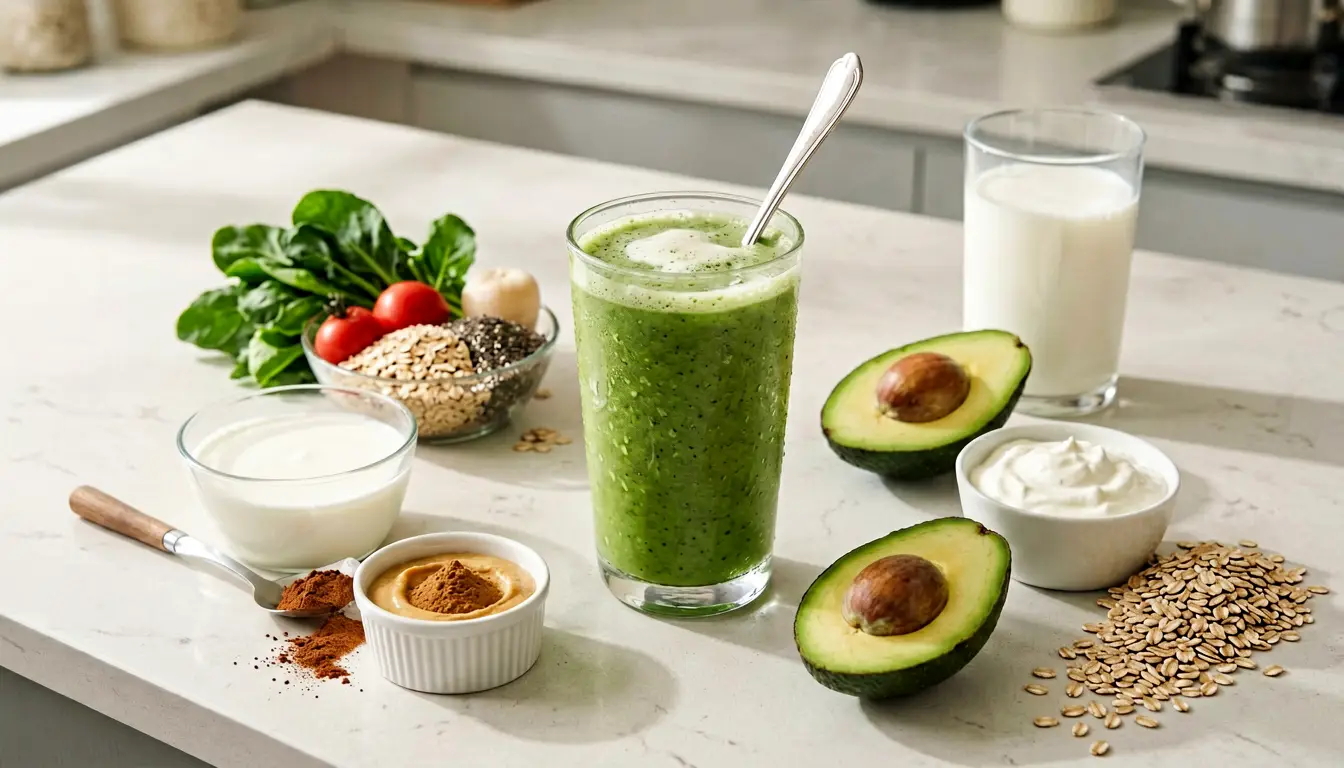
One smoothie is usually enough when it is large, rich, or meal-style. That might mean it includes yogurt, oats, nut butter, protein powder, avocado, seeds, or several fruits. It can be useful as breakfast, but it may be too much to repeat several times in the same day.
One smoothie may also be enough if you notice smoothies are replacing foods you still want in your routine. If the drink is crowding out regular meals, variety, or chewing satisfaction, the amount may need to come down. Living on smoothies alone is the more extreme version of that question.
When More Than One Can Work
More than one smoothie can work when the portions are modest and the roles are clear. For example, one breakfast smoothie and one lighter fruit smoothie later in the day can make sense for some routines.
The key is not letting every smoothie become a meal-size blend. If one is filling and the other is light, the day usually works better than if both are oversized and rich.
Signs You May Be Drinking Too Much
You may be overdoing smoothies if they start to feel repetitive, too heavy, too sweet, or out of step with your appetite. Another sign is using smoothies on top of meals when you meant them to replace a snack or breakfast.
Portion drift is common too. If your smoothie keeps growing because you add a little more fruit, a little more liquid, and a few more extras each time, the issue may be size rather than frequency. The disadvantages of smoothies explains more of those tradeoffs.
How to Build a Better Daily Routine
Start by deciding what each smoothie is supposed to do. Snack, breakfast, hydration, and meal replacement all call for different builds. Then choose the size and ingredients to match that role.
If the smoothie helps your day feel easier and more balanced, the amount may be working. If it leaves you too full, still hungry, or crowding out meals in an unhelpful way, adjust the portion, ingredients, or frequency.
Sometimes a smaller smoothie with a simple side makes more sense than a giant smoothie by itself. Toast, eggs, yogurt, or nuts can round things out without turning the smoothie into an oversized project.
Frequently Asked Questions
Is one smoothie a day okay?
For many people, yes, depending on the smoothie and the rest of the day. A balanced breakfast smoothie or a smaller snack smoothie can both fit.
Can I drink more than one smoothie a day?
You can, but it makes more sense when the smoothies are clearly serving different roles and still fit your routine.
Does smoothie size matter as much as frequency?
Yes. A very large smoothie can affect your day differently than a small one, even if both count as one drink.
What if my smoothie is replacing a meal?
Then the ingredients and portion need to match that role. It should have enough body and staying power to make sense as more than a snack.
How do I know if I am drinking too much smoothie?
If smoothies start to feel repetitive, too heavy, too sweet, or out of step with your appetite and meals, the amount may need adjustment.
Are lighter smoothies easier to fit into a day?
Often yes, because they act more like a drink or snack than a large meal.
If you want the companion pages, continue with whether smoothies can replace meals, the pros and cons of smoothies, what happens after a week of smoothies, and whether smoothies can contribute to weight gain.