
As an affiliate, we may earn a commission from qualifying purchases. We get commissions for purchases made through links on this website from Amazon and other third parties.
Coconut can take a smoothie in two very different directions. It can make the drink light and refreshing if you use coconut water. Or it can make it thick, rich, and almost dessert-like if you use coconut milk, coconut cream, or toasted coconut. That range is exactly why coconut smoothies are so useful, but it is also why they can go wrong if the wrong form of coconut gets paired with the wrong fruit.
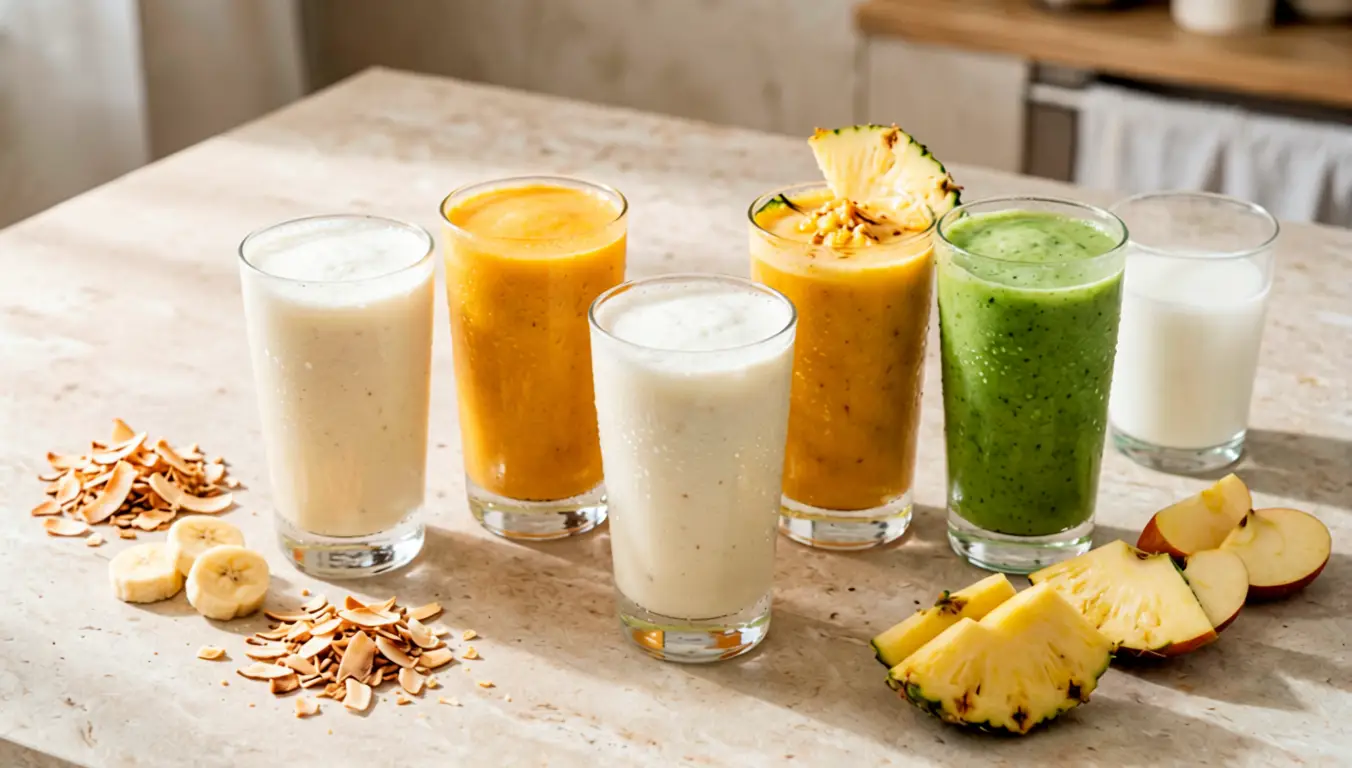
This list focuses on the coconut options that feel clearly different in the glass: simple creamy versions, tropical pineapple blends, banana-free options, green smoothies, and fuller coconut shake territory with lime for balance. If you want the closest companion after this, smoothies using coconut milk narrows in on the base itself. If you want the tropical fruit side of the story, pineapple smoothies and mango smoothies are the best next comparisons.
Quick Picks / Best Fits
| If you want… | Start here | Why it works |
|---|---|---|
| the easiest coconut-led glass | creamy coconut smoothie | Keeps the ingredient list short so the coconut stays obvious. |
| the most balanced tropical blend | pineapple coconut smoothie | Pineapple gives coconut a sharper, fresher edge. |
| the richest coconut flavor | toasted coconut shake with lime | Coconut cream and toasted flakes push the coconut further without tasting flat. |
| the best no-banana option | no banana coconut smoothie | Uses other ingredients for body so banana does not take over. |
| a lighter everyday version | tropical coconut smoothie | Coconut stays present, but the fruit keeps the drink easy to sip. |
| the greenest option | coconut green smoothie | Coconut smooths out leafy greens better than many lighter bases. |
How This List Is Organized
These coconut smoothies are grouped by the form of coconut and what it does to the drink. Coconut water keeps things light and more hydrating. Carton coconut milk stays in the middle. Full-fat coconut milk or coconut cream makes the smoothie much richer. Toasted coconut adds a nuttier finish, while lime and pineapple help cut through the richness.
That is the real trick with coconut. The flavor pairs well with tropical fruit, but the texture changes fast depending on the base. If your coconut smoothie keeps turning thin or icy, creamier smoothie add-ins will help you fix the body. If you are choosing fruit partners, use better smoothie fruit pairings before tossing in whatever is left in the fridge.
If you are still choosing between coconut water, carton coconut milk, and richer canned coconut milk, the best milk options for smoothies guide helps you pick a base that fits the texture you want.
If coconut smoothies are becoming part of a daily routine, compare The Smoothie Diet with homemade smoothies before trading flexible tropical blends for a set plan.
Creamy Coconut Smoothie
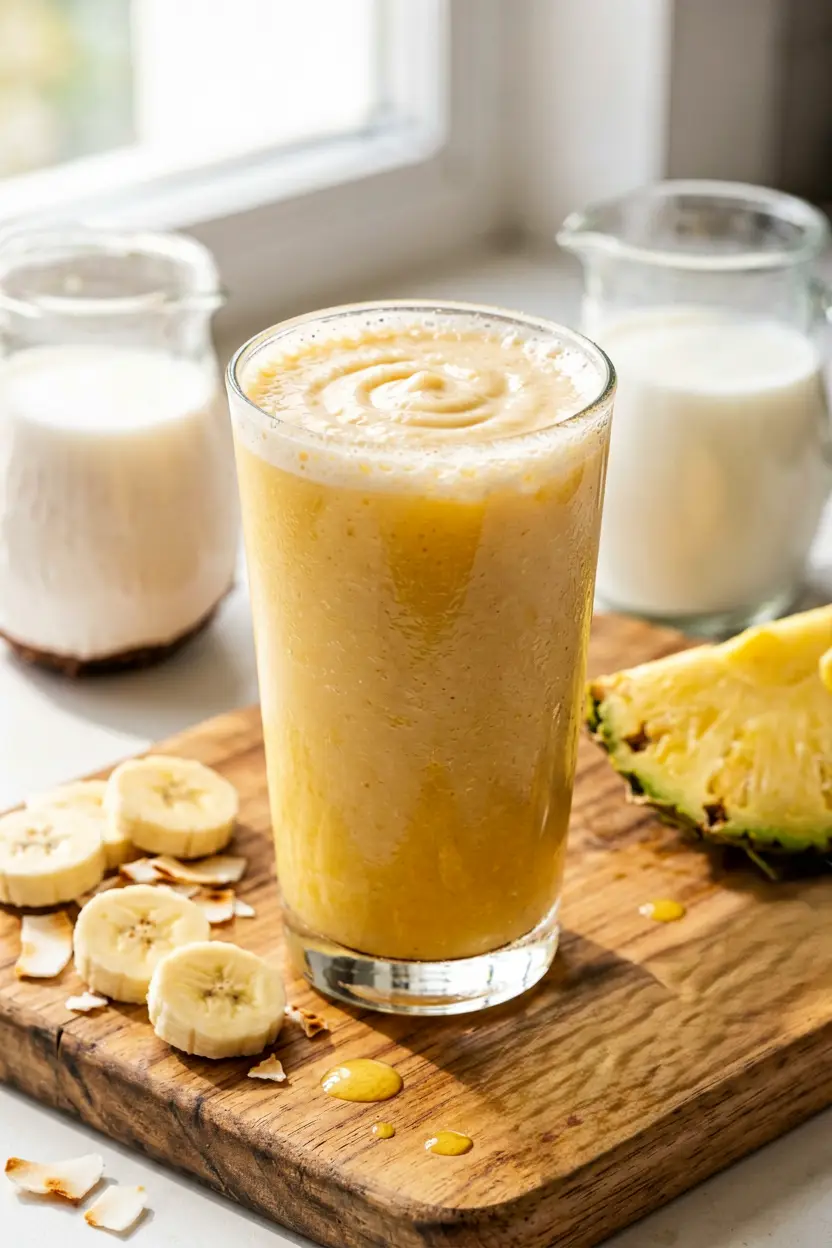
This is the easy starting point when you want coconut flavor to stay obvious without turning the smoothie into a heavy shake.
Ingredients:
- 3/4 cup light coconut milk
- 1/2 frozen banana
- 1/2 cup frozen pineapple
- 1/4 cup plain or coconut yogurt
- 1 tablespoon unsweetened shredded coconut, optional
How to Make It: Blend the coconut milk, banana, pineapple, and yogurt until smooth. Add a splash of water or ice only if the blender needs help moving.
Recipe Tips: Light coconut milk keeps the drink creamy while still letting the fruit brighten the finish.
Tropical Coconut Smoothie
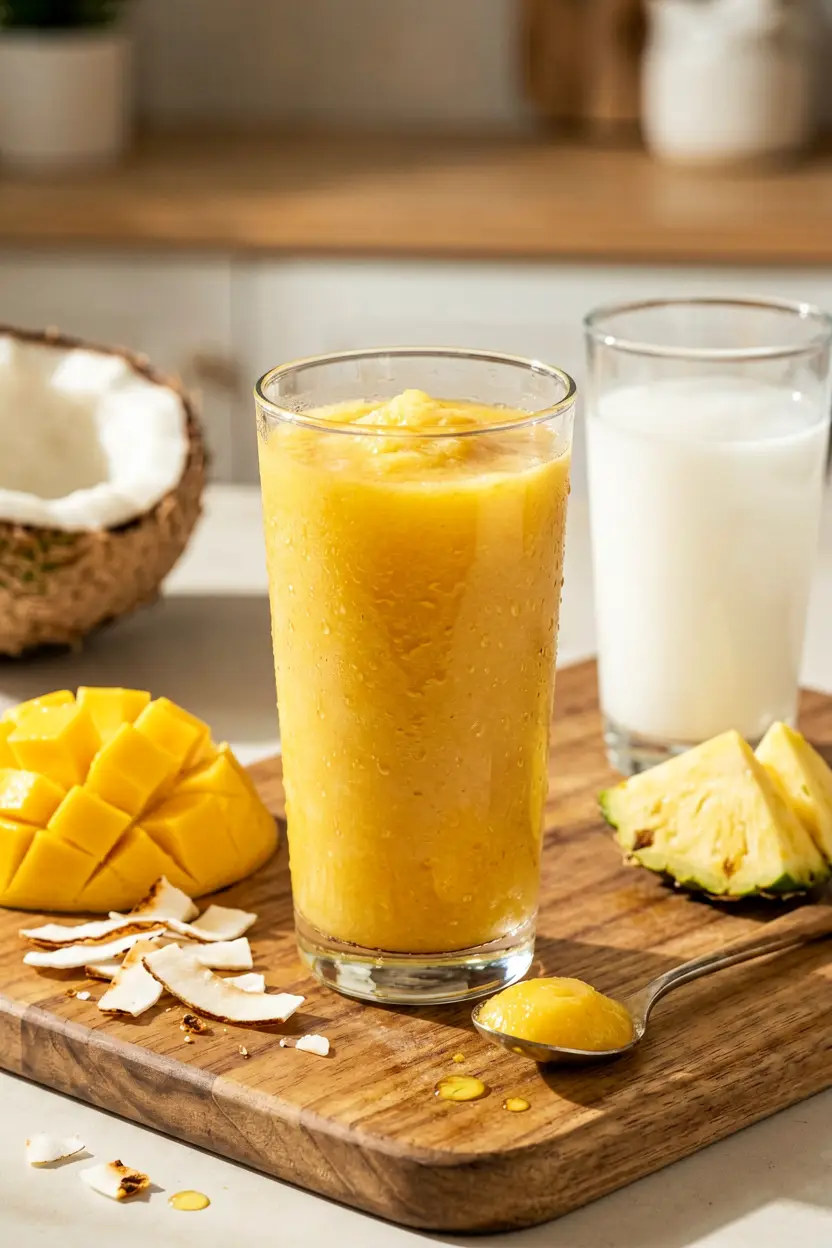
This version leans lighter and juicier, so it tastes more like a beachy fruit smoothie than a rich coconut dessert.
Ingredients:
- 1/2 cup coconut water
- 1/2 cup frozen mango
- 1/2 cup frozen pineapple
- 1/2 frozen banana
- 1 tablespoon lime juice
How to Make It: Add the coconut water and lime juice first, then blend in the mango, pineapple, and banana until the texture turns frosty and smooth.
Recipe Tips: Use frozen fruit here instead of ice so the tropical flavor does not get watered down.
Extra-Creamy Coconut Smoothie
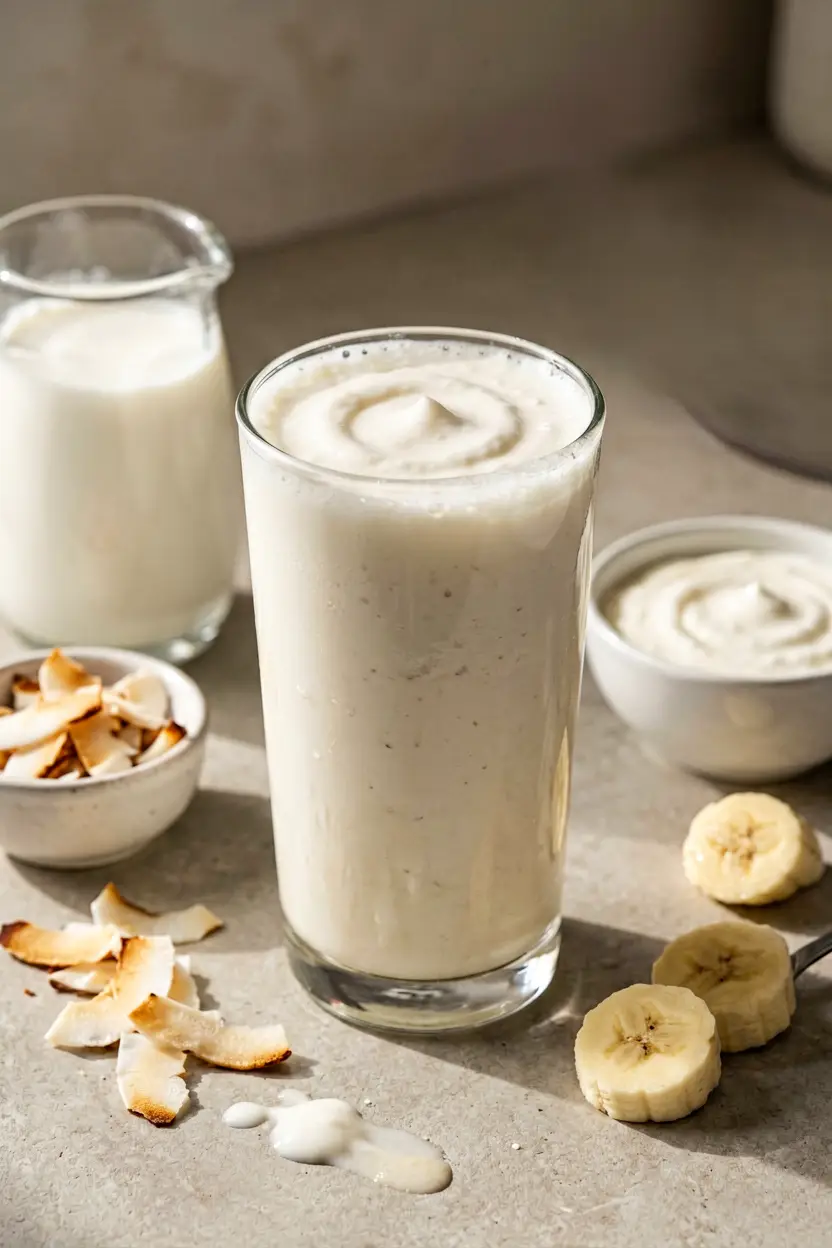
Go this direction when you want coconut to feel almost shake-like, with more body from yogurt and full-fat coconut milk.
Ingredients:
- 1/2 cup full-fat coconut milk
- 1/2 cup plain Greek yogurt or coconut yogurt
- 1 frozen banana
- 1/4 teaspoon vanilla extract
- pinch of salt
How to Make It: Blend the coconut milk, yogurt, banana, vanilla, and salt until completely smooth. Thin with a small splash of milk if it is thicker than you want.
Recipe Tips: A pinch of salt makes the coconut taste fuller instead of just sweeter.
Pineapple Coconut Smoothie
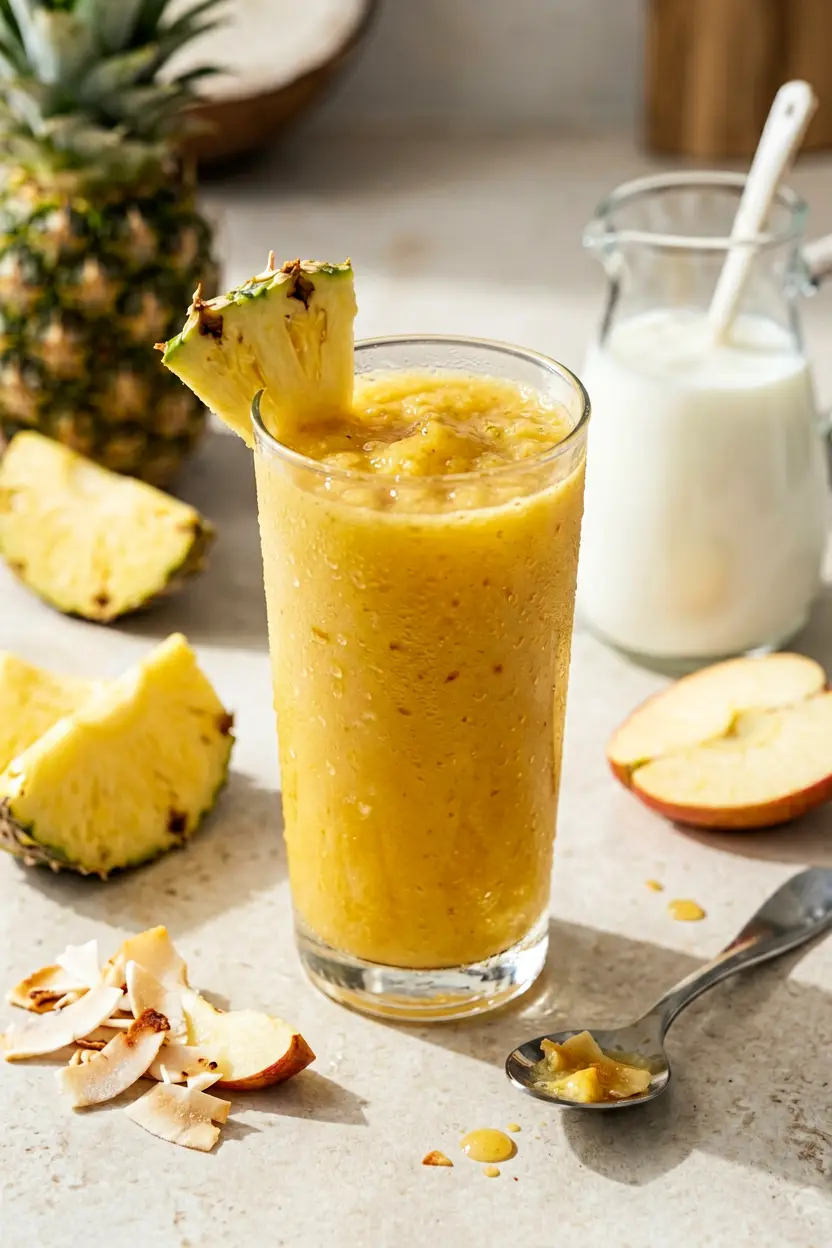
Pineapple is one of the best partners for coconut because it keeps the smoothie bright enough to stay refreshing.
Ingredients:
- 1 cup frozen pineapple chunks
- 1/2 cup coconut milk
- 1/4 cup coconut water or orange juice
- 1/2 frozen banana
- 1 teaspoon lime juice, optional
How to Make It: Blend the coconut milk and coconut water first, then add the pineapple and banana. Finish with lime juice if the smoothie needs a brighter edge.
Recipe Tips: Skip extra sweetener until after tasting because pineapple usually does enough on its own.
Mango Pineapple Coconut Smoothie
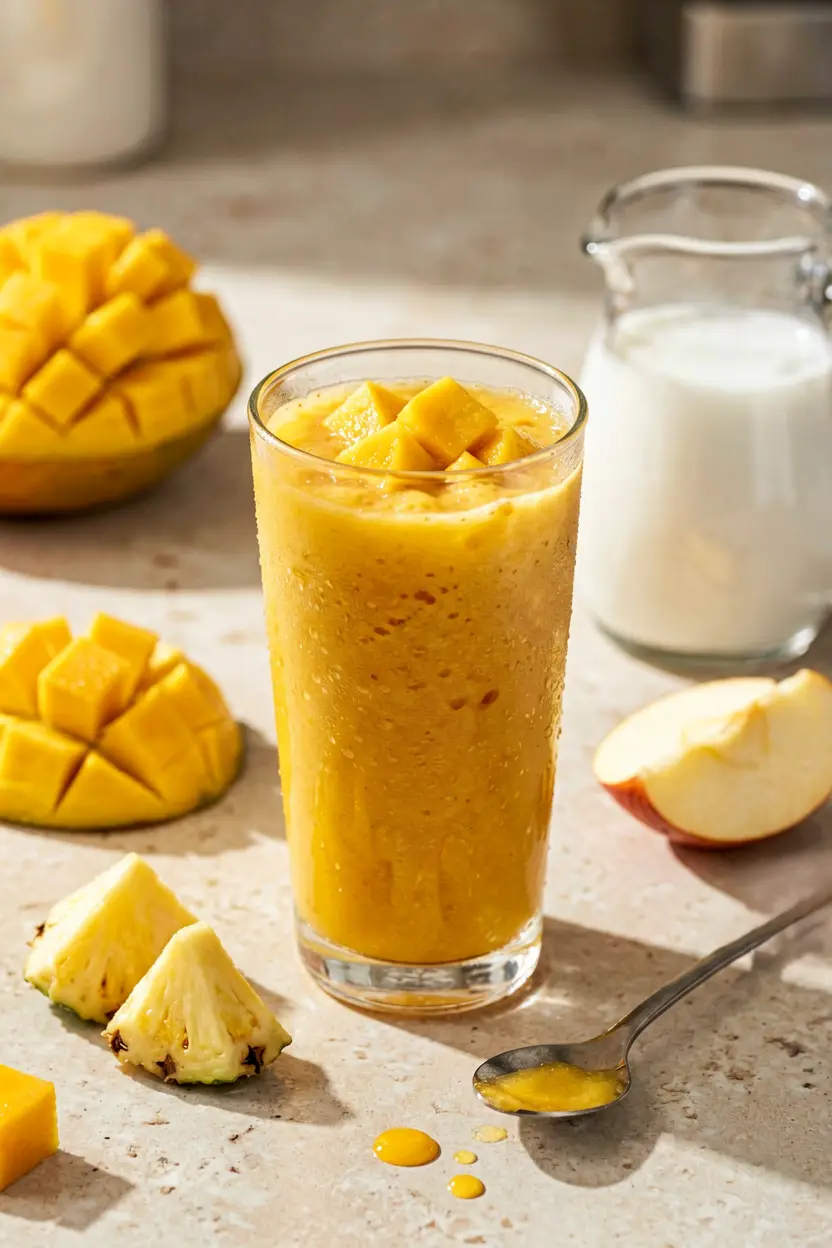
This one is softer and sweeter than the straight pineapple version, with mango adding extra body and tropical depth.
Ingredients:
- 1/2 cup frozen mango
- 1/2 cup frozen pineapple
- 1/2 cup coconut milk
- 1/2 cup coconut water
- 1/2 frozen banana or 1/4 cup yogurt
How to Make It: Add the coconut milk and coconut water, then blend in the mango, pineapple, and banana until thick and smooth.
Recipe Tips: Coconut water keeps this from tasting too rich even when both fruits are very sweet.
Toasted Coconut Shake with Lime
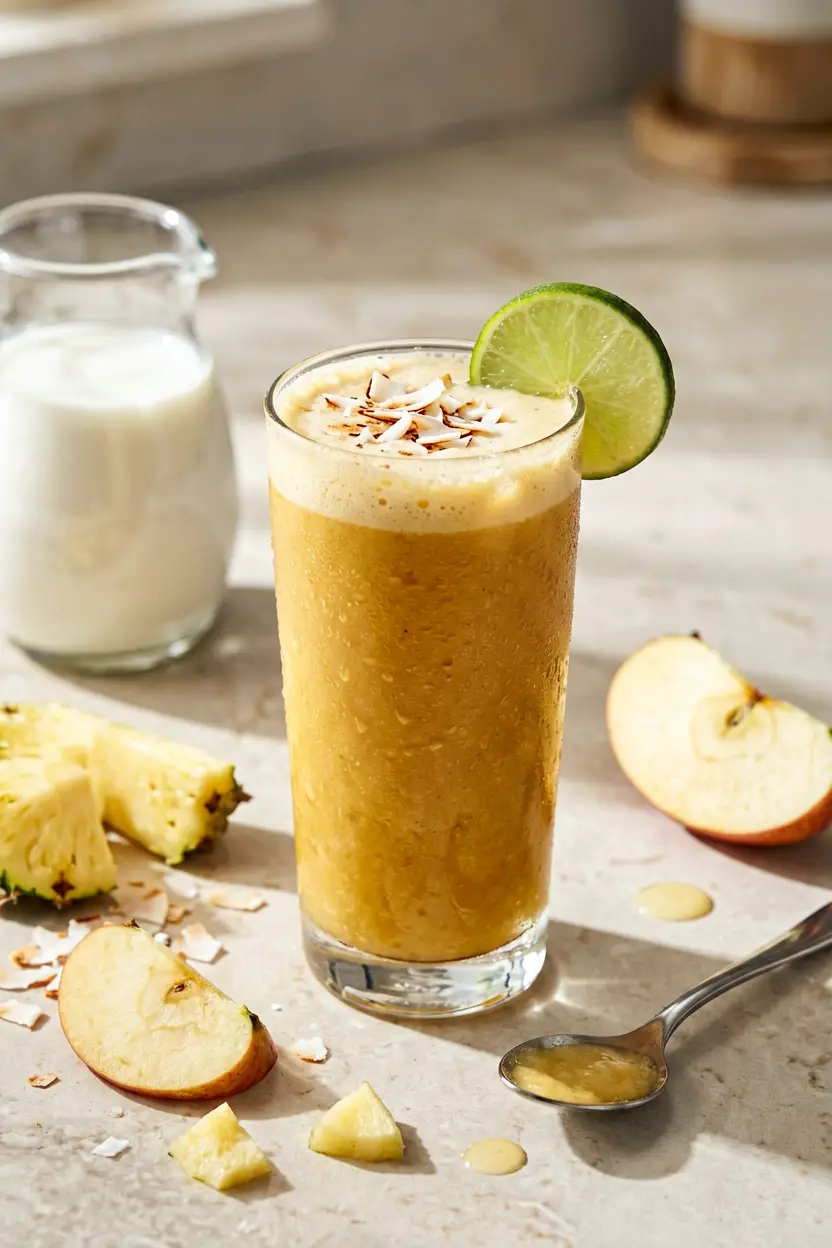
This is the richest coconut option in the list, but lime keeps it from feeling flat or overly heavy.
Ingredients:
- 1/2 cup full-fat coconut milk
- 1/2 cup frozen pineapple
- 1 tablespoon toasted unsweetened coconut
- 1 tablespoon lime juice
- 1 teaspoon honey or maple syrup, optional
How to Make It: Blend the coconut milk, pineapple, toasted coconut, and lime juice until smooth. Add honey only if the lime sharpens it more than you want.
Recipe Tips: Toast the coconut just until fragrant; darker flakes can make the smoothie taste bitter.
No-Banana Coconut Smoothie
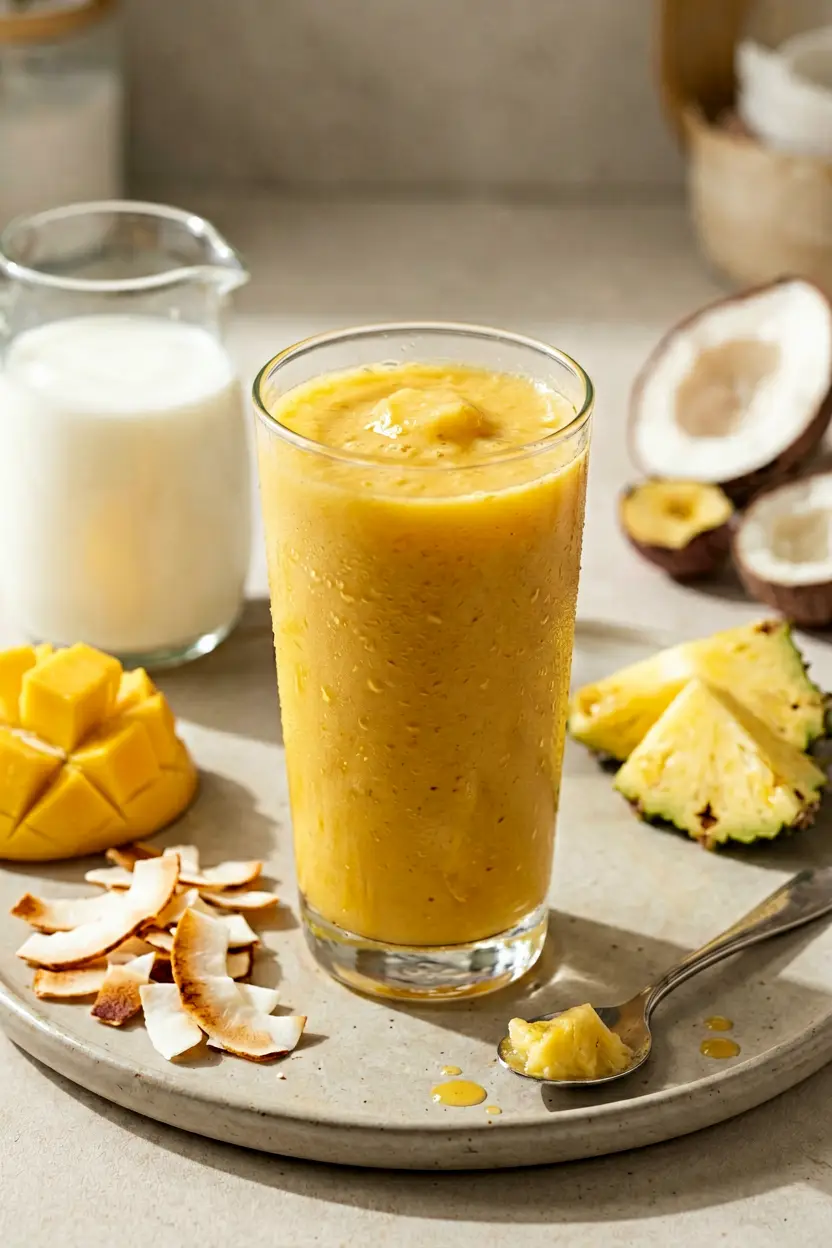
This recipe keeps banana out of the way by using avocado or oats to give the smoothie enough body.
Ingredients:
- 1/2 cup coconut milk
- 1/2 cup frozen mango or pineapple
- 1/4 ripe avocado or 2 tablespoons rolled oats
- 1/2 cup coconut water
- 1 teaspoon lime juice
How to Make It: Blend the coconut milk and coconut water first, then add the fruit, avocado or oats, and lime juice. Let it run a little longer if you use oats so the texture smooths out.
Recipe Tips: Avocado gives the creamiest result, while oats keep the flavor cleaner and more coconut-forward.
Coconut Green Smoothie
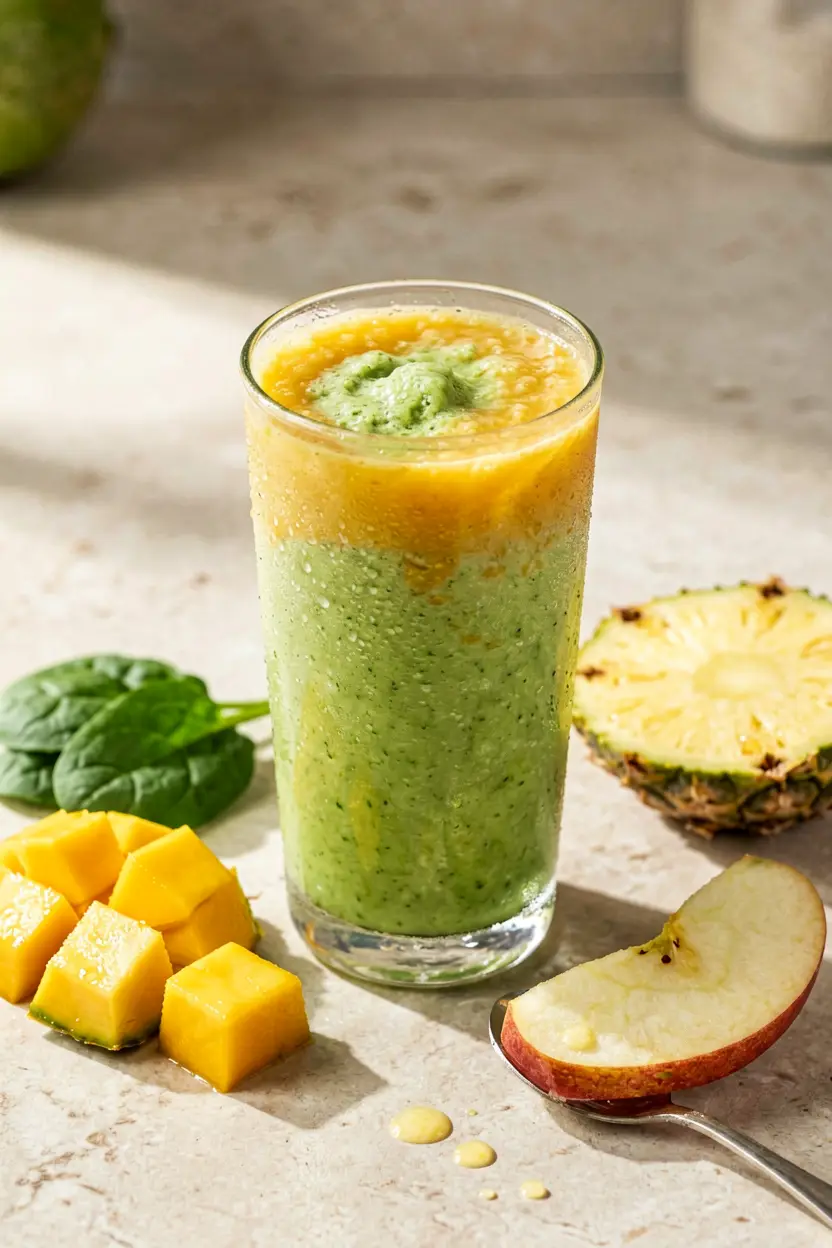
The coconut base softens the greens, while mango or pineapple keeps the smoothie tasting fresh instead of grassy.
Ingredients:
- 1 cup baby spinach
- 1/2 cup frozen mango or pineapple
- 1/2 frozen banana
- 1/2 cup coconut water
- 1/4 cup coconut milk
How to Make It: Blend the spinach with the coconut water first, then add the fruit and coconut milk and blend again until the drink is fully smooth.
Recipe Tips: Start with spinach instead of kale if you want the green flavor to stay mild.
Coconut Berry Smoothie
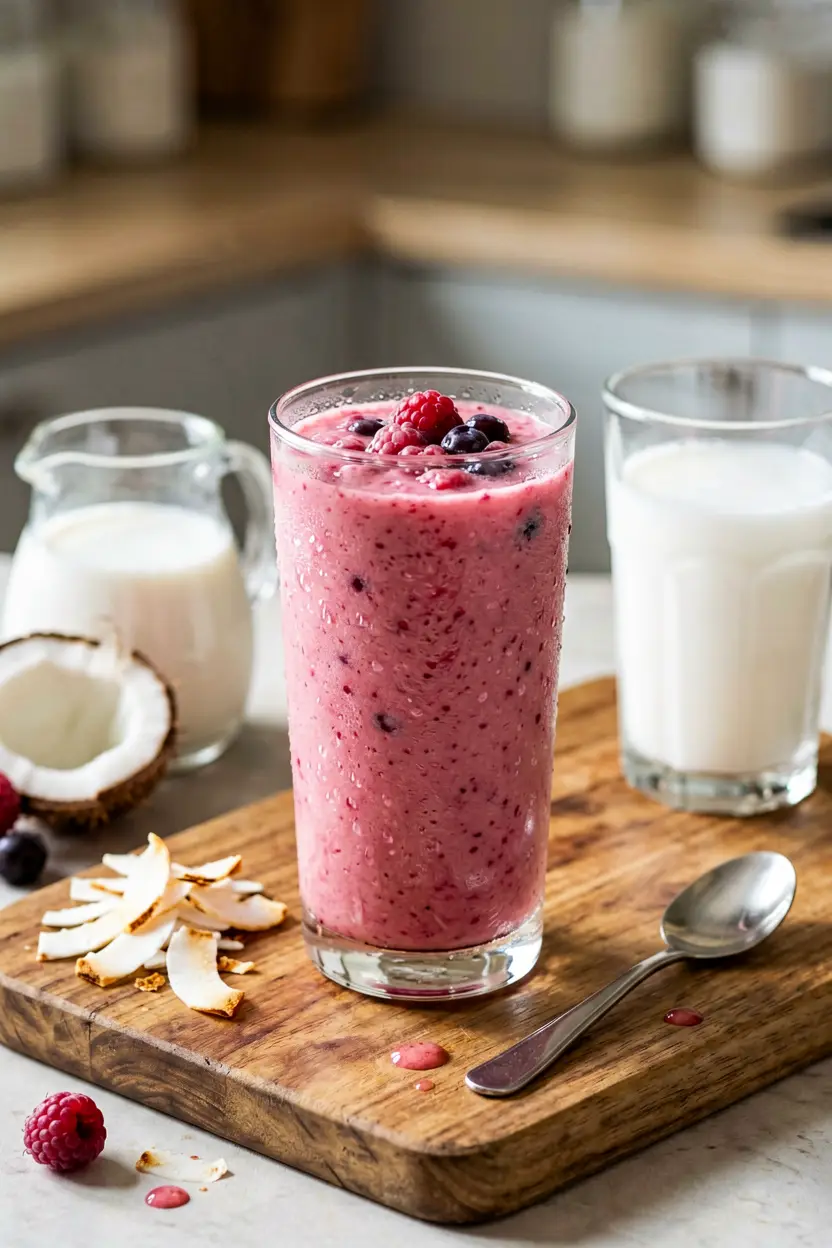
Berries give coconut a tarter edge, which is useful when you want something less tropical and a little more refreshing.
Ingredients:
- 1 cup frozen mixed berries
- 1/2 cup coconut milk
- 1/2 cup coconut water
- 1/2 frozen banana or 1/4 cup yogurt
- 1 teaspoon honey or maple syrup, optional
How to Make It: Blend the coconut milk and coconut water, then add the berries and banana or yogurt. Taste before sweetening because berries can swing from tart to sweet depending on the mix.
Recipe Tips: Use more raspberries or blackberries for a sharper smoothie and more strawberries for a softer one.
How to Choose the Right Option
Choose first by the kind of coconut you want. If you want something light, start with coconut water or a thinner tropical smoothie. If you want a creamy breakfast smoothie, use coconut milk. If you want the fullest coconut flavor, go toward toasted coconut and coconut cream.
Then choose by how much contrast you need. Pineapple and lime brighten coconut. Greens make it more practical. Banana-free versions keep the flavor cleaner. If the blend tastes flat, adjust the sweetness balance before adding extra honey or dates. If the texture is the problem, fix a watery smoothie base without burying the coconut.
Frequently Asked Questions
What is the best coconut base for smoothies?
It depends on the result you want. Coconut water is lighter and more refreshing, while coconut milk and coconut cream make the smoothie much richer and creamier.
What fruit goes best with coconut in smoothies?
Pineapple, mango, banana, berries, and lime all work well. Pineapple and lime are especially useful when you want to brighten coconut.
Can I make a coconut smoothie without banana?
Yes. Mango, pineapple, yogurt, oats, chia, avocado, and even cauliflower can all help with body without making the smoothie banana-heavy.
Why does my coconut smoothie taste too heavy?
Usually because the base is too rich and there is not enough brightness. Lime, pineapple, or a lighter liquid can fix that quickly.
Is coconut water or coconut milk better for hydration?
Coconut water is usually the lighter, more hydrating choice. Coconut milk works better when you want creaminess and staying power.
How do I make coconut flavor stronger in a smoothie?
Use full-fat coconut milk or coconut cream, and consider adding toasted unsweetened coconut. Toasted coconut usually gives a nuttier, fuller coconut flavor than coconut milk alone.
If coconut milk is the part you want to dial in, start with coconut-milk smoothie builds. For a sharper tropical direction, try pineapple-forward blends. For a softer, rounder fruit base, mango-based smoothies are the better next step.