
As an affiliate, we may earn a commission from qualifying purchases. We get commissions for purchases made through links on this website from Amazon and other third parties.
Creamy smoothies come from the right balance of fat, body, and low enough liquid. A smoothie does not turn creamy just because it contains milk. It turns creamy when the ingredients blend into a full, soft texture instead of a thin or icy one.
That is why banana, yogurt, avocado, mango, and some plant milks show up so often. They do more than add flavor. They help the smoothie feel rounded and smooth.
If you are choosing ingredients from scratch, what to put in smoothies helps you pick add-ins that actually improve the glass instead of crowding it.
Quick Answer
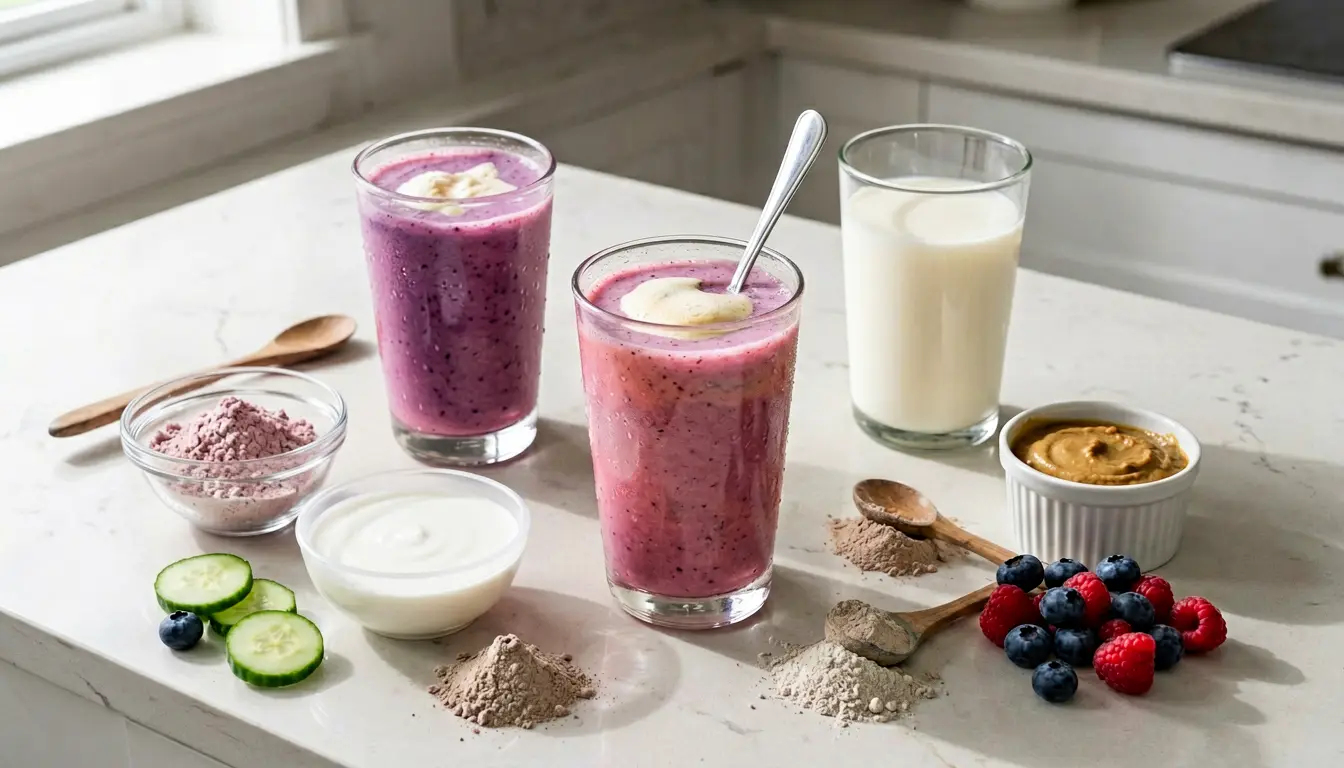
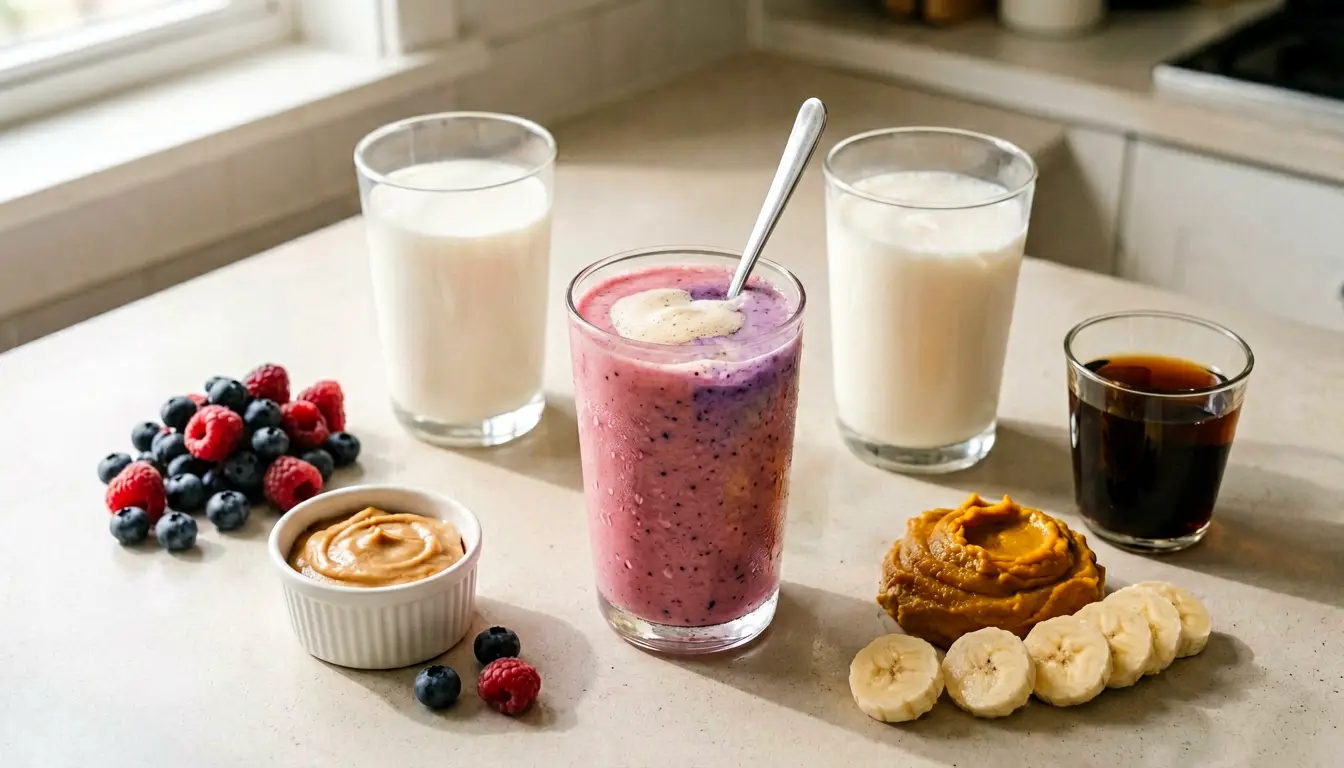
Smoothies get creamy from ingredients that add body, such as banana, yogurt, avocado, mango, nut butter, and some milks, along with a controlled amount of liquid. Frozen fruit also helps because it thickens the smoothie instead of watering it down.
Creaminess usually comes from combination, not one ingredient alone.
Texture and thickness overlap, but they are not identical. A smoothie can be thick without feeling silky, so use the smoothie thickening guide when body is the main issue and this page when the drink feels icy or thin.
What It Is / When to Use It
If your smoothie tastes fine but feels thin, watery, or icy, then the problem is texture, not flavor. Creamy ingredients solve that by giving the drink more body.
This matters most in breakfast smoothies, dessert-style smoothies, and fruit smoothies that need to feel more satisfying. It can also help rescue watery fruit blends.
If the drink is already loose, fix a watery smoothie base before adding too many rich ingredients.
Substitutes / Swaps
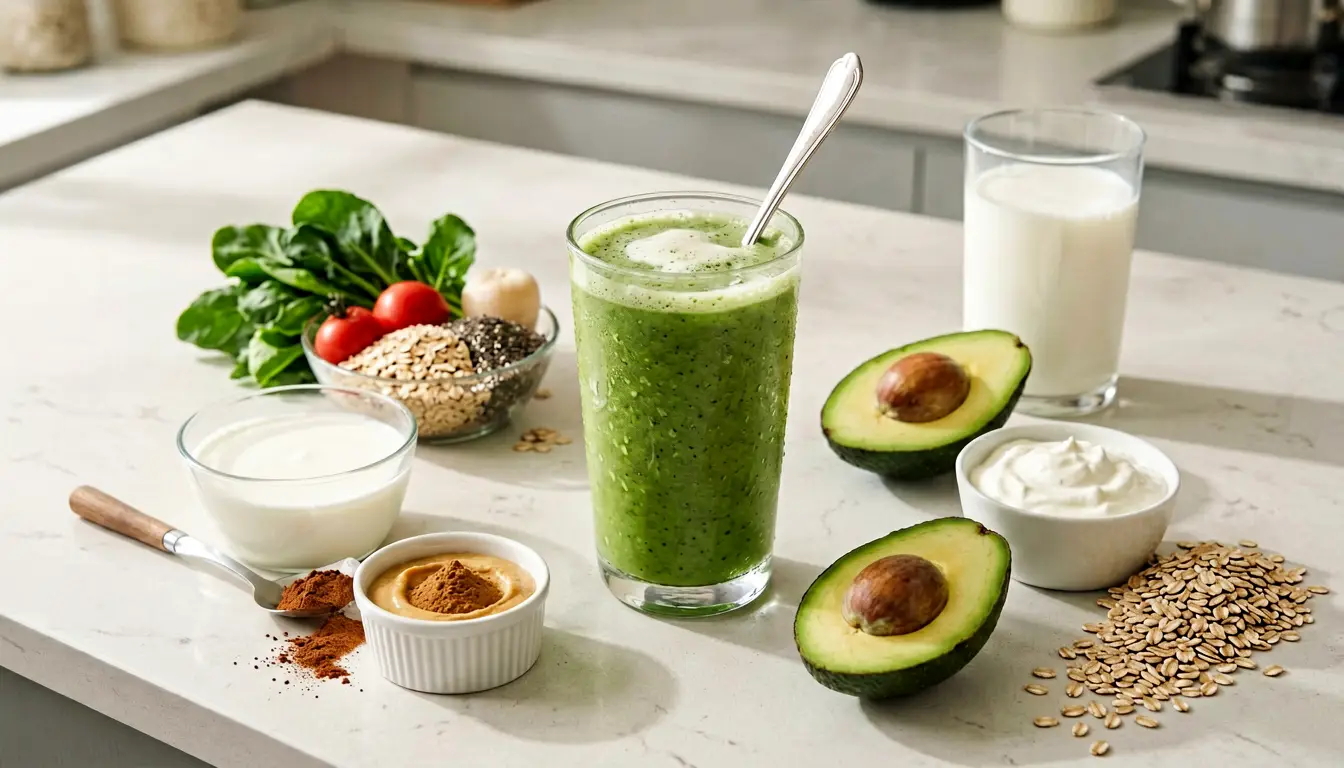
If you do not want banana, use mango, avocado, oats, yogurt, or cottage cheese depending on the flavor direction. If you do not want dairy, use a fuller plant milk, avocado, coconut milk, or nut butter.
If the smoothie is already sweet enough, choose creamy ingredients that do not add much extra sweetness, such as avocado or plain yogurt.
The liquid matters too. Milk and water behave differently in smoothies, so choose the base that supports the texture you want.
Prep Tips
Use frozen fruit instead of a large amount of ice. Measure the liquid instead of eyeballing it. Add creamy ingredients in moderate amounts so the smoothie still tastes like the fruit you chose.
Creamy does not have to mean heavy. Often one creamy ingredient is enough if the liquid is controlled.
If you need the full blending routine around that, the best smoothie method keeps the liquid and order working with the creamy ingredient.
Storage / Reheat / Freeze
Smoothies with creamy ingredients can thicken more as they sit, especially if they contain oats, chia, or nut butter. That can be useful, but it also means you may need to shake or reblend them after storage.
Freezer prep packs work well when the creaminess comes from frozen banana, mango, or avocado added in balanced portions.
For make-ahead texture, frozen fruit for smoothies can keep the drink cold and creamy without extra ice.
Frequently Asked Questions
Does milk make smoothies creamy?
It can help, but milk alone does not guarantee a creamy smoothie if the balance is off.
Is banana the best creamy smoothie ingredient?
Banana is one of the easiest options because it adds both sweetness and body.
What makes a smoothie creamy without dairy?
Banana, mango, avocado, oats, nut butter, and fuller plant milks can all help.
Why is my smoothie still icy instead of creamy?
It may have too much ice, too much liquid, or not enough ingredients that add body.
Can yogurt make smoothies too thick?
Yes, especially if the smoothie already includes frozen fruit or oats. Small adjustments usually fix that.
If creaminess goes too far, use the guide to loosening a thick smoothie before adding more fruit. If the texture feels rough instead of creamy, why smoothies are not smooth explains the blending side.