
As an affiliate, we may earn a commission from qualifying purchases. We get commissions for purchases made through links on this website from Amazon and other third parties.
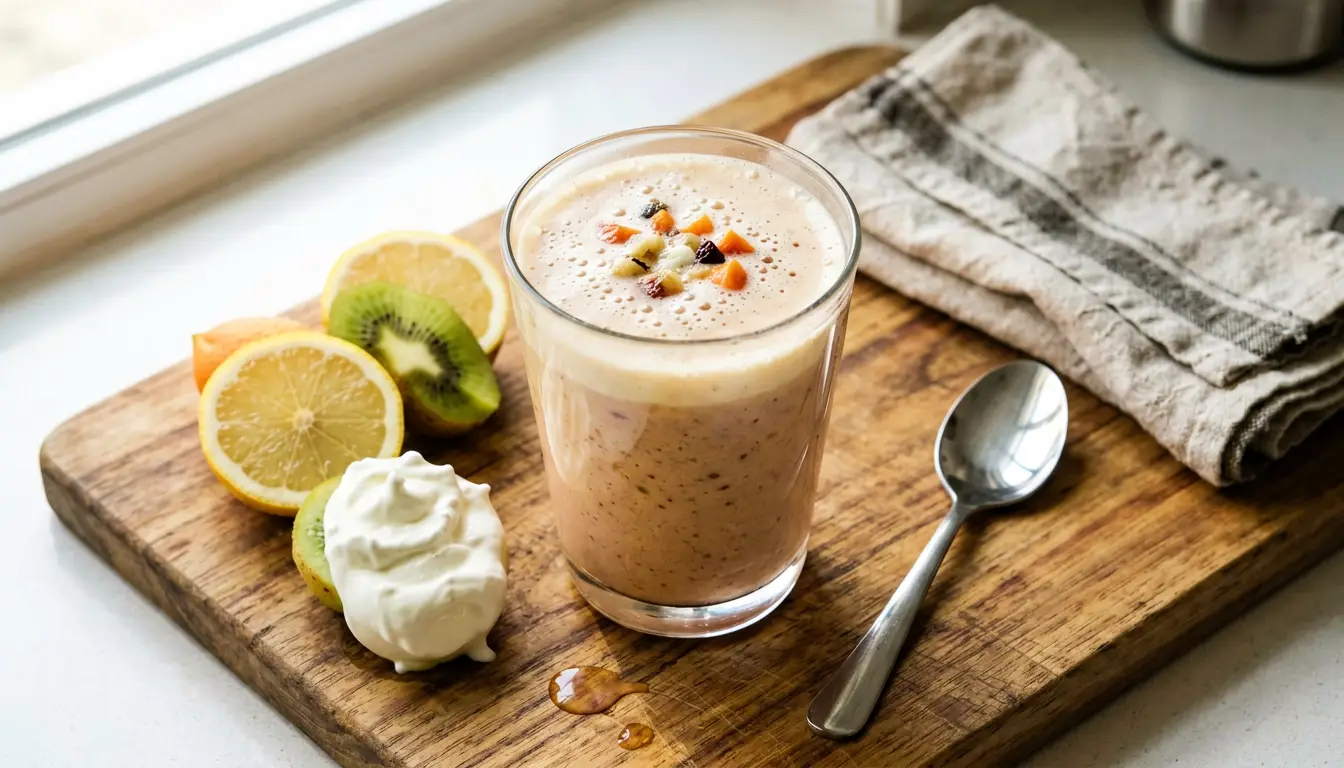
Smoothies get frothy when air gets blended into the drink. That can happen because of the blender speed, the length of blending, or ingredients that naturally trap more bubbles. Froth is not always a problem, but it can make a smoothie feel lighter and less smooth than you expected.
If you want a dense, creamy smoothie, understanding froth helps you stop treating it like a mystery texture issue.
If the drink is airy when you wanted it silky, compare this with what makes smoothies creamy so you can build body instead of just blending longer.
Quick Answer
Smoothies become frothy when the blender whips air into the liquid and ingredients. Thin blends, high-speed blending, watery liquids, and some fruits or powders can all increase foam.
A little froth is normal. Too much usually means the smoothie is on the thin side or has been blended longer than it needed.
For a thin blend, what makes smoothies thicker gives the better fix than adding more ice.
What It Is / When to Use It
Froth matters most when you expected a thick smoothie and got something airy instead. That often happens with high-liquid smoothies, citrus-heavy blends, or drinks made with lots of fresh fruit and little texture support.
It can also happen when the blender runs longer than necessary. The smoothie gets smooth, then keeps spinning and traps more air.
If the bubbles look unusual after the drink sits, normal smoothie bubbling explains when foam is harmless and when storage is the issue.
Substitutes / Swaps
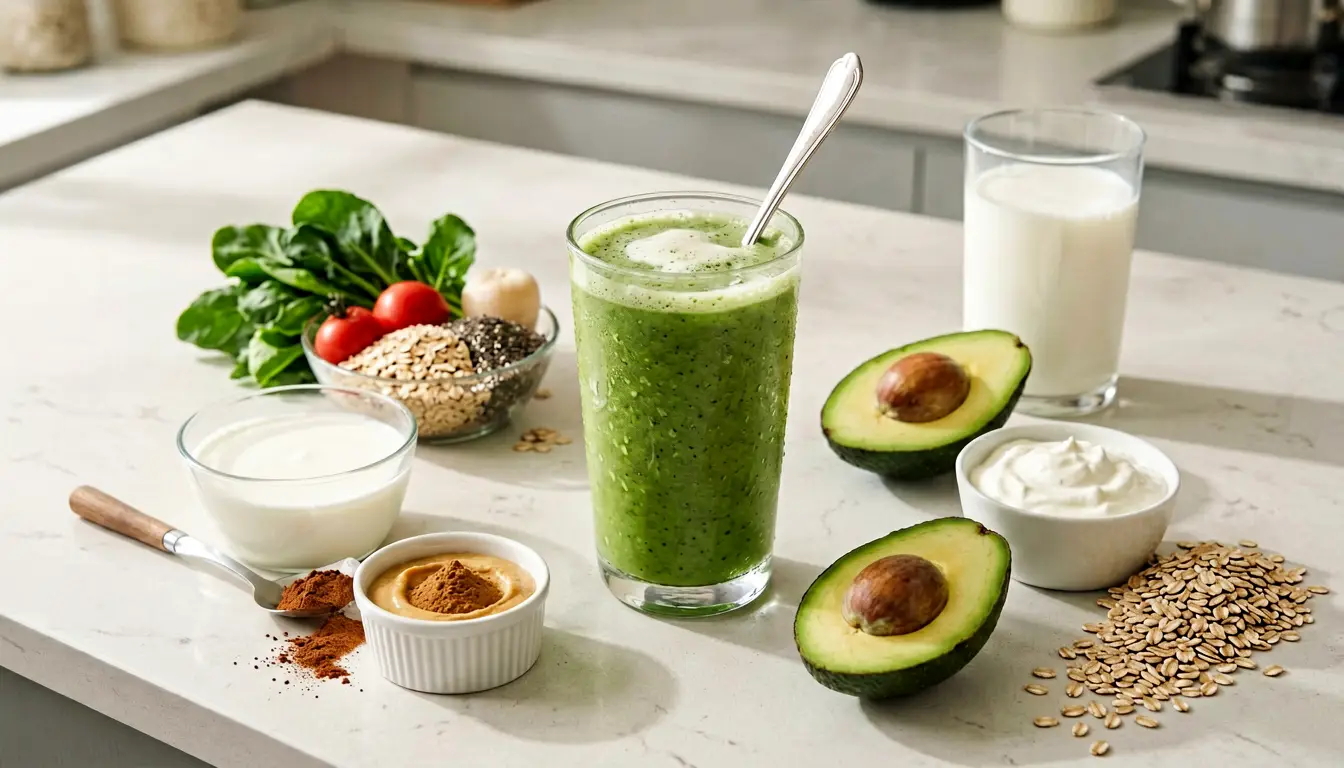
If froth is the problem, use less liquid, more frozen fruit, and fewer airy ingredients. Yogurt, banana, mango, avocado, and oats can help make the smoothie feel denser.
If your current liquid is making the smoothie feel too light, try a creamier liquid or reduce the amount before reaching for more ingredients.
When the blender itself struggles, why smoothies are not smooth can help separate air from poor blending.
Prep Tips
Blend only until smooth. Let the smoothie sit for a short moment if you want some bubbles to settle. Start with the blender speed needed to move the ingredients, not the highest speed by default.
A thicker smoothie usually froths less than a thin one. That is why liquid control matters so much.
If you are fixing the blend for next time, smoothie prep can help you portion frozen fruit and liquid so the drink starts thicker.
Storage / Reheat / Freeze
Froth often settles as the smoothie sits, though the drink may also separate if it is on the thin side. Shaking can bring the bubbles back, while reblending can add even more air.
Frozen prep packs can help because they naturally support a thicker result once blended.
For a more reliable base, the best way to make smoothies gives the order and liquid-control routine that prevents extra foam.
Frequently Asked Questions
Is froth in a smoothie normal?
Yes. Some froth is normal in many smoothies, especially lighter blends.
What ingredients make smoothies foam more?
Watery liquids, citrusy blends, and thin fruit combinations can lead to more visible foam.
Does blending too long make smoothies frothy?
Yes. Overblending can whip extra air into the smoothie.
How do I make a smoothie less frothy?
Use less liquid, add more frozen fruit or body-building ingredients, and stop blending once the smoothie is smooth.
Is a frothy smoothie the same as a bad smoothie?
No, but it may feel lighter and less creamy than what you wanted.
If the smoothie is watery too, use the watery smoothie fix before reblending. If it gets too dense after you correct the foam, loosening a thick smoothie keeps the texture drinkable.