
As an affiliate, we may earn a commission from qualifying purchases. We get commissions for purchases made through links on this website from Amazon and other third parties.
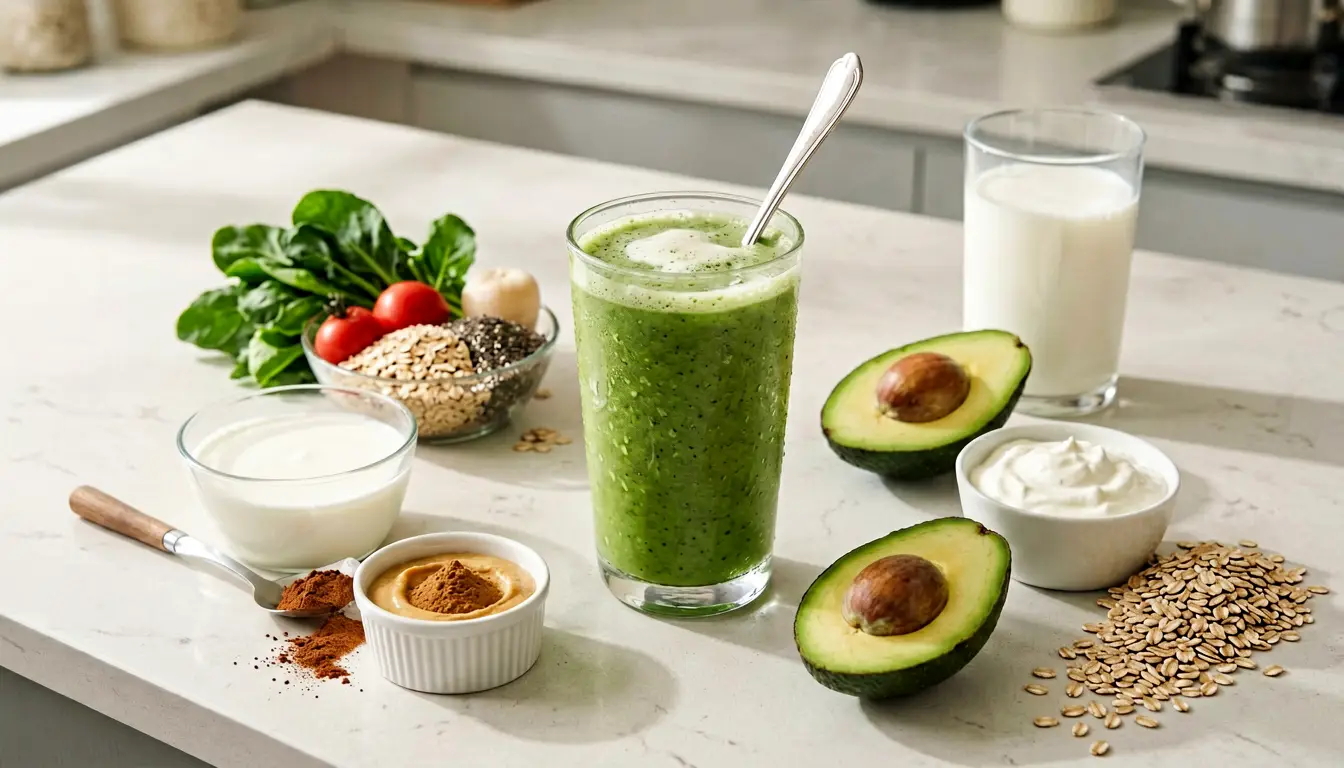
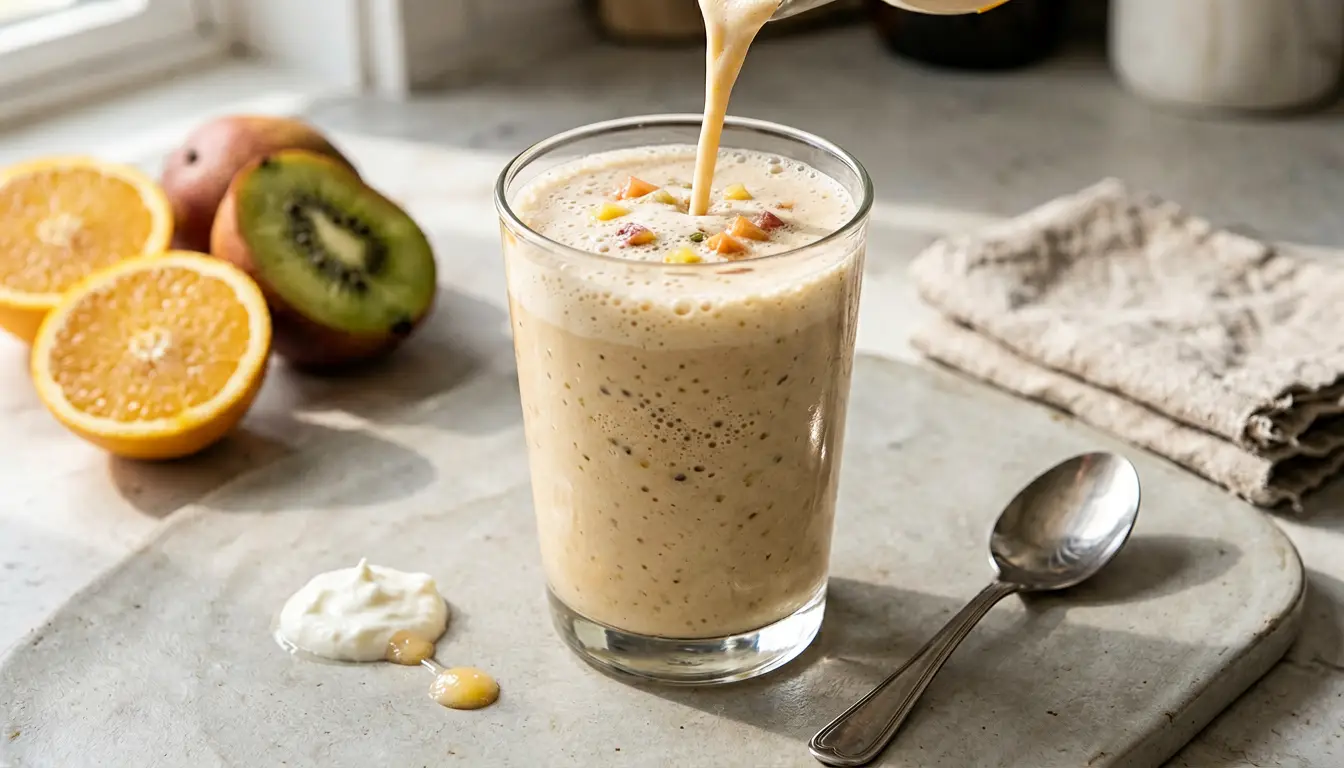
Yes, some bubbling in smoothies is normal. Blending pulls air into the drink, especially when the recipe is light, watery, protein-heavy, or blended a little too long. Foam and bubbles can look alarming, but they are often just a texture issue.
The key is knowing when the bubbles are just blender air and when the smoothie has sat long enough that the change feels off. If your bigger problem is texture, fix a gritty or uneven smoothie or check what makes smoothies frothy before changing the whole recipe.
Quick Answer
Yes, smoothies can bubble or foam from blending, especially when they include watery ingredients, protein powder, or a lot of air movement in the jar. That is usually normal.
The bigger question is whether the smoothie still smells, tastes, and behaves like a freshly blended drink. If it does, the bubbles are usually not the main problem.
What It Is / When to Use It
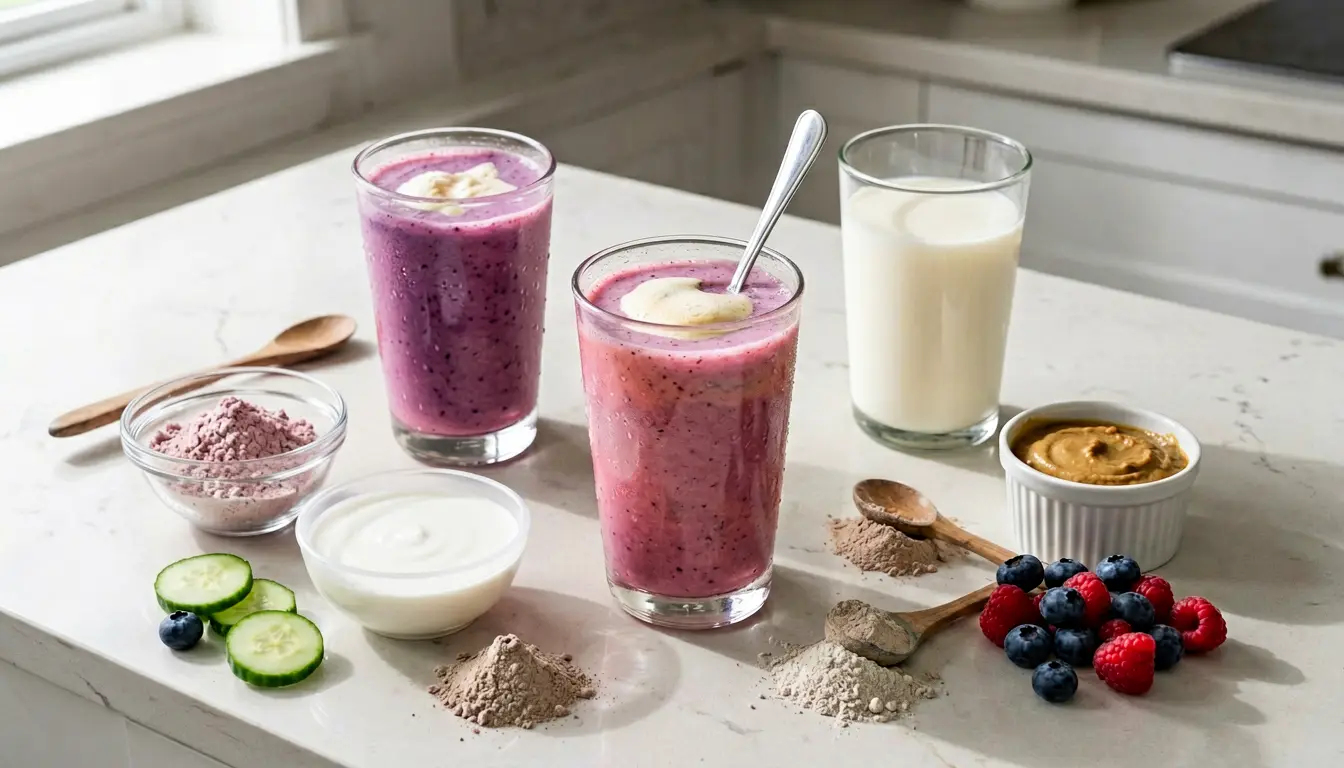
Bubbles show up most in lighter smoothies, fruit-and-water blends, protein smoothies, and recipes blended at high speed for longer than needed. Some fruits and powders trap more air than others.
This is mostly a texture and appearance question, not automatically a safety one.
Substitutes / Swaps
If the foam bothers you, use a slightly creamier base, reduce overblending, or let the smoothie sit for a minute before pouring. Thicker smoothies tend to look less bubbly than thin ones.
If the smoothie is also separating badly, a watery smoothie base or a thin recipe may be more relevant than the foam itself. For more body, use ingredients that make smoothies thicker without turning the drink heavy.
Prep Tips
Blend only as long as needed. Starting with the right liquid level and ingredient order helps the blender work cleanly without trapping as much air. Protein powders and frothy liquids can make bubbling more obvious.
If the smoothie is otherwise fine, give it a short rest and a gentle stir instead of assuming the bubbles mean something is wrong.
Storage / Reheat / Freeze
Freshly blended bubbles often settle with time. Reheating does not apply. If the smoothie becomes much foamier after sitting, or if the smell changes in a bad way, that is a different issue from normal blending air.
When in doubt, judge the whole smoothie, not only the top bubbles.
Frequently Asked Questions
Do bubbles mean my smoothie went bad?
Not automatically. Freshly blended bubbles are often just trapped air.
Why are protein smoothies extra foamy?
Protein powders and fast blending can trap more air and create more froth.
How do I make my smoothie less bubbly?
Blend only as long as needed, use enough body in the recipe, and let the smoothie rest briefly before drinking.
Is foam the same as separation?
No. Foam is trapped air near the top, while separation is the smoothie settling into layers.
When should bubbly smoothies worry me?
Mostly when the smell, taste, or overall storage history also seems wrong, not just because of light foam alone.
For more foam control, start with what makes smoothies frothy. If the drink feels gritty or thin instead, fix the not-smooth texture or a watery smoothie base before blaming the bubbles. If the foam appears after storage, check overnight smoothie storage too.