
As an affiliate, we may earn a commission from qualifying purchases. We get commissions for purchases made through links on this website from Amazon and other third parties.
Making a fruit smoothie is easy. Making one that tastes bright, blends smoothly, and does not turn thin halfway through the glass takes a little more thought. Most bad smoothies come from the same problems: too much liquid, too many random add-ins, or not enough frozen fruit to hold everything together.
The good news is that you do not need a complicated formula. Once you know how to build around fruit, texture, and blender order, you can make better smoothies with what you already have at home. If you want the big picture first, the best fruit smoothie ideas help with flavor direction, and how to make smoothies thick helps when texture is the main problem.
Quick Answer
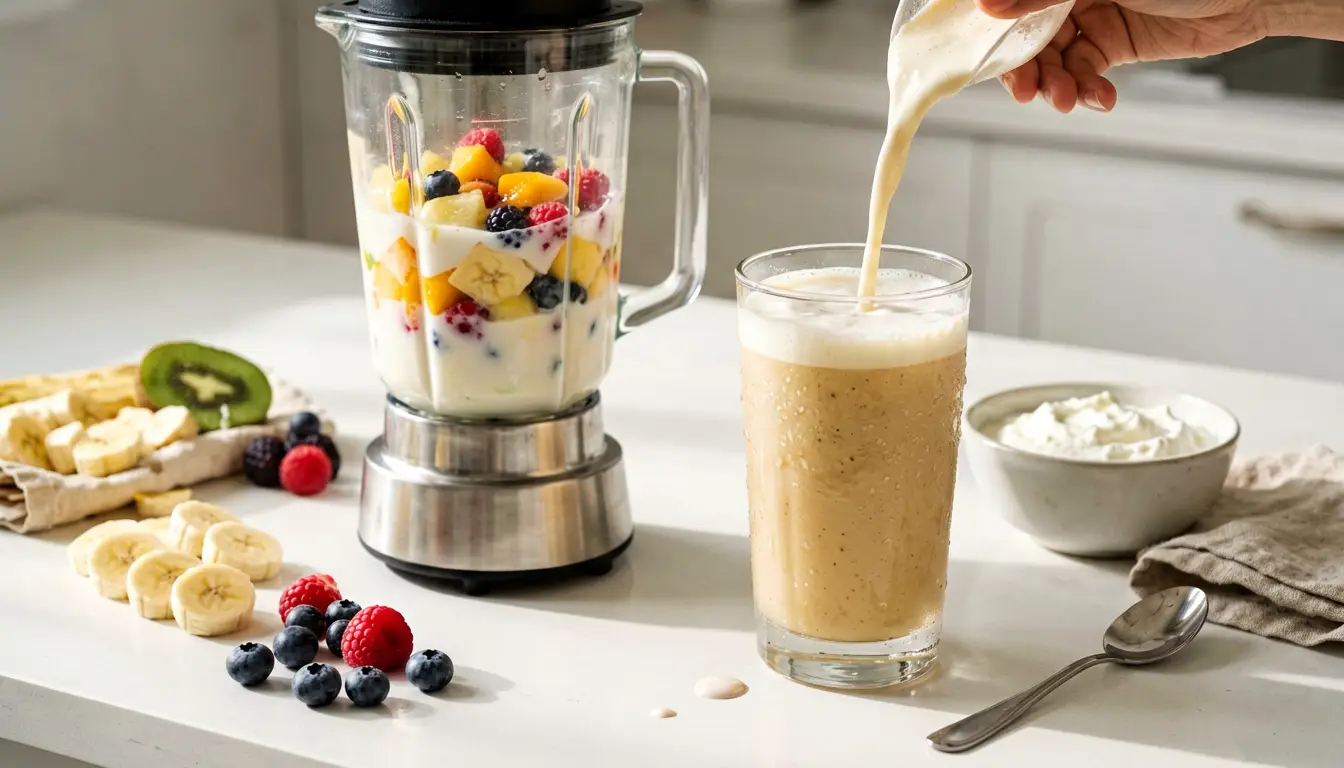
To make smoothies with fruit, start with fruit that makes sense together, use less liquid than you think you need, and include at least one ingredient that adds body, such as frozen banana, mango, yogurt, oats, nut butter, or avocado. Put the liquid in first, then soft ingredients, then frozen fruit last so the blender can pull everything down instead of stalling.
That order matters more than people expect. When the liquid reaches the blades first, the smoothie moves faster and stays smoother. When frozen fruit goes in first, the blender often struggles, and that is when people start pouring in extra liquid and end up with a watery drink. If you are still choosing your base, start with fruit that blends well, then use a better fruit-smoothie method to keep the glass cold, smooth, and balanced.
What You Need
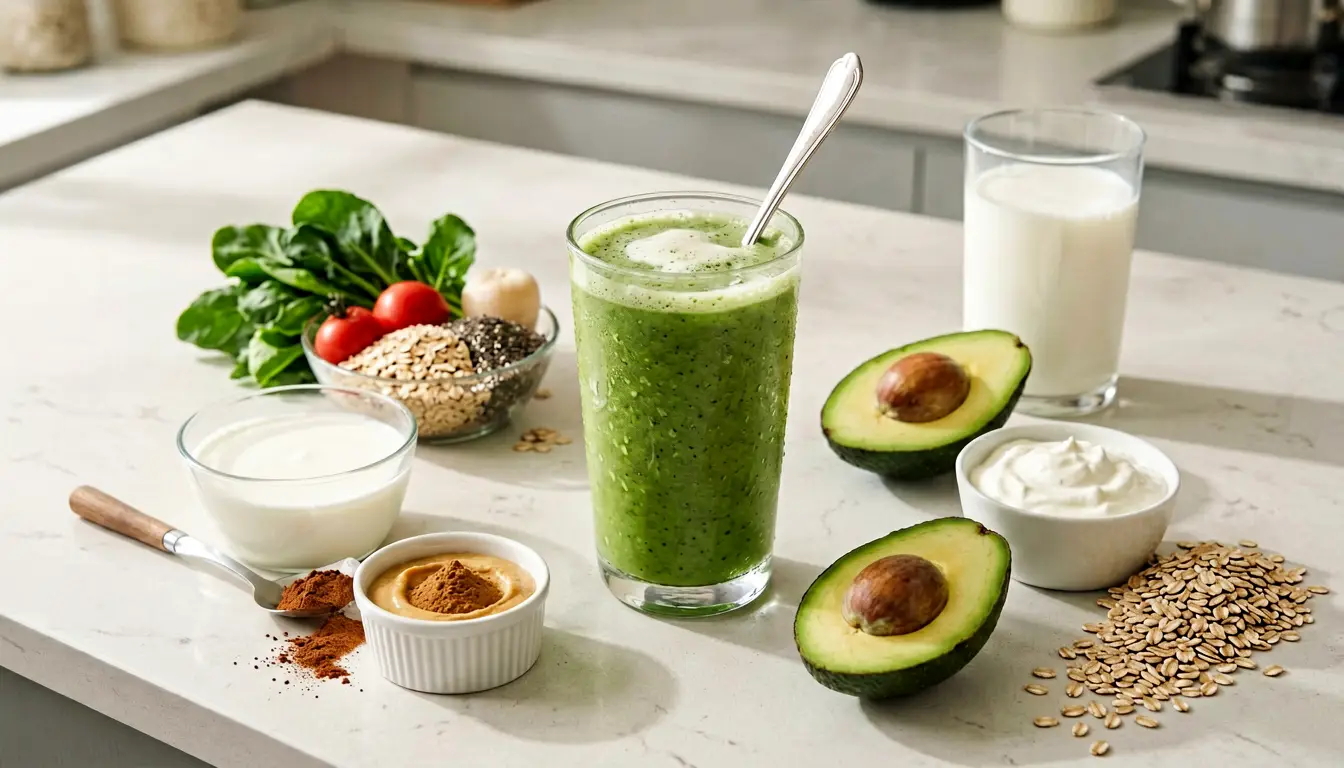
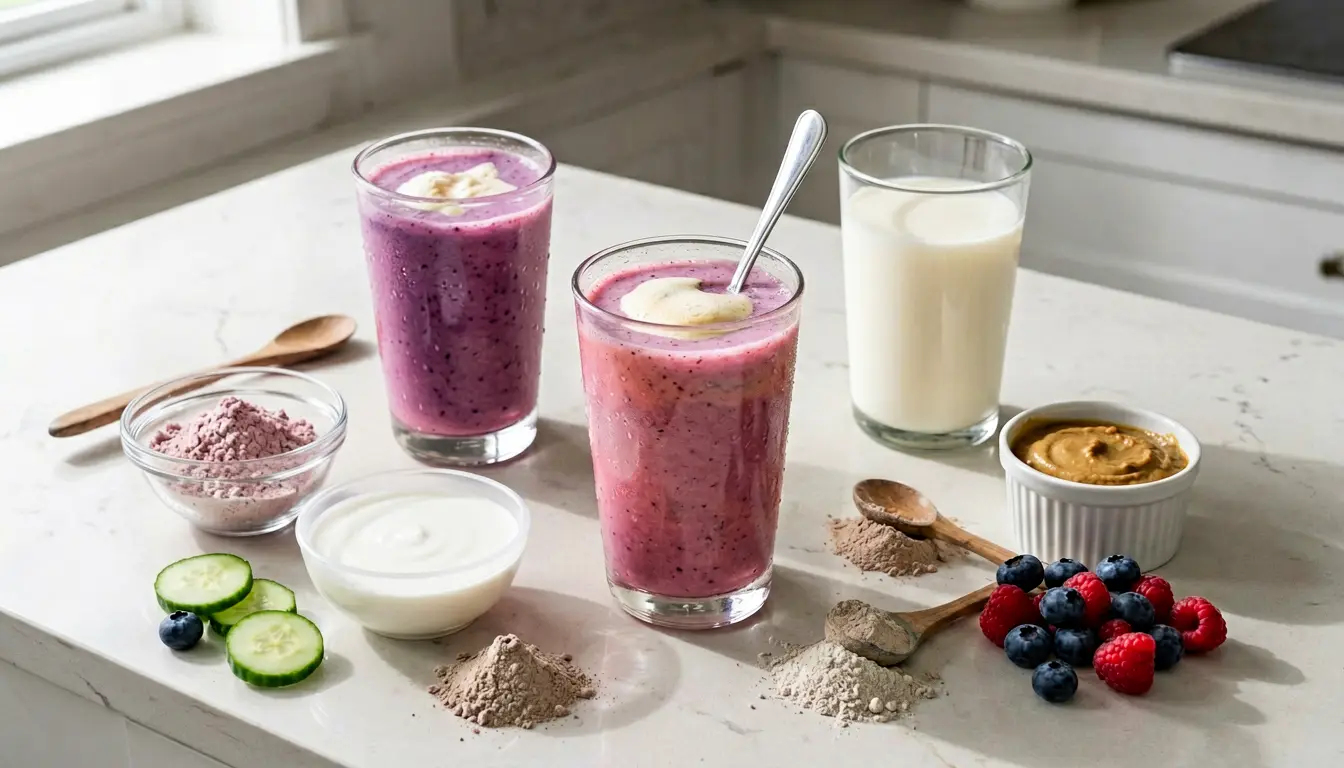
You do not need a long ingredient list, but you do need a few jobs covered. First, choose the main fruit flavor. That might be berries, mango, pineapple, peaches, melon, papaya, or another fruit that gives the smoothie its direction. Then add one ingredient that helps the texture. Frozen banana is the easiest choice, but yogurt, avocado, oats, chia, flax, tofu, or nut butter can all do that job too.
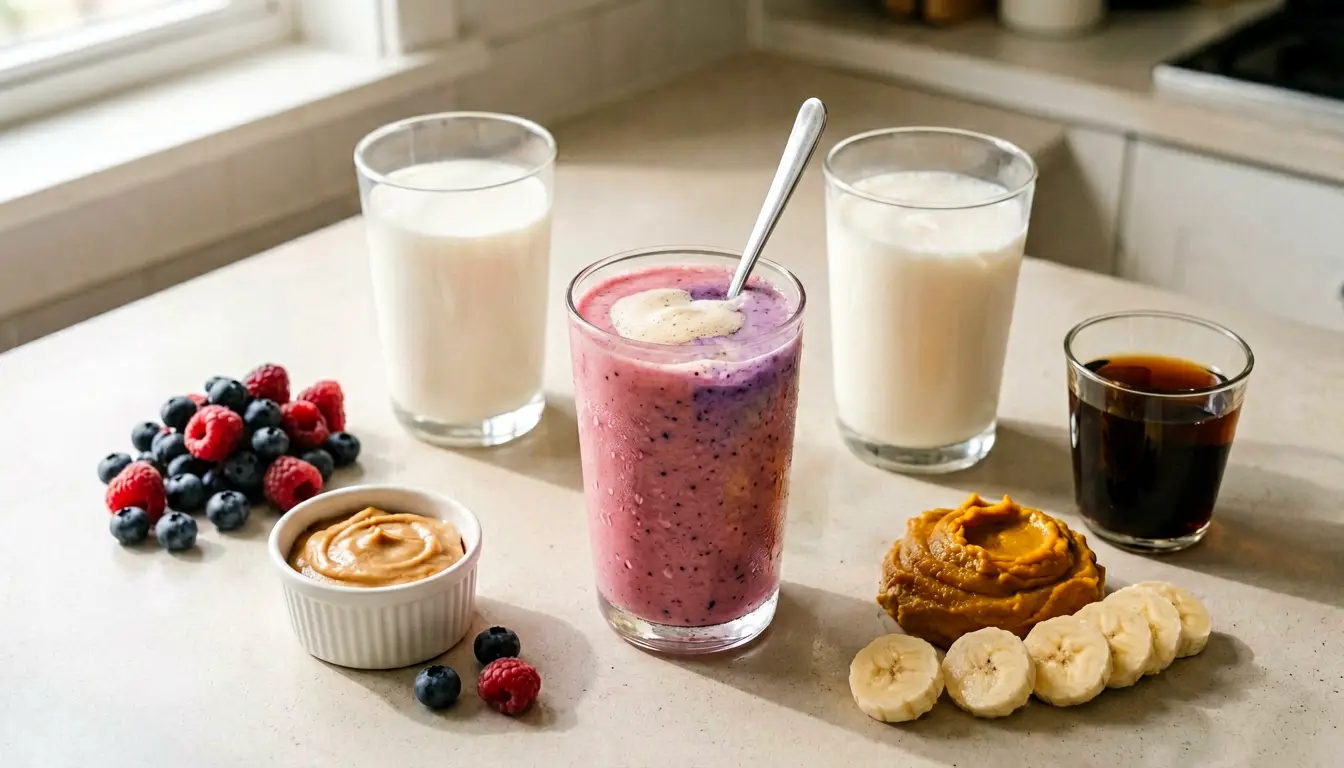
The liquid matters just as much. Water and coconut water keep things lighter. Milk and plant milks make smoothies rounder and creamier. Juice can brighten the fruit, but it is easier to overdo and end up with something sweeter and thinner than you wanted. If that is the question you are working through, can you make smoothies with water and which is better for smoothies, milk or water go deeper on that choice.
The last tool is temperature. Fresh fruit gives great flavor, but frozen fruit gives you a colder and thicker result. That is why many of the easiest everyday blends use both. A fresh peach with frozen mango, or fresh strawberries with frozen banana, usually works better than a blender full of all-fresh fruit and ice.
Step-by-Step
1. Start with a clear fruit combination
Pick one main fruit, then one or two support fruits that naturally fit with it. Strawberry and banana work because one gives brightness and the other gives body. Mango and pineapple work because both lean tropical, but pineapple adds enough tang to keep the blend from tasting flat. Watermelon and berry work because melon keeps the smoothie light while berries add more color and flavor.
Most smoothies taste better when the flavor path stays simple. Three fruits is usually enough. Once you start throwing in everything from the crisper drawer, the smoothie can taste muddy instead of fresh.
2. Add the liquid first
Pour the liquid into the blender before anything else. A good starting point is around 1 cup of liquid for about 2 cups of fruit, then adjust based on how watery the fruit already is. Melon, orange, and pineapple bring more liquid to the jar than banana, mango, or avocado do, so they usually need less help.
Start lower than you think. It is easy to thin a smoothie after the blades are moving. It is harder to fix one that already turned loose and washed out.
3. Add soft fruit and creamy ingredients next
Banana, yogurt, avocado, nut butter, oats, tofu, chia, or flax should go in before the frozen fruit. These ingredients help create the body of the smoothie, and they blend more evenly when they hit the liquid early.
This is also the easiest place to decide whether you need yogurt at all. You do not. If you want a dairy-free smoothie, frozen banana, avocado, oats, or nut butter can do a lot of the same texture work. For more fruit-forward ideas, use reliable fruit smoothie combinations or fresh fruit smoothie recipes that keep the flavor clean.
4. Add frozen fruit last
Frozen fruit is usually the easiest way to get a thick, cold smoothie without relying on ice. Ice can work, but it melts and softens the flavor as you drink. Frozen berries, mango, banana, peaches, and pineapple all give more body while keeping the fruit taste stronger.
If you are using greens, seeds, or oats, frozen fruit matters even more because it keeps the smoothie from turning flat or grainy. This is one reason berry smoothies and tropical smoothies often blend better with frozen fruit than with all-fresh fruit.
5. Blend, then adjust in small steps
Blend until the mixture looks smooth, then stop and check it. If the smoothie is too thick and the blender is struggling, add a small splash of liquid and blend again. If it is too thin, add more frozen fruit, a few spoonfuls of yogurt, half a banana, or another thickener instead of dumping in ice and hoping for the best.
That small-step adjustment is what keeps smoothies under control. Most texture problems happen because people make one big correction instead of two or three small ones.
Timing / Temperature / Texture Cues
The best fruit smoothie should look glossy and pourable, not foamy and runny. If it drops into the glass like juice, it probably needs more frozen fruit or another thickener. If it sits in the blender like a frozen lump and will not move, it needs a little more liquid or a stop-and-scrape reset before you keep blending.
Frozen fruit usually gives the best balance of cold and thickness, while all-fresh fruit often needs help. If you are aiming for a drinkable smoothie, stop once it is smooth and easy to pour. If you are aiming for a bowl or a much thicker breakfast blend, stop as soon as it reaches that soft-serve texture. Overblending can warm the jar and slowly thin the mixture.
Water-heavy fruits need their own expectations. A watermelon smoothie will always feel lighter than a banana or mango smoothie. A berry blend or a peach blend can hold more body with the same amount of liquid.
Mistakes to Avoid
Adding too much liquid at the start
This is the fastest way to ruin a smoothie. Start with less, then add more only if the blender needs help. Water, milk, or juice can always go in later, but once the smoothie is too thin, you have to rebuild thickness with more ingredients.
Using only soft fresh fruit
If every fruit in the blender is fresh and soft, the smoothie often comes out loose unless you add something colder or creamier. Frozen fruit is usually the easiest fix.
Relying on ice for all the thickness
Ice chills a smoothie, but it also dilutes it as it melts. Frozen fruit gives you a thicker result with more flavor. That is why it usually works better in fruit-first blends.
Ignoring the order in the blender
Liquid first, then soft ingredients, then frozen fruit is still the safest order. It helps the blades catch the mixture properly and lowers the chance that you keep pouring in extra liquid just to get things moving.
Overcomplicating the flavor
A smoothie does not need seven fruits, three powders, and two sweeteners to taste good. A few ingredients that do different jobs will usually give you a cleaner and more repeatable result. If you want more structure around that, what is the best thing to put in smoothies is a useful follow-up.
Frequently Asked Questions
What fruit works best in smoothies?
Banana, berries, mango, pineapple, peaches, and melon are some of the easiest fruits to use because they blend well and pair easily with other ingredients. Banana and mango are especially useful when you want more body.
Do I need yogurt to make a good fruit smoothie?
No. Yogurt adds tang and thickness, but banana, avocado, oats, tofu, chia, flax, and nut butter can all help build a smooth texture without it.
What liquid is best for fruit smoothies?
That depends on the result you want. Milk and plant milks usually make smoothies creamier, while water and coconut water keep them lighter. Juice can brighten the flavor, but too much can make the smoothie sweeter and thinner.
Should fruit be fresh or frozen?
Both can work. Fresh fruit often tastes brighter, while frozen fruit helps with thickness and chill. A mix of fresh and frozen is usually the easiest balance for everyday smoothies.
Why does my fruit smoothie come out watery?
Usually because it has too much liquid, too much water-heavy fruit, or not enough frozen fruit or creamy ingredients to give it body. Starting with less liquid helps more than most people expect.
Can I prep fruit smoothies ahead of time?
Yes. Freezer packs are usually easier than storing a fully blended smoothie overnight because the texture stays better. If you want the fruit cold and ready before the blender even comes out, use the make-ahead smoothie guide.
If the flavor is right but the sip feels thin, start with thicker smoothie technique before adding more fruit. For a new glass to try tomorrow, reliable fruit smoothie combinations give you pairings that taste intentional. When you want something lighter and brighter, fresh fruit smoothies keep the fruit clean and easy to drink.