
As an affiliate, we may earn a commission from qualifying purchases. We get commissions for purchases made through links on this website from Amazon and other third parties.
The best way to make fruit smoothies is to keep the method simple and let the fruit lead. That means using a sensible amount of liquid, choosing fruits that work well together, and adding just enough support to keep the texture smooth instead of watery.
Fruit smoothies get messy when the drink tries to be too many things at once. A cleaner method gives you better flavor and fewer fixes later.
Quick Answer
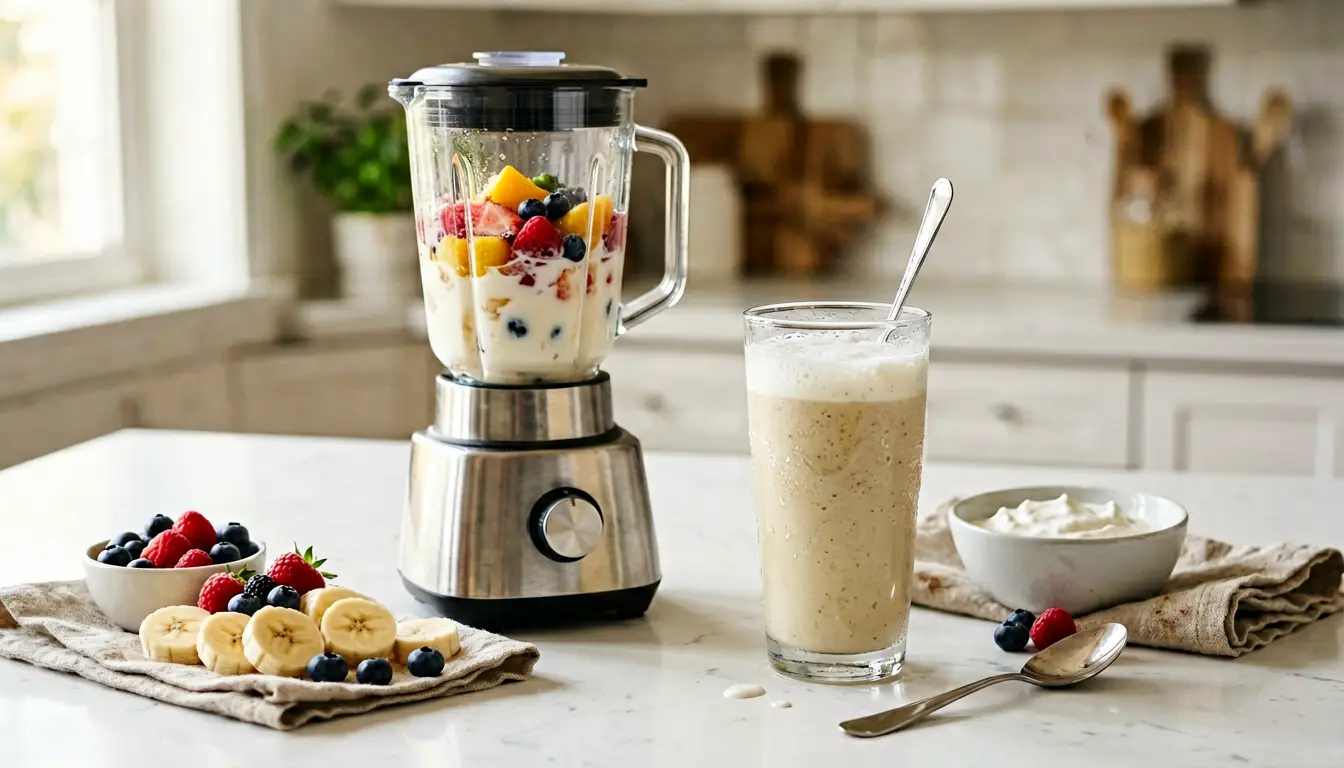
The best way to make fruit smoothies is to use fruit as the main base, start with less liquid than you think you need, and rely on frozen fruit instead of lots of ice. Add liquid first, then softer ingredients, then the fruit, and blend just until smooth.
If the smoothie needs help, adjust in small steps. More liquid loosens it, while frozen fruit, banana, mango, yogurt, or oats can thicken it.
What It Is / When to Use It
This approach works best when you want the smoothie to taste fruity first, not buried under too many powders or extras. It is especially helpful for breakfast smoothies, lighter snack smoothies, and warm-weather blends.
The key difference between a good fruit smoothie and a weak one is often the fruit balance. One lead fruit and one support fruit usually work better than several fruits competing at once.
If you want a fruit list before choosing your lead flavor, start with fruits that make good smoothies. If you already have the fruit but need the general method, how to make smoothies with fruit gives the broader process.
Substitutes / Swaps
If you want a creamier fruit smoothie, use milk, yogurt, or banana. If you want a lighter one, use water, coconut water, or orange juice. If you want more body without dairy, use mango, avocado, oats, or chia.
If you only have fresh fruit, chill it first or freeze part of it ahead. That usually gives a better result than adding too much ice.
If the liquid choice is the part that keeps changing the result, check whether smoothies work with water before adjusting the fruit.
Prep Tips
Pick a lead fruit such as mango, berries, pineapple, peach, or banana. Then choose one support fruit that either adds contrast or supports texture. Keep the liquid measured instead of free-poured.
Blend only until smooth. Overworking a fruit smoothie can warm it up and make it feel thinner than it should.
If the texture still misses, fix the direction instead of starting over. Use a thicker smoothie method for loose blends and the general smoothie method when the whole process feels inconsistent.
Storage / Reheat / Freeze
Fruit smoothies are best soon after blending. If you need to prep ahead, portion fruit into freezer packs and blend later for a fresher result.
If you store the finished smoothie in the fridge, expect some separation. Shake or reblend before drinking.
For make-ahead fruit prep, frozen fruit for smoothies can be more useful than trying to hold the finished drink for too long.
Frequently Asked Questions
Should fruit smoothies use fresh or frozen fruit?
Both can work, but frozen fruit usually makes it easier to get a colder and thicker smoothie.
What liquid is best for fruit smoothies?
Milk gives more creaminess, while water, juice, and coconut water keep fruit smoothies lighter.
How many fruits should go in a fruit smoothie?
Usually one lead fruit and one support fruit is enough for a clear, balanced flavor.
Why do fruit smoothies turn watery?
They usually start with too much liquid or rely on very juicy fruit without enough support.
Is ice needed in fruit smoothies?
Not always. Frozen fruit often works better than ice because it chills the smoothie without diluting it as much.
For ingredient choices, read what to put in smoothies before adding extras. If the equipment is the issue, what to make smoothies with is the better next step.