
As an affiliate, we may earn a commission from qualifying purchases. We get commissions for purchases made through links on this website from Amazon and other third parties.
Milk and water can both work in smoothies, but they create different drinks. Milk usually gives a fuller, creamier result. Water keeps the smoothie lighter and lets the fruit stand out more directly.
So the better choice depends on what kind of smoothie you want, not on one base being correct for every blend.
Quick Answer
Milk is usually better for creamier, fuller smoothies, while water is better for lighter, fruit-forward smoothies. If you want body and softness, choose milk. If you want a cleaner, lighter drink, choose water.
Neither is automatically better. The best one matches the smoothie you are trying to make. If you are building around fruit first, making smoothies with fruit will help you choose the liquid after the flavor is set.
Key Differences
Milk changes both flavor and texture. It can soften tart fruit, make the smoothie richer, and help it feel more filling. Water keeps the flavor cleaner but does not add much body, so the fruit and texture ingredients need to do more work.
That is why milk often works well in breakfast smoothies, while water can work better in very fruity or tropical blends. If a water-based smoothie tastes thin, use thicker smoothie ingredients instead of just pouring in more liquid.
Best For
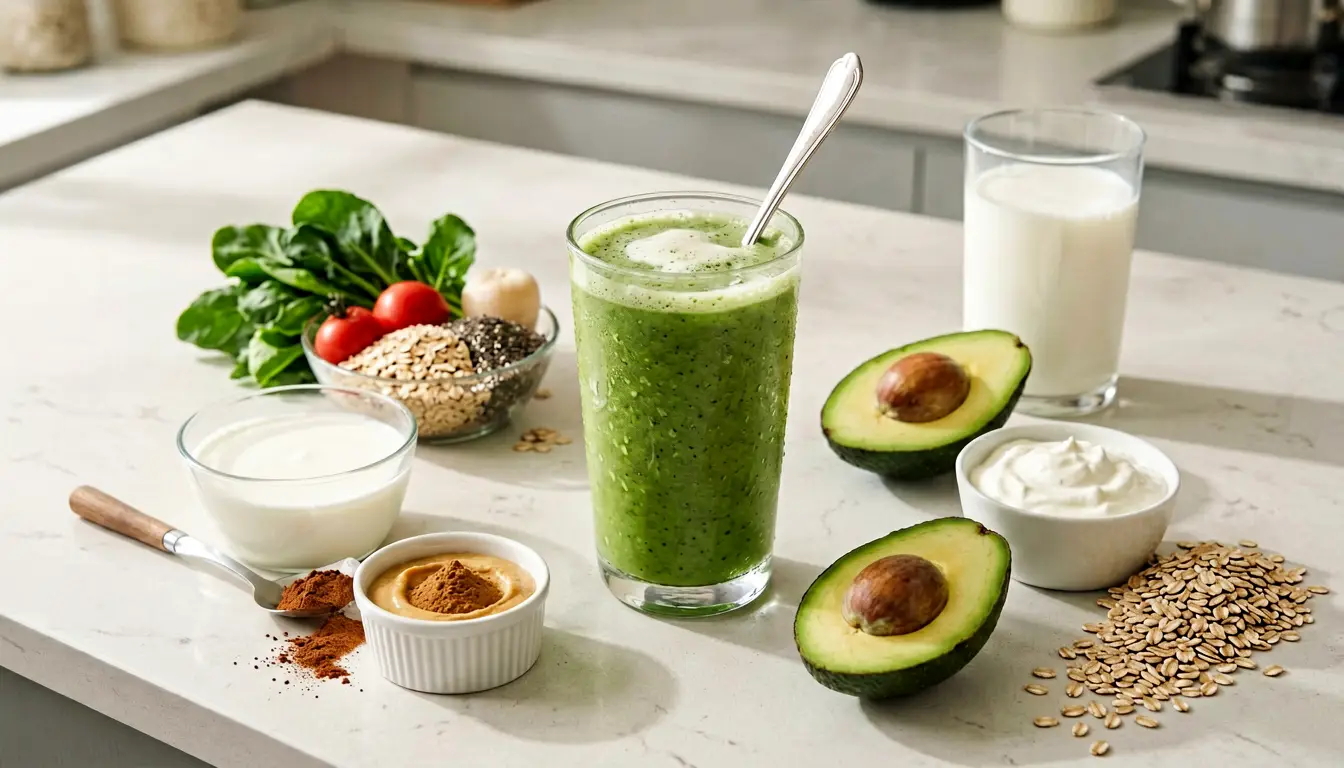
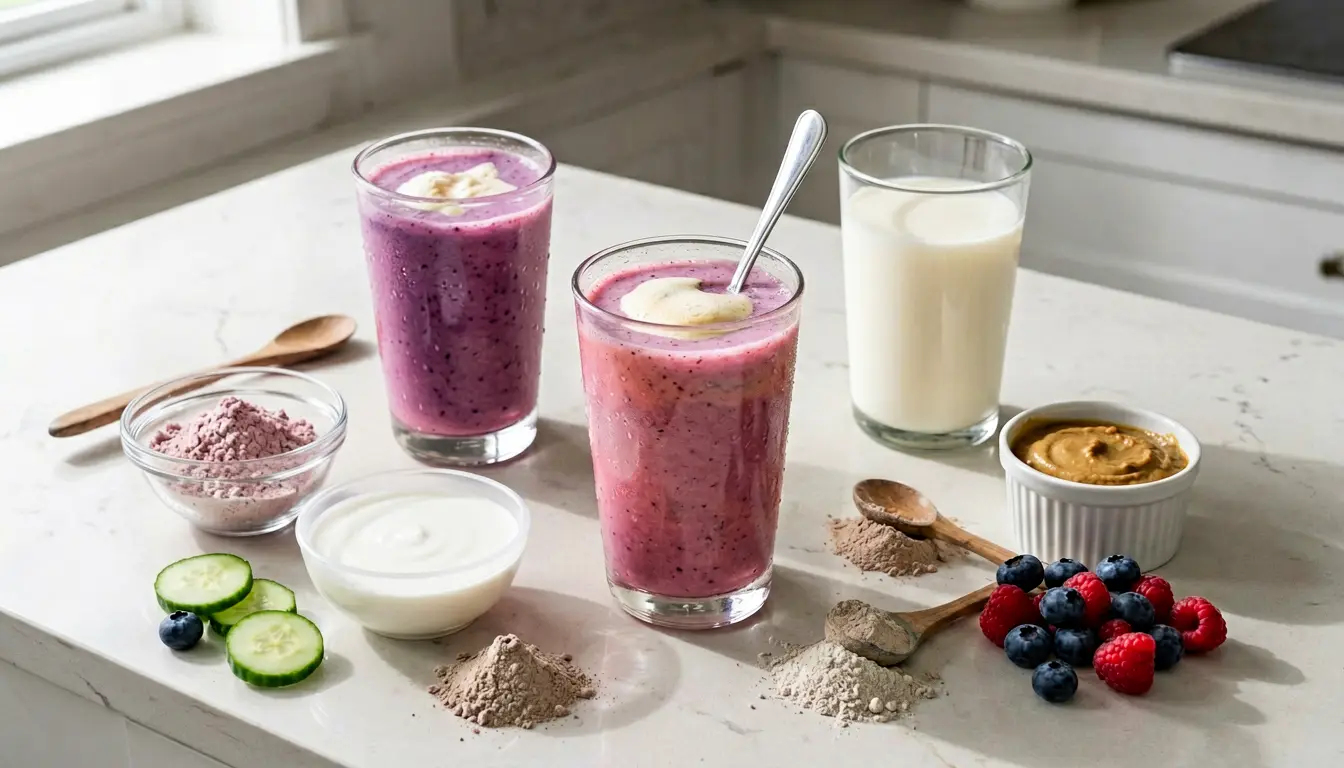
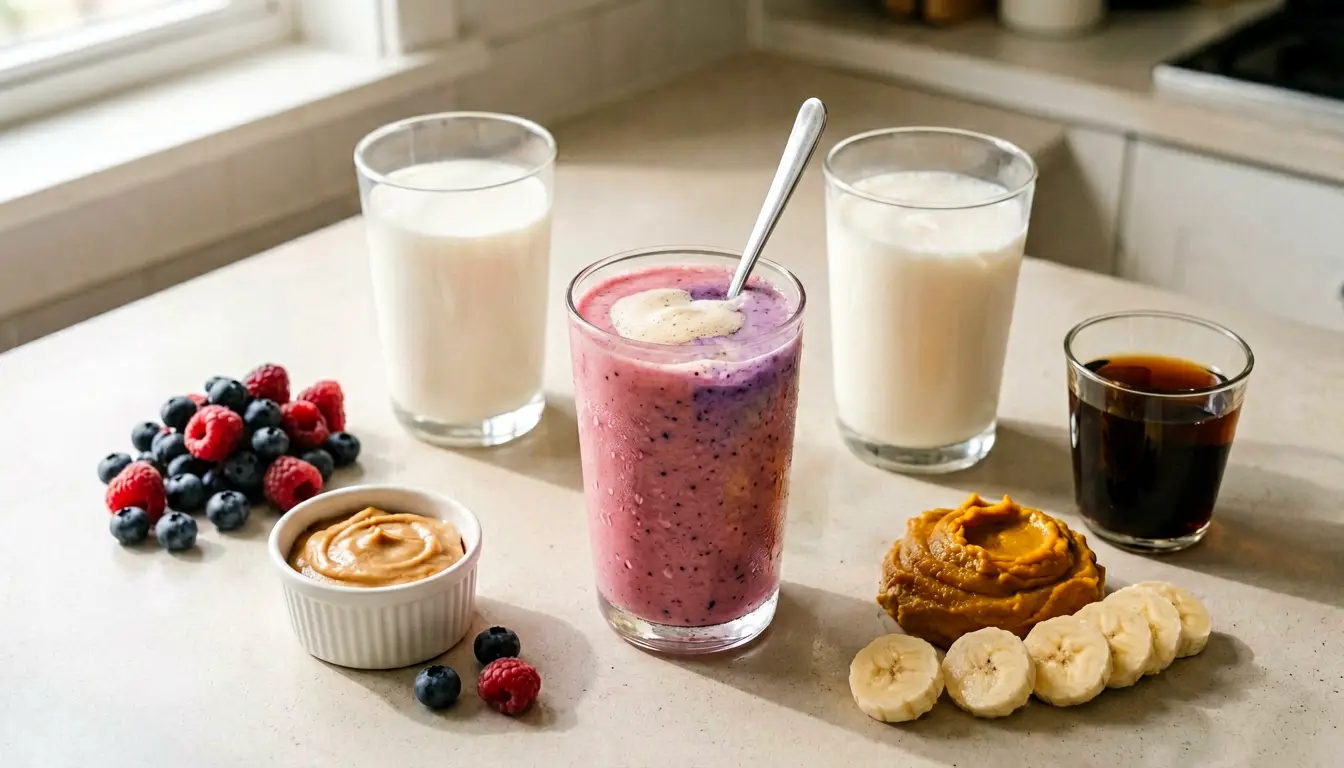
Milk is best for creamy smoothies, dessert-style smoothies, and blends that include banana, oats, nut butter, cocoa, or yogurt.
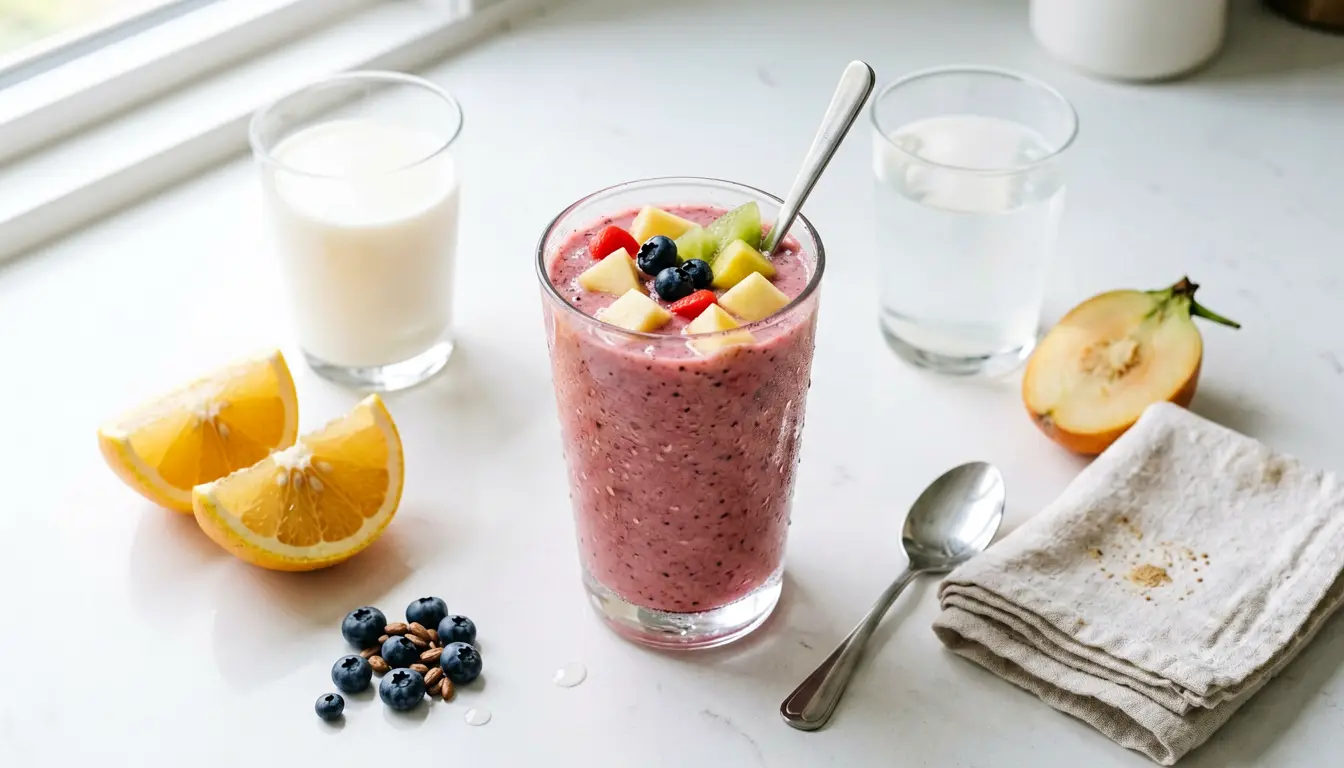
Water is best for lighter smoothies, cleaner fruit blends, and cases where you do not want the liquid base to change the flavor much. For a direct water-based version, making smoothies with water works best when frozen fruit and body-building ingredients do some of the texture work.
When to Choose Milk
Choose milk if you want the smoothie to feel thicker, softer, and more rounded. It is a strong choice when the smoothie includes ingredients that already lean creamy.
Milk also works well when you want the smoothie to feel more breakfast-like or more filling. If dairy is not the right fit, oat milk smoothies and coconut milk smoothies give you creamy options with different flavors.
When to Choose Water
Choose water if you want the fruit to stay in front, the smoothie to feel lighter, or the ingredient list to stay simple. It can be a good choice for juicy fruits, green smoothies, and warmer-weather drinks.
Just remember that water adds almost no body, so the rest of the smoothie needs to support the texture. If the drink becomes loose, fix a watery smoothie before adding sweeteners to cover the weak flavor.
Frequently Asked Questions
Does milk make smoothies thicker than water?
Yes. Milk usually gives smoothies a fuller and creamier texture than water does.
Is water bad for smoothies?
No. Water works well for lighter fruit-forward smoothies if the rest of the ingredients support the texture.
Which tastes better in smoothies, milk or water?
That depends on the smoothie. Milk tastes better in creamy blends, while water can taste better in lighter, fresher fruit smoothies.
Can I use both milk and water in a smoothie?
Yes. Using both can help you lighten the smoothie without losing all the creaminess.
What should I use for a banana smoothie?
Milk often works well for banana smoothies because banana already supports a creamier texture.
For a lighter base, compare smoothies made with water with your usual milk blend. If creaminess is the goal, learn what makes smoothies creamy before choosing the best thing to make smoothies with.