
As an affiliate, we may earn a commission from qualifying purchases. We get commissions for purchases made through links on this website from Amazon and other third parties.
Juicers are worth it for people who will use them regularly and actually want juice, not just "something healthy." That is the short version.
For everyone else, the answer gets harder. Juicers can help you make fresh juice at home and control ingredients, but they also cost money, remove a lot of the fiber, create cleanup work, and often solve a problem that a blender or whole produce could handle more simply.
Quick Answer
Juicers are worth it when you enjoy fresh juice enough to use the machine often, care about that specific drink format, and accept the cost and cleanup that come with it. They are usually not worth it if you mainly want a convenient healthy habit, because blending or eating whole produce often gives better value.
The biggest buying mistake is thinking a juicer is a shortcut to health by itself. It is an appliance, not a nutrition solution.
What You Are Actually Paying For
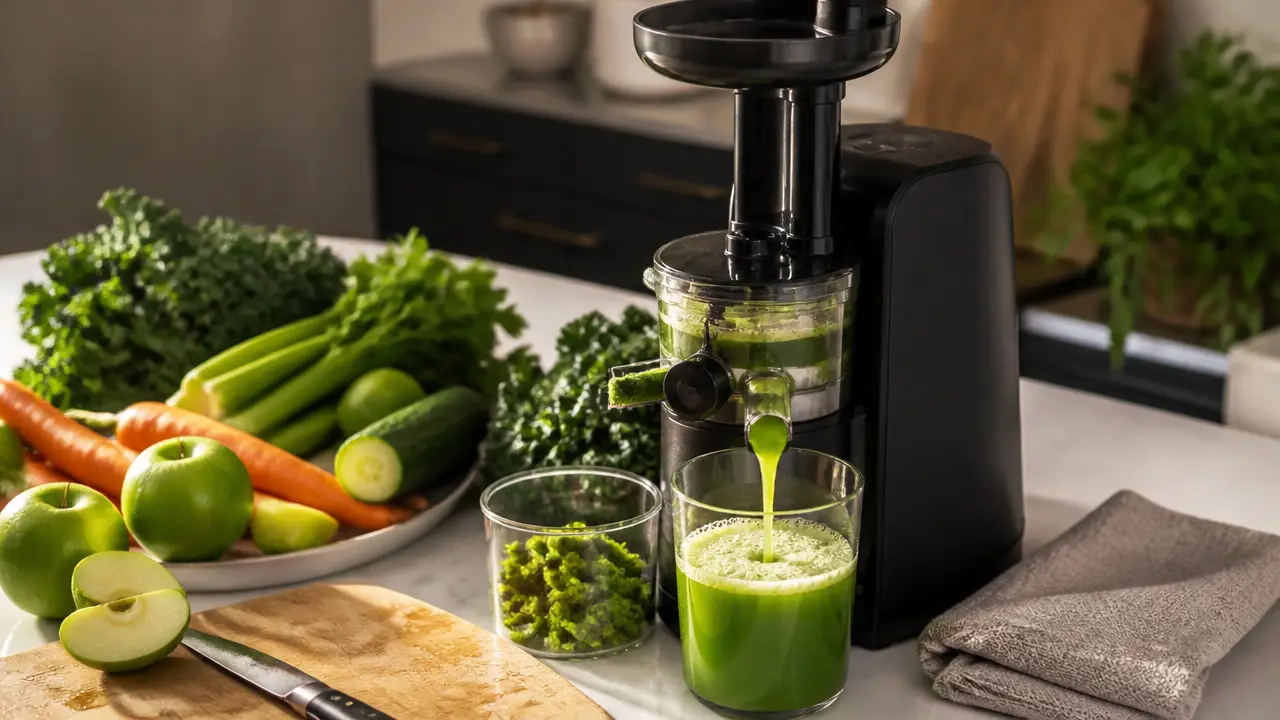
When you buy a juicer, you are paying for convenience of access to fresh juice, ingredient control, and a specific drinking experience. For some people, that matters. Fresh juice can taste better than bottled options, and making it at home lets you choose the produce and skip preservatives or added ingredients.
The cost argument only works in a narrow way: if you buy premium bottled juice often, home juicing can become cheaper over time after the initial machine cost. But that only works if you actually keep using the machine.
That last part is where many purchases fail. A juicer only saves money when it becomes part of the routine instead of becoming another appliance you regret owning.
Why Some People Say Juicers Are Worth It
Fresh juice tastes better
This is one of the strongest practical arguments. Homemade juice is more customizable, often tastes fresher, and does not depend on bottled shelf-life compromises.
You control the ingredients
You know exactly what goes into the drink. That matters if you want more vegetables, less sweetness, or combinations that are hard to find in stores.
It can help some people eat more produce
Not everyone enjoys chewing large amounts of produce every day. Juicing can be an easier way for some people to work fruits and vegetables into the day, even if it is not nutritionally identical to whole produce.
The experience is different from smoothies
Juicing gives you a lighter, thinner drink without the thickness of blended fiber. Some people simply prefer that.
Why Juicers Often Are Not Worth It
They remove much of the fiber
This is one of the most important tradeoffs. Juicing separates out a lot of the pulp and fiber that make whole fruits and vegetables more filling. That is a major reason blending often makes more sense for breakfast or weight-management routines.
Blending usually preserves more fiber and supports fullness better, while juicing makes it easier to consume sugars more quickly without feeling as satisfied.
Cleanup is real
A juicer is not just a drink. It is produce prep, machine assembly, pulp handling, and washing parts after every use. If you already struggle to keep a simple breakfast habit, a juicer may add too much friction.
The cost adds up
You are paying for the machine and the produce. Some juice recipes also use more produce than people expect for one glass, which makes the routine feel expensive fast.
Juice is not a magic health shortcut
Detox and cleanse hype is the wrong way to judge the purchase. Juice can fit into a healthy routine, but juice-only thinking is a weak long-term strategy. Whole foods still matter.
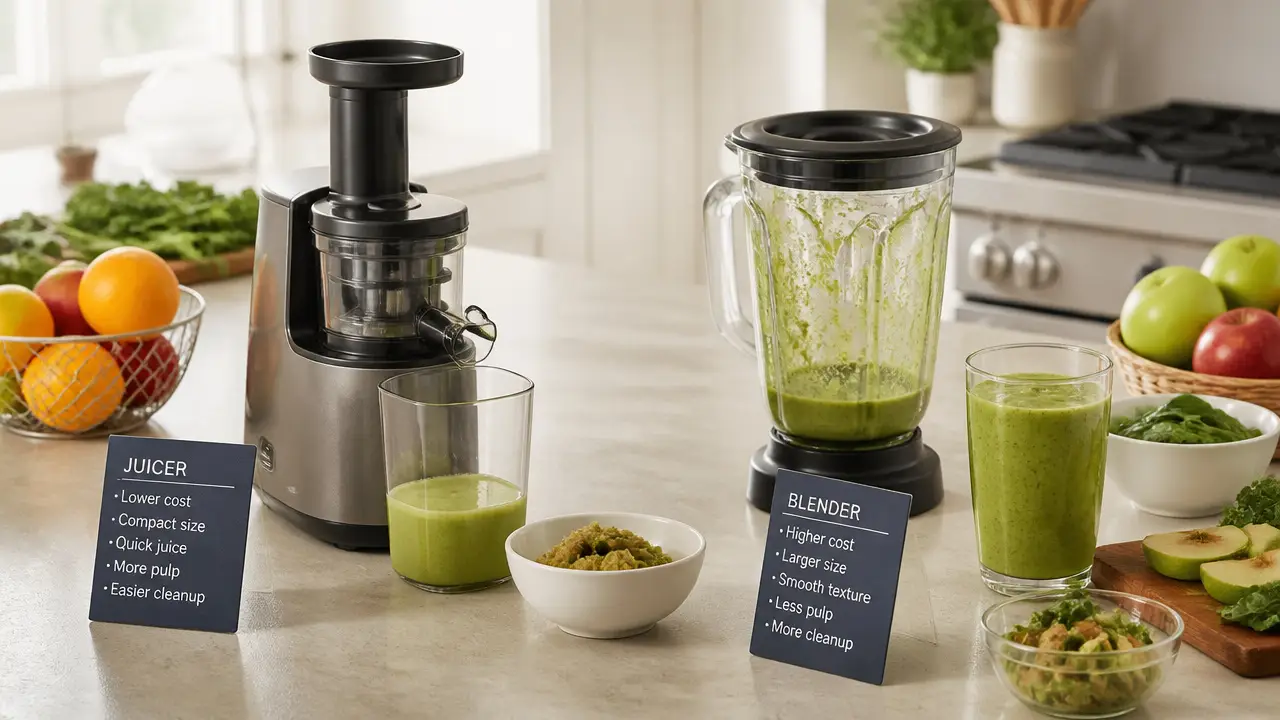
Juicer vs Blender: Which Is Usually Better?
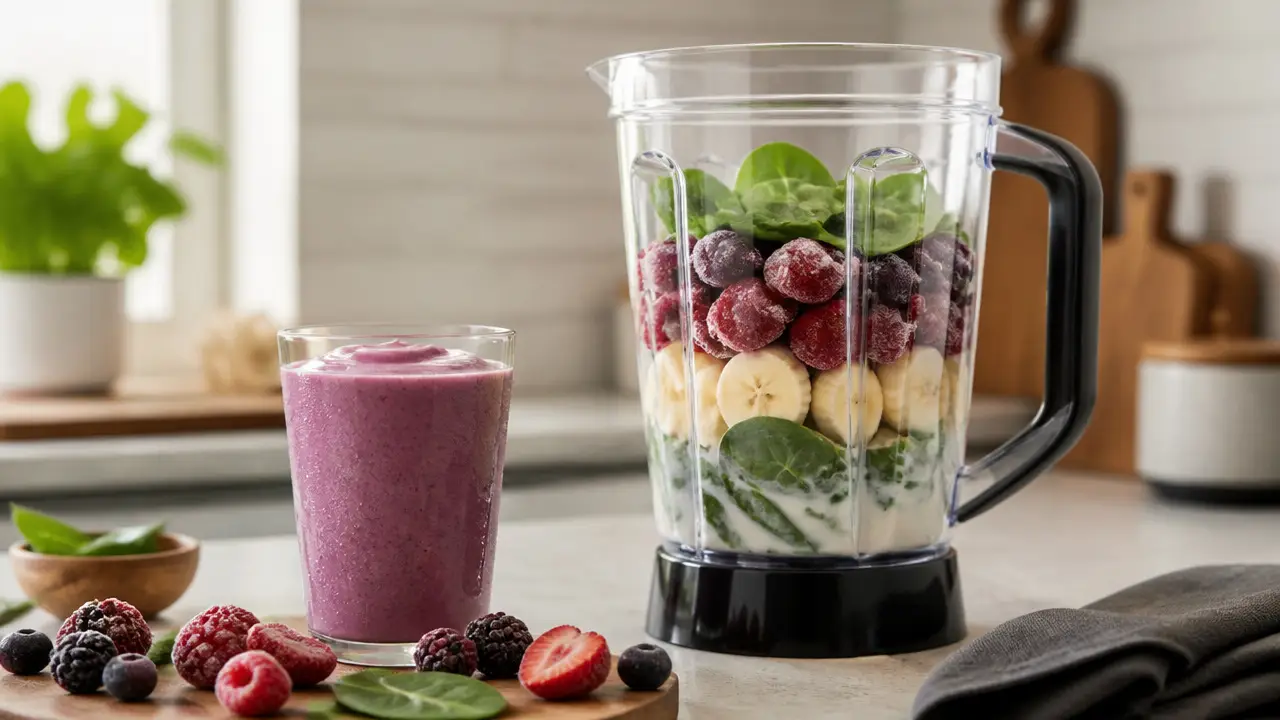
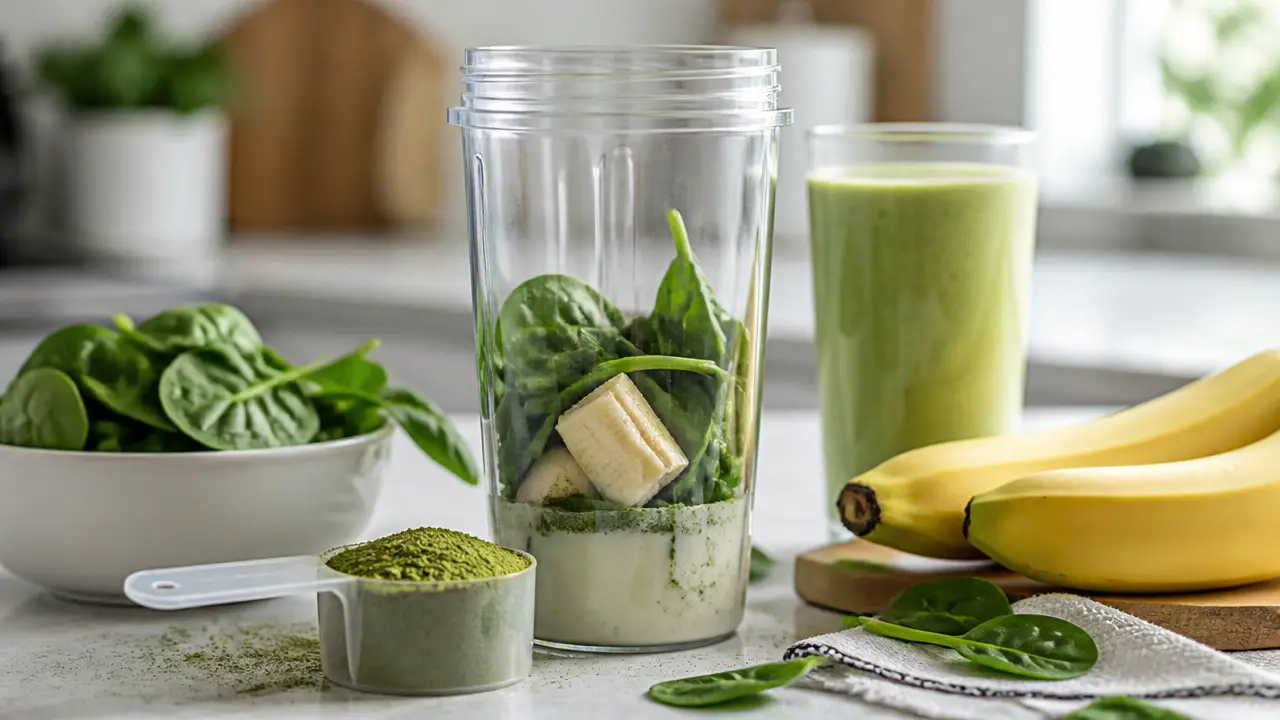
For most people, a blender is the better first buy. Blending keeps the fiber, makes it easier to add protein and healthy fats, and tends to create a more filling drink.
That is why people asking whether juicers are worth it should often compare the alternative first. If your real goal is a satisfying breakfast or easier daily nutrition, the best blender for smoothies or the best smoothie maker may solve the problem better.
Juicing makes more sense when you specifically want juice, prefer a lighter drink, or care enough about that format to accept its limitations.
When a Juicer Makes Sense
A juicer is more likely to be worth it if:
- You already buy fresh juice often.
- You prefer juice to smoothies.
- You want more control over ingredients and flavor.
- You are willing to clean the machine every time.
- You understand that juice complements a diet instead of replacing it.
It is less likely to be worth it if:
- You want the most filling option.
- You hate washing appliance parts.
- You are on a tight budget.
- You mostly want one quick healthy breakfast.
- You think juicing will automatically improve your diet without other changes.
Better Alternatives for Many Buyers
A blender
This is the most obvious alternative. It gives you more fiber, more satiety, and more flexibility with ingredients like yogurt, protein powder, oats, or nut butter.
A citrus tool
If you mostly want orange juice or lemon water, a full juicer is often overkill. A hand juicer for oranges can be the smarter buy.
A hybrid juicer-blender setup
If you genuinely want both formats, the best juicer for smoothies and juice may be more practical than buying a dedicated juicer first.
Better smoothie ingredients
Sometimes the real problem is not the appliance. It is what goes into the drink. The best milks for smoothies, the best protein powders for smoothies, and the best frozen fruit for smoothies can improve daily nutrition with less friction.
Final Take
Juicers are worth it for committed juice drinkers. They are not usually worth it for people who are just looking for an easier healthy habit.
That difference matters. If you love the idea of fresh juice enough to clean the machine, buy produce for it regularly, and keep the habit going, a juicer can make sense. If you mostly want convenience, fullness, and better weekday nutrition, blending usually wins.
Frequently Asked Questions
Are juicers worth it for health?
They can be part of a healthy routine, but they are not automatically the healthiest choice. Because juicing removes much of the fiber, whole produce and blended drinks are often more filling and more practical.
Are juicers worth it compared with blenders?
Usually not for most people. Blenders often give better value because they keep the fiber, support fuller meals, and work for more recipes.
Do juicers save money?
They can if you already buy expensive bottled juice and actually use the machine regularly. If the juicer sits unused, it does not save anything.
Are cold press juicers worth it?
They can be, especially if you care about smoother juice, lower foam, and better yield enough to accept slower prep and higher cost.
Is juicing better than eating fruit?
No. Whole fruit is usually more filling because it keeps the fiber and takes longer to consume.
Who should not buy a juicer?
People who want the easiest healthy habit, dislike cleanup, or mainly want filling breakfast drinks should usually skip a juicer and start with a blender instead.
If you are still comparing options, start with the cold press juicer buying guide to understand the slower-juicer tradeoff. If you want one appliance to cover more drinks, compare juicers for smoothies and juice before buying a dedicated machine.