
As an affiliate, we may earn a commission from qualifying purchases. We get commissions for purchases made through links on this website from Amazon and other third parties.
Meal replacement shakes sound like smoothie shortcuts, but the good ones do more than add protein. They need enough fiber, nutrition coverage, and texture support to feel like a real breakfast or lunch backup instead of just a snack in a shaker bottle.
That is why smoothie lovers should shop this category differently. You are not just looking for a powder that mixes with water. You want something that can slide into a blender, work with fruit or milk, and still feel satisfying enough to carry a meal.
If you only need extra protein, start with the best protein powders for smoothies. If your main issue is smoothie texture or fullness, the best milks for smoothies and the best frozen fruit for smoothies may matter just as much.
What Makes a Good Meal Replacement Shake for Smoothies
A good meal replacement for smoothie lovers should do four things well: give enough protein and fiber to feel substantial, blend into a decent texture, fit the flavor profile of real smoothies, and make daily use easy enough that you will actually stick with it.
This is where a lot of products miss. They may check a nutrition box, but if they taste dusty, overly sweet, or flat inside a blended drink, they stop being realistic. Smoothie compatibility is part of the value.
Quick Picks
- Best Overall: Ka'Chava Whole Body Meal Shake for the broadest all-in-one smoothie-meal positioning with strong texture appeal.
- Budget Pick: Orgain Organic Vegan Meal Replacement Powder for a cleaner, lower-cost option that still works well in smoothies.
- Premium Pick: Garden of Life Raw Organic Meal for fiber and meal-like support in a lower-calorie serving.
- Best for Daily Use: Huel Black Edition for high-protein repeat use when meal replacement is a real weekday habit.
Best Overall
Budget Pick
Premium Pick
Best for Daily Use
Comparison Table
| Product | Best For | Key Strength | Main Tradeoff |
|---|---|---|---|
| Ka'Chava Whole Body Meal Shake | Smoothie-style meal replacement | Rich all-in-one formula with smoothie-friendly texture claims | Expensive for daily long-term use |
| Orgain Organic Vegan Meal Replacement | Everyday value | Solid plant protein plus fiber and greens at a friendlier price | Less premium texture and formula depth than the top pick |
| Garden of Life Raw Organic Meal | Lighter meal-style smoothies | 20g protein, 7g fiber, and broad nutrient support | Grittier texture can still show up |
| Huel Black Edition | High-protein daily routine | 40g protein with complete-meal framing | More utilitarian than smoothie-indulgent |
Quick Decision Guide
- Pick Ka'Chava if you want the most smoothie-friendly all-in-one meal replacement.
- Pick Orgain if you want the best everyday value without giving up the basic meal-replacement job.
- Pick Garden of Life if fiber and meal-like support matter more than ultra-smooth texture.
- Pick Huel Black if high protein and weekday consistency matter most.
Skip this category if you do not actually need a meal replacement. In many cases, better protein powder, milk, and frozen fruit create a more flexible smoothie for less money.
Top Picks
1 / 4
Ka'Chava Whole Body Meal Shake

Formula
Plant protein with greens, MCTs, probiotics, enzymes, and adaptogen-style extras
Positioning
All-in-one whole-body meal shake
Texture
Marketed as rich, creamy, and smoothie-friendly
Use Case
Breakfast or lunch replacement in blended drinks
Tradeoff
Premium price
Ka'Chava wins because it is the most clearly built for smoothie lovers rather than shaker-bottle minimalists. The broad all-in-one formula and milkshake-like texture claim matter when the powder is going into a blender with fruit instead of straight into water.
It is the safest pick for people who want the closest thing to a premium smoothie-style meal replacement rather than a plain protein shake.
Why It Wins:
- Broadest all-in-one formula in the lineup.
- Better smoothie-friendly texture pitch than most meal powders.
- Strong fit for people replacing meals, not just adding protein.
What To Keep In Mind:
- Expensive for everyday long-term use.
- You are paying partly for formula breadth and branding.
Bottom Line: Choose this if you want the most complete smoothie-first meal replacement and can justify the price.
2 / 4
Orgain Organic Vegan Meal Replacement Powder
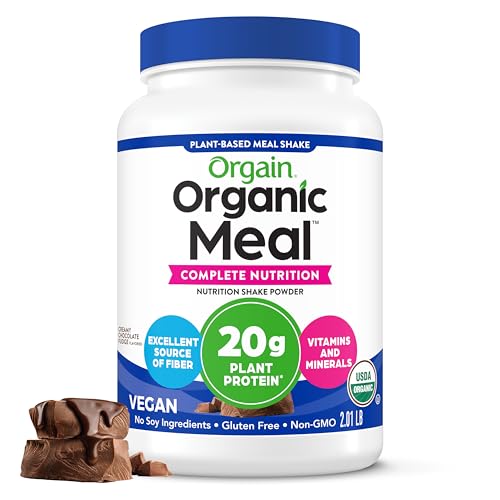
Protein
20g plant protein
Fiber
7g prebiotic fiber
Extras
Greens plus fruit-and-vegetable powder blend
Use Case
Budget-friendly smoothie meal replacement
Tradeoff
Less premium feel than higher-end formulas
Orgain takes the budget spot because it covers the important meal-replacement basics without pretending to be the fanciest option in the category. You still get 20 grams of plant protein, 7 grams of fiber, and enough greens-and-fruit support to make the smoothie feel more complete than a standard protein drink.
It leans practical for breakfast replacement and everyday routines rather than occasional wellness experiments. That is a good sign in a category where consistency matters more than theory.
Why It Wins:
- Better value than most premium meal powders.
- Good balance of protein, fiber, and smoothie compatibility.
- Strong fit for routine breakfast replacement.
What To Keep In Mind:
- Texture and flavor are solid, but not luxury-level.
- Best when you want practical nutrition over a premium experience.
Bottom Line: Buy this if you want the best everyday value in a smoothie-friendly meal replacement.
3 / 4
Garden of Life Raw Organic Meal

Protein
20g plant protein
Fiber
7g fiber in 150 calories
Nutrition Angle
Whole-food style vitamins, minerals, greens, and probiotics
Texture
Improved mixability versus older versions but still somewhat gritty
Tradeoff
Texture is still divisive
Garden of Life earns the premium slot for buyers who want stronger meal-like support without moving into the highest price tier. The formula gives 20 grams of plant protein, 7 grams of fiber, and a broader nutrient-support story than basic protein powder.
The key tradeoff is texture. The product has improved over time, but grit can still show up. That matters less if you are blending with fruit, milk, and ice, but it still matters.
Why It Wins:
- Stronger meal-support case than plain protein powders.
- Good fiber level for a more satisfying smoothie.
- Better fit for buyers who want nutrition density more than indulgence.
What To Keep In Mind:
- Texture can still feel rougher than top smoothie-focused picks.
- Flavor profile benefits from being blended with other ingredients.
Bottom Line: Pick this if you want a more meal-like plant powder and do not mind a slightly rougher blend.
4 / 4
Huel Black Edition

Protein
40g protein per serving
Fiber
8g fiber
Nutrition
27 vitamins and minerals
Use Case
High-protein weekday meal replacement
Tradeoff
Feels more functional than indulgent
Huel Black gets the daily-use spot because it is built for consistency and utility. The 40 grams of protein, 8 grams of fiber, and complete-meal framing make it better suited to people who genuinely need a repeatable meal replacement more than a tasty occasional smoothie add-in.
It fits habit-driven use: repeat preparation, make-ahead mixing, and weekday systems rather than treat-style smoothies. That makes it a strong fit for lunch replacement or structured breakfast use.
Why It Wins:
- Highest protein-focused daily-use option here.
- Strong fit for structured meal replacement habits.
- Better for people who care about consistency over indulgence.
What To Keep In Mind:
- More utilitarian than smoothie-shop satisfying.
- Works best when you accept that this is a function-first product.
Bottom Line: Choose this if you want the most repeatable high-protein meal replacement for regular use.
How to Choose the Right Meal Replacement Shake
Know whether you want a meal or a better smoothie
If you just want a more filling smoothie, standard protein powder and better ingredients may be enough. Meal replacements make more sense when you need a true backup breakfast or lunch.
Pay attention to fiber, not just protein
Protein matters, but meal-replacement satisfaction often comes from protein plus fiber plus enough volume and texture.
Consider how you actually blend
A powder that feels rough in water can be much better in a real smoothie with milk, frozen fruit, or nut butter. Shop for how you use it, not how the label imagines it.
Be honest about flavor fatigue
The best meal replacement is the one you can tolerate repeatedly. Routine matters more than label perfection.
Frequently Asked Questions
What is the best meal replacement shake for smoothies?
The best pick is usually the one that balances nutrition, texture, and flavor well enough to work in a real blender routine, not just a shaker cup.
Are meal replacement shakes better than protein powder for smoothies?
Only when you actually need meal-level support. If you just need more protein, a regular protein powder is often more flexible.
Can a smoothie with meal replacement powder replace breakfast?
Yes, if the powder provides enough protein, fiber, and overall nutrition to keep you full and you build the smoothie with reasonable ingredients.
Which meal replacement shake is best for daily use?
The best daily-use pick is usually the one you can repeat consistently without taste fatigue or digestive friction.
Do meal replacement powders blend well with fruit?
Some do better than others. Texture, sweetness, and flavor profile matter a lot once fruit enters the blender.
Should I buy a meal replacement shake or make my own smoothie?
Buy a meal replacement if you need speed and more complete nutrition in one scoop. Make your own if you want more flexibility and already know how to build a balanced smoothie.
If you want to compare supporting ingredients before committing to a meal powder, start with protein powders for smoothies and see whether a simpler scoop is enough. For texture, milk choice can make a meal shake feel more like a real smoothie.