
As an affiliate, we may earn a commission from qualifying purchases. We get commissions for purchases made through links on this website from Amazon and other third parties.
The Smoothie Diet is easiest to understand when you stop treating it like magic. It is not a medical breakthrough, and it is not just a random internet smoothie recipe pack either. It is a structured meal-replacement program with a short time frame and a lot of routine built into it.
Whether it is worth it depends less on the marketing promise and more on how you actually live. The right buyer is not someone looking for a miracle. It is someone who wants short-term structure and is willing to do the prep.
Quick Take
The Smoothie Diet can be worth it if you want a clear 21-day reset, dislike calorie counting, and will actually follow a routine. It is usually not worth it if you want a low-effort long-term system or if you already know how to build balanced smoothies on your own.
The core value is structure. The core tradeoff is that structure can feel restrictive fast if you are not a smoothie-every-day person.
Check the official Smoothie Diet offer if you already know you want a short, structured reset and are comfortable with the limits explained here.
What the Program Can and Cannot Prove
The strongest case for programs like this is not the brand itself. It is the broader idea that structured meal replacement can help with early weight loss when paired with calorie control, fiber, protein, and consistent routines. Weight-loss programs also tend to work better when they offer clear steps instead of vague advice.
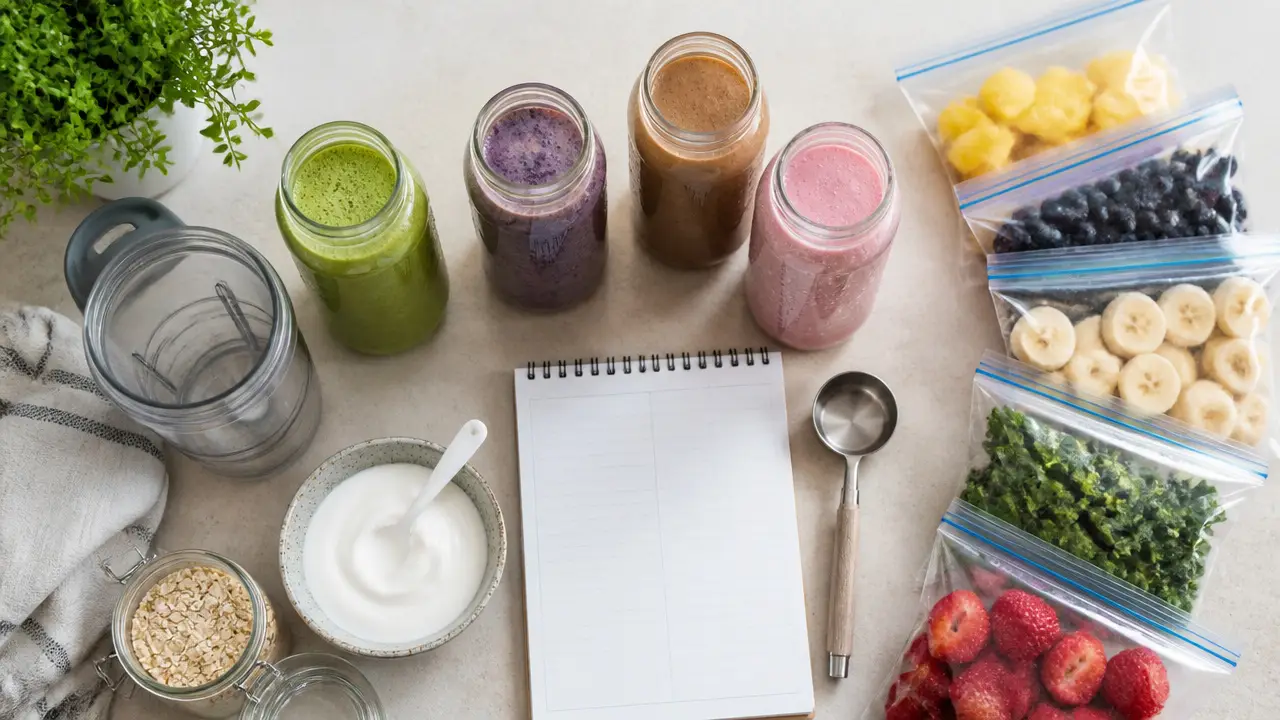
That helps explain why this kind of plan appeals to busy people. You are getting a schedule, shopping lists, recipes, and a predictable format instead of having to invent a plan from scratch. The program also uses common grocery ingredients rather than locking you into subscriptions or branded shakes.
What this does not prove is that a smoothie plan is automatically superior to other habit-based approaches. Programs built around behavior change, portion awareness, and sustainable routines still have the long-term advantage. That is why this is best seen as a tool, not a final destination.
Pros That Hold Up
The structure is useful
This is the biggest real benefit. If you fail at diets because you get tired of making decisions, a fixed 21-day plan can reduce friction.
It uses real food
That gives it an advantage over plans that depend on powders, pills, or prepackaged meals. You still need to buy ingredients, but you are working with normal groceries.
It can lower mental load
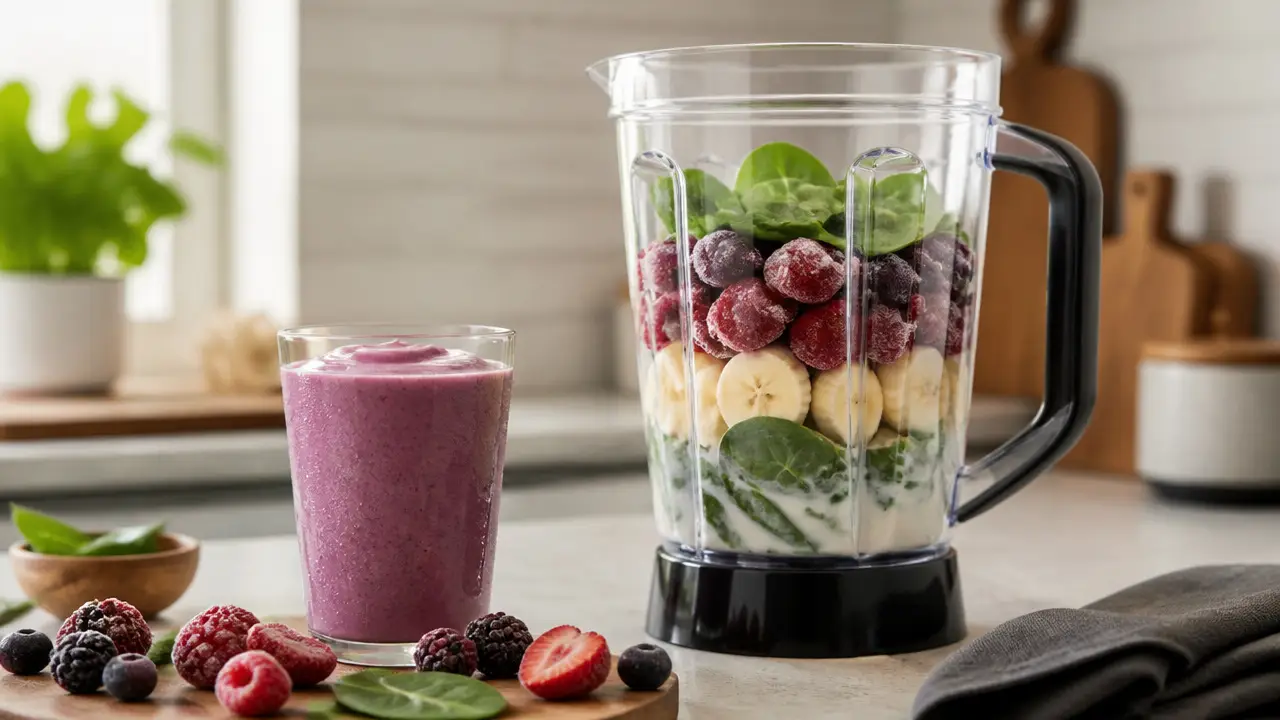
Shopping lists, swap guidance, and a repeatable routine make the plan easier to follow than a completely self-built approach. If your blender is part of the problem, compare the best blenders for smoothies and the best smoothie makers before you start.
It can work as a reset
For people coming off weeks of takeout, skipped breakfasts, and constant snacking, a short, controlled plan can help restore rhythm. That is the best way to think about it.
Tradeoffs and Watchouts
It is still restrictive
Replacing two meals a day with smoothies is a lot more repetitive than it sounds at first. If you already know you do badly with repetition, the structure will feel heavy instead of helpful.
Sustainability is the weak spot
A 21-day plan can produce momentum. It does not automatically teach you what to do on day 22 unless you are ready to transition into a normal eating pattern. This is why The Smoothie Diet vs homemade smoothies is such an important follow-up.
Nutrition quality still depends on execution
Smoothies can be balanced or badly built. If they are low in protein, too sugary, or too light for your appetite, the plan gets much harder to stick with. It helps to understand whether protein powder is necessary, plus how ingredients like milk for smoothies and frozen fruit for smoothies change fullness and calories.
Some people should be more careful
Anyone with diabetes, thyroid issues, kidney concerns, pregnancy, or other conditions affected by large diet shifts should get professional guidance first. Smoothie diets can also create issues if they are pushed too far or repeated carelessly.
Who It Fits Best
The Smoothie Diet is most likely worth it for:
- People who want a short-term reset more than a forever plan.
- Readers who do better with a schedule than with open-ended food freedom.
- People who already enjoy smoothies and own workable blending gear.
- Anyone who wants to reduce decision fatigue around breakfast and lunch.
The plan is not a strong fit for:
- People who dislike drinking meals.
- Readers who want more flexibility than rules.
- Anyone expecting lasting change without follow-through after the program ends.
- People who already make balanced smoothies at home and just need better technique or ingredients.
If you are on the fence, Smoothie Diet Review is the better product-level breakdown. If you are leaning toward the simpler path, compare best protein powder for smoothies, best yogurt for smoothies, and best oats for smoothies instead of buying a full plan.
When It Is Probably a Better Idea to Skip It
Skip it if your real problem is not the absence of a plan, but the fact that you do not want to live on smoothies for weeks. Skip it if your budget is tight and you could get more value from fixing your homemade system. Skip it if you need medical supervision, not a digital wellness product.
You should also skip it if you tend to bounce between intense resets and old habits. In that case, a gentler one-smoothie-a-day habit is usually smarter and easier to keep.
Frequently Asked Questions
Is The Smoothie Diet worth the money?
It can be if you need structure, recipes, and a short-term plan you will actually follow. It is less compelling if you already know how to build homemade smoothies.
Is The Smoothie Diet better than other weight loss programs?
Not automatically. It is simpler than many programs, but behavior-based plans often do better for long-term maintenance.
Does The Smoothie Diet work without exercise?
Weight loss mainly comes from diet adherence and calorie control, but activity still matters for health and long-term maintenance.
Is The Smoothie Diet safe?
For many healthy adults it may be reasonable as a short-term reset, but people with medical conditions should get professional advice before making major diet changes.
Why do some people like The Smoothie Diet?
Mostly because it reduces decision fatigue. The schedule, recipes, and shopping lists make the plan feel manageable.
Who should choose homemade smoothies instead?
Anyone who wants more flexibility, lower cost, and a routine that is easier to keep after the first few weeks.
For the product-level details, read the full Smoothie Diet review. If you are torn between buying the plan and building your own routine, the homemade smoothie comparison is the cleaner next step.