
As an affiliate, we may earn a commission from qualifying purchases. We get commissions for purchases made through links on this website from Amazon and other third parties.
The Smoothie Diet sounds appealing because it strips the decision-making down to a simple promise: replace two meals a day with smoothies, follow a 21-day schedule, and lose weight fast. That kind of structure can help people who are tired of guessing what to eat.
The harder question is whether that structure is actually worth paying for. A smoothie-based plan can work as a short reset, but that does not automatically make this specific program a strong long-term solution.
Quick Take
The Smoothie Diet can be useful if you want a short, structured meal-replacement plan and you are willing to prep smoothies every day. It is less convincing if you want a durable, low-effort system you can keep up for months without relying on a fixed 21-day script.
The strongest case for it is convenience and routine. The weakest case is sustainability. Short-term meal replacement plans can reduce calories and help with early weight loss, but that does not prove this branded plan is special or easy to maintain once the schedule ends.
Check the official Smoothie Diet offer only if you want the fixed 21-day structure after reading the tradeoffs below.
What the Program Actually Includes
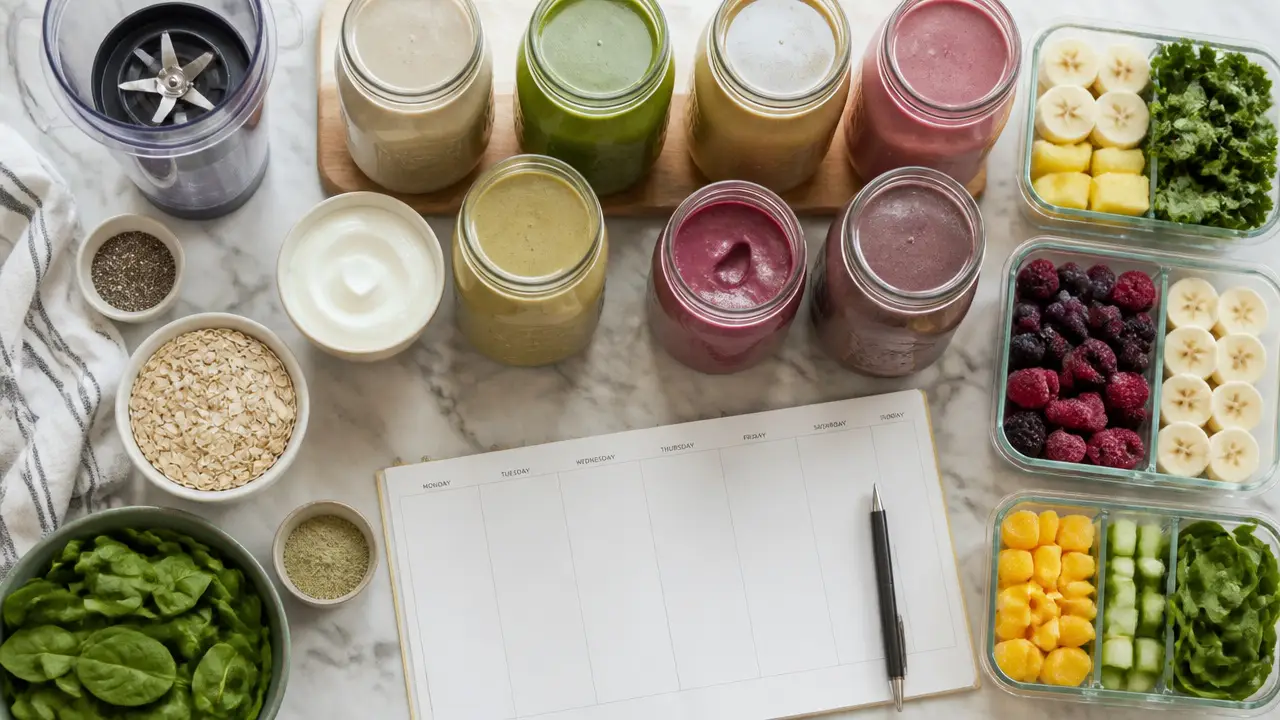
The program is sold as a digital 21-day plan built around replacing two meals a day with smoothies, eating one low-calorie solid meal, and using snacks to manage hunger. It also includes recipes, shopping lists, a quick-start guide, and an optional 3-day detox phase before the main schedule starts.
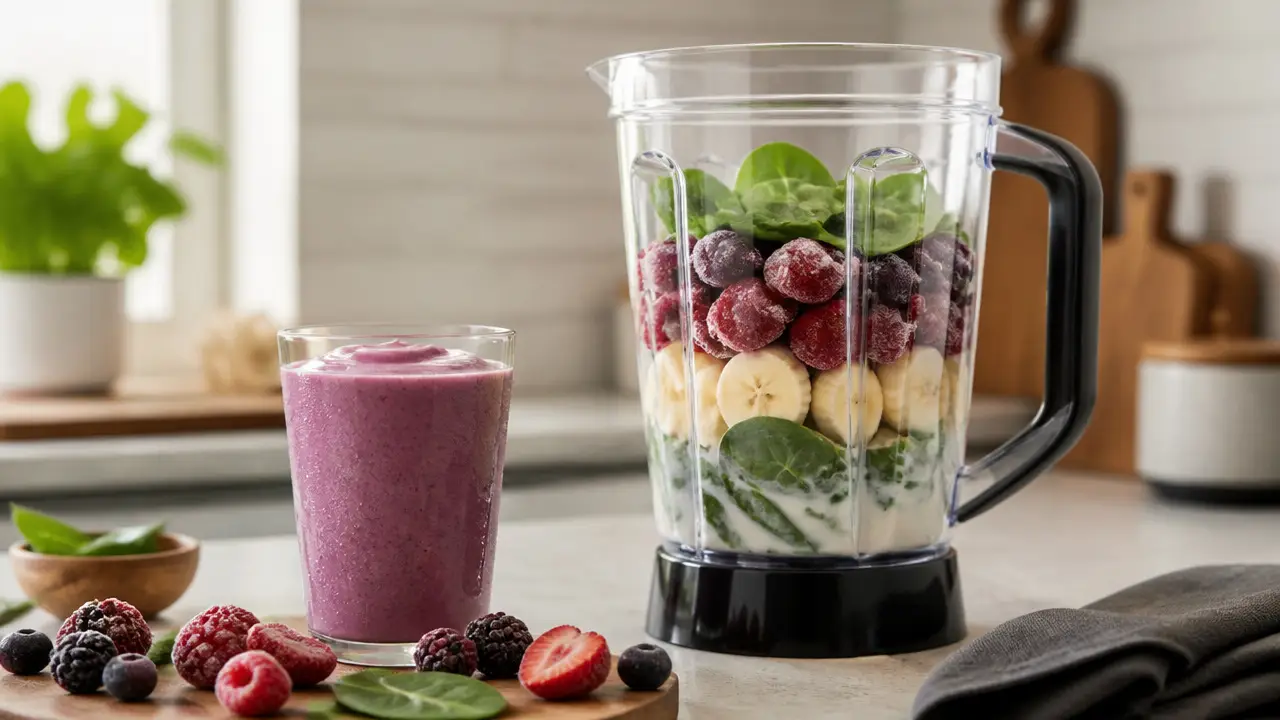
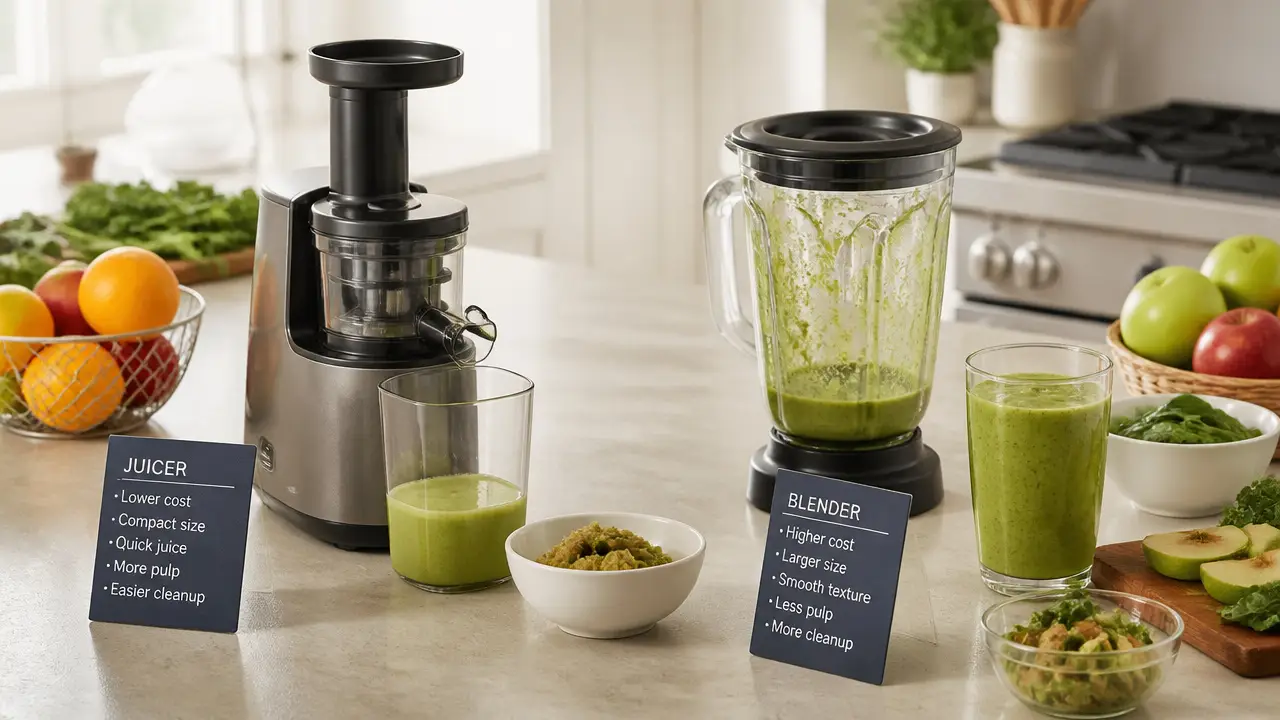
That structure has real value for people who freeze when they have too many choices. You do not have to design your own plan from scratch, and you are not buying prepackaged shakes either. If you already own a blender or want to compare one before you start, use the best blenders for smoothies and the best smoothie makers to make sure your kitchen setup will not slow you down.
The plan also uses grocery-store ingredients and gives swap guidance when something is unavailable. That makes it more practical than programs that depend on brand-only powders or expensive subscription meals. Still, ingredient cost can creep up fast if your version of the plan leans on berries, nut butters, dairy alternatives, or specialty add-ins every week.
What Meal Replacement Plans Can and Cannot Do
Meal replacement plans can help with short-term weight loss when they create a calorie deficit and still include enough protein, fiber, and structure to control hunger. A randomized 12-week study on a modest meal replacement approach found improvements in body weight, waist size, and some metabolic markers in adults with overweight or obesity. That supports the idea that a structured replacement meal can work.
What it does not support is the bigger promise that any 21-day smoothie plan automatically becomes a long-term answer. Even in supportive research, the benefit comes from consistent calorie control and ingredient quality, not from smoothies alone or from detox language.
That matters because smoothies can work well or badly depending on what goes into them. Homemade blends built around whole fruits, greens, protein, and fiber can be useful. High-sugar, low-protein blends can leave you hungry again fast. If you want to build a better smoothie routine without locking yourself into a paid program, start with frozen fruit for smoothies, milk options for smoothies, and whether protein powder is actually necessary.
Tradeoffs and Watchouts
The biggest tradeoff is repetition. Drinking two smoothies a day sounds easy until it is day eight, you are tired, and you still need to wash the blender, prep ingredients, and make a separate dinner. If your schedule is already chaotic, the friction adds up quickly.
There is also the nutrition question. Short-term smoothie dieting is not automatically dangerous, but extended meal replacement can miss the mark if protein, fat, B12, vitamin D, zinc, or total calories get too low. Acidic fruit blends can be rough on tooth enamel, and high-oxalate ingredients can be a concern for people who already have kidney stone risk.
That does not mean smoothies are bad. It means a smoothie plan still needs adult judgment. If you have diabetes, thyroid issues, kidney concerns, or any other condition that makes big dietary shifts risky, talk to your clinician before trying a structured reset like this.
Who It Fits Best
This plan fits best if you want short-term guardrails, not total freedom. It makes the most sense for someone who:
- Wants a fixed 21-day routine instead of building meals from scratch.
- Already likes smoothies and does not mind making them often.
- Needs help with portion control and decision fatigue more than with cooking skill.
- Plans to use the program as a reset, then transition into normal balanced eating.
It fits less well if you hate repetitive meals, want restaurant flexibility, or prefer a looser homemade approach. In those cases, The Smoothie Diet vs homemade smoothies is the more useful comparison, because the better answer may be a simple smoothie habit rather than a formal program.
When It Is Probably Not Worth It
It is probably not worth buying if you are hoping for a miracle, a passive solution, or a plan you never have to think about again. This is still meal prep, still habit change, and still calorie control.
You may be better off skipping it if:
- You already know how to make balanced smoothies and only need better ingredients.
- You do not like drinking meals often.
- You want a longer-term eating pattern, not a short reset.
- You are trying to solve a medical problem that needs professional care, not a diet product.
If your real bottleneck is smoothie quality rather than diet structure, compare protein powder for smoothies, meal replacement shakes for smoothie lovers, and the broader worth-it breakdown.
Frequently Asked Questions
Does The Smoothie Diet really work?
It can help with short-term weight loss if you follow the plan closely and the smoothies replace higher-calorie meals. That does not guarantee lasting results after the 21 days.
Is The Smoothie Diet a scam?
It looks more like a real digital program than a fake product page, but that is not the same thing as saying it is the right fit for everyone. The bigger question is whether you will actually follow it and keep useful habits afterward.
Do you need an expensive blender for The Smoothie Diet?
No, but you do need a blender that can handle frozen fruit, greens, and daily use without becoming a constant frustration.
Is The Smoothie Diet sustainable?
Mostly as a short reset, not as a forever format for most people. Long-term success depends on what you do after the initial plan ends.
Can you do The Smoothie Diet without protein powder?
Usually yes, depending on the recipe and the rest of your meals. The key is total protein and fullness across the day, not just whether you bought powder.
Who should avoid The Smoothie Diet?
Anyone with medical conditions affected by major diet changes should get medical guidance first. It is also a poor fit for people who dislike repetitive routines or drinking meals.
If you want to compare the program against a simpler real-food setup, read The Smoothie Diet vs homemade smoothies. If the paid plan still feels like a maybe, the worth-it breakdown gives you a cleaner yes-or-no check before you buy.