
As an affiliate, we may earn a commission from qualifying purchases. We get commissions for purchases made through links on this website from Amazon and other third parties.
Are Juice Stop smoothies healthy? They can be, but it depends on the smoothie, size, base, and add-ins.
Real fruit is a better starting point than candy, soda, or dessert, but a fruit-based smoothie can still be high in sugar when it uses juice, sherbet, honey, large banana portions, or multiple sweet fruits. The healthiest order is the one you customize with protein, fiber, and a lighter base. For the same question at home, see healthy smoothie recipes.
Quick Answer
Juice Stop smoothies can be healthy when you choose whole-fruit blends, keep the size reasonable, and add protein or fiber. They are less healthy when they are juice-heavy, sherbet-heavy, very large, or treated as a snack on top of a full meal.
If you are watching calories, blood sugar, or weight loss, ask what liquid base is used and whether the smoothie has added sweeteners. A "no added sugar" smoothie can still contain plenty of natural sugar from juice and fruit.
If sugar control is the reason you are checking smoothie-shop choices, compare that food-first approach with Gluco6 vs a low-carb diet before relying on any shortcut. The better first move is still knowing what is in the cup and how it fits the rest of your day.
What It Is / When to Use It
Juice Stop is a smoothie shop style of drink: cold, fruit-forward, fast, and easy to customize. It can work when you need a quick breakfast, a post-workout drink, a sweet snack, or an alternative to dessert.
It is not automatically a balanced meal. A smoothie made mostly from juice and fruit may taste refreshing but may not keep you full. A smoothie with protein, fiber, yogurt, milk, oats, nuts, or a lower-sugar base has a better chance of lasting.
Use a Juice Stop smoothie when convenience matters, but order it like food. Decide whether it is replacing breakfast, acting as a snack, or standing in for dessert. That choice changes what you should add. If mornings are your main use, read are smoothies in the morning healthy.
What Can Make It Healthy
A smoothie gets stronger when it includes:
- Whole fruit instead of only juice
- A protein add-in
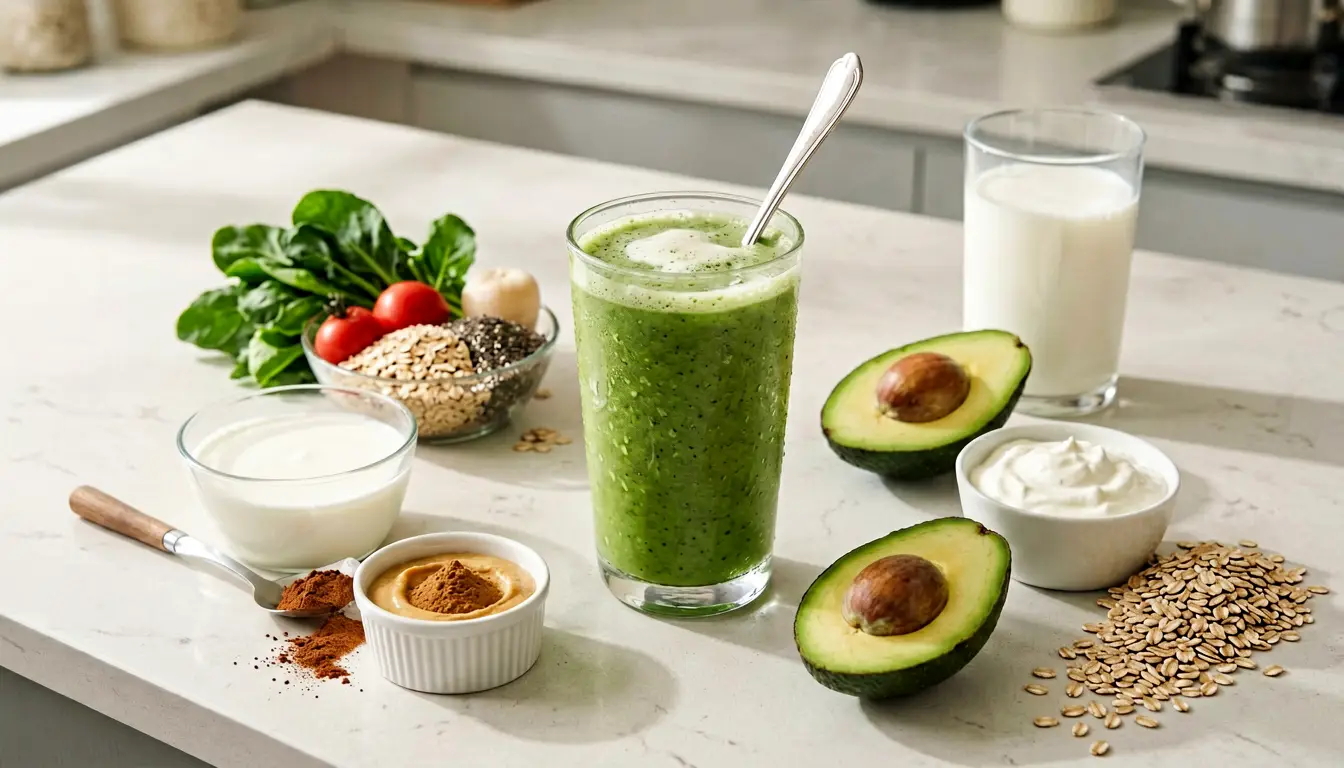
- Fiber from oats, chia, flax, fruit, or greens
- A reasonable size
- Unsweetened or lower-sugar liquid
- No extra syrup, honey, or sherbet
Protein and fiber matter because they help the smoothie feel more like food. Without them, you may drink it fast and feel hungry again soon after.
What Can Make It Less Healthy
Watch for:
- Fruit juice as the main base
- Sherbet or sweetened frozen bases
- Honey or added sweeteners
- Multiple high-sugar fruits in one drink
- Large sizes
- Low protein
- Treating the smoothie as a drink beside a full meal
This is the same issue covered in why smoothies are not healthy: the label sounds healthy, but the ingredients decide.
Substitutes / Swaps
Choose A Lower-Sugar Base
Ask whether the smoothie can be made with a lower-sugar juice, milk, water, or an unsweetened option. If a smoothie is built on orange juice, mango juice, cranberry juice, or sherbet, it may be much sweeter than it sounds.
At home, the easiest swap is unsweetened almond milk, soy milk, or water. For shop orders, ask what lighter bases are available.
Add Protein
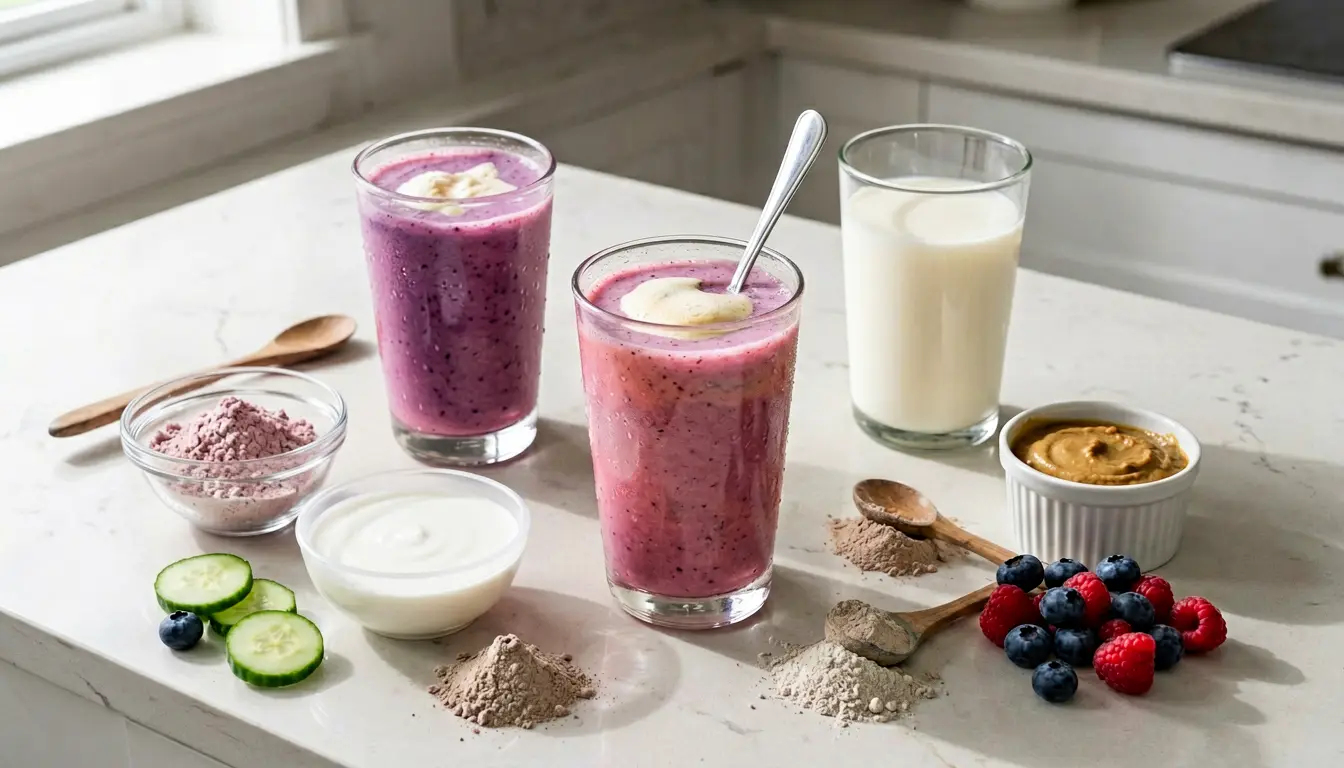
Protein can make a smoothie more useful as breakfast or a post-workout drink. Options may vary by location, but common add-ins include protein powder, yogurt, milk, nuts, or oats.
If you are trying to lose weight, protein is often more useful than another fruit add-in. For the bigger smoothie formula, see best smoothies for weight loss.
Add Fiber
Fiber helps a smoothie feel more filling. Look for oats, chia, flax, greens, berries, or whole fruit. Fiber is also the reason whole fruit is usually a better choice than juice.
If blood sugar is your main concern, use smoothies for blood sugar control before making shop smoothies a daily habit.
Skip Dessert-Style Extras
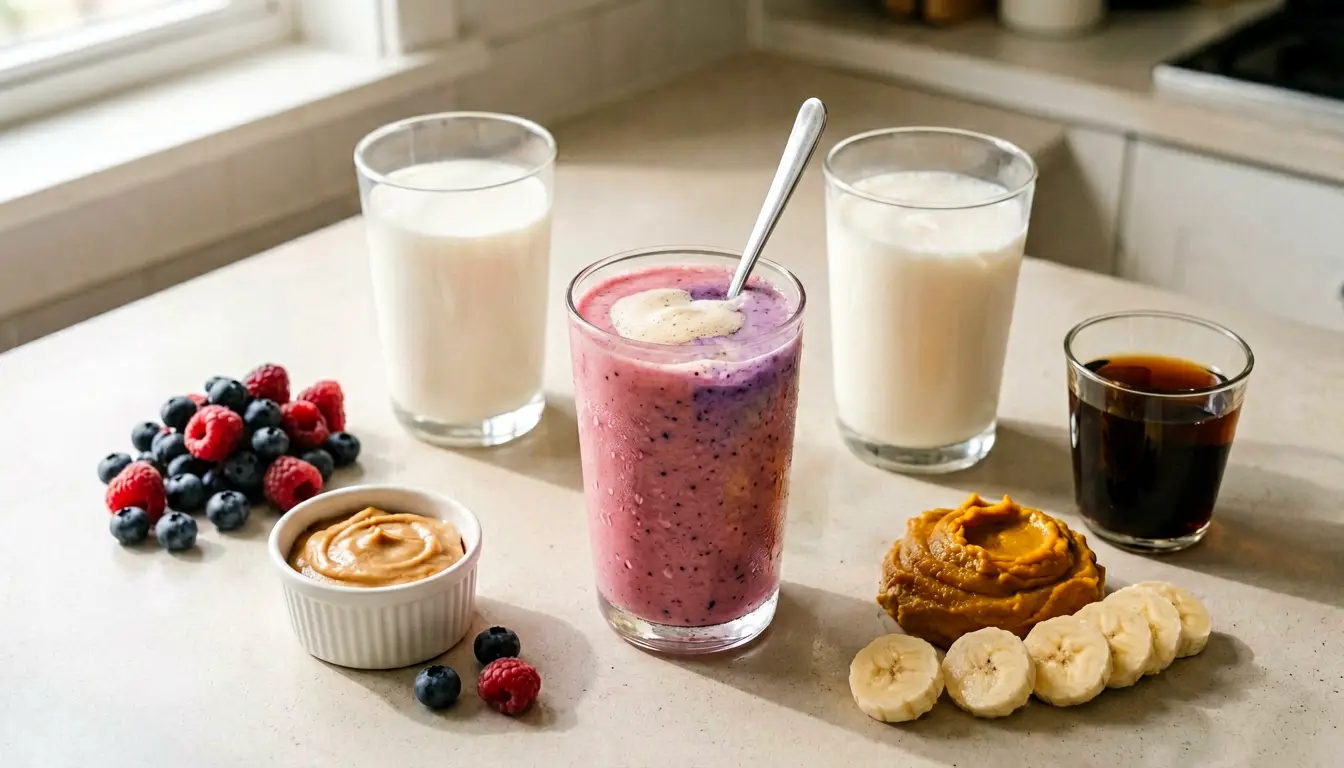
Peanut butter, honey, sherbet, sweetened yogurt, and juice can all taste good, but together they can turn a smoothie into a dessert. You do not have to avoid every rich add-in. Just do not stack all of them in one drink.
Prep Tips
Ask Three Questions Before Ordering
Before you order, ask:
- What is the liquid base?
- Is there added sugar, honey, sherbet, or syrup?
- Can I add protein or fiber?
Those questions tell you more than the smoothie name.
Treat Large Smoothies Like Meals
A large smoothie can be a meal-sized amount of food, even if it feels like a drink. If you order a large one with fruit, juice, yogurt, nut butter, and protein, do not treat it like a side beverage.
If you only want a snack, choose a smaller size or split it. For lighter homemade options, compare low-calorie smoothies and smoothies under 200 calories.
Watch "No Added Sugar" Language
No added sugar can be useful, but it does not mean low sugar. Fruit juice and large fruit portions still bring natural sugar.
That may be fine for some people. It may not be fine if you are watching blood sugar, trying to stay full, or managing a calorie target.
Balance Sweet Fruit With Protein
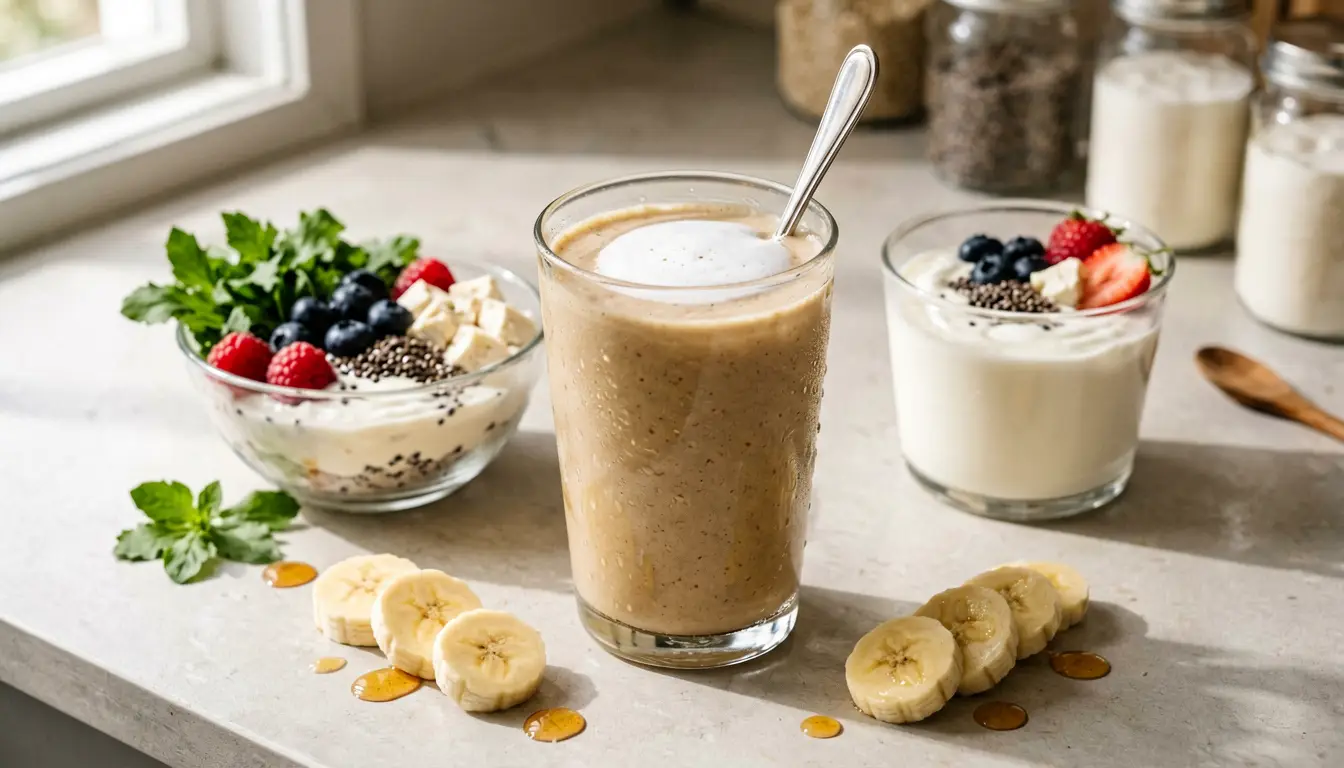
If the smoothie includes banana, mango, pineapple, or juice, add protein or fiber instead of another sweet fruit. The goal is balance, not removing every fruit you like.
Storage / Reheat / Freeze
Smoothie shop drinks are best fresh. They separate as they sit, and the texture gets thinner once the ice melts.
If you cannot finish it right away, refrigerate it in a sealed cup and drink it the same day. Shake well before drinking. Do not leave dairy- or protein-containing smoothies sitting at room temperature for long.
Do not reheat a smoothie. If it gets too icy, let it sit a few minutes. If it separates, shake it or re-blend it at home with ice.
For home prep, freeze fruit, greens, and add-ins in bags, then blend with liquid and protein when ready. That gives you more control than buying a smoothie every time.
Frequently Asked Questions
Are Juice Stop smoothies healthy for weight loss?
They can fit a weight-loss plan if they replace a higher-calorie meal or snack and include protein or fiber. Large juice-heavy smoothies can work against weight loss.
Are Juice Stop smoothies high in sugar?
Some may be, especially if they use fruit juice, sherbet, honey, banana, mango, or several sweet fruits. Ask about the base and sweeteners.
What should I add to make a Juice Stop smoothie healthier?
Add protein, fiber, oats, greens, chia, flax, or a lower-sugar base when available. These make the smoothie more filling.
Is no added sugar the same as low sugar?
No. No added sugar means sugar was not added separately. Fruit and juice still contain natural sugar.
Can I drink Juice Stop smoothies for breakfast?
Yes, but choose a smoothie with enough protein and fiber to count as breakfast. A fruit-only smoothie may not keep you full.
What is the healthiest smoothie shop order?
The healthiest order is usually a smaller smoothie with whole fruit, protein, fiber, no syrup, and a lower-sugar liquid base.
Should people with diabetes drink Juice Stop smoothies?
They should be careful and check the ingredients and carb load. A healthcare professional or dietitian can help set a personal carb target.
For home versions with more control, try smoothies with almond milk for a lighter base, smoothies no yogurt if dairy is not a fit, smoothies detox cleanse for lighter green blends, and low-sugar smoothies for cravings when you want the sweet-shop feel with a smarter formula.