
As an affiliate, we may earn a commission from qualifying purchases. We get commissions for purchases made through links on this website from Amazon and other third parties.
Why are smoothies not healthy sometimes? Some smoothies are basically sweet drinks with a health halo. They can be high in sugar, low in protein, acidic for teeth, too easy to drink fast, and not filling enough to replace a meal.
Smoothies are not automatically bad. The problem is how they are built. A homemade smoothie with whole fruit, greens, protein, and fiber is very different from a huge juice-based smoothie with sweetened yogurt and extra honey.
Quick Answer
Smoothies are not healthy when they are mostly juice, oversized fruit portions, sweetened dairy, syrups, and little protein or fiber. That kind of smoothie can hit like a sweet drink and leave you hungry.
Smoothies are healthier when they use whole fruit, vegetables, protein, fiber, and unsweetened liquid. If you want the better version, start with which smoothie is healthiest or smoothies for blood sugar control.
If smoothies keep backfiring because the routine is too loose, compare that with The Smoothie Diet vs homemade smoothies. Structure can help some people, but it only works when it fixes the actual problems: sugar, portion size, protein, and consistency.
At a Glance
| Problem | What It Looks Like | Better Fix |
|---|---|---|
| Too much sugar | Juice, banana, mango, honey, sweet yogurt | Use berries, greens, and unsweetened liquid |
| Not enough protein | Fruit-only smoothie | Add Greek yogurt, tofu, cottage cheese, or protein powder |
| Too large | Giant cafe cup | Treat meal smoothies like meals |
| Too acidic | Citrus and fruit sipped for hours | Drink with meals and rinse with water |
| Not filling | Thin drink | Add chia, flax, yogurt, tofu, avocado, or oats |
| Health halo | "Natural" but overloaded | Measure calorie-dense extras |
The best fix is not to quit smoothies. It is to build them with the same care you would use for a plate of food.
Why This Recipe Works
A healthier smoothie works because it keeps the good parts of smoothies and removes the biggest traps. You still get fruit, vegetables, flavor, and convenience. You also add protein and fiber so the drink behaves more like a meal.
Whole fruit is different from juice because the pulp and fiber stay in the cup. Blending can still make fruit easy to drink quickly, so portion size matters. One cup of berries is different from several fruits blended into a giant drink.
Protein is the anchor. Without it, a smoothie may taste good but leave you looking for food soon after. Greek yogurt, cottage cheese, tofu, soy milk, kefir, whey, and pea protein all help.
Ingredients
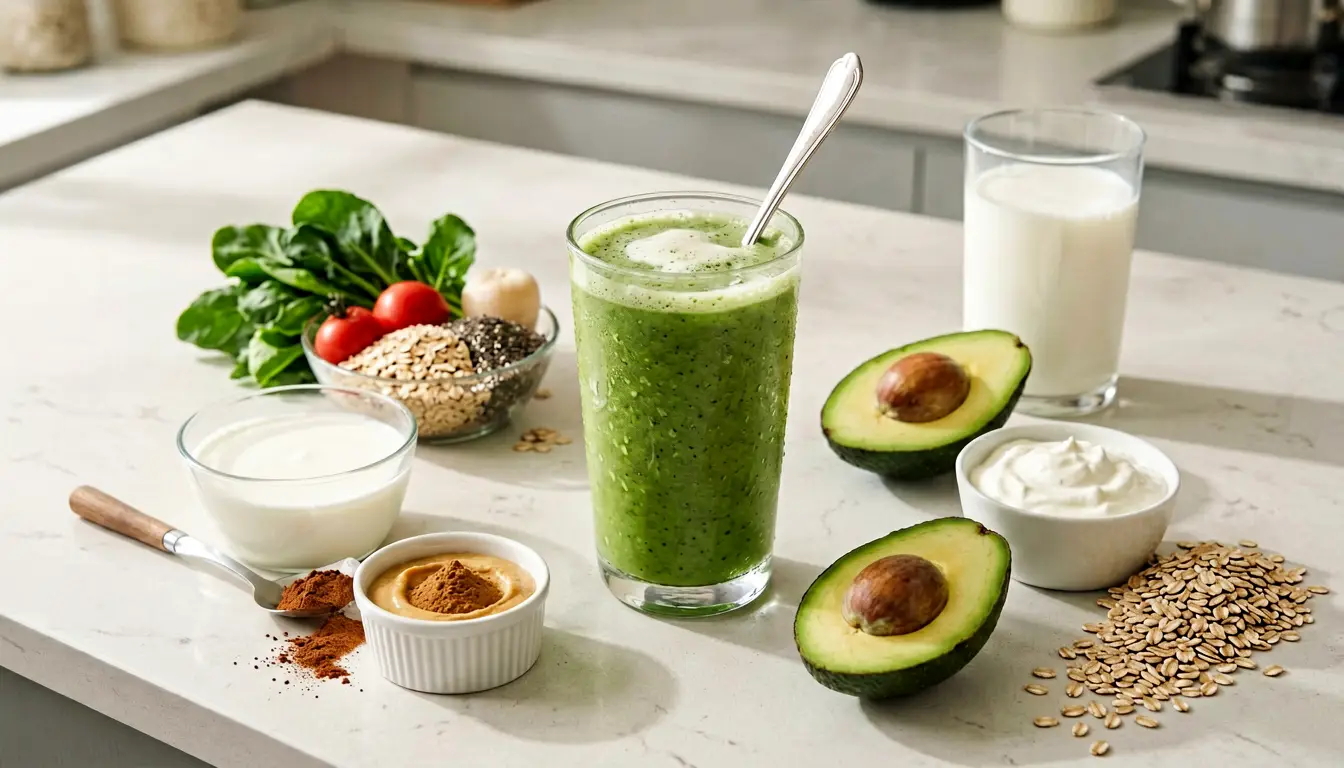
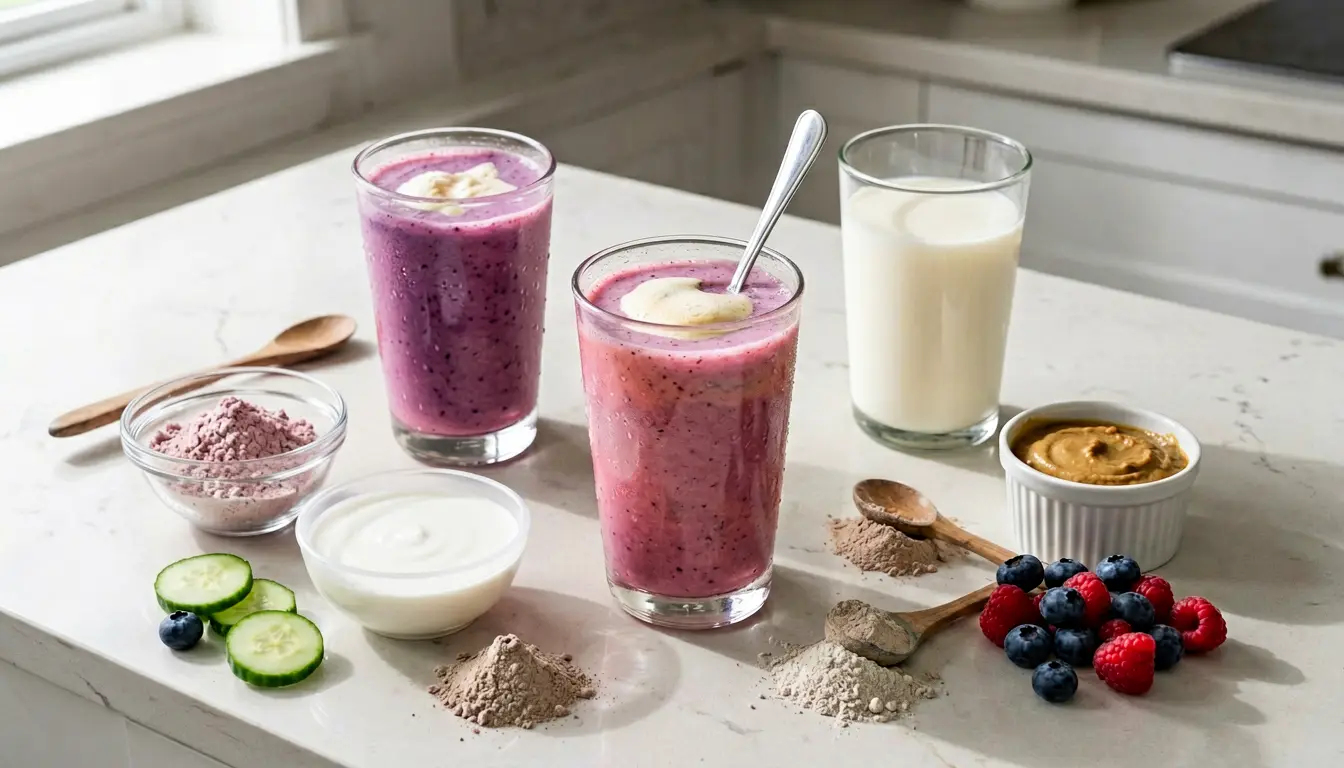
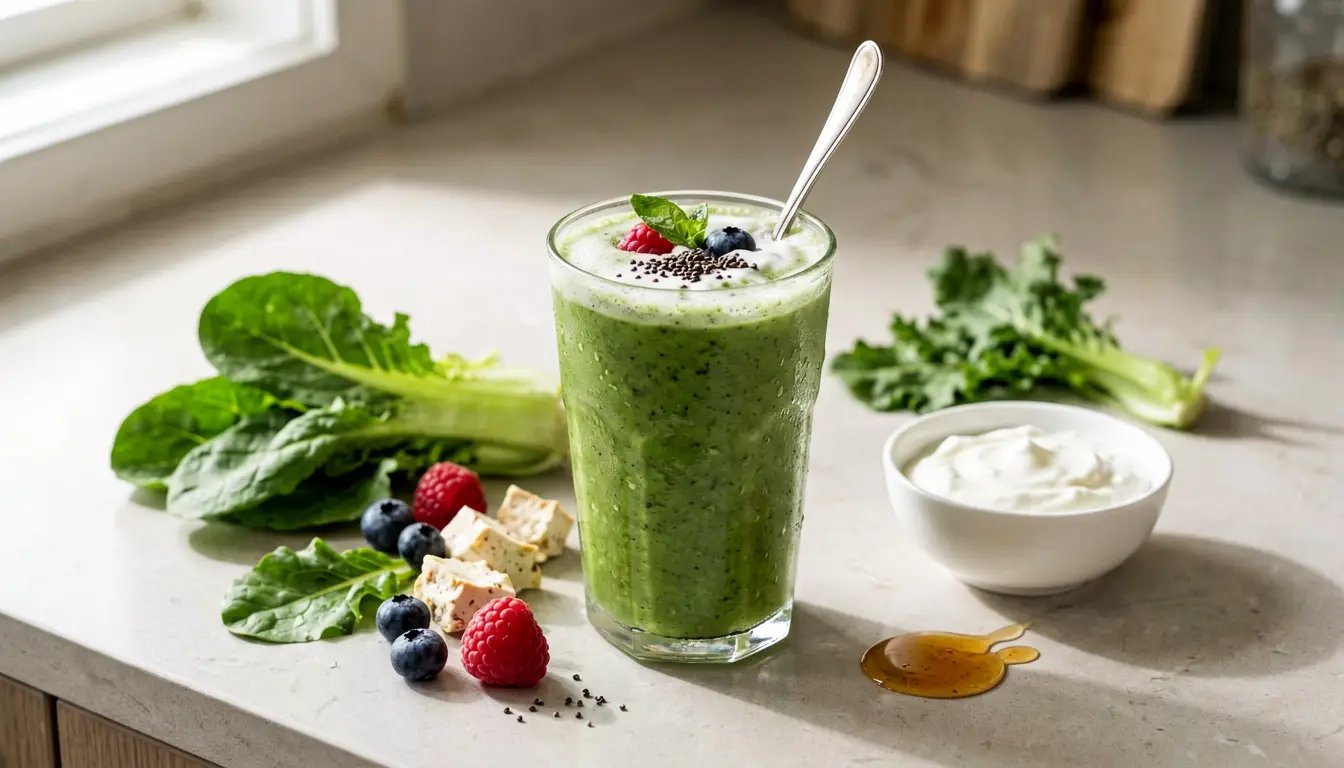
For a healthier smoothie, use:
- 3/4 to 1 cup water, milk, soy milk, unsweetened almond milk, or kefir
- 1/2 to 1 cup whole fruit, preferably berries or measured fruit
- 1 to 2 handfuls spinach, kale, cucumber, zucchini, or cauliflower
- 1 protein source, such as Greek yogurt, tofu, cottage cheese, milk, whey, or pea protein
- 1 tablespoon chia, flax, oats, or hemp seeds
- 1 small fat choice, such as 1/4 avocado or 1 tablespoon nut butter
- Cinnamon, vanilla, cocoa, mint, ginger, lemon, or lime for flavor
Ingredients To Limit
- Fruit juice as the main liquid
- Sweetened yogurt
- Sweetened plant milk
- Honey, syrup, agave, and sugar
- Large amounts of dates or dried fruit
- Big servings of granola
- Several high-sugar fruits in one smoothie
- Oversized portions of nut butter or coconut
If you want sweet flavor without overdoing sugar, use low-sugar smoothie ingredients.
Equipment You Need
You need a blender and measuring tools. Measuring matters because smoothie calories can climb without looking like much.
A high-speed blender helps with greens, seeds, and frozen vegetables. A regular blender works if you add liquid first and cut firm produce small.
Use jars or freezer containers for prep. Keep the protein and liquid separate until blending when possible.
Step-by-Step Method
1. Start With An Unsweetened Base
Use water, milk, unsweetened almond milk, soy milk, or kefir. Avoid making juice the main liquid.
2. Add Vegetables Before More Fruit
Spinach, cucumber, zucchini, and frozen cauliflower add volume without a big sugar bump. If your smoothie feels too small, add vegetables before adding a second fruit.
3. Measure The Fruit
Use 1/2 to 1 cup fruit for most smoothies. Berries are a strong default. If you use banana, mango, pineapple, or dates, keep portions smaller.
4. Add Protein
Add Greek yogurt, cottage cheese, tofu, protein powder, soy milk, milk, or kefir. This is what makes the smoothie more filling.
If you drink smoothies instead of meals, read is it ok to drink smoothies instead of eating so the smoothie is built like food.
5. Add Fiber Or Fat
Use chia, flax, oats, hemp, avocado, or nut butter. Measure these ingredients. They help, but too much can turn a smoothie heavy.
6. Drink It Like A Meal
Do not sip a sweet acidic smoothie all morning. Drink it in one sitting, preferably with or as a meal, then rinse with water.
Time and Temperature Guide
Most smoothies take 5 minutes to make. The texture is best cold, so use frozen fruit or ice.
Drink smoothies soon after blending. If you store one in the fridge, use a sealed jar and drink it the same day. Shake well because separation is normal.
If a smoothie gets too thick, add water or unsweetened milk. If it gets too thin, add ice, frozen berries, chia, flax, yogurt, or frozen cauliflower.
Best Variations
Better Berry Smoothie
Blend berries, spinach, Greek yogurt, chia, and unsweetened milk. This fixes the fruit-only problem by adding protein and fiber.
Lower-Sugar Green Smoothie
Blend cucumber, spinach, avocado, lime, tofu or protein powder, and unsweetened almond milk. This is useful when fruit smoothies feel too sweet.
Chocolate Protein Smoothie
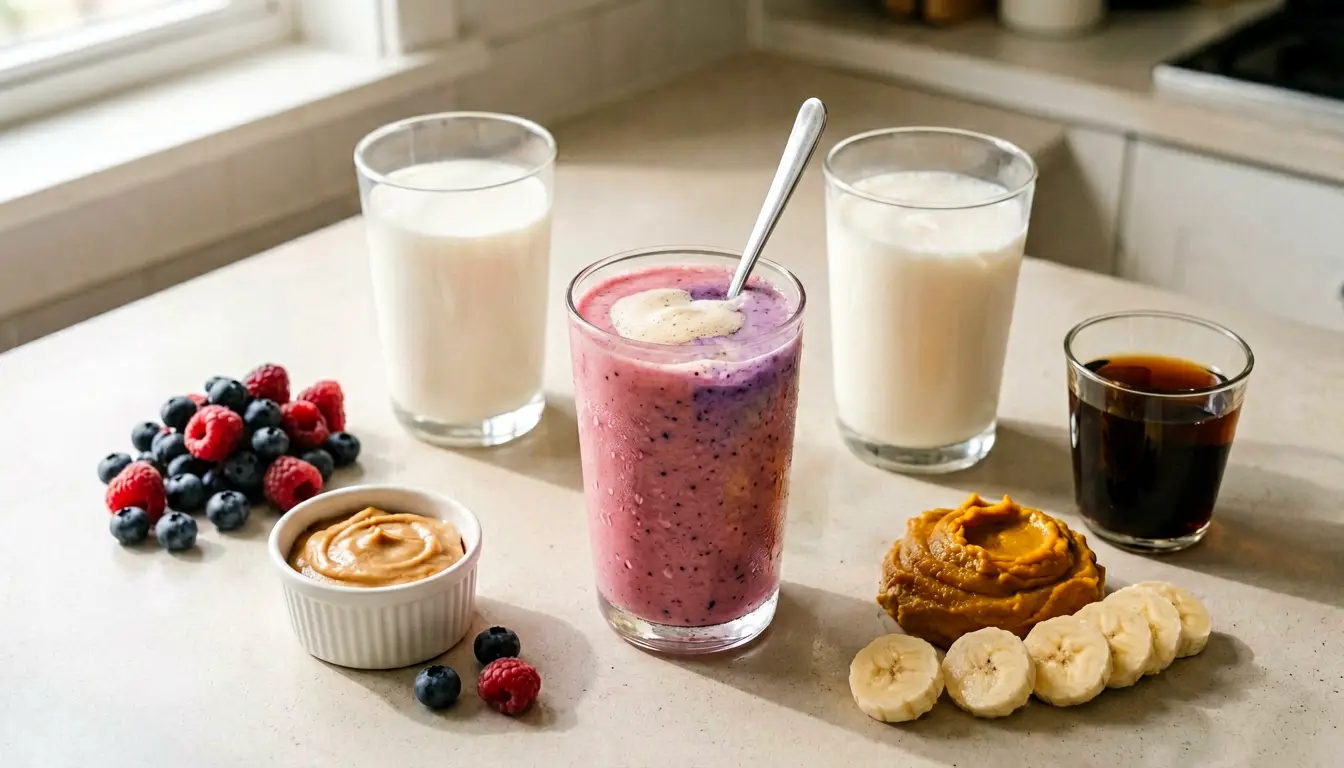
Blend cocoa, Greek yogurt or tofu, half a banana, frozen cauliflower, and unsweetened milk. It gives dessert flavor without syrup.
Cafe-Style Smoothie Fix
If ordering out, choose the smallest size, skip juice when possible, ask for no added sweetener, and add protein if available. A store smoothie can fit, but it needs editing.
Tooth-Friendlier Smoothie
Use less citrus, skip juice, drink it with a meal, and rinse with water after. Do not sip it for hours.
Common Mistakes
The biggest mistake is assuming "natural" means light. Fruit juice, dates, honey, banana, and mango can all be natural and still make a very sweet drink.
Another mistake is skipping chewable food all day. Smoothies can help busy mornings, but solid meals matter for satisfaction and variety.
People also forget acid. Fruit smoothies can be acidic, and sipping slowly for a long time can be rough on teeth.
Finally, many smoothies are too low in protein. If your smoothie leaves you hungry fast, add protein before adding more fruit.
What to Serve With It
If your smoothie is light, pair it with something you chew: eggs, tofu scramble, cottage cheese, whole-grain toast, a salad with chicken, or leftovers.
If your smoothie is meal-size, you may not need anything else. Use your hunger as feedback. If you need food an hour later, the smoothie was not balanced enough.
For healthier recipes, smoothies healthy recipes gives practical blends that still taste good.
Storage and Reheating
Do not reheat smoothies. Prep the ingredients ahead and blend fresh when possible.
If you store a blended smoothie, keep it cold in a sealed jar and drink it the same day. Shake or re-blend before serving.
Freezer packs are the best prep method. Pack fruit and vegetables, then add liquid, protein, and boosters when you blend.
Frequently Asked Questions
Why are smoothies not healthy sometimes?
Smoothies are not healthy when they are high in sugar, low in protein, too large, juice-based, or used to replace balanced meals without enough nutrients.
Are smoothies worse than eating fruit?
Not always. Whole-fruit smoothies can be healthy, but they make it easier to drink more fruit faster than you would chew it.
Is fruit juice bad in smoothies?
Fruit juice is the easiest ingredient to cut back. It adds sweetness without much fullness. Whole fruit and unsweetened liquid are usually better.
Can smoothies hurt your teeth?
Sweet, acidic smoothies can be hard on teeth if you sip them for a long time. Drink them with meals and rinse with water.
Why do smoothies make me hungry?
They may be too low in protein, fiber, fat, or thickness. Add yogurt, tofu, protein powder, chia, flax, avocado, or vegetables.
Are store-bought smoothies unhealthy?
Some are. Many are large, sweet, and low in fiber or protein. Choose smaller sizes, skip added sweeteners, and look for protein.
How do I make smoothies healthier?
Use whole fruit, add vegetables, include protein, add fiber, choose unsweetened liquid, and keep portions realistic.
For more context, compare do smoothies spike blood sugar, are smoothies in the morning healthy, do smoothies make you gain weight, and smoothies for diabetics if blood sugar or meal timing is part of the question.