
As an affiliate, we may earn a commission from qualifying purchases. We get commissions for purchases made through links on this website from Amazon and other third parties.
Smoothies for diabetics work best when they are built like a balanced snack or small meal, not like a fruit drink. The basic formula is measured fruit, plenty of fiber, a real protein source, a small amount of healthy fat, and an unsweetened liquid.
This article uses the common search wording, but the better phrasing is smoothies for people with diabetes. This is food guidance, not a diabetes treatment plan. Your glucose response depends on your medication, insulin plan, activity, portion size, and personal tolerance. For a broader foundation, start with smoothies for blood sugar control.
Quick Answer
The best smoothies for diabetics use unsweetened almond milk, soy milk, Greek yogurt, tofu, protein powder, avocado, chia, flax, spinach, and a measured serving of berries or other lower-sugar fruit. Avoid fruit-only smoothies, juice bases, sweetened yogurt, syrups, honey, and oversized servings.
If you monitor glucose, test your own response to any new smoothie. A blend that works for one person may be too high in carbohydrate for someone else.
If you are also seeing blood-sugar supplement claims, compare them with food changes in Gluco6 vs a low-carb diet before adding another variable. For diabetes, that comparison belongs beside clinician guidance, not in place of it.
At a Glance
- Best liquid: unsweetened almond milk, soy milk, water, or another unsweetened base.
- Best fruit: berries, a small amount of apple, or a measured portion of lower-sugar fruit.
- Best protein: plain Greek yogurt, tofu, protein powder, soy milk, cottage cheese, or pasteurized egg whites if already part of your routine.
- Best fat: avocado, nut butter, chia, flax, hemp seeds, or a small amount of coconut milk.
- Best greens: spinach, kale, cucumber, celery, or other low-sugar vegetables.
- Best serving: often 8 to 12 ounces, depending on the rest of the meal and your carb target.
- Biggest risk: treating a smoothie like a drink when it contains the carbs and calories of a meal.
For ingredient swaps that keep sweetness under control, use low-sugar smoothie ingredients as a companion list.
Why This Recipe Works
A diabetes-friendly smoothie slows the rush of carbohydrate into the bloodstream by adding protein, fiber, and fat. Protein helps make the drink more filling. Fiber from berries, greens, chia, flax, and avocado slows digestion and improves texture. Fat from avocado, seeds, nuts, or a small amount of coconut milk can make the smoothie creamier and more satisfying.
The fruit portion still matters. Whole fruit inside a smoothie is not the same as fruit juice, but blending can make it easier to drink a larger amount quickly. That is why a measured serving of berries usually works better than several servings of banana, mango, pineapple, and juice in one cup.
The recipe below is intentionally moderate: low added sugar, measured fruit, enough protein to feel like food, and enough fiber to keep it from tasting thin. If you want a deeper explanation of the glucose issue, see do smoothies spike blood sugar.
Ingredients
Use this as a base for one smoothie:
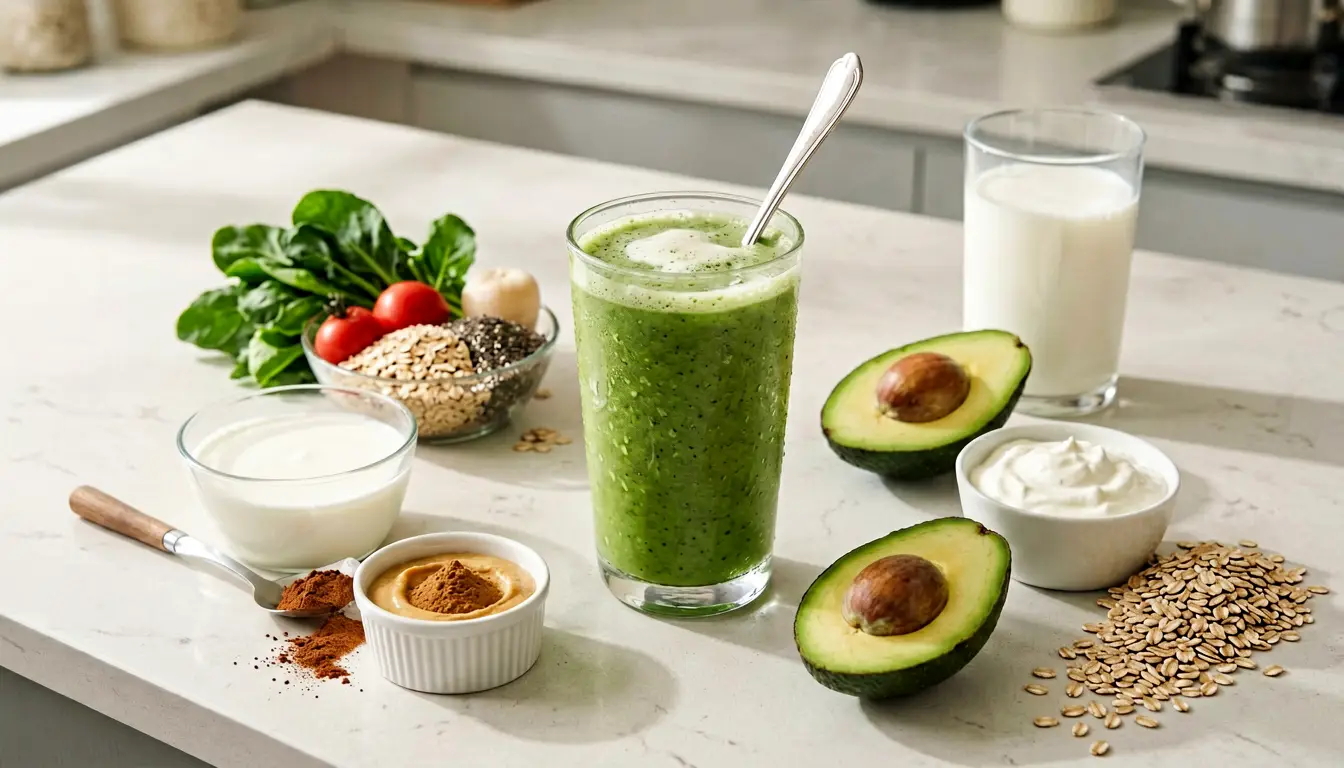
- 3/4 cup unsweetened almond milk, unsweetened soy milk, or water
- 1/2 cup plain Greek yogurt, silken tofu, or a scoop of unsweetened protein powder
- 1/2 cup frozen raspberries, strawberries, or mixed berries
- 1 packed cup baby spinach
- 1/4 avocado or 1 tablespoon nut butter
- 1 tablespoon ground flaxseed or chia seeds
- 1/2 teaspoon vanilla extract or cinnamon
- Ice as needed
- Optional: a low-carb sweetener you already use and tolerate
Skip fruit juice, sweetened plant milk, sweetened yogurt, bottled smoothie mixes, syrup, and large spoonfuls of honey. If you want a dairy-free version, smoothies with almond milk gives you more unsweetened base ideas.
Equipment You Need
You need a blender, measuring cups, measuring spoons, and a glass. Measuring matters more here than it does with many casual smoothies because extra fruit, nut butter, oats, or sweetened liquids can change the carbohydrate and calorie load quickly.
A freezer bag system can help if you prep often. Portion the berries, spinach, avocado, and flax into single-smoothie packs, then add the liquid and protein fresh when blending.
Step-by-Step Method
- Measure the liquid first. Add unsweetened almond milk, soy milk, or water to the blender.
- Add protein. Spoon in Greek yogurt, tofu, or protein powder.
- Add produce. Use berries, spinach, and avocado in measured amounts.
- Add fiber and flavor. Sprinkle in flax or chia, then add cinnamon or vanilla.
- Blend until smooth. Run the blender for 45 to 60 seconds so greens and seeds are fully broken down.
- Check thickness. Add water or ice to adjust, not juice.
- Serve as a snack or meal component. Do not drink it alongside a full high-carb breakfast unless it fits your plan.
If you want a lower-carb template, compare smoothies low carb and smoothies keto before removing too much fruit or adding too much fat.
Time and Temperature Guide
Most diabetes-friendly smoothies take 5 to 10 minutes. Frozen berries and ice make the smoothie colder and thicker, while fresh berries make it easier to drink slowly.
Breakfast can work well, but the smoothie should be counted as part of breakfast, not as a harmless beverage on the side. Mid-morning or afternoon can also work if you need a snack with protein and fiber.
If you use glucose monitoring, check how your body responds to the serving size you actually drink. Portion size, ripeness of fruit, liquid base, and add-ins can all change the result. For general morning timing, see are smoothies in the morning healthy.
Best Variations
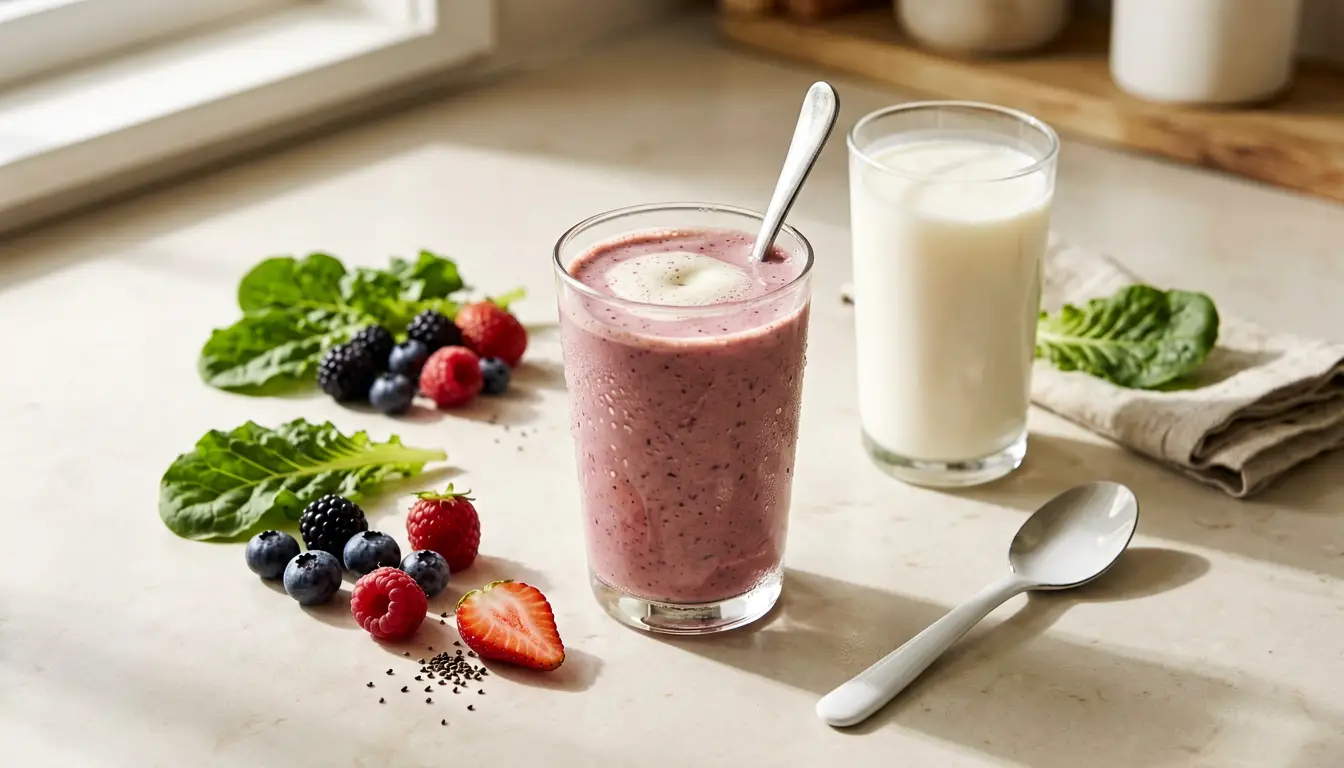
Berry yogurt green smoothie: Use unsweetened almond milk, plain Greek yogurt, mixed berries, spinach, flax, and cinnamon. This is the best starting point if you want familiar flavor.
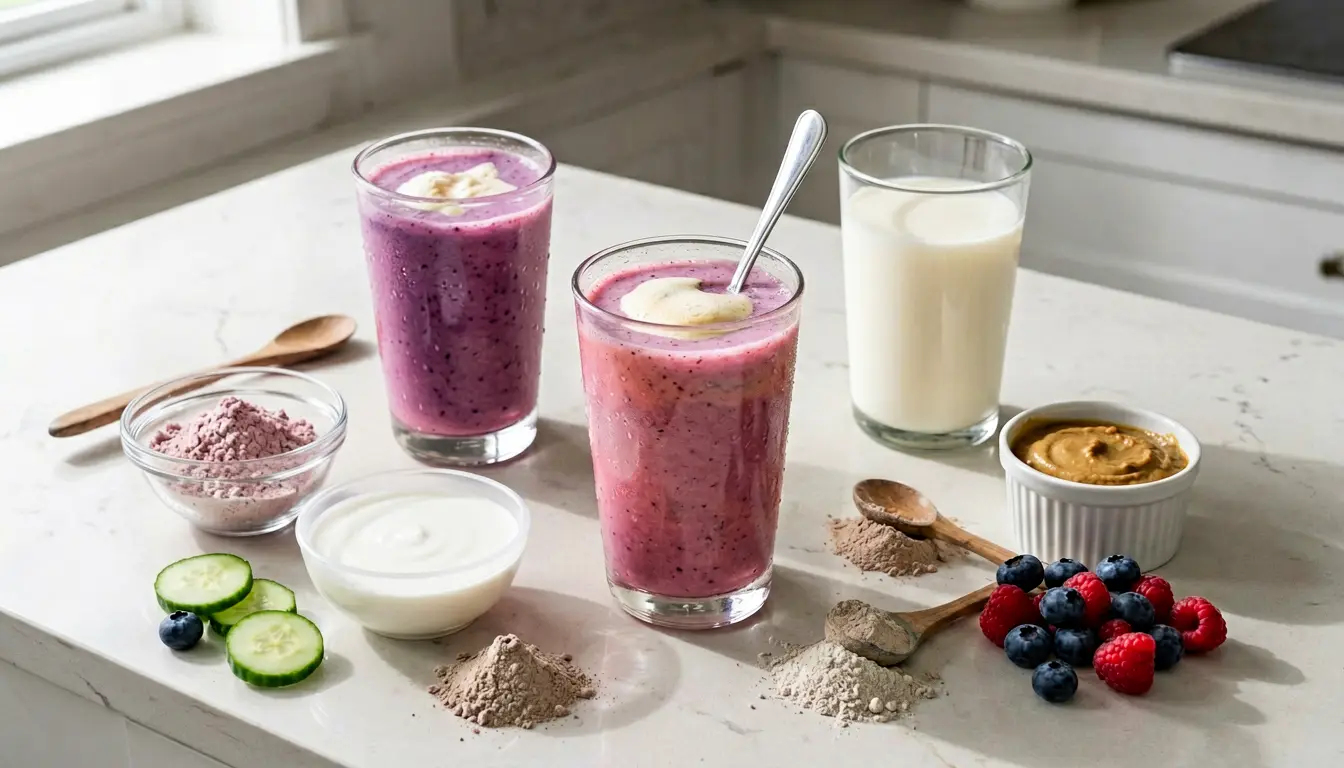
Chocolate avocado smoothie: Use unsweetened almond milk, protein powder, avocado, cocoa powder, spinach, and a low-carb sweetener if needed. Keep cocoa unsweetened and skip chocolate syrup.
Tofu strawberry smoothie: Use silken tofu, unsweetened soy milk, strawberries, vanilla, and chia. This is a useful dairy-free option with protein.
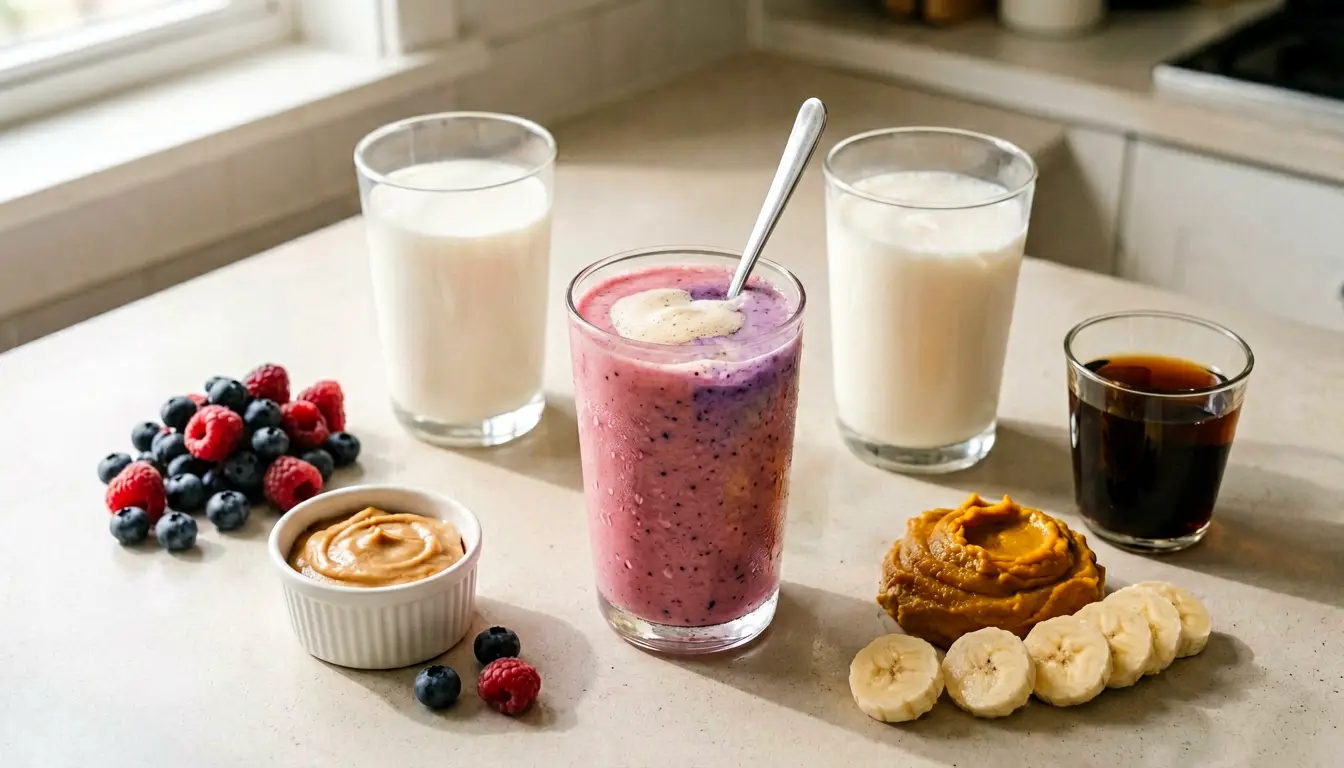
Peanut butter spinach smoothie: Use unsweetened almond milk, Greek yogurt or protein powder, spinach, 1 tablespoon peanut butter, flax, and a few berries. Keep the peanut butter measured because calories climb fast.
Green cucumber smoothie: Use unsweetened soy milk or water, protein powder, spinach, cucumber, avocado, lemon juice, and mint. This is less sweet and more refreshing.
Common Mistakes
The most common mistake is making a fruit-only smoothie. Banana, mango, pineapple, orange juice, and honey can all be wholesome in other contexts, but stacked together in a drink they can deliver a large carbohydrate load quickly.
Another mistake is forgetting the liquid base. Sweetened almond milk, sweetened oat milk, flavored yogurt, and bottled smoothie bases can add sugar before the fruit even goes in.
Do not assume low-carb means unlimited. A smoothie made with heavy coconut milk, large amounts of nut butter, and several scoops of protein powder may be low in sugar but still too calorie-dense for your goals.
Do not rely on a smoothie to correct high or low blood sugar unless that is part of your clinician's plan. Food choices and diabetes medication timing should be handled with your care team.
What to Serve With It
Serve the smoothie on its own as a snack, or pair it with a small low-carb breakfast such as eggs, cottage cheese, or a vegetable omelet. If you need more food, choose protein and nonstarchy vegetables before adding toast, cereal, or another fruit portion.
If blood pressure is also part of your health plan, compare smoothies for high blood pressure and keep sodium-heavy add-ins out of the meal. If constipation is also an issue, smoothies for constipation can help you add fiber without turning the drink into a sugar bomb.
When buying smoothies away from home, ask for no juice, no syrup, no sweetened yogurt, and a smaller cup. Are Juice Stop smoothies healthy can help you think through menu-style choices.
Storage and Reheating
This smoothie is best fresh because the texture is easier to control and the serving size is clearer. If you prep ahead, freeze measured fruit and greens in bags, then blend with liquid and protein when ready.
You can refrigerate a blended smoothie in a sealed jar for up to 24 hours. Shake well before drinking and re-check the portion if you split it into multiple servings.
Do not reheat smoothies. If the drink is too cold, let it sit for 5 minutes and stir.
Frequently Asked Questions
What matters most before making smoothies for diabetics?
Measure the fruit, use an unsweetened liquid, include protein, add fiber, and keep the serving realistic. Then check your personal glucose response if you monitor blood sugar.
Can people with diabetes drink fruit smoothies?
Some can, but fruit needs to be measured and balanced with protein, fiber, and fat. Fruit-only smoothies and juice-based smoothies are usually the riskiest choices.
What fruit is best in a diabetes-friendly smoothie?
Berries are often a good starting point because they bring fiber and strong flavor in a measured portion. Small portions of apple or other lower-sugar fruits can also fit for some people.
Should I add protein powder?
Protein powder can help if it is unsweetened and fits your nutrition plan. Greek yogurt, tofu, soy milk, and cottage cheese can also add protein without making the smoothie taste chalky.
Are store-bought smoothies safe for diabetes?
Some can fit, but many are large and made with juice, sweetened yogurt, syrup, or several fruit servings. Ask for ingredients and choose the smallest unsweetened option.
When should I choose a different option?
Choose a different option if you cannot confirm the ingredients, if the portion is too large, if your glucose response is consistently high, or if your care team has given you a specific carb plan that the smoothie does not fit.