
As an affiliate, we may earn a commission from qualifying purchases. We get commissions for purchases made through links on this website from Amazon and other third parties.
Frozen banana is one of the easiest ways to make a smoothie thick, creamy, and cold without relying on a lot of ice. That is why it shows up in so many smoothie recipes. Banana adds sweetness, body, and a soft texture that helps fruit, nut butter, yogurt, coffee, cocoa, and even greens blend more smoothly.
The trick is using frozen banana on purpose. Ripe banana works better than underripe banana. Sliced frozen banana works better than dropping a whole frozen banana into the blender and hoping for the best. And frozen banana makes more sense in some smoothies than others. If texture is your main issue, how to make smoothies thick helps too. If you want fruit-combination ideas after this, best fruit smoothies gives you brighter pairings.
If frozen fruit often leaves icy chunks behind, the problem may be the machine, not the banana. Compare blenders that handle frozen smoothies before thinning every batch with extra liquid.
Quick Answer
Frozen banana is best when you want a smoothie to be thicker, creamier, and naturally sweeter without watering it down with ice. Slice ripe bananas, freeze them in a single layer or bag, and blend them with your liquid, yogurt or nut butter, and any supporting fruit or flavor add-ins.
It works especially well in peanut butter, berry, coffee, chocolate, mango, and pineapple smoothies because those ingredients already pair naturally with banana. The smoother and riper the frozen banana is before freezing, the better the final smoothie usually tastes.
What It Is / When to Use It
Frozen banana is not just a smoothie ingredient. It is a texture tool. It gives smoothies a cold, creamy body that fresh banana cannot match in the same way, especially when you are trying to avoid ice. That is why frozen banana is so common in smoothie recipes that want to feel thick or milkshake-like.
Use frozen banana when you want the smoothie to feel more substantial, more frosty, or a little sweeter without extra sugar. It fits especially well in berry smoothies, tropical smoothies, peanut butter smoothies, coffee smoothies, and breakfast-style blends with oats or yogurt. It makes less sense when you want a very sharp, light, or citrus-only smoothie, because banana naturally softens those edges.
Substitutes / Swaps
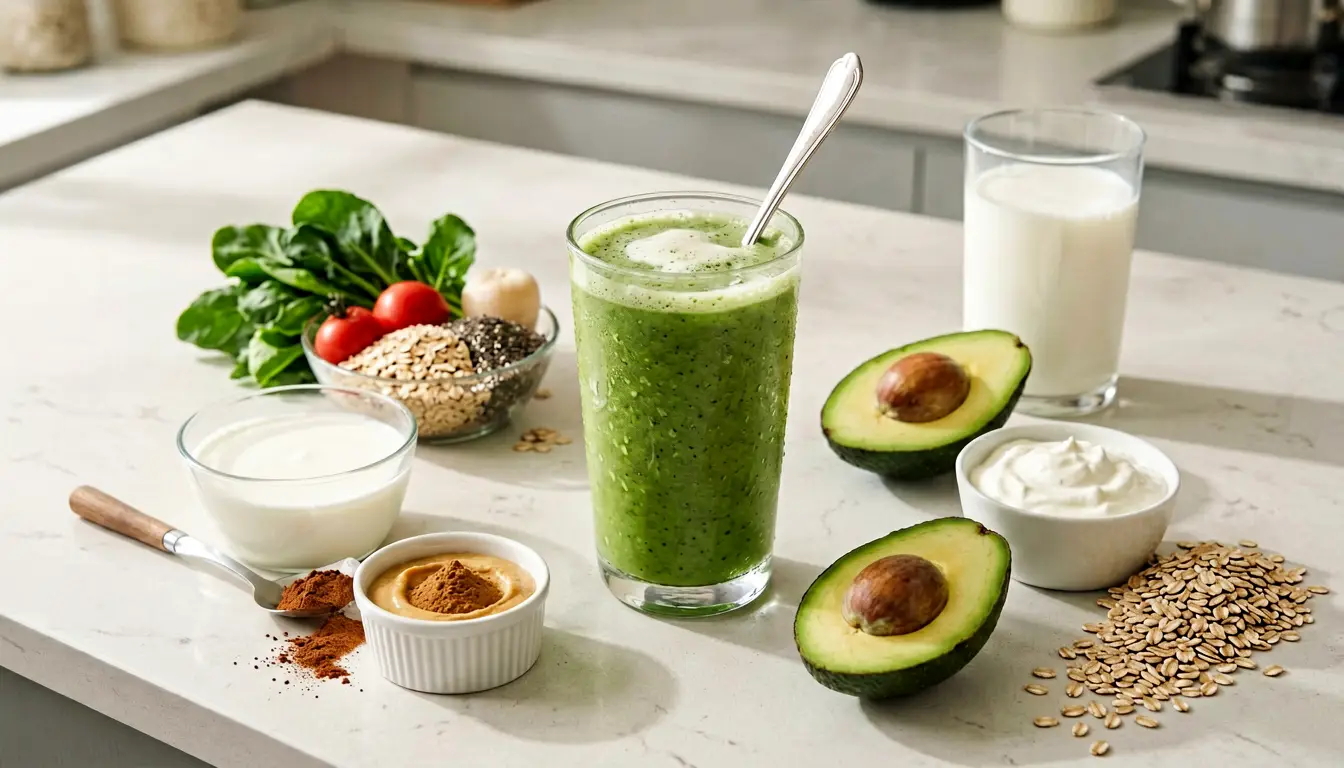
If you do not want banana, the closest swap depends on what job banana was doing. For thickness and creaminess, frozen mango, avocado, yogurt, oats, cauliflower, or zucchini can all help. For sweetness, dates or ripe mango can help more than avocado or oats will. For a colder texture, frozen berries and peaches do useful work too.
The important part is accepting that most swaps are only partial swaps. Frozen mango can replace some of the creamy texture and sweetness. Avocado can replace body, but not banana flavor. Oats can make the smoothie thicker, but not fruitier. That is why banana is still one of the most useful smoothie staples when it works for your taste and diet.
Prep Tips
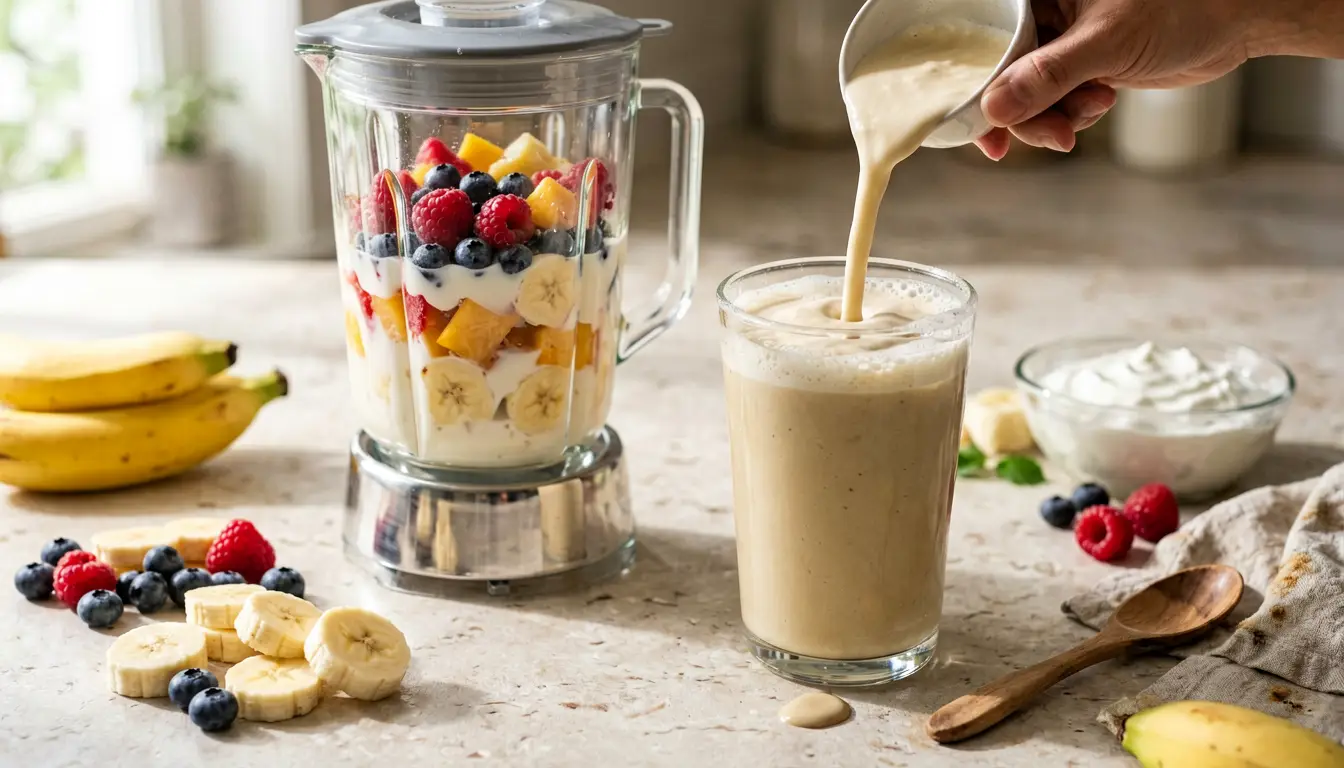
Start with ripe bananas. If the banana is underripe, the smoothie can taste chalky and less sweet. Once the banana is ripe, peel it, slice it into coins, and freeze the slices so they are easy on the blender. This also makes it much easier to portion just what you need instead of trying to break apart one frozen lump.
Use fully frozen banana when the goal is a thick smoothie. A partially chilled banana does not do the same job. Frozen slices also make it easier to skip ice, which often waters down the flavor once it melts.
Measure your first few smoothies instead of throwing everything in blindly. Banana is strong enough to take over if you use too much, especially in lighter fruit smoothies. One frozen banana is often enough to change the entire texture of the drink.
Add the liquid first, then softer ingredients, then frozen banana and other frozen fruit. That helps the blender catch the ingredients more evenly. If the smoothie is too thick to move, add a small splash of liquid instead of dumping in a lot at once.
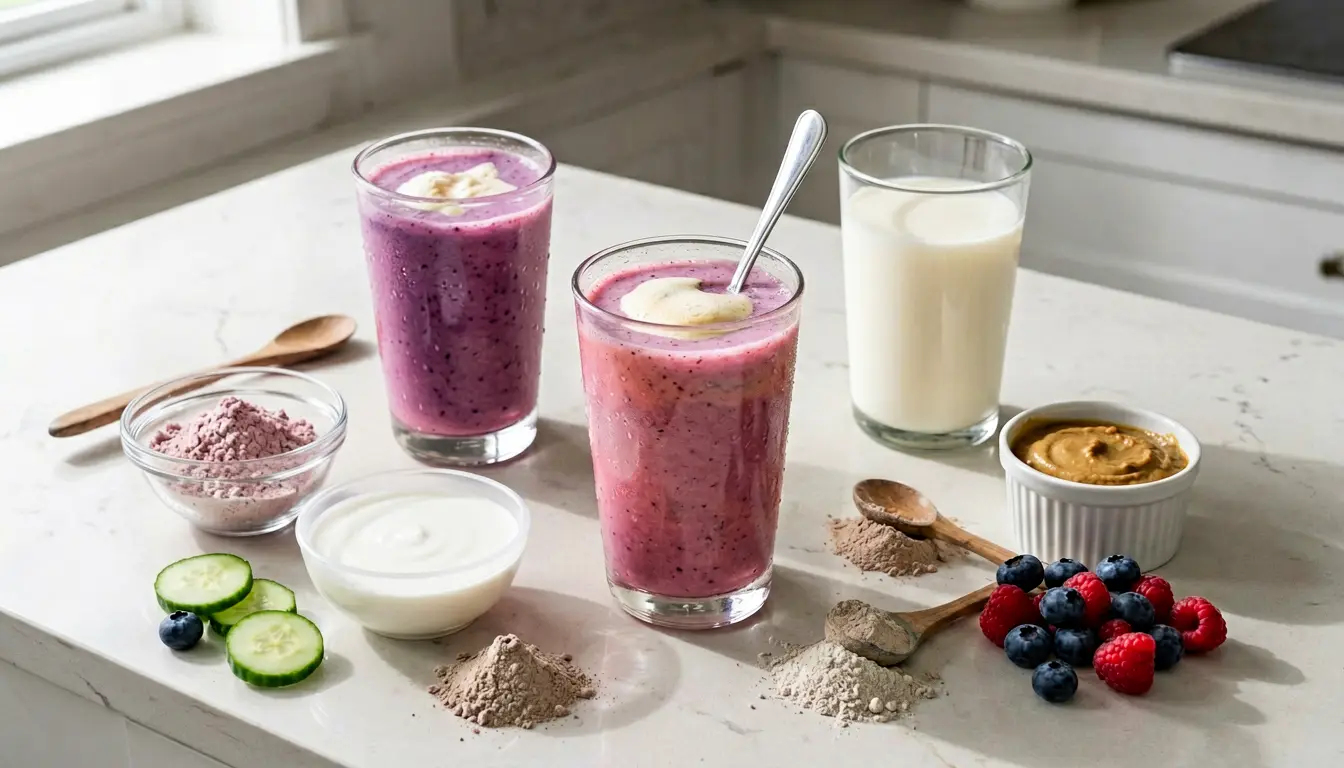
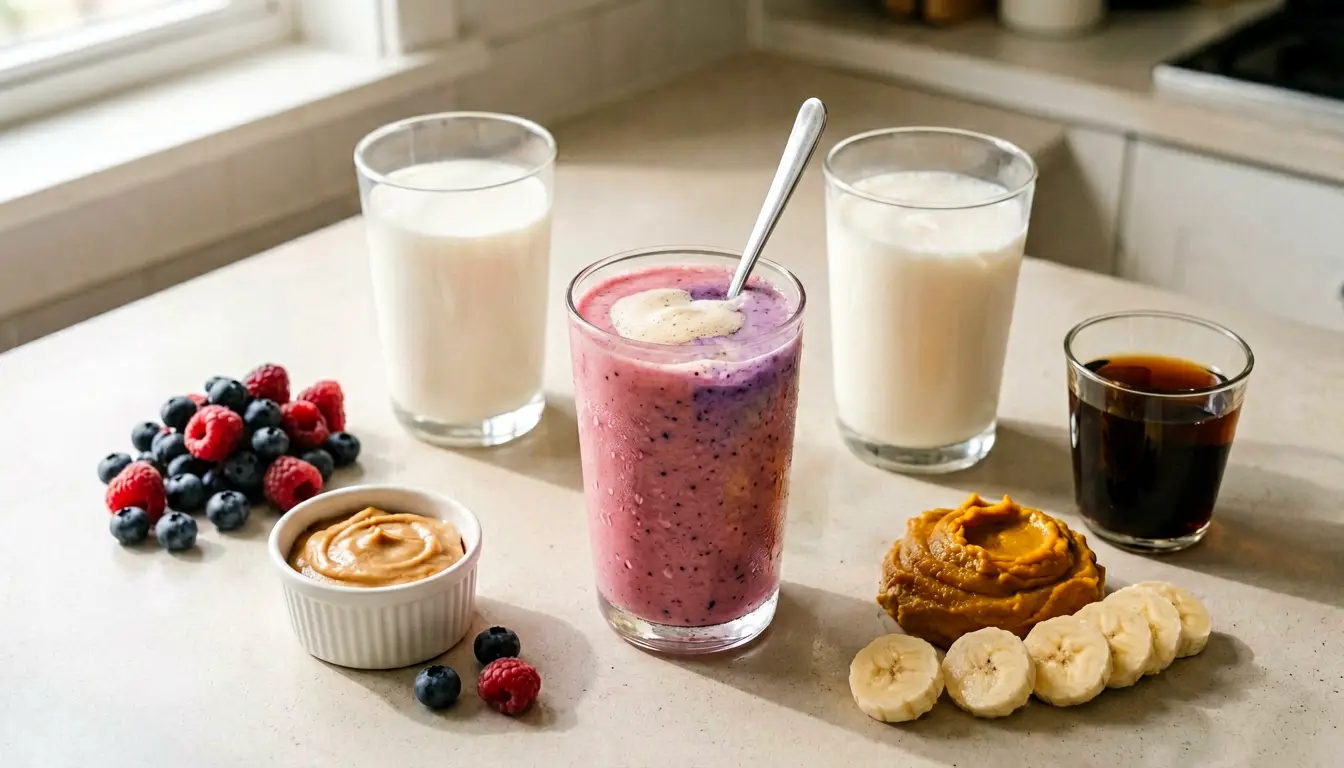
Frozen banana works especially well with peanut butter, berries, mango, pineapple, coffee, cocoa, yogurt, vanilla, and cinnamon. For a cozy breakfast glass, peanut butter banana smoothies lean rich and creamy. For something brighter, berry smoothies or mango pineapple smoothies keep the banana from tasting too soft.
If frozen banana is part of a daily smoothie routine, compare The Smoothie Diet with homemade smoothies before trading flexible freezer packs for a fixed plan.
Storage / Reheat / Freeze
Frozen banana itself is easy to prep ahead. Keep sliced ripe bananas in a freezer bag or container so they are ready whenever you want a smoothie. That is usually the most useful make-ahead move, more useful than storing a fully blended smoothie.
A frozen-banana smoothie is usually best right after blending, when the texture is still cold and thick. Some banana smoothie sources hold leftovers in the fridge for several hours or into the next day, but the texture softens as it sits. If you know you want to prep ahead, it usually works better to freeze the ingredients and blend fresh.
If you do end up with leftover smoothie, keep it tightly sealed and expect some separation. Shake or stir before drinking. Reheating is not relevant here.
Frequently Asked Questions
Why is frozen banana so common in smoothies?
Because it adds sweetness, body, and a creamy texture all at once. It is one of the easiest ways to make a smoothie thick and cold without relying heavily on ice.
Do bananas need to be fully frozen for smoothies?
For the thickest result, yes. Fully frozen banana gives a much creamier texture than fresh or only lightly chilled banana.
Can I make a smoothie with frozen banana and no ice?
Yes, and that is often the better move. Frozen banana already cools and thickens the smoothie, while ice can water it down.
What if I do not like banana flavor in smoothies?
Use less banana and pair it with stronger ingredients like cocoa, peanut butter, berries, coffee, or mango. If you want to skip banana completely, frozen mango, avocado, oats, yogurt, or cauliflower can help with texture instead.
How ripe should bananas be before freezing?
Ripe bananas work best because they are sweeter and blend better. Underripe bananas can make the smoothie taste more chalky and less balanced.
What smoothies work best with frozen banana?
Peanut butter, berry, coffee, chocolate, mango, pineapple, and breakfast oat smoothies all work especially well with frozen banana because they benefit from its creaminess and mild sweetness.
Frozen banana is the move when you want the smoothie cold, creamy, and almost milkshake-thick. If the texture still needs work, adjust the thick smoothie base before adding more ice. For flavor, peanut butter banana smoothies give you the cozy classic, while banana smoothie pairings help you choose fruit that keeps the blend from tasting flat.