
As an affiliate, we may earn a commission from qualifying purchases. We get commissions for purchases made through links on this website from Amazon and other third parties.
Is a smoothie diet a good weight loss plan? It can be, but only when the smoothie is built like a real meal: whole fruit, plenty of greens, protein, fiber, and a little fat for staying power.
A smoothie diet goes wrong when it turns into fruit juice with a banana and a handful of sweet add-ins. That kind of drink can taste great, but it may leave you hungry fast. The better approach is simple: use the blender to make a filling breakfast, snack, or meal replacement that helps you eat more produce without turning the cup into dessert.
This guide keeps the plan practical. You will get one base method, then 9 smoothie diet recipes you can rotate based on your taste, your schedule, and how filling you need the smoothie to be. If your main goal is fat loss, compare this with the best smoothies for weight loss so you can choose the style that fits your day.
If you are considering a packaged smoothie-diet program instead of building your own plan from these recipes, start with the Smoothie Diet review after you understand the food basics here. It gives you a clearer way to compare structure, cost, and daily fit without turning this recipe guide into a sales page.
Quick Answer
The best smoothie diet recipes use whole fruit, leafy greens, a protein source, and measured add-ins. Start with spinach or kale, add 1/2 to 1 cup fruit, use milk, unsweetened plant milk, coconut water, or filtered water, then blend in Greek yogurt, protein powder, cottage cheese, tofu, chia, flax, nut butter, or avocado when you need the smoothie to hold you longer.
For weight loss, a smoothie works best when it replaces a less balanced meal or snack. It does not work as well when you drink it on top of your normal meals, load it with juice, or keep adding calorie-dense extras without measuring.
At a Glance
Use this simple smoothie diet formula before you worry about exact recipes:
| Part | Best Everyday Choices | Why It Helps |
|---|---|---|
| Greens | Spinach, kale, mixed greens, baby kale | Adds volume, color, and nutrients without much sweetness |
| Fruit | Berries, apple, mango, pineapple, banana, peaches | Gives flavor and body; frozen fruit also thickens |
| Protein | Greek yogurt, cottage cheese, tofu, pea protein, whey, soy milk | Helps the smoothie feel more like a meal |
| Fiber | Chia, flax, oat bran, berries, greens, avocado | Helps fullness and digestion |
| Fat | Nut butter, avocado, seeds, shredded coconut | Slows digestion, but should be measured |
| Liquid | Water, unsweetened almond milk, oat milk, coconut water, milk, decaf tea | Controls texture and sweetness |
This is for someone who wants an easy produce-heavy meal, not a strict cleanse. If you need very light blends, you may prefer low-calorie smoothie recipes. If you have blood sugar concerns, start with smoothies for blood sugar control before making smoothies a daily habit.
Why This Recipe Works
A good smoothie diet recipe works because it slows the drink down. Fruit alone blends into something sweet and easy to drink quickly. Protein, fiber, and fat make it thicker, more filling, and better suited for breakfast or a planned snack.
Whole fruit matters. Berries, apple, mango, pineapple, and banana bring flavor, but they also bring fiber when you blend the whole fruit. Juice is different because it can raise the sugar load without giving the same body or chew-like thickness. A splash of juice is fine for flavor, but it should not be the main liquid if the smoothie is meant to keep you full.
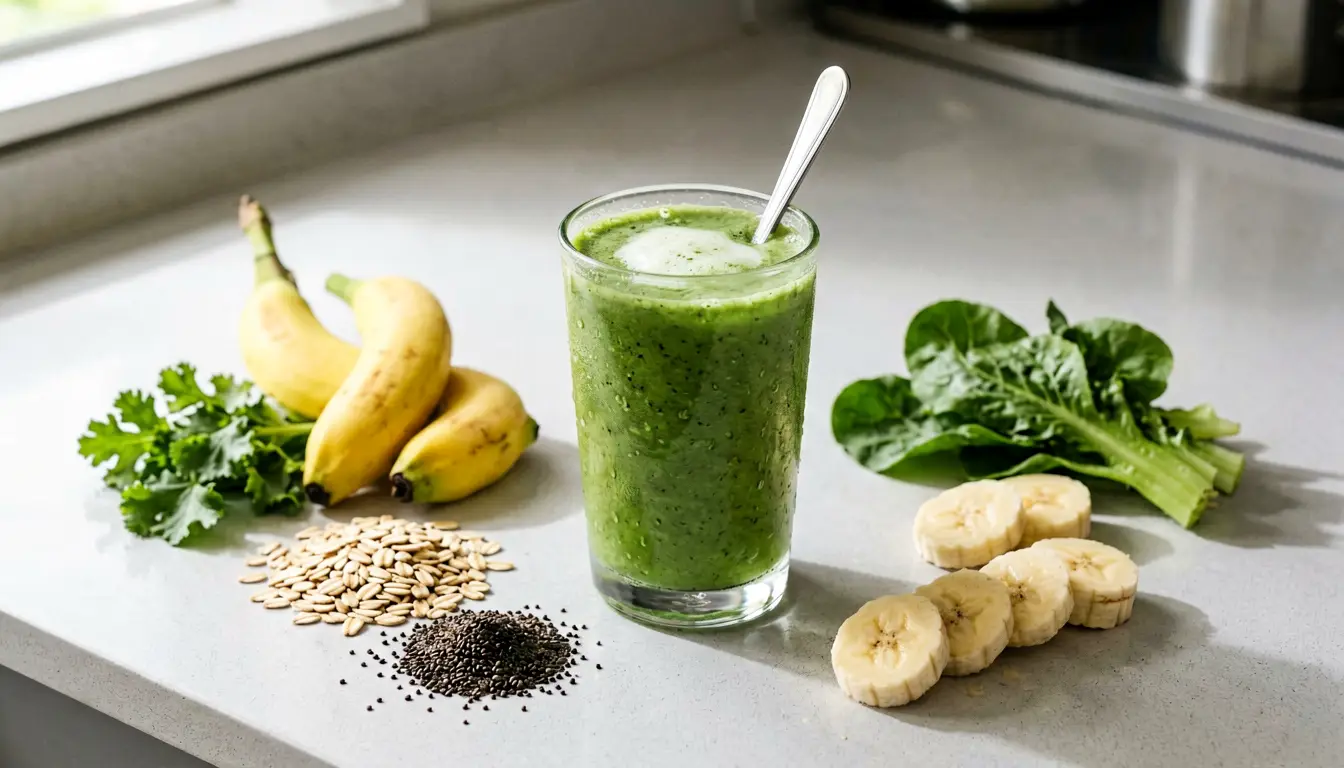
Greens are the easiest win. Spinach almost disappears under berries or mango. Kale has more texture, so it needs a stronger blender or a quick soak in hot water if the leaves are tough. Mixed greens, baby kale, and spinach all work well in a smoothie diet because they add volume without turning the drink heavy.
The final piece is portion control. Nut butter, avocado, seeds, coconut, granola, and protein powders can be useful, but they add up fast. Measure them the same way you would measure oil or dressing. For lighter options with clear calorie limits, use smoothies under 200 calories as a separate snack-style guide.
Ingredients
Use this base for one large smoothie or two smaller servings:
- 1 to 2 cups liquid, such as filtered water, unsweetened almond milk, milk, coconut water, oat milk, or chilled decaf tea
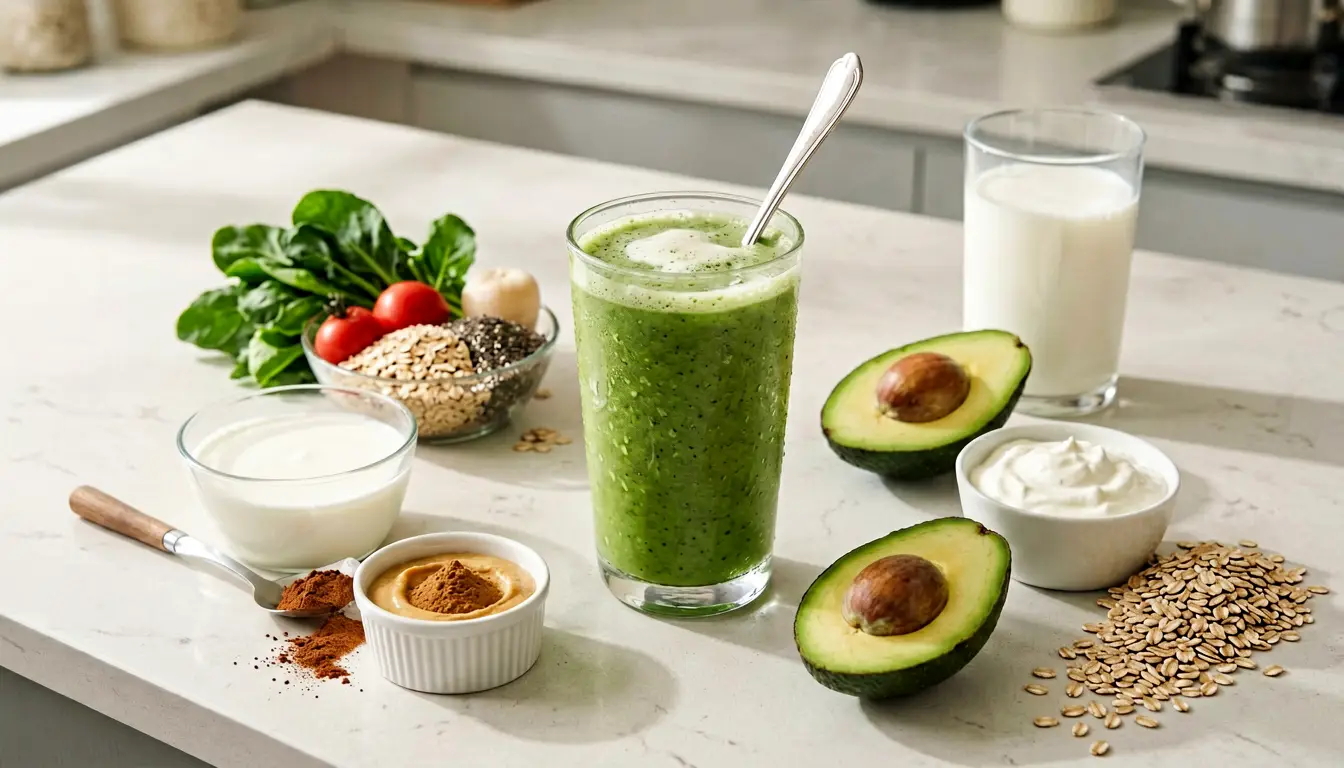
- 2 large handfuls spinach, baby kale, or mixed greens
- 1/2 to 1 cup fruit, fresh or frozen
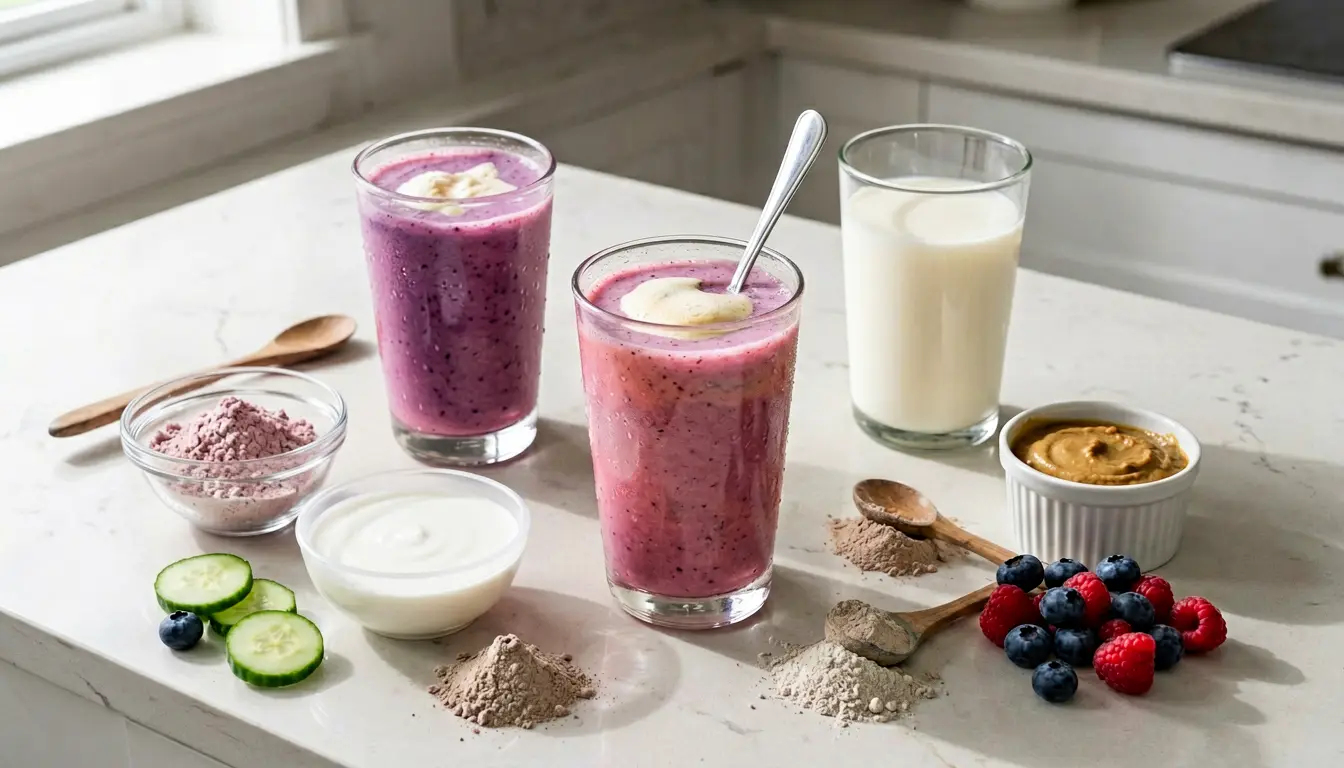
- 1 protein choice: 1/2 cup Greek yogurt, 1/2 cup cottage cheese, 1/2 cup silken tofu, 1 scoop protein powder, or 1 cup higher-protein milk
- 1 fiber choice: 1 tablespoon chia, 1 tablespoon ground flax, 2 tablespoons oat bran, or extra berries
- 1 small fat choice, optional: 1 tablespoon nut butter, 1/4 avocado, or 1 tablespoon seeds
- Ice, if the fruit is fresh and you want a thicker drink
- Flavor extras, such as cinnamon, ginger, turmeric, cocoa powder, lime, lemon, vanilla, or fresh mint
You do not need every add-in at once. For a meal smoothie, choose protein plus either fiber or fat. For a snack smoothie, keep it lighter with greens, fruit, liquid, and one small booster.
Common Fruit And Green Pairings
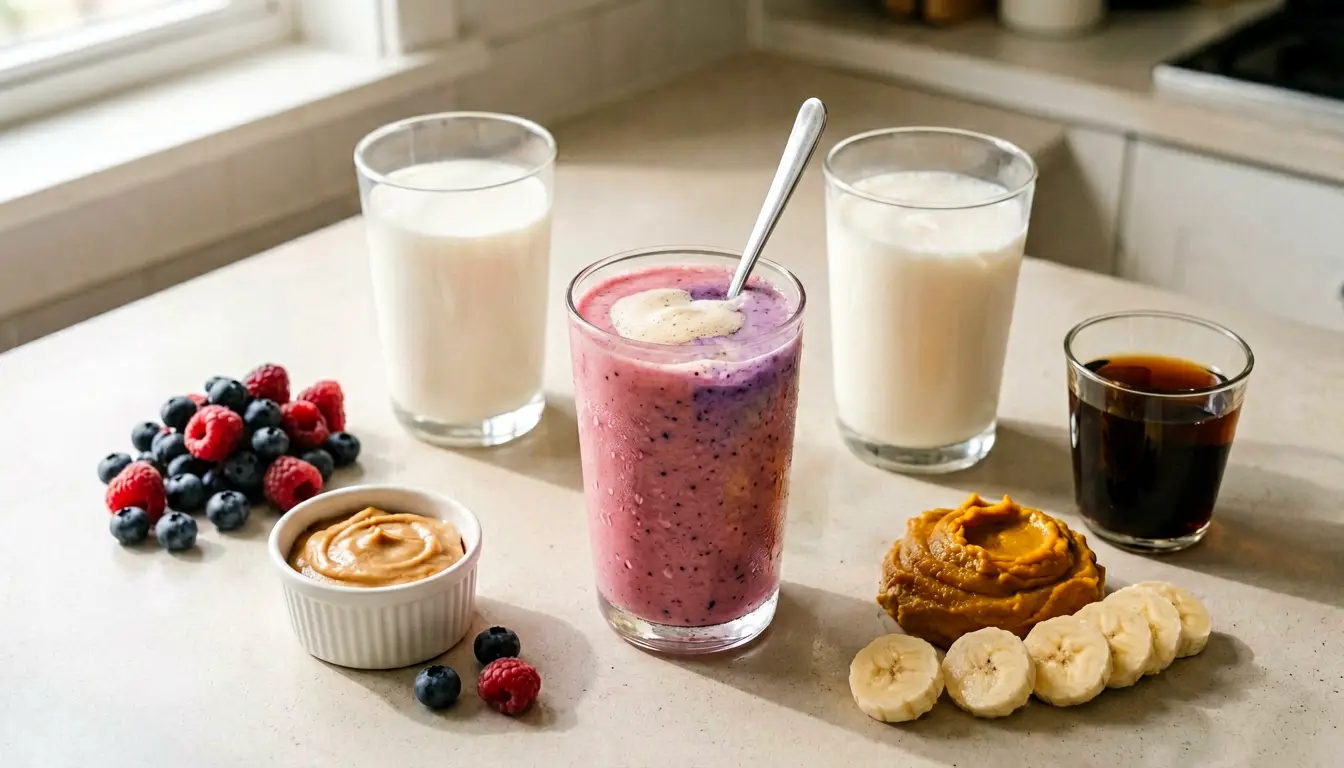
- Spinach, banana, and peanut butter for a creamy breakfast blend
- Spinach, mango, and almond milk for a bright green smoothie
- Kale, berries, and Greek yogurt for a thicker protein smoothie
- Spinach, pineapple, lime, and avocado for a tangy tropical smoothie
- Spinach, apple, cinnamon, and flax for a simple fall-style blend
- Carrot, pineapple, ginger, turmeric, and almond butter for a spiced golden smoothie
If bananas do not work for you, use avocado, frozen mango, frozen berries, soaked cashews, or frozen cauliflower for body. You can also use smoothie recipes without bananas when you want creaminess without the banana flavor.
Equipment You Need
You need a blender, a measuring cup, a spoon, and a glass or bottle. A high-speed blender gives the smoothest texture with kale, frozen fruit, carrots, apple peel, and seeds. A standard blender still works if you cut firm produce smaller and add liquid first.
For meal prep, use freezer bags or containers for fruit and greens. Add liquids, protein powder, yogurt, and nut butter at blending time. This keeps the texture fresher and makes it easier to adjust thickness.
If you plan to drink smoothies often, a few simple tools help:
- Wide-mouth jars for fridge storage
- Silicone freezer trays for leftover coconut water, milk, or fruit puree
- A small spatula for scraping thick smoothies out of the blender
- Reusable straws for thick smoothie bowls or chilled blends
Do not use a juicer for these recipes. A smoothie diet depends on whole blended ingredients. Juicing removes much of the pulp, which changes the texture and makes the drink less filling.
Step-by-Step Method
1. Add Liquid First
Pour 1 cup liquid into the blender first. Use water or unsweetened almond milk for a lighter smoothie. Use milk, soy milk, or pea protein milk when you want more protein. Use coconut water when you want a fresher, lighter finish.
Hold back the second cup of liquid until the end. You can always thin a smoothie, but it is harder to fix one that turns watery.
2. Add Greens
Add spinach, baby kale, or mixed greens next. Two large handfuls is a good everyday amount. If you are new to green smoothies, start with spinach because it blends soft and has a mild taste.
Kale is sturdier. Remove the tough stems, tear the leaves, and blend a little longer. If your blender struggles, soak the kale in hot water for a few minutes, drain it, then blend.
3. Add Fruit
Add 1/2 to 1 cup fruit. Frozen fruit makes the smoothie thick without extra ice. Berries keep the flavor bright. Banana makes it creamy. Mango and pineapple make a green smoothie taste more tropical.
For a weight-loss smoothie, do not keep piling on fruit just because it is healthy. Fruit is still part of the total meal. If you want fruit-forward options, use fruit smoothies for weight loss for ideas that keep the cup balanced.
4. Add Protein
Add one protein choice. Greek yogurt, cottage cheese, tofu, protein powder, soy milk, milk, or pea protein milk can all work. Protein makes the smoothie more useful as breakfast because it helps it feel like food, not just a drink.
If you are using protein powder, check the label for sweeteners and gums if those bother your stomach. Some powders blend better than others, so start with a half scoop if you are sensitive to texture or aftertaste.
5. Add Fiber Or Fat
Add chia, flax, oat bran, avocado, seeds, or a measured spoon of nut butter. These ingredients help the smoothie stay with you, but they are also where calories climb quickly.
For most everyday smoothies, choose one or two of these, not all of them. A tablespoon of almond butter plus chia is plenty for a filling breakfast blend.
6. Blend Until Smooth
Blend on low until the blades catch, then increase to high. Let it run until the greens disappear and the texture looks even. Thick smoothie bowls may need a pause and scrape.
Taste before serving. Add more liquid for a thinner smoothie, more frozen fruit or ice for a thicker one, or a squeeze of lemon or lime if it tastes flat.
Time and Temperature Guide
Most smoothie diet recipes take 5 to 10 minutes from start to finish. The fastest version is a freezer pack with greens and fruit already portioned, plus liquid and protein added fresh.
Drink the smoothie soon after blending for the best color and texture. If you need to make it ahead, refrigerate it in a sealed jar and shake well before drinking. Many green smoothies separate as they sit, especially when they use water, coconut water, or fresh greens.
For the best texture:
- Use frozen fruit when you want a thick smoothie.
- Use ice only when the fruit is fresh or the drink tastes too warm.
- Chill your liquid before blending.
- Use less liquid for a bowl and more liquid for a drinkable smoothie.
- Store thick smoothie bowls and toppings separately.
A smoothie does not need reheating. If it gets too thick in the fridge, loosen it with a splash of water, milk, or unsweetened plant milk and shake or re-blend.
Best Variations
These 9 smoothie diet recipes follow the same base method. Each one makes one large smoothie or two smaller servings.
1. Green Apple Spinach Smoothie
Use 1 sliced green apple, 2 large handfuls spinach, 1/2 frozen banana, 1 tablespoon ground flax, and 1 to 1 1/2 cups filtered water or unsweetened almond milk.
This is the cleanest starter smoothie for a smoothie diet. The apple keeps it crisp, the banana softens the greens, and flax adds body without changing the flavor much.
2. Mango Spinach Almond Smoothie
Use 1 cup frozen mango, 2 handfuls spinach, 1 scoop protein powder or 1/2 cup Greek yogurt, and 1 1/2 cups unsweetened almond milk.
Mango makes a green smoothie taste sweet and sunny without needing juice. This is a good breakfast option when you want something creamy but still light. For more dairy-free blends, use smoothies with almond milk as your base guide.
3. Berry Kale Yogurt Smoothie
Use 1 cup mixed berries, 1 handful spinach, 1 handful chopped kale, 1/2 cup Greek yogurt, 1 tablespoon chia, and 1 cup milk or unsweetened plant milk.
Berries help cover the stronger flavor of kale. Greek yogurt adds protein and tang, while chia thickens the smoothie as it sits.
4. Pineapple Avocado Lime Smoothie
Use 1 cup pineapple, 2 handfuls spinach, 1/4 avocado, juice of 1 lime, 1 tablespoon flax, and 1 to 1 1/2 cups coconut water or filtered water.
Avocado makes this smoothie silky. Lime keeps it from tasting flat. Keep the avocado portion small if weight loss is the goal.
5. Red Cabbage Berry Green Smoothie
Use 1/2 cup chopped red cabbage, 2 handfuls spinach, 1 cup mixed berries, 1/2 banana, and 1 to 1 1/2 cups filtered water.
Red cabbage adds color and crunch before blending, while berries keep the flavor friendly. Blend this one longer than a plain fruit smoothie so the cabbage fully breaks down.
6. Golden Carrot Ginger Smoothie
Use 1 medium chopped carrot, 1 cup pineapple, 2 handfuls spinach, 1 tablespoon almond butter, 1/2 teaspoon turmeric, 1/2 teaspoon ginger, cinnamon, and 1 1/2 cups water or almond milk.
This is a good choice when you want something spiced instead of berry-sweet. The almond butter rounds out the carrot and ginger, but measure it so the smoothie stays balanced.
7. Strawberry Lemon Green Smoothie
Use 1 cup strawberries, 2 handfuls spinach, 1/4 lemon with the peel removed, 1 scoop protein powder or 1/2 cup yogurt, and 1 to 1 1/2 cups water.
Lemon sharpens the strawberry flavor and makes the greens taste fresher. If the peel is organic and your blender can handle it, a small amount of zest is enough.
8. Decaf Green Tea Berry Smoothie
Use 1 cup chilled decaf green tea, 1/4 cup almond milk, 1 cup frozen berries, 2 handfuls spinach, and 1 tablespoon chia or flax.
This one is lighter than a milk-based smoothie. It works best as a morning snack or afternoon pick-me-up, not as a full meal unless you add protein.
9. Strawberry Almond Smoothie Bowl
Use 1 cup frozen strawberries, 2 handfuls spinach, 1 tablespoon almond butter, 1 to 1 1/2 cups unsweetened almond milk, and ice as needed. Blend thick, pour into a bowl, then top with a small spoonful of coconut, berries, cacao nibs, or granola.
Smoothie bowls are easy to overdo because toppings feel small. Keep toppings to a small handful total if this is part of a weight-loss plan.
Common Mistakes
The biggest mistake is treating every smoothie as automatically healthy. A large smoothie with juice, several cups of fruit, sweetened yogurt, nut butter, granola, honey, and protein powder can become more than a meal.
Another mistake is skipping protein. A fruit-and-greens smoothie may taste refreshing, but it often will not hold you until lunch. Add Greek yogurt, cottage cheese, tofu, milk, soy milk, or protein powder when the smoothie is meant to replace breakfast.
Do not forget texture. A watery smoothie feels less satisfying, even when the ingredients are good. Frozen fruit, chia, flax, yogurt, avocado, and ice can all help, but the goal is creamy, not cement-thick.
Watch the sweeteners. Stevia, monk fruit, honey, maple syrup, dates, juice, and sweetened milk can all push the smoothie sweeter. If cravings are the problem, try low-sugar smoothie ingredients instead of adding more sweetener.
Finally, do not force a smoothie diet if it makes you feel worse. If high-fiber smoothies upset your stomach, start smaller, use softer greens, and increase fiber slowly. If smoothies make you hungrier, build them with more protein and thickness or choose a whole-food breakfast instead.
What to Serve With It
If the smoothie is a snack, drink it on its own. If it is breakfast, pair it with something simple and protein-rich when needed, such as eggs, cottage cheese, plain Greek yogurt, or a slice of whole-grain toast with nut butter.
For lunch, a smoothie pairs best with food you can chew. Try a salad with chicken or tofu, a turkey wrap, a bean bowl, or leftovers from dinner. This keeps the smoothie from becoming the only texture in the meal.
If you are using smoothies before or after a workout, choose the blend based on timing. A lighter fruit-and-yogurt smoothie may work before exercise. A higher-protein smoothie with yogurt, milk, tofu, or protein powder may fit better after. For bigger goals, high-calorie protein smoothies are a better match than a weight-loss smoothie.
Storage and Reheating
Smoothies are best fresh, but you can prep the ingredients ahead. Freeze fruit and greens in individual packs, then blend with liquid and protein when you are ready.
If you need to store a blended smoothie, pour it into a sealed jar and refrigerate. Shake well before drinking because separation is normal. Green smoothies often taste brightest the same day.
For freezer prep:
- Freeze fruit in measured portions.
- Add greens to the freezer bag if you will use them within a few weeks.
- Keep yogurt, protein powder, nut butter, chia, and flax out of the freezer bag until blending.
- Label bags with the liquid and protein you plan to add.
Do not reheat a smoothie. If it gets too cold or too thick, let it sit at room temperature for a few minutes, add a splash of liquid, then shake or re-blend.
Frequently Asked Questions
Can you lose weight on a smoothie diet?
You can lose weight with smoothies if they help you reduce overall calories while still getting enough protein, fiber, and nutrients. The smoothie has to replace a less balanced meal or snack. Drinking smoothies in addition to everything you already eat usually will not help.
What should I put in a smoothie for weight loss?
Use whole fruit, leafy greens, a protein source, and one measured fiber or fat add-in. A simple mix is spinach, berries, Greek yogurt, chia, and unsweetened almond milk.
Are green smoothies better than fruit smoothies?
Green smoothies are often easier to balance because spinach, kale, and mixed greens add volume without much sweetness. Fruit smoothies can still work, but they need protein and measured portions so they do not become too sugar-heavy.
Can I drink a smoothie instead of breakfast?
Yes, if it is built like breakfast. Add protein, fiber, and enough thickness to keep you full. If a smoothie leaves you hungry an hour later, add protein or pair it with a small whole-food side.
Should I use water, milk, or almond milk?
Use water for the lightest smoothie, almond milk for a mild dairy-free base, and milk or soy milk when you want more protein. Coconut water works well in tropical smoothies but should still be unsweetened.
Is it okay to drink smoothies every morning?
It can be okay if the smoothie is balanced and your overall diet still includes chewable meals, vegetables, protein, and enough calories. For more timing help, see whether morning smoothies are healthy.
What makes a smoothie too high in calories?
Large portions of nut butter, avocado, seeds, granola, sweetened yogurt, honey, dates, juice, and protein powder can add up quickly. Measure add-ins instead of pouring them freely.
Do I need protein powder?
No. Protein powder is convenient, but Greek yogurt, cottage cheese, tofu, milk, soy milk, and pea protein milk can also add protein. Choose the option that tastes good and fits your stomach.
How do I make a smoothie diet safer for blood sugar?
Use whole fruit instead of juice, keep fruit portions moderate, add protein, add fiber, and include a little fat. If you have diabetes or another medical condition, get personal guidance before making smoothies a daily meal replacement.
For the closest next steps, use do smoothies work for weight loss if you want the bigger weight-loss answer, smoothies with no yogurt if dairy does not work for you, smoothies for weight gaining if your goal is the opposite of calorie control, and smoothies and juices for weight loss, energy, and better digestion if you want to compare blended drinks with juice-style options.