
As an affiliate, we may earn a commission from qualifying purchases. We get commissions for purchases made through links on this website from Amazon and other third parties.
There is no single official smoothie chart, but most smoothies fall into a handful of familiar types. You have fruit smoothies, green smoothies, protein smoothies, meal-style smoothies, dessert-style smoothies, and thicker bowl-style versions. Some cultures also have close smoothie cousins, like lassi and licuados, that use similar blending ideas with different ingredients and traditions.
The easiest way to think about smoothie types is by purpose and texture. Some are built to refresh. Some are built to fill you up. Some are sweet and fruit-forward, while others lean into vegetables, yogurt, or protein. If you want the ingredient list first, what smoothies are usually made of lays out the building blocks.
Quick Answer
The main types of smoothies are fruit smoothies, green smoothies, protein smoothies, meal replacement smoothies, smoothie bowls, and specialty styles like savory smoothies or yogurt-based blends. They differ mostly in texture, ingredients, and what job they are meant to do.
Most smoothies overlap a little. A green smoothie can also be a protein smoothie. A fruit smoothie can also work as a meal if it has enough body and add-ins.
What It Is / When to Use It
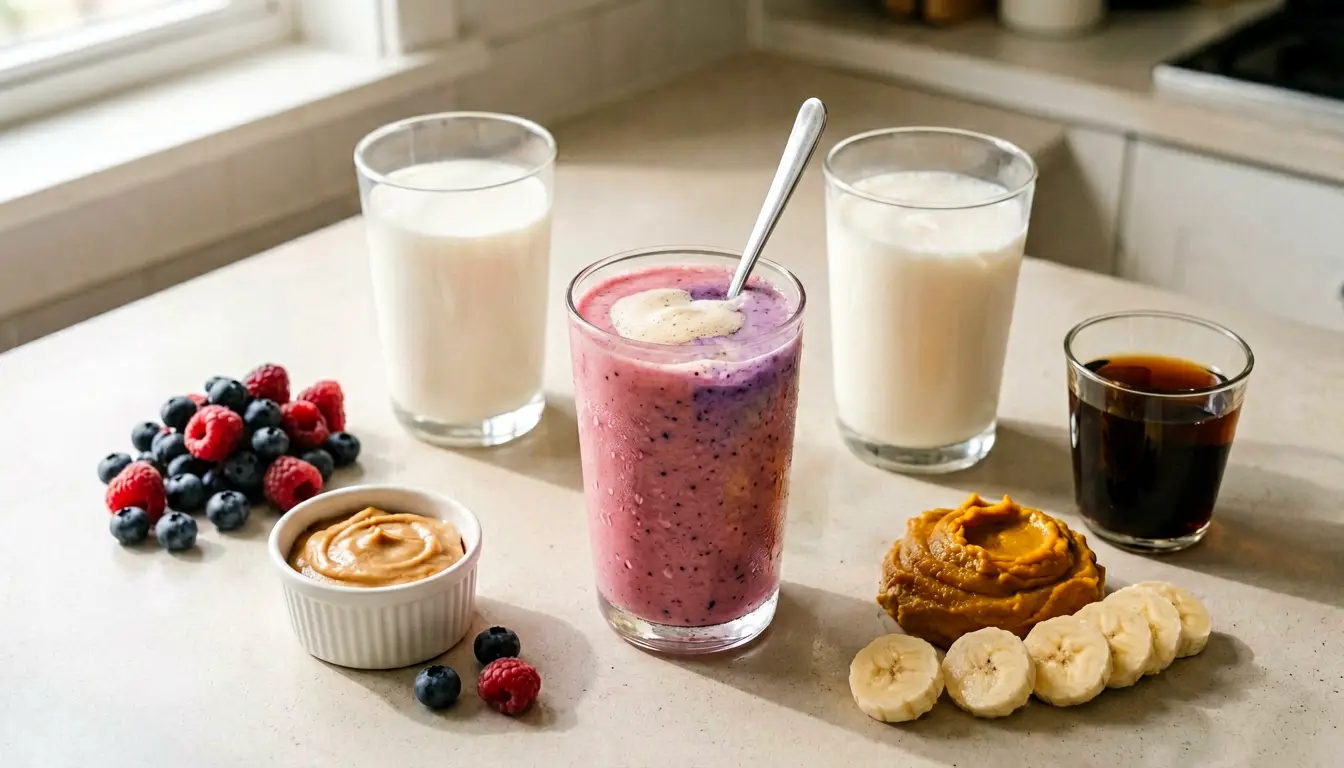
Fruit smoothies are the most common type. They usually focus on fresh or frozen fruit with a liquid base and maybe yogurt or banana for texture. They are good when you want something bright, familiar, and easy to blend.
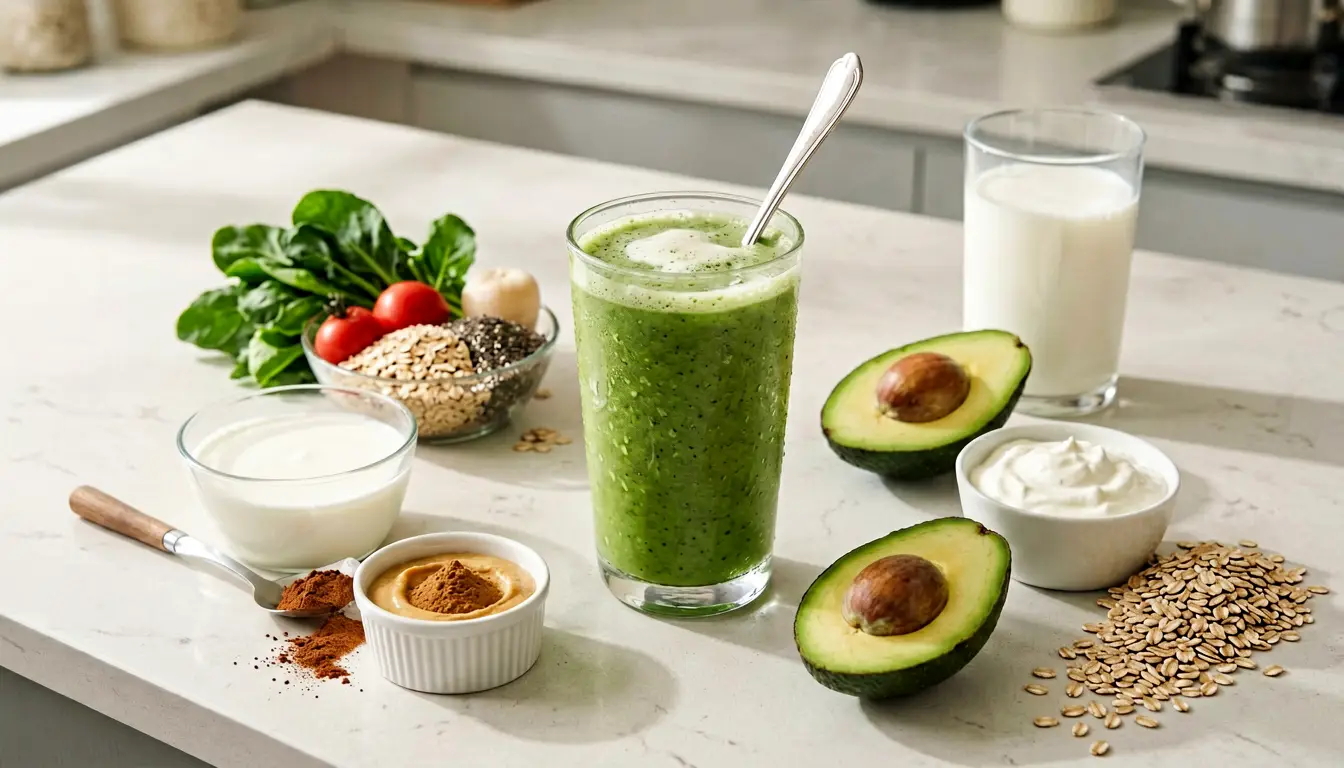
Green smoothies use leafy greens with fruit and liquid. They are usually sweeter than they look because fruit does the heavy lifting on taste. Pineapple, mango, and banana are especially useful here, which is why which is better for smoothies kale or spinach comes up so often.
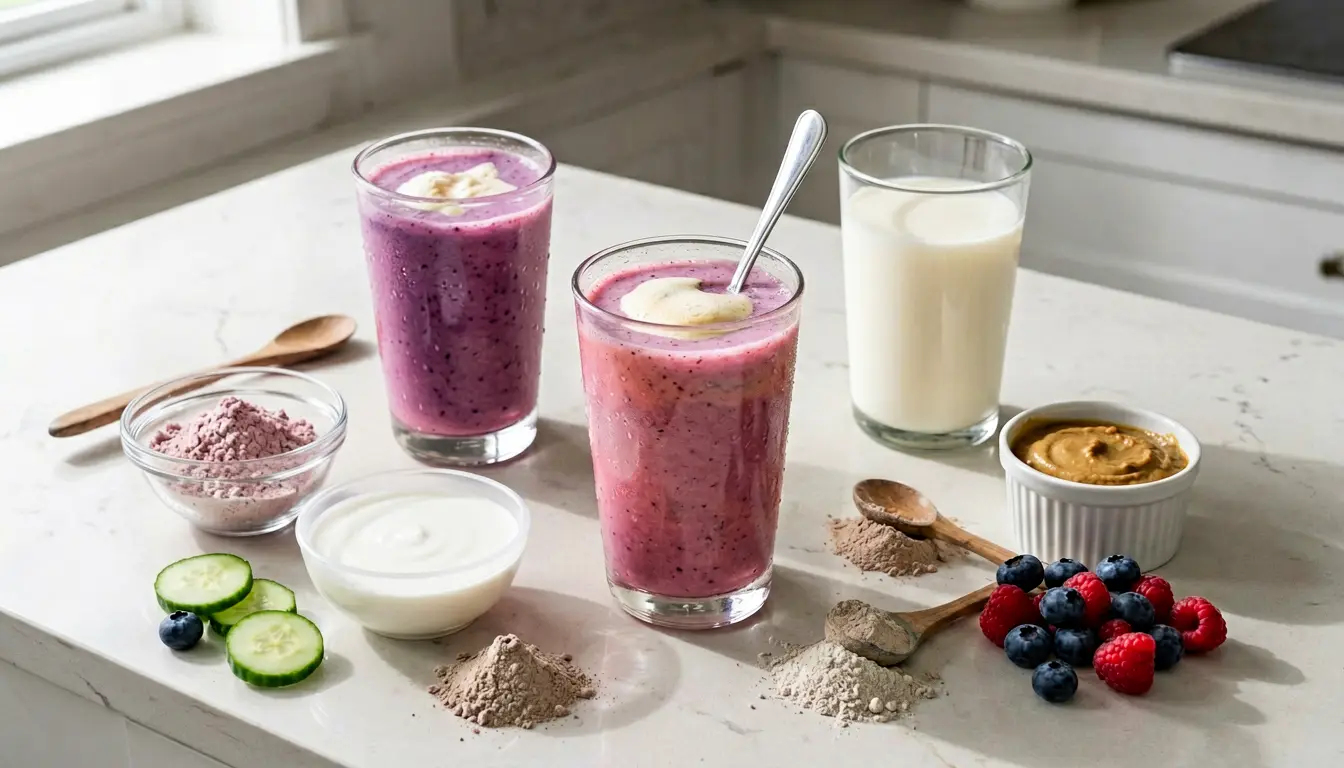
Protein smoothies and meal-style smoothies are about staying power. They use fruit too, but add ingredients like Greek yogurt, cottage cheese, protein powder, oats, or nut butter to make the drink more substantial. Bowl-style smoothies are thicker still and are meant to be eaten with toppings instead of sipped through a straw.
There are also less common types that matter once you branch out. Savory smoothies skip the dessert feel and lean on vegetables, herbs, and spices. Yogurt-based traditions like lassi and fruit-milk blends like licuados show that smoothie-style drinks are not all built from the same American fruit-bar template.
Substitutes / Swaps
If you are not sure which type fits you, start with the goal instead of the label. Want something light? Go fruit-forward. Want something greener? Use leafy vegetables with sweet fruit. Want something filling? Move toward protein or meal-style ingredients.
You can also convert one smoothie type into another with a few changes. Add greens to turn a fruit smoothie into a green smoothie. Add oats, yogurt, or protein to turn it into a meal-style smoothie. Reduce the liquid and add toppings to make it bowl-like. If the texture gets off while you do that, what makes smoothies thicker is the practical fix.
That flexibility is why smoothie categories are helpful, but not rigid. They are starting points, not strict rules.
Prep Tips
Match the thickness to the type. Sip-style smoothies need enough liquid to move easily. Bowl-style smoothies should be much thicker so toppings stay put. Meal-style smoothies need more body than a light fruit blend or they will not feel satisfying for long.
Pick ingredients that support the type instead of fighting it. Fruit smoothies want clean, bright flavors. Green smoothies need fruit that softens bitterness. Protein smoothies need ingredients that keep the texture pleasant and not chalky. Savory smoothies need acid, herbs, or spice so they do not just taste like blended vegetables.
If you are still figuring out your preferred style, good smoothie combos and the best things to put in smoothies help you narrow it down quickly.
Storage / Reheat / Freeze
Lighter fruit smoothies usually hold up better in the fridge than very thick bowl-style or dairy-heavy smoothies. Protein and meal-style blends can turn denser after sitting, while green smoothies may separate faster if they are thin.
For most smoothie types, ingredient prep is still the better storage plan. Freeze fruit and add-ins in portions, then blend fresh when you are ready. That protects the texture that makes each style feel distinct in the first place.
Frequently Asked Questions
What is the most common type of smoothie?
Fruit smoothies are the most common because they are easy to make and easy to like.
Are green smoothies and fruit smoothies different?
Yes. Green smoothies include leafy greens, while fruit smoothies focus mainly on fruit and optional creamy add-ins.
Is a protein smoothie the same as a meal replacement smoothie?
Not always. Protein smoothies focus on protein, while meal replacement smoothies aim to feel more complete and filling overall.
Are smoothie bowls still smoothies?
Yes. They use the same blended base, but they are made much thicker and served with toppings.
Can smoothies be savory instead of sweet?
Yes. Some smoothies use vegetables, herbs, spices, and protein-rich ingredients for a savory blend instead of a sweet one.
For fruit-forward styles, start with berry smoothies. If you want creamier builds, compare coconut milk smoothies with cottage cheese smoothies. For texture-sensitive blends, seed-free smoothies are a cleaner path.