
As an affiliate, we may earn a commission from qualifying purchases. We get commissions for purchases made through links on this website from Amazon and other third parties.
Blue smoothies usually get their color from blue spirulina or butterfly pea flower, not from blueberries alone. Blueberries can help, but they usually push a smoothie toward purple, gray-purple, or blue-violet rather than a clear bright blue.
That difference matters if you are trying to make a smoothie that looks truly blue instead of just berry-colored. The ingredient creating the color matters, but so does the rest of the blend. Pale fruits and lighter liquids let blue show up more clearly, while darker fruits can muddy it fast. If you want the flavor side next, what fruit makes good smoothies and what are some good smoothie combos are the best follow-ups.
Quick Answer
Smoothies turn blue most reliably from blue spirulina or butterfly pea flower. Blueberries contain pigments that can look blue on their own, but in smoothies they usually read more purple than true blue.
A bright blue smoothie also needs a light-colored base. Pineapple, banana, milk, and pale nondairy milks help the color stay clearer than dark berries or chocolate add-ins.
What It Is / When to Use It
If you want a smoothie that looks vivid blue, blue spirulina is the most direct option. It adds strong color without needing artificial dye, which is why it shows up so often in bright blue smoothie recipes. A lighter fruit base helps the blue stay visible instead of disappearing into a darker mix.
Butterfly pea flower is another natural blue option. It is known for producing a deep blue color, but it is also more reactive. When acid gets involved, especially citrus, the color can shift away from blue and toward purple. That can be useful if you want a color-changing drink, but not if your goal is a stable bright blue smoothie.
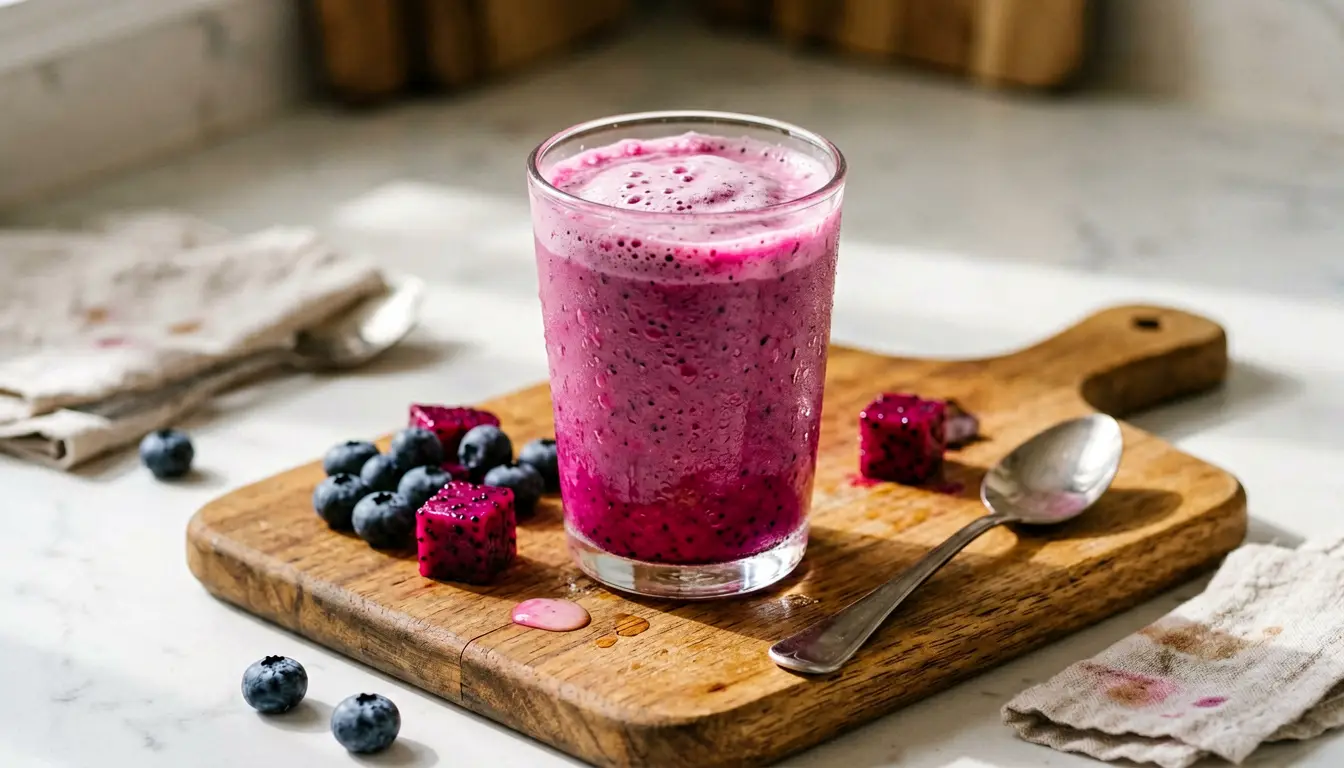
Blueberries work differently. They contain anthocyanins, the same pigment family that gives many fruits and plants blue, purple, or red tones. In practice, though, blueberry smoothies usually land in purple territory. That is why a blueberry smoothie can look beautiful without really looking blue.
Substitutes / Swaps
If you do not have blue spirulina, butterfly pea flower is the clearest natural swap. Just know that the shade is more sensitive to acidic ingredients. If you want a softer blue-violet smoothie instead of a vivid blue one, blueberries can take you there more easily.
The other smart swap is in the base, not just the coloring ingredient. Use pale fruits like pineapple or banana instead of darker berries if the goal is color clarity. Use milk, coconut milk, or a neutral plant milk instead of deeply colored juice if you want the blue to stand out.
If the smoothie needs more body while staying light in color, lean on the same ingredients that help with what makes smoothies creamy and what makes smoothies thicker. Banana helps both texture and color support better than a cup of mixed berries would.
Prep Tips
Pick the color source first, then build the smoothie around it. If you start with spirulina or butterfly pea, keep the rest of the ingredient list simple so the blue has room to show. Pineapple, banana, and pale milk are easier to work with than strawberries, blackberries, cocoa, or peanut butter.
Be careful with acid if you are using butterfly pea flower. Lemon, lime, orange, and other tart ingredients can push the color toward purple. That does not ruin the smoothie, but it does change the result. If you are using blueberries, expect purple-blue rather than bright blue and plan the flavor accordingly.
It also helps to blend and serve quickly. Natural colors can dull when they sit, especially if the smoothie starts warming up or separating. If you are already thinking about how sweetness changes the look and taste, what makes smoothies sweet and what makes smoothies taste good pair well with this page.
Storage / Reheat / Freeze
Blue smoothies are usually best right after blending because the color is strongest then. As the smoothie sits, the shade can soften, separate, or drift if the ingredients are reactive.
Cold storage helps more than warm storage, so keep blue ingredients chilled and blend close to serving time. If you want to prep ahead, freeze the fruit and keep the color ingredient ready to add at blending time instead of storing the finished smoothie for long.
That matters most with butterfly pea and spirulina-style blue blends. If the smoothie already leans purple from blueberries, the color shift is usually less surprising because purple is already part of the mix.
Frequently Asked Questions
Do blueberries make smoothies blue?
Usually not true blue. They more often make smoothies purple, violet, or gray-purple.
What ingredient makes a smoothie bright blue?
Blue spirulina is one of the easiest ways to make a smoothie look vividly blue.
Can butterfly pea flower make smoothies blue?
Yes. It can create a strong blue color, but acidic ingredients can push the shade toward purple.
Why does my blue smoothie turn purple?
Acidic ingredients, darker fruits, or pigments like blueberry anthocyanins can shift the smoothie away from clear blue.
What base works best for a blue smoothie?
Light-colored ingredients like pineapple, banana, and pale milk or nondairy milk usually show blue more clearly.
If you want to keep tuning the blend, start with fruits that make good smoothies so the color still tastes good. For texture, creamier smoothie ingredients and smoothie sweetness balance help keep the blue blend from tasting thin or flat.