
As an affiliate, we may earn a commission from qualifying purchases. We get commissions for purchases made through links on this website from Amazon and other third parties.
The best smoothies do not all do the same job. Some are bright and fruit-forward. Some are thick enough to feel like breakfast. Some are easy to drink after a workout, and some are more like a cold snack with a little more structure. That is why the best smoothie is usually the one that fits the moment, not just the sweetest thing you can throw in a blender.
This guide brings the best smoothie styles into one place so you can choose by flavor, texture, and what you want the glass to do for you. If you already know you want fruit-first ideas, fruit smoothie combinations are the most direct next stop. If the real issue is technique, better fruit-blending basics cover the order and fruit choices that make the biggest difference.
Quick Picks / Best Fits
| If you want… | Start here | Why it works |
|---|---|---|
| the easiest everyday smoothie | best fruit smoothies | Fruit-first blends are the easiest place to start because the flavor path stays clear. |
| the most filling breakfast option | peanut butter banana smoothies | Banana, oats, yogurt, and nut butter make a smoothie hold longer. |
| the brightest berry flavor | berry smoothies | Berries bring color, tartness, and strong flavor without much effort. |
| the most refreshing hot-weather sip | watermelon smoothies | Watermelon keeps things light, juicy, and easy to drink. |
| the best tropical direction | mango pineapple smoothies | Mango and pineapple give you sweetness, tang, and a thicker tropical texture. |
| a more balanced fruit angle | balanced fruit smoothie ideas | These are the easiest picks when you want more balance without losing flavor. |
How This List Is Organized
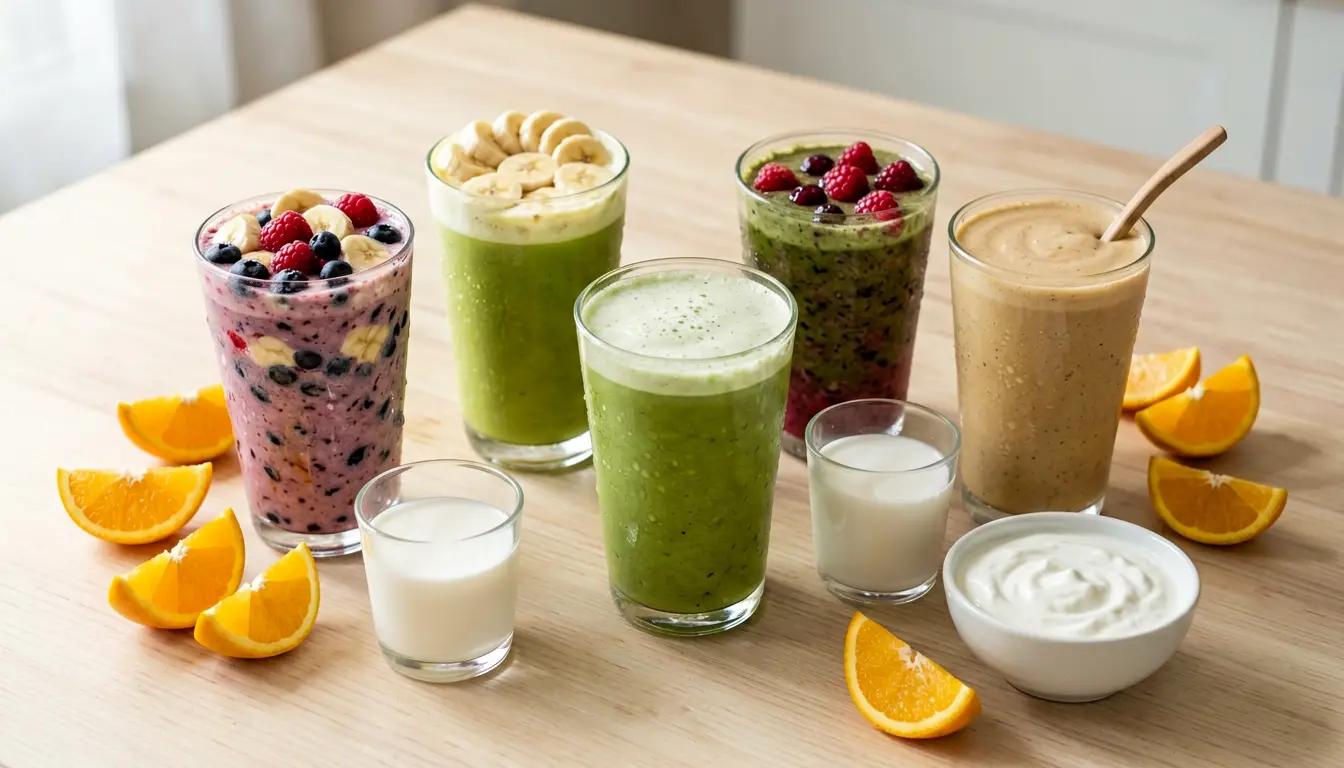
The smoothies here are grouped by what changes the experience the most. Some are classic fruit smoothies that work any day of the week. Some are thicker and more filling because they use yogurt, oats, nut butter, avocado, or other ingredients that help them act more like breakfast. Others stay lighter and cleaner, which makes them better for afternoons, warm weather, or days when a heavy smoothie sounds like too much.
That matters because texture changes everything. A smoothie can be creamy and substantial, or cold and easy to sip, even when the ingredient list looks similar on paper. That is why fresh smoothies feel lighter than acai or dragon fruit blends when you want something clean and produce-forward.
If you are making smoothies often, a few kitchen choices change the experience more than another recipe does. A stronger smoothie blender helps with frozen fruit, greens, oats, and seeds. A compact smoothie maker makes sense when you mostly blend one glass at a time. For mornings away from the kitchen, smoothie containers for meal prep are more useful than trying to rescue a warm, separated drink later.
If you want a plan instead of choosing a different smoothie every morning, read the Smoothie Diet review before deciding whether a fixed routine fits better than homemade flexibility.
Strawberry Banana Smoothies
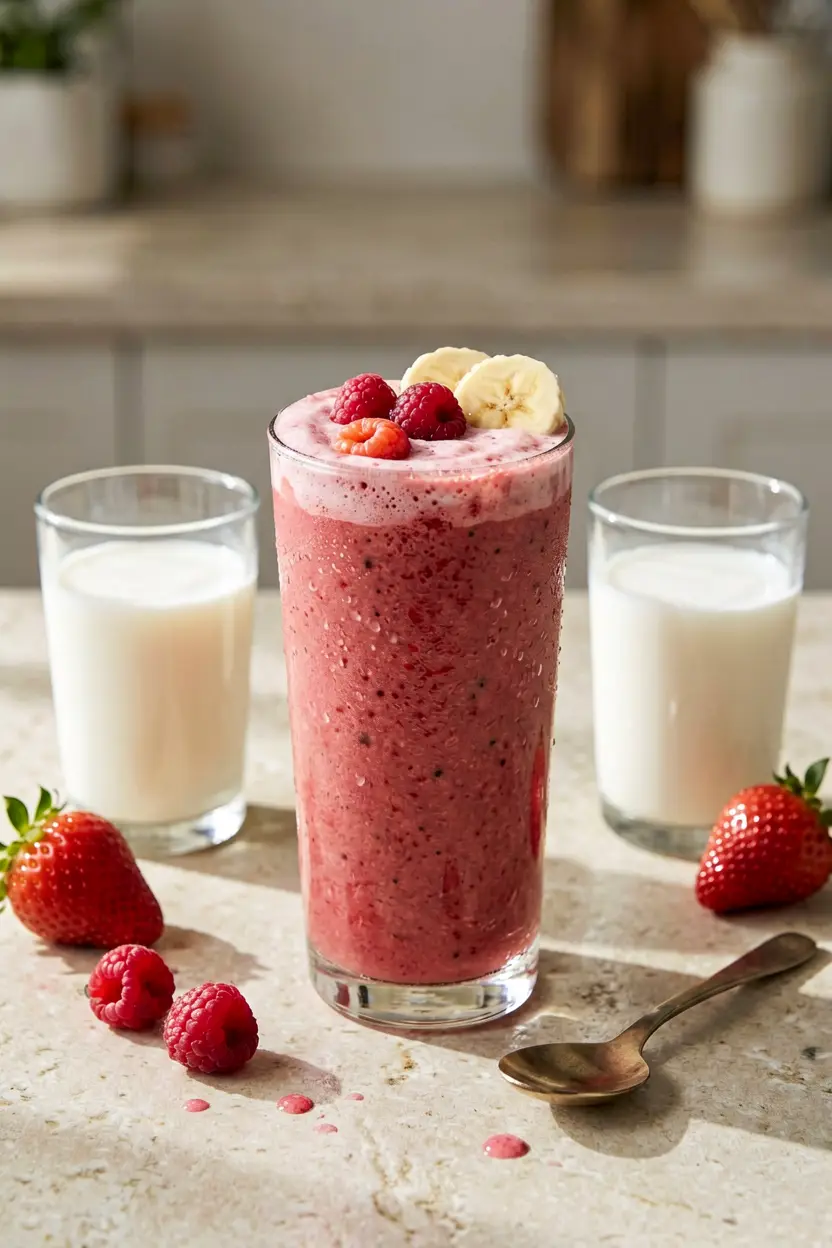
This is still the easiest all-around smoothie style because it balances sweetness, brightness, and body without much effort.
Ingredients:
- 1 cup strawberries, fresh or frozen
- 1 banana, preferably frozen
- 3/4 cup milk, almond milk, or oat milk
- 1/4 cup yogurt, optional
How to Make It: Blend the liquid, strawberries, banana, and yogurt if using until smooth.
Recipe Tips: Add yogurt only when you want this to lean more breakfast than snack.
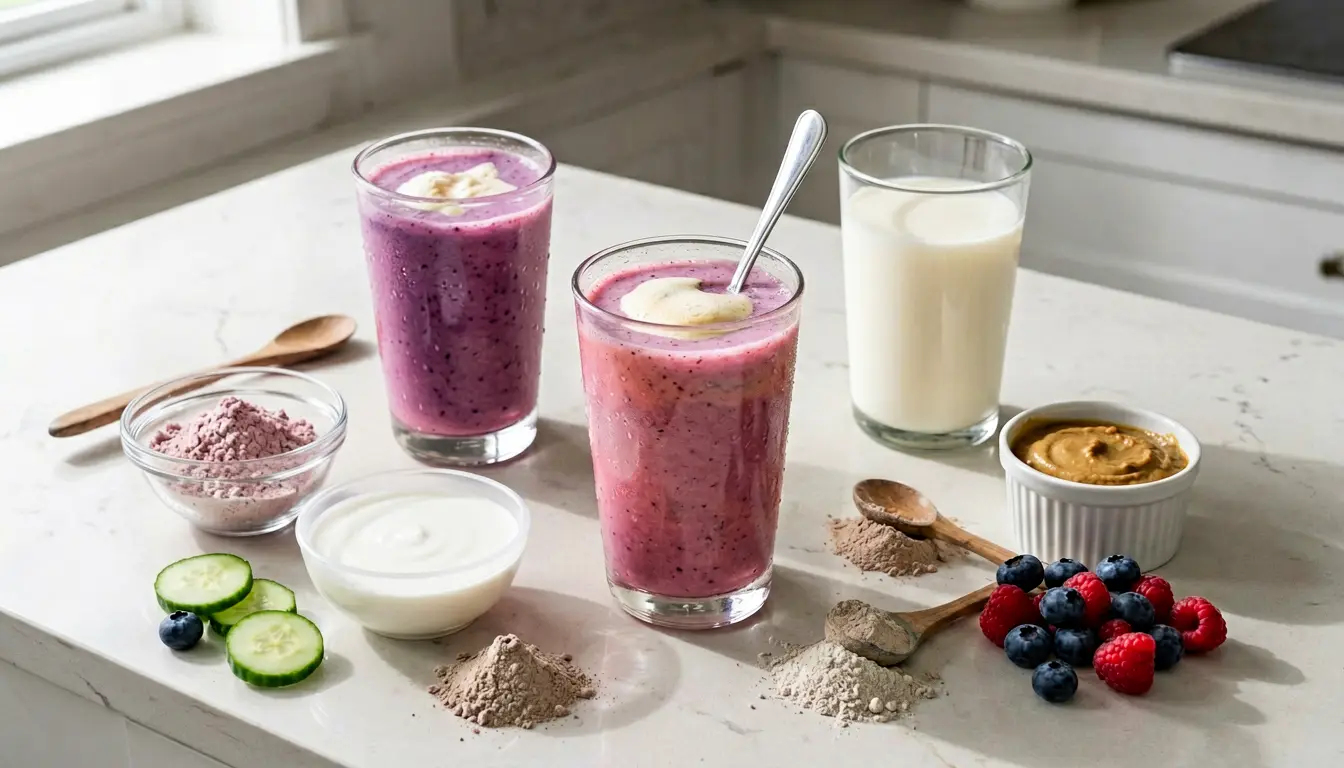
Berry Smoothies
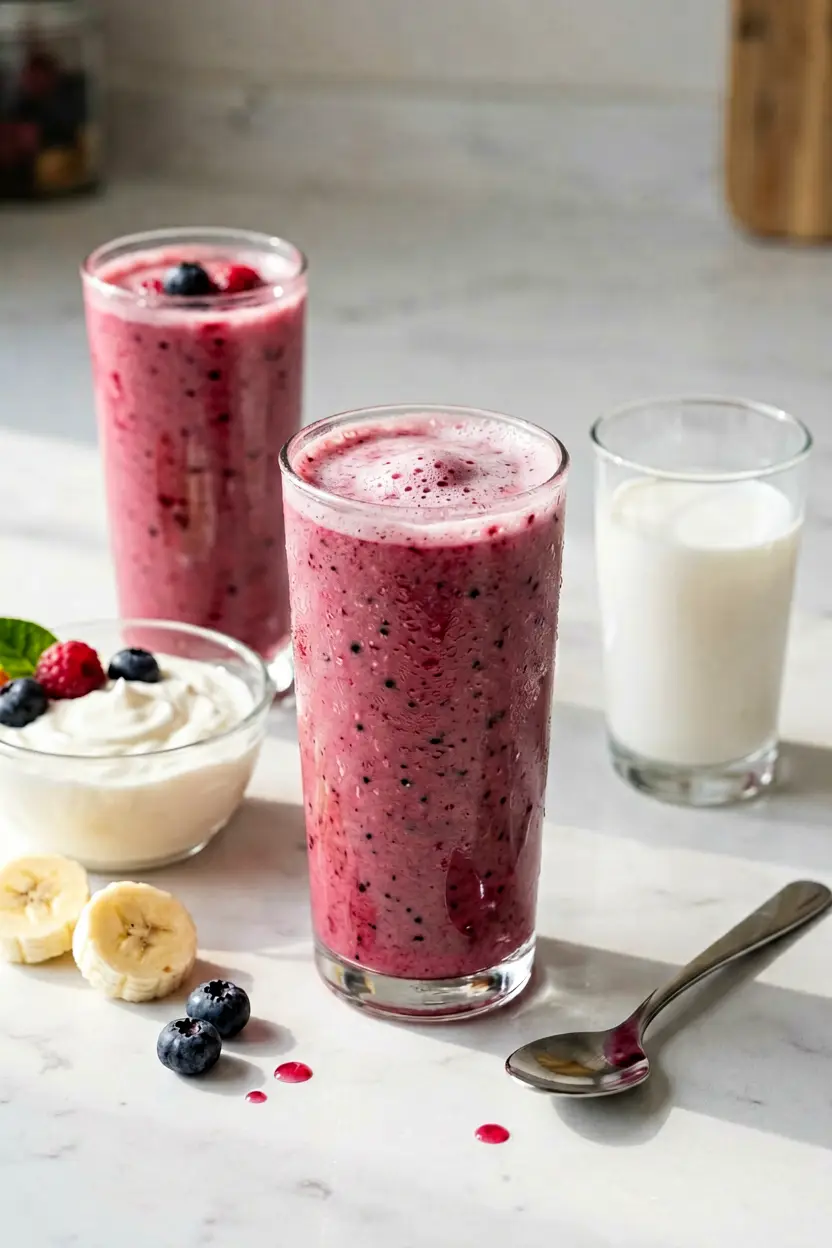
Berry smoothies are strongest when you keep the texture thick enough to support the tartness.
Ingredients:
- 1 cup mixed berries, fresh or frozen
- 1/2 banana or 1/2 cup yogurt
- 3/4 cup milk, almond milk, or orange juice
- 1 teaspoon honey, optional
How to Make It: Blend the liquid, berries, banana or yogurt, and honey if using until smooth.
Recipe Tips: Yogurt makes this rounder, while banana keeps it simpler and sweeter.
Mango Smoothies
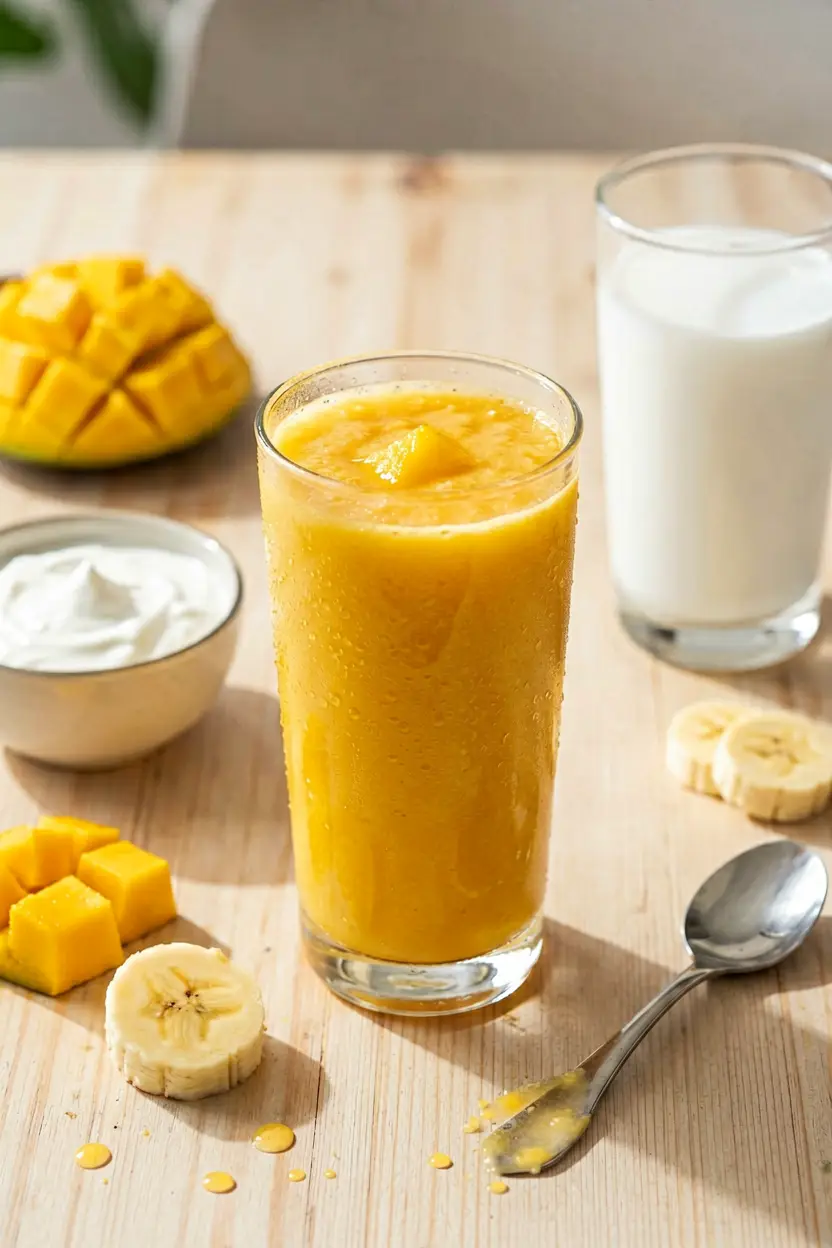
Mango smoothies are some of the best general-purpose options because mango handles both sweetness and texture well.
Ingredients:
- 1 cup mango chunks, fresh or frozen
- 1/2 banana or 1/2 cup yogurt
- 3/4 cup milk or coconut water
- 1 teaspoon lime juice, optional
How to Make It: Blend the liquid, mango, banana or yogurt, and lime if using until smooth.
Recipe Tips: Use frozen mango for the thickest texture and the most consistent sweetness.
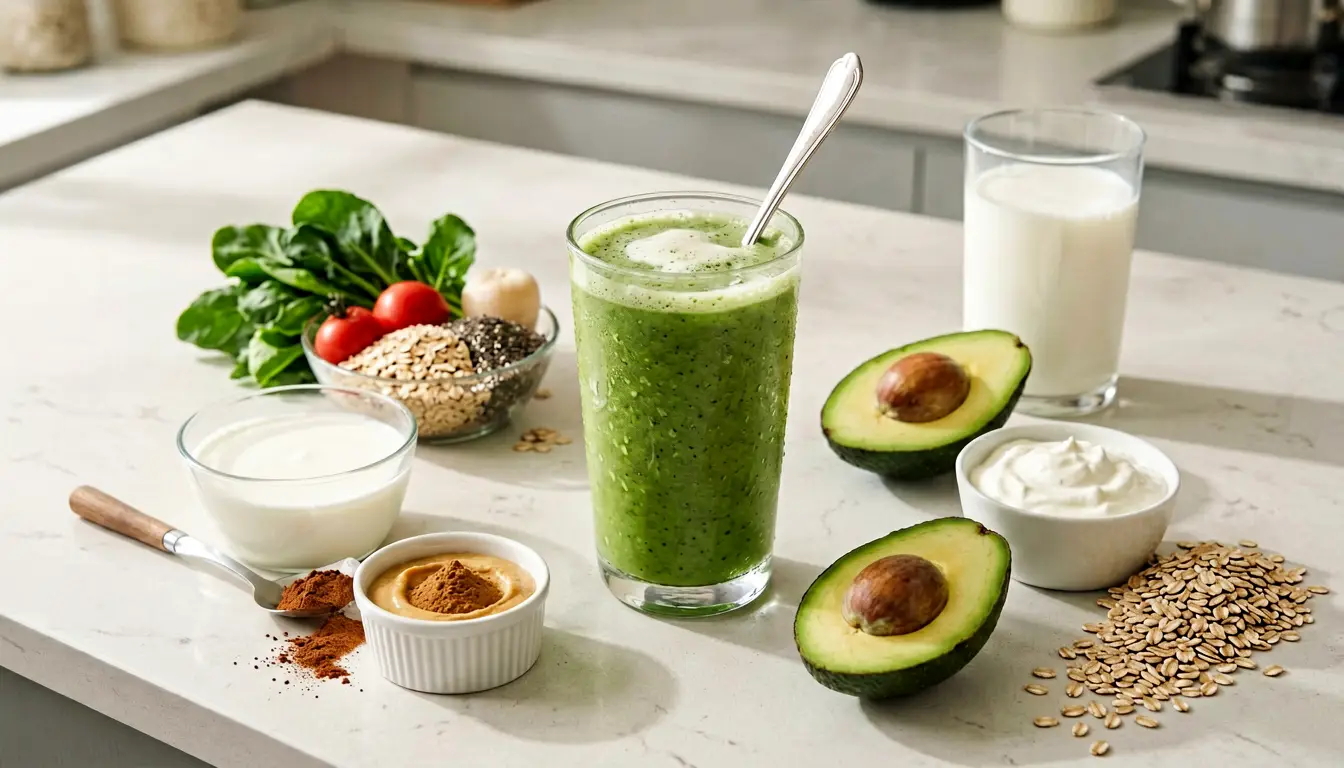
Green Smoothies
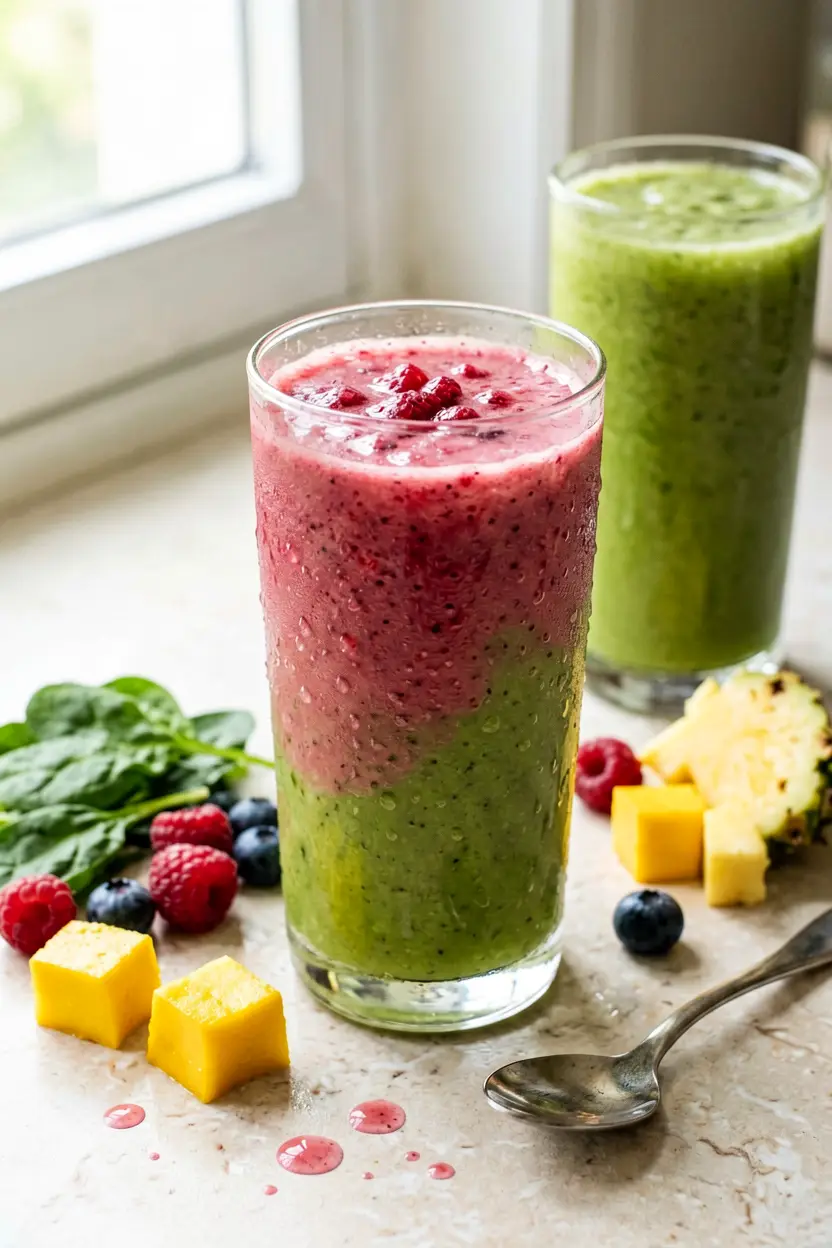
This blend keeps the greens mild by pairing them with fruit, creaminess, and enough brightness to stay easy to drink.
Ingredients:
- 1 cup baby spinach or mild greens
- 1 cup mango, pineapple, or berries
- 1/2 banana, preferably frozen
- 3/4 cup milk, almond milk, coconut water, or orange juice
How to Make It: Blend the greens with the liquid first, then add the fruit and banana and blend again until smooth.
Recipe Tips: Blend the greens with the liquid first if your blender leaves leafy bits behind.
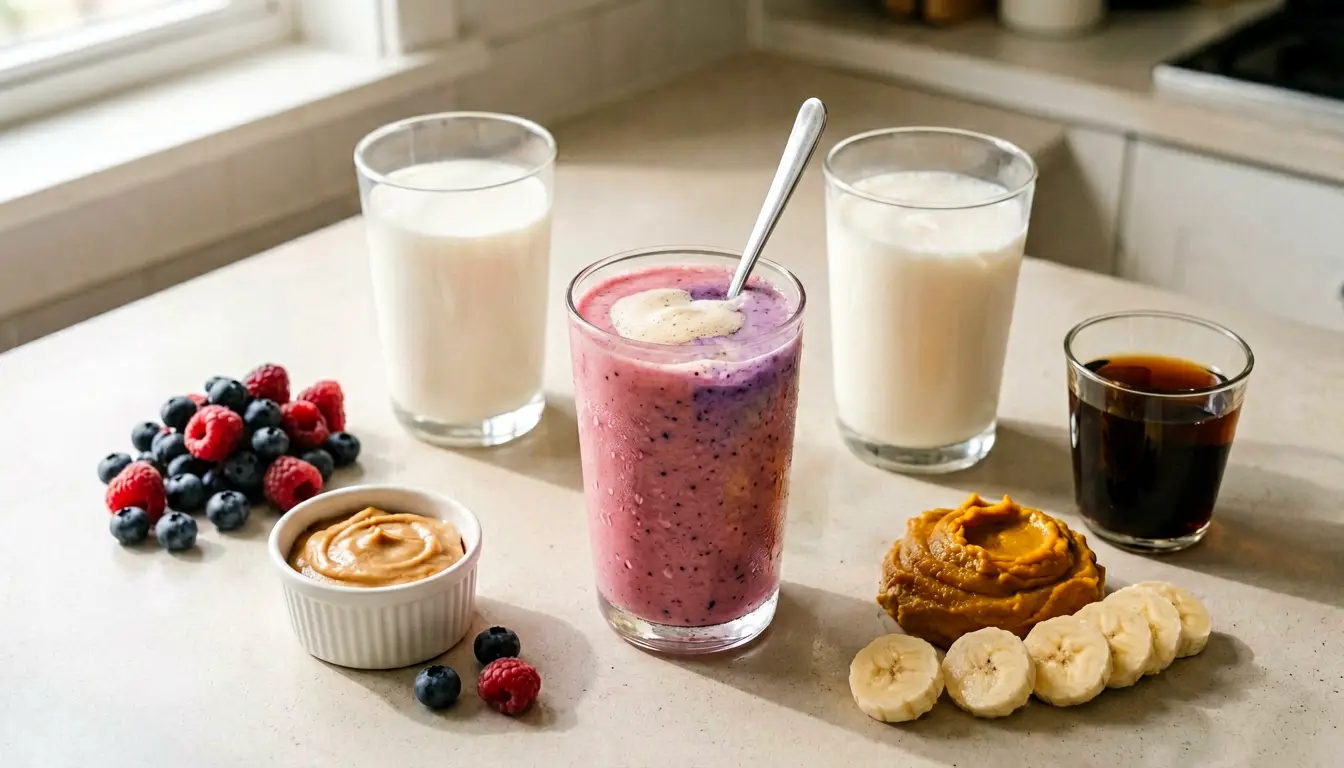
Peanut Butter Banana Smoothies
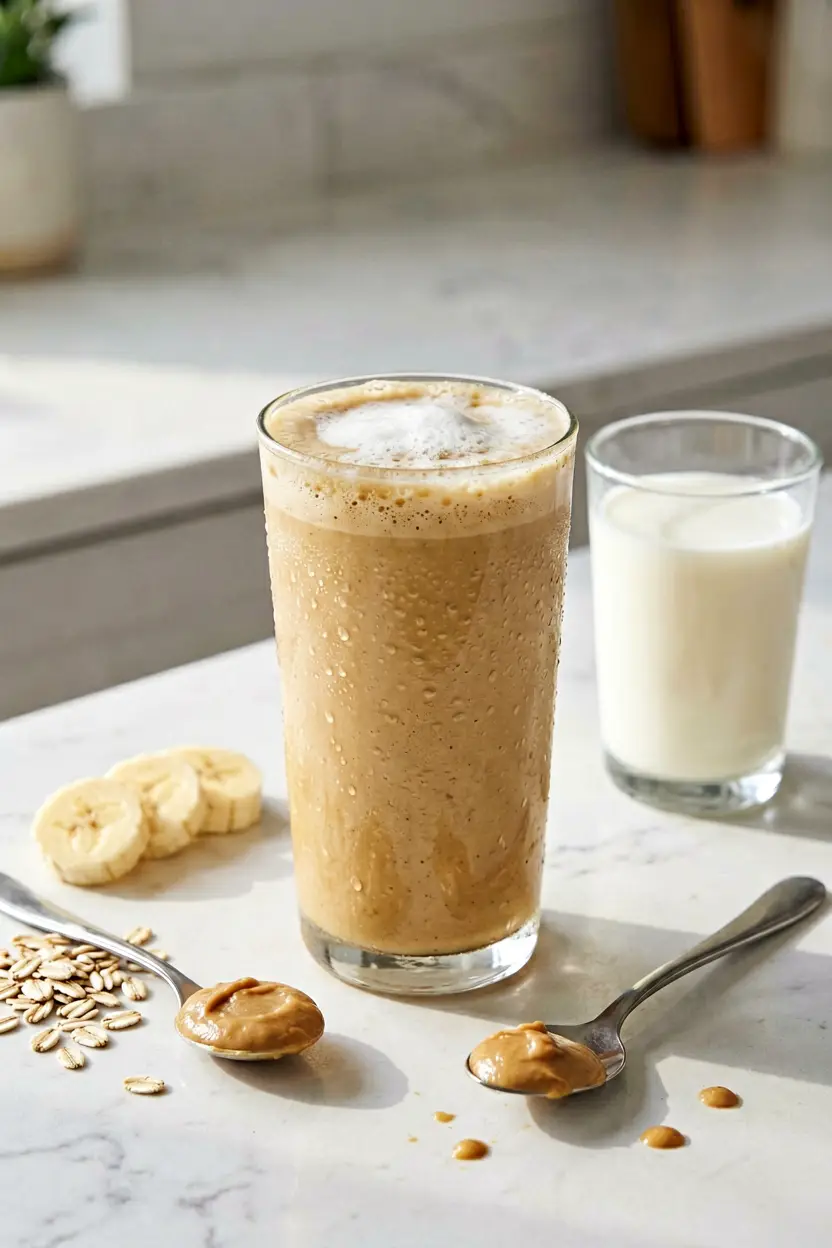
This one is hard to beat when the smoothie needs to act more like breakfast than a quick refresher.
Ingredients:
- 1 banana, preferably frozen
- 1 tablespoon peanut butter
- 2 tablespoons rolled oats, optional
- 3/4 cup milk or almond milk
How to Make It: Blend the milk, banana, peanut butter, and oats if using until smooth and thick.
Recipe Tips: Oats make this blend hold longer, but leave them out if you want it easier to sip.
Chocolate Smoothies
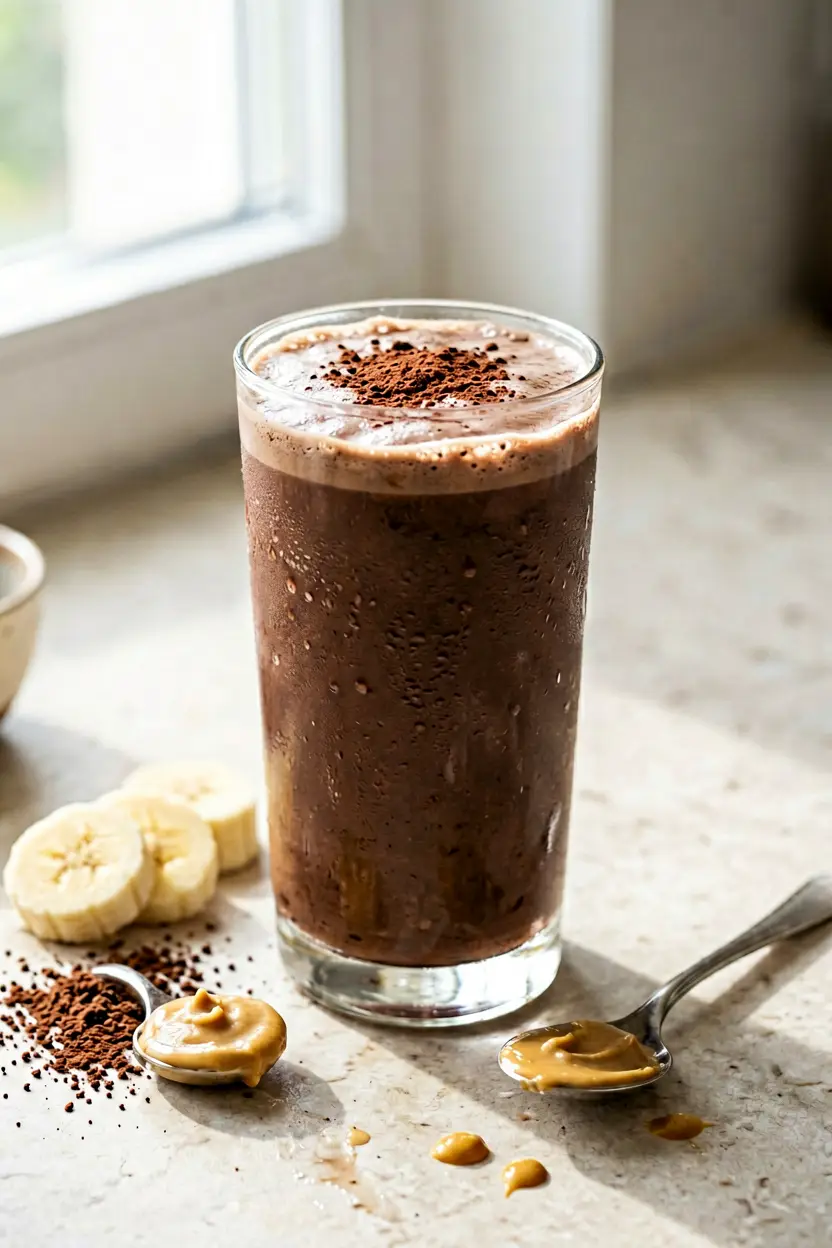
Chocolate smoothies work best when cocoa has enough creamy support to taste rich instead of thin.
Ingredients:
- 1 tablespoon cocoa or cacao powder
- 1 banana, preferably frozen
- 1 tablespoon peanut butter or almond butter
- 3/4 cup milk or almond milk
- 1/4 cup yogurt, optional
How to Make It: Blend the milk, banana, cocoa, nut butter, and yogurt if using until smooth.
Recipe Tips: Use unsweetened cocoa and add sweetness only after tasting.
Watermelon Smoothies
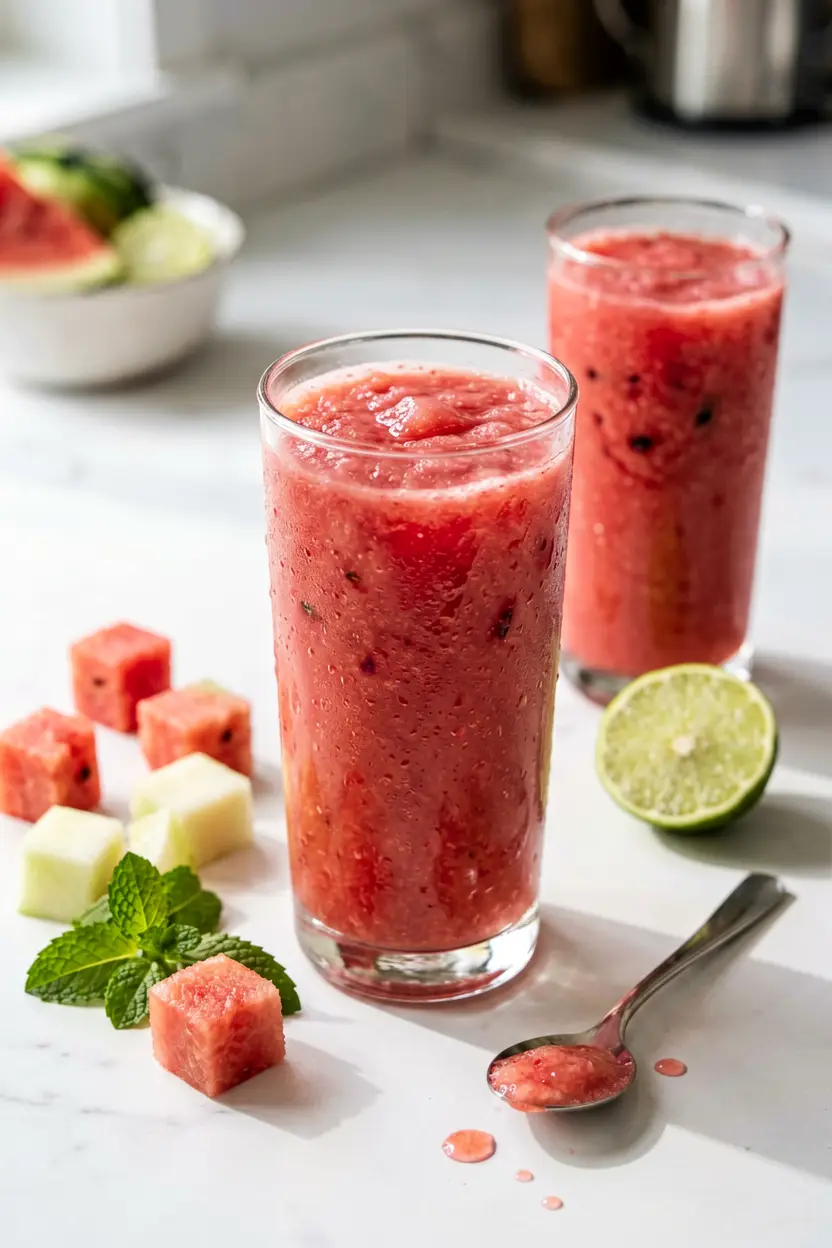
This is one of the best warm-weather smoothie categories because it stays light on purpose.
Ingredients:
- 1 1/2 cups cubed seedless watermelon, chilled or frozen
- 1 tablespoon lime juice or 6 fresh mint leaves
- 1/2 cup coconut water or cold water
- 1/2 cup frozen strawberries, optional
How to Make It: Blend the watermelon, lime or mint, coconut water, and strawberries if using until slushy and smooth.
Recipe Tips: Chill the melon first; warm melon makes the smoothie taste flat.
Acai Smoothies
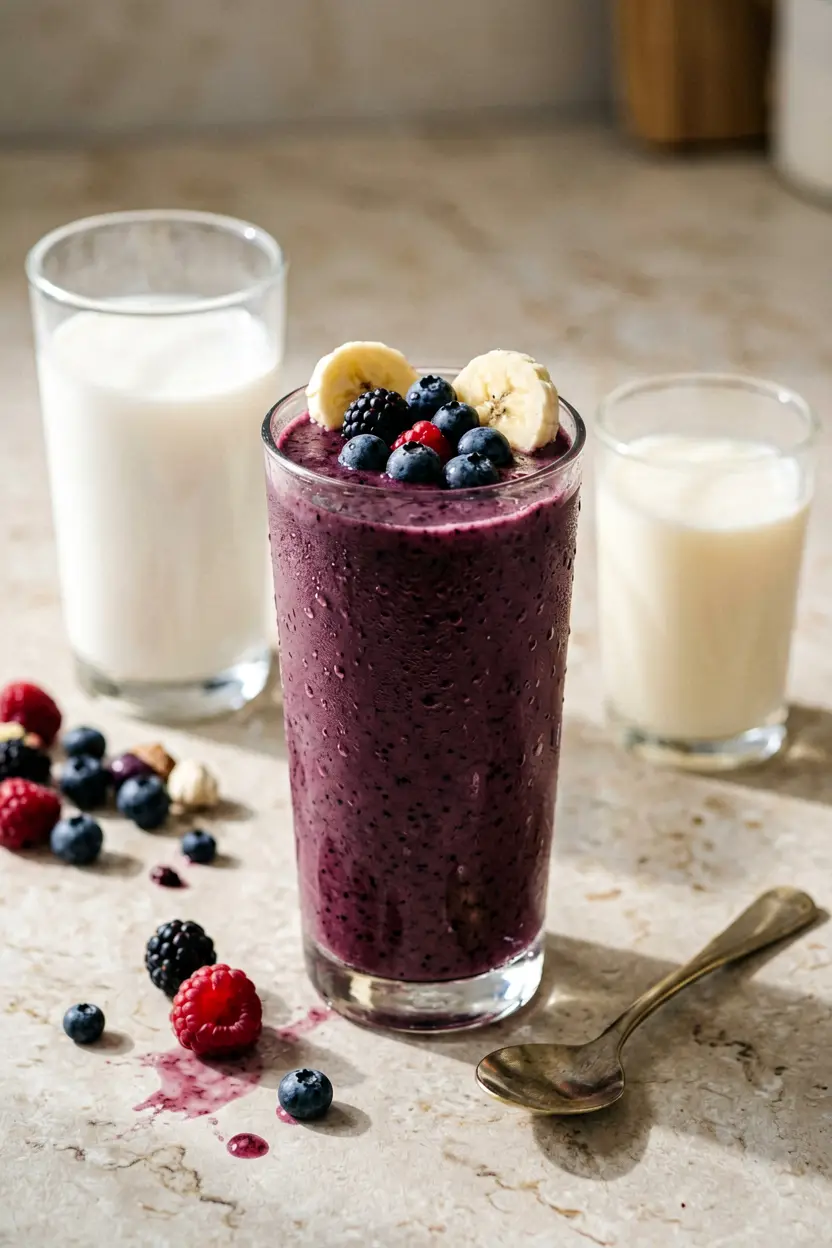
Acai works best when you give it a sweeter fruit partner and keep the liquid controlled.
Ingredients:
- 1 frozen acai packet or 2 tablespoons acai powder
- 1 cup mixed berries or banana
- 3/4 cup milk, almond milk, or coconut water
How to Make It: Blend the liquid, acai, and berries or banana until smooth.
Recipe Tips: Banana makes acai taste softer, while berries keep it sharper and darker.
Coffee Smoothies
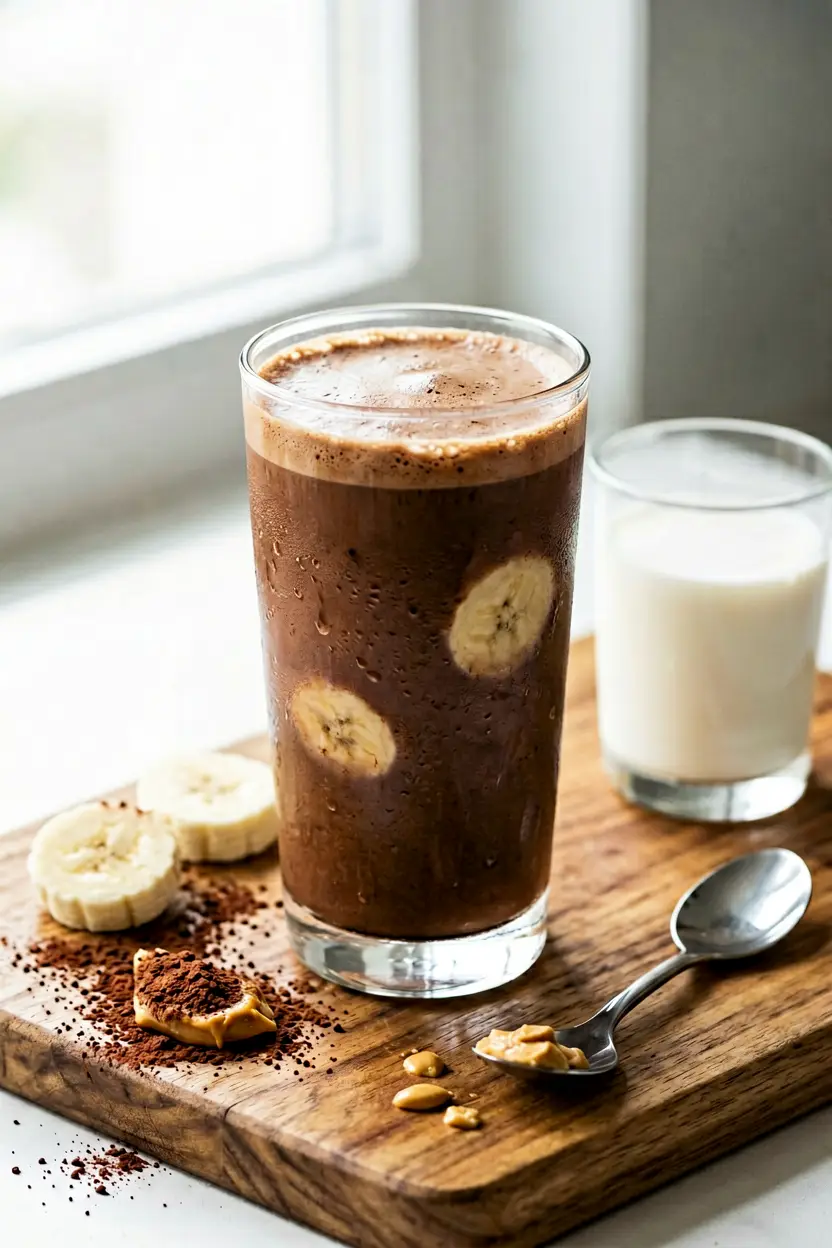
Coffee smoothies are best when the coffee stays clear but the texture still feels like a smoothie instead of iced coffee.
Ingredients:
- 1/2 cup cold coffee
- 1 banana, preferably frozen
- 1 tablespoon cocoa or peanut butter, optional
- 1/2 cup milk or almond milk
How to Make It: Blend the cold coffee, milk, banana, and cocoa or peanut butter if using until smooth.
Recipe Tips: Freeze the banana first so you do not need a pile of ice to make this cold.
Dragon Fruit Smoothies
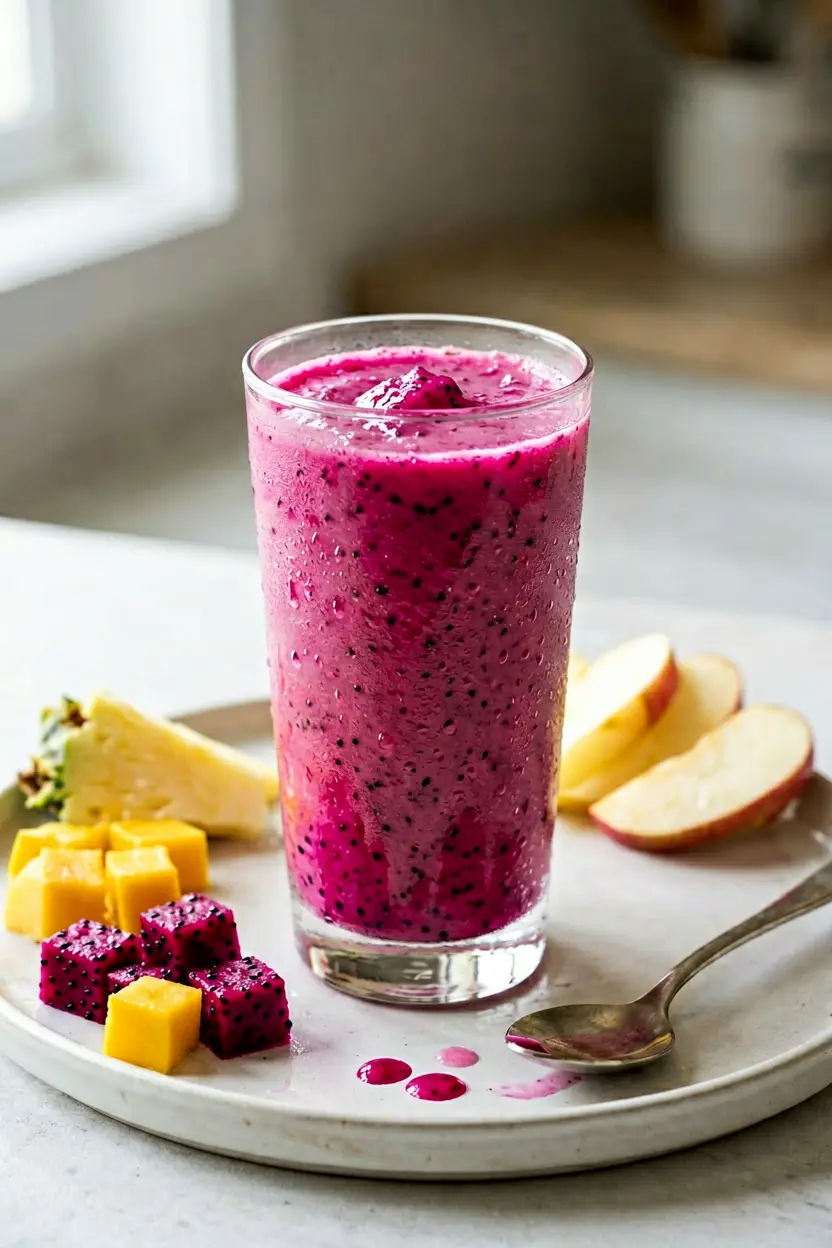
Dragon fruit is better as a bright supporting lead than a thick smoothie base all by itself.
Ingredients:
- 1 cup dragon fruit cubes, fresh or frozen
- 1/2 cup mango or pineapple
- 3/4 cup coconut water or orange juice
- 1/2 banana, optional
How to Make It: Blend the liquid, dragon fruit, mango or pineapple, and banana if using until smooth.
Recipe Tips: Mango gives this blend more body if dragon fruit alone feels too thin.
Papaya Smoothies
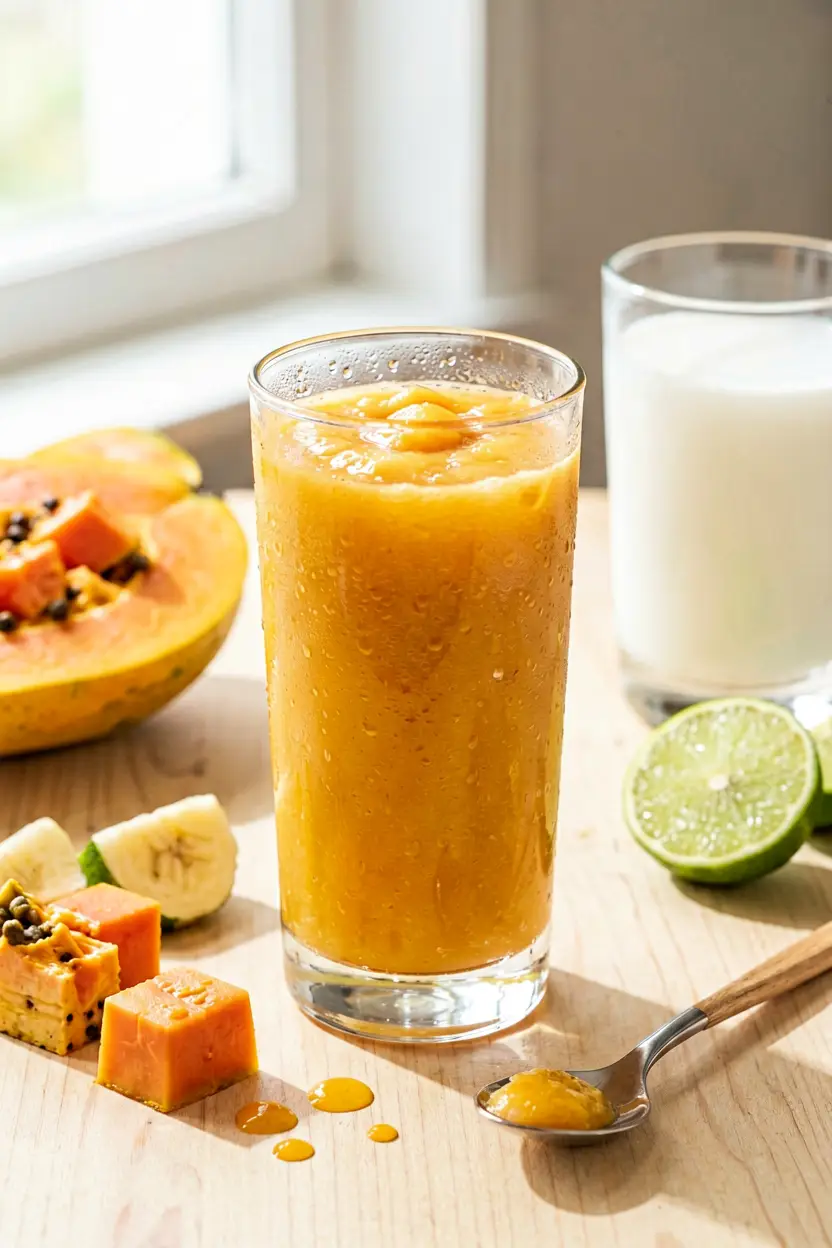
Papaya works best when you choose whether you want it creamy and soft or brighter with lime.
Ingredients:
- 1 cup ripe papaya chunks, fresh or frozen
- 1/2 banana or 1 tablespoon lime juice
- 3/4 cup milk or coconut water
How to Make It: Blend the liquid, papaya, and either banana or lime juice until smooth.
Recipe Tips: Lime makes papaya taste fresher, while banana makes it softer and thicker.
How to Choose the Right Option
Start with the role you want the smoothie to play. If you want a breakfast that lasts, look toward peanut butter banana, acai, chocolate, or thicker berry smoothies with yogurt, oats, seeds, or nut butter. If you want something lighter, watermelon, dragon fruit, and some mango or berry blends make more sense.
Then think about flavor direction. Strawberry banana and berry smoothies are the easiest everyday choices. Mango, dragon fruit, papaya, and pineapple-based blends lean tropical. Coffee and chocolate head in a richer direction. If fruit is the main thing you want to compare, best fruit smoothies is the better next guide. If you already know you want tropical fruit, strawberry mango smoothies and mango pineapple smoothies are closer comparisons.
Finally, choose by texture. If you want a thick smoothie, use frozen fruit and one ingredient that adds body. If you want a more refreshing drink, keep the liquid a little higher and go easier on the heavy add-ins. Use thicker smoothie technique if texture is still the sticking point.
Frequently Asked Questions
What makes a smoothie one of the best choices?
The best smoothie is the one that fits what you need right now. Good flavor, a smooth texture, and the right level of fullness matter more than trying to make every smoothie do the same job.
Which smoothie works best for breakfast?
Peanut butter banana, berry yogurt, acai, and coffee smoothies are some of the best breakfast options because they can carry ingredients like yogurt, oats, seeds, or nut butter without losing flavor.
Are fruit smoothies always lighter than other smoothies?
Not always. Fruit smoothies can still be thick and filling when they use banana, mango, yogurt, avocado, oats, or nut butter. But fruit-only blends often feel lighter than protein-heavy or dessert-style smoothies.
What smoothie is best for hot weather?
Watermelon smoothies are one of the best hot-weather picks because they are cold, light, and easy to drink. Berry and dragon fruit smoothies can also work well when you want something refreshing.
Do I need protein powder to make a good smoothie?
No. Yogurt, cottage cheese, tofu, milk, soy milk, chia, hemp, flax, oats, and nut butter can all help make smoothies more satisfying without using protein powder.
How do I keep a smoothie from turning watery?
Use frozen fruit, start with less liquid, and add creamy or thickening ingredients when the fruit itself does not give you enough body. Ice alone usually is not the best answer.
For fruit-first picks, go to fruit smoothie combinations next. For a steadier breakfast-style mix, balanced fruit blends will help more. If your smoothies taste right but pour too thin, thickening the blend is the better fix.