
As an affiliate, we may earn a commission from qualifying purchases. We get commissions for purchases made through links on this website from Amazon and other third parties.
Yes, smoothies usually contain sugar because fruit contains natural sugar. The amount can rise quickly when juice, sweetened yogurt, syrups, flavored milk alternatives, or several sweet fruits are used together.
That does not automatically make the smoothie bad. It just means the ingredients matter. A smoothie can contain sugar and still be part of a balanced routine depending on how it is built.
If you want the broader health answer, whether smoothies are good for you depends on the full glass, not just sugar.
Quick Answer
Yes, most smoothies contain sugar because fruit naturally contains sugar, and some smoothies also include sweetened ingredients that raise it more. The total sweetness depends on the fruit, the portion, and whether extra sweeteners are added.
A smoothie can be lightly sweet or very sweet depending on the recipe.
What It Is / When to Use It
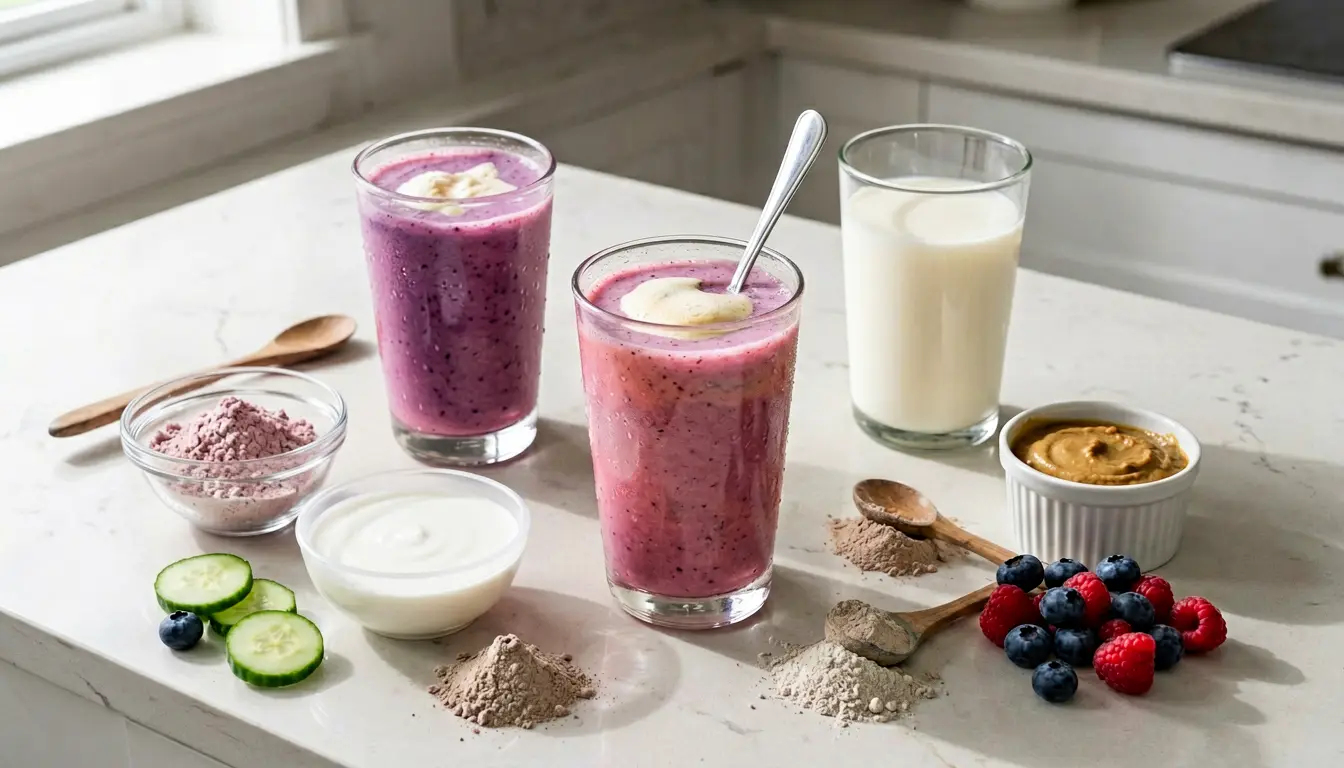
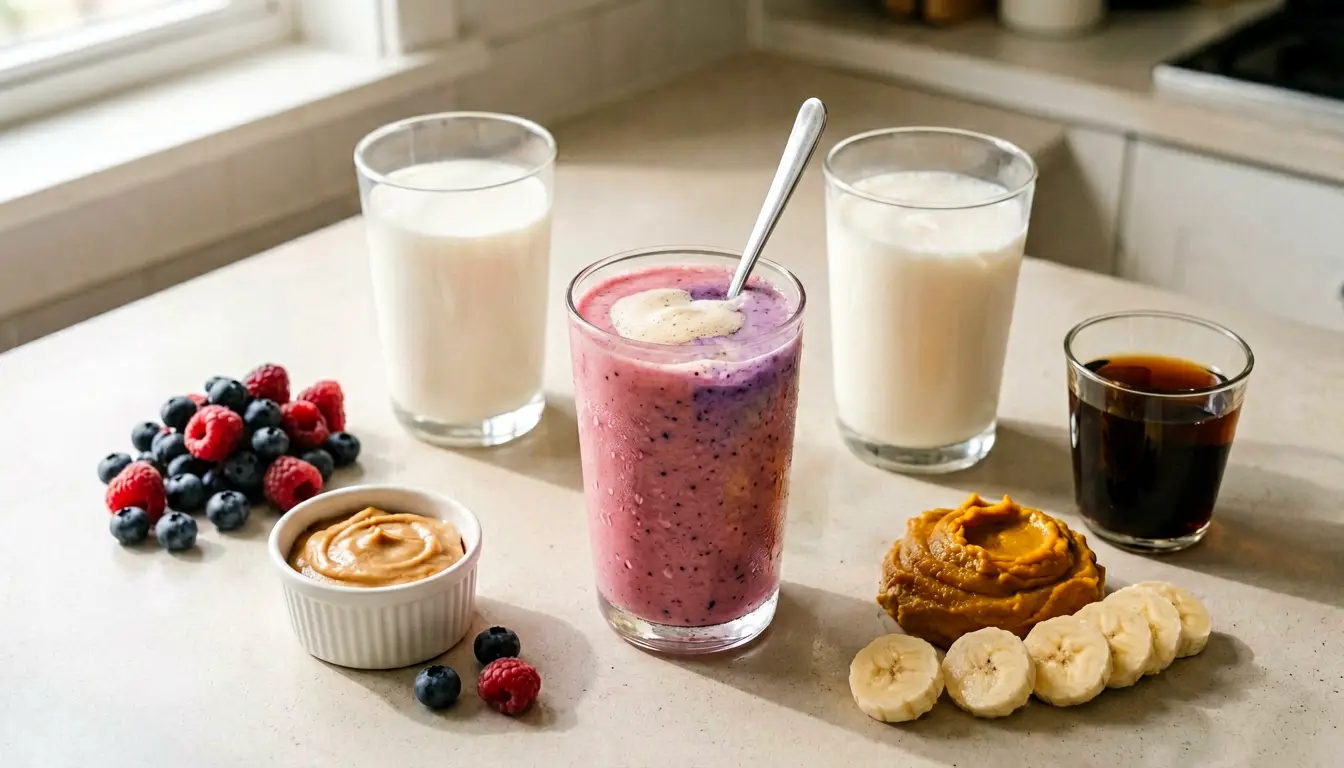
People usually ask this when they want a lower-sugar smoothie or when a smoothie tastes sweeter than expected. Banana, mango, pineapple, dates, juice, and sweetened yogurt can all push sweetness upward quickly.
The key is to know what is contributing sugar instead of assuming the blender did it.
For a softer starting point, what makes smoothies sweet explains the difference between fruit sweetness, juice, and added sweeteners.
Substitutes / Swaps
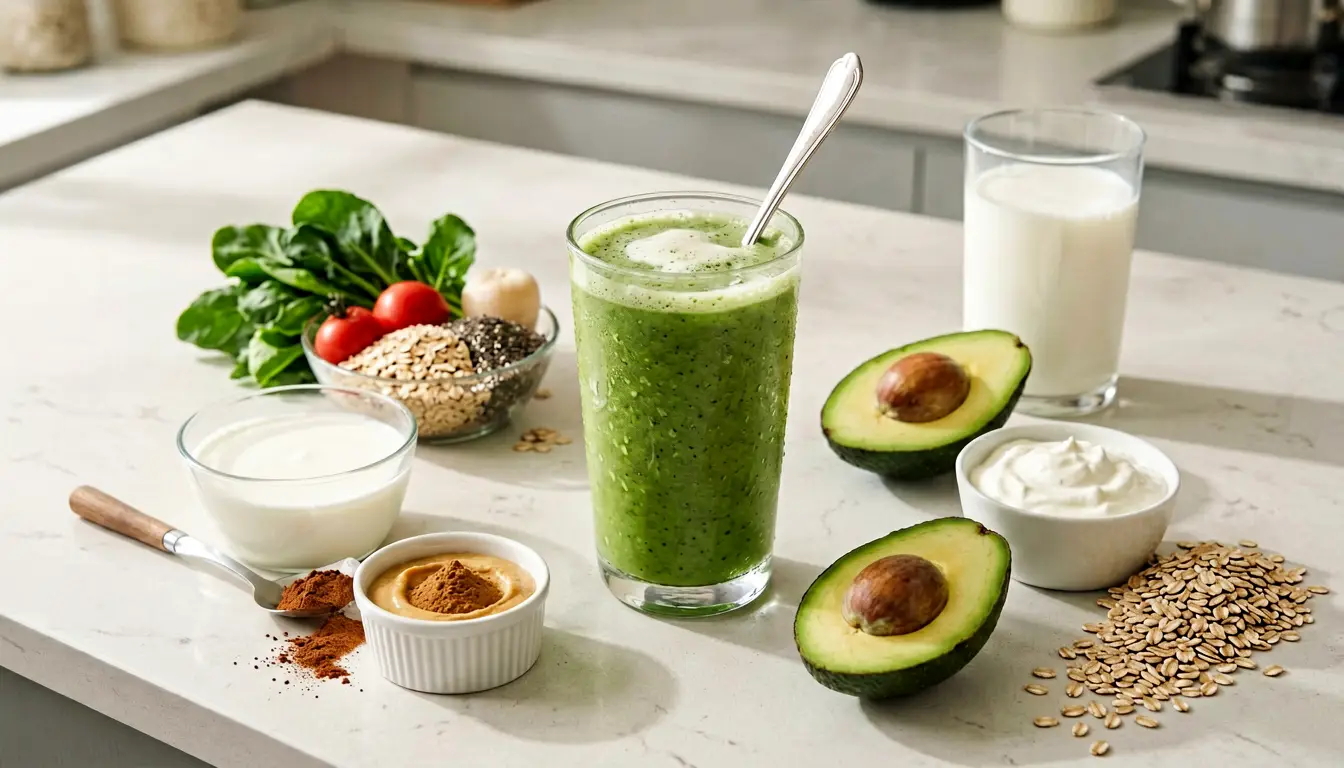
If you want less sugar, reduce juice, skip syrups, and rely on fewer sweet fruits at once. Berries, plain yogurt, avocado, oats, and unsweetened liquids can help make the smoothie feel balanced without piling on more sweetness.
If you still want sweetness, use ripe fruit first before adding extras.
If you want a calmer glass, low-sugar smoothies and smoothies without too much sweetness are more useful than cutting fruit at random.
Prep Tips
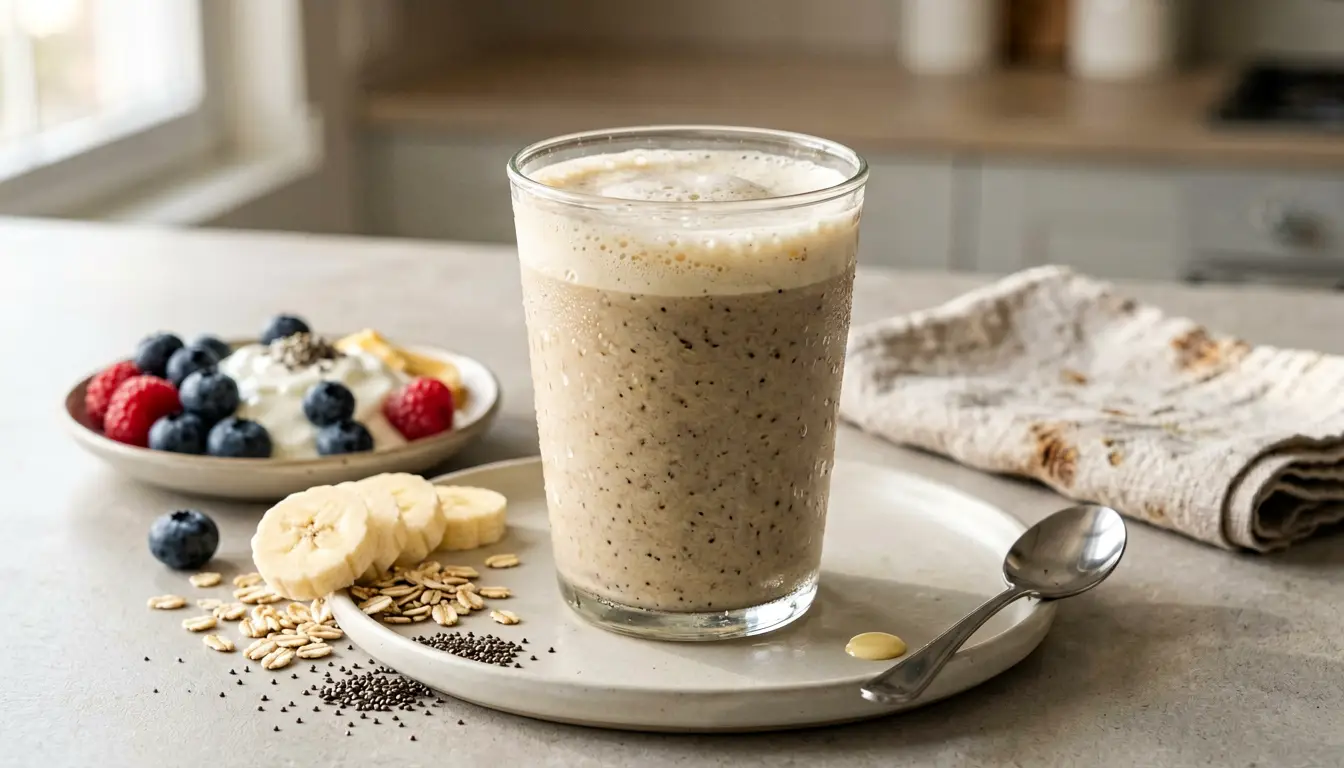
Taste with fruit choice in mind. One ripe banana may already be enough. If the smoothie tastes too sweet, balance it with tart fruit, yogurt, or a less sweet liquid base.
Portion matters too. A bigger smoothie can simply carry more sugar because it carries more ingredients.
If blood-sugar support is the reason you are asking, compare Gluco6 with a low-carb diet before assuming one smoothie swap or one supplement handles the whole routine.
For the product-level view, the Gluco6 review is a better place to evaluate supplement claims than a general smoothie recipe page.
Storage / Reheat / Freeze
Freezing fruit makes it easier to build smoothies around whole fruit rather than bottled sweeteners. If you prep smoothies ahead, label the sweeter combinations so you know which ones need a lighter hand elsewhere.
Stored smoothies may taste slightly different after chilling, but the sweetness usually comes from the recipe itself, not from the fridge.
For repeatable prep, frozen fruit for smoothies can help you choose unsweetened fruit bags instead of relying on juice-heavy bottled blends.
Frequently Asked Questions
Do fruit smoothies contain natural sugar?
Yes. Fruit naturally contains sugar, so fruit smoothies usually do too.
Does juice make smoothies much sweeter?
It can. Juice adds sweetness quickly because it is a concentrated sweet liquid compared with plain water.
Are smoothies with sugar always unhealthy?
Not automatically. The full ingredient balance matters more than one word alone.
How can I make a smoothie lower in sugar?
Use fewer sweet fruits together, skip extra sweeteners, and use more whole fruit and unsweetened liquids.
Does yogurt add sugar to smoothies?
It can, especially if the yogurt is flavored or sweetened.
For flavor balance, what makes smoothies taste good helps you add brightness and body without leaning only on sweetness.