
As an affiliate, we may earn a commission from qualifying purchases. We get commissions for purchases made through links on this website from Amazon and other third parties.
Thin smoothies usually come from one of three things: too much liquid, not enough frozen fruit, or a blender routine that makes you keep adding more liquid just to get things moving. That is why a smoothie can start with good ingredients and still end up tasting flat and watery.
The fix is usually simple. Thick smoothies come from body, not just cold. Frozen fruit, creamy add-ins, and patient blending do more than extra ice ever will. If you want the full build order too, how to make smoothies with fruit is the best companion page, and what makes smoothies thicker goes deeper on common thickening ingredients.
Quick Answer
To make smoothies thick, use more frozen fruit, start with less liquid, and add one ingredient that builds body, such as banana, yogurt, avocado, oats, chia, tofu, or nut butter. If the blender stalls, stop and scrape before you pour in more liquid, because that first extra splash is usually what turns a thick smoothie into a thin one.
Ice can help a little, but it is not the best thickener because it melts and waters the smoothie down. Frozen fruit gives you chill and structure at the same time. When you want a really dense result, like a smoothie bowl or a spoonable breakfast blend, frozen ingredients matter even more.
What You Need
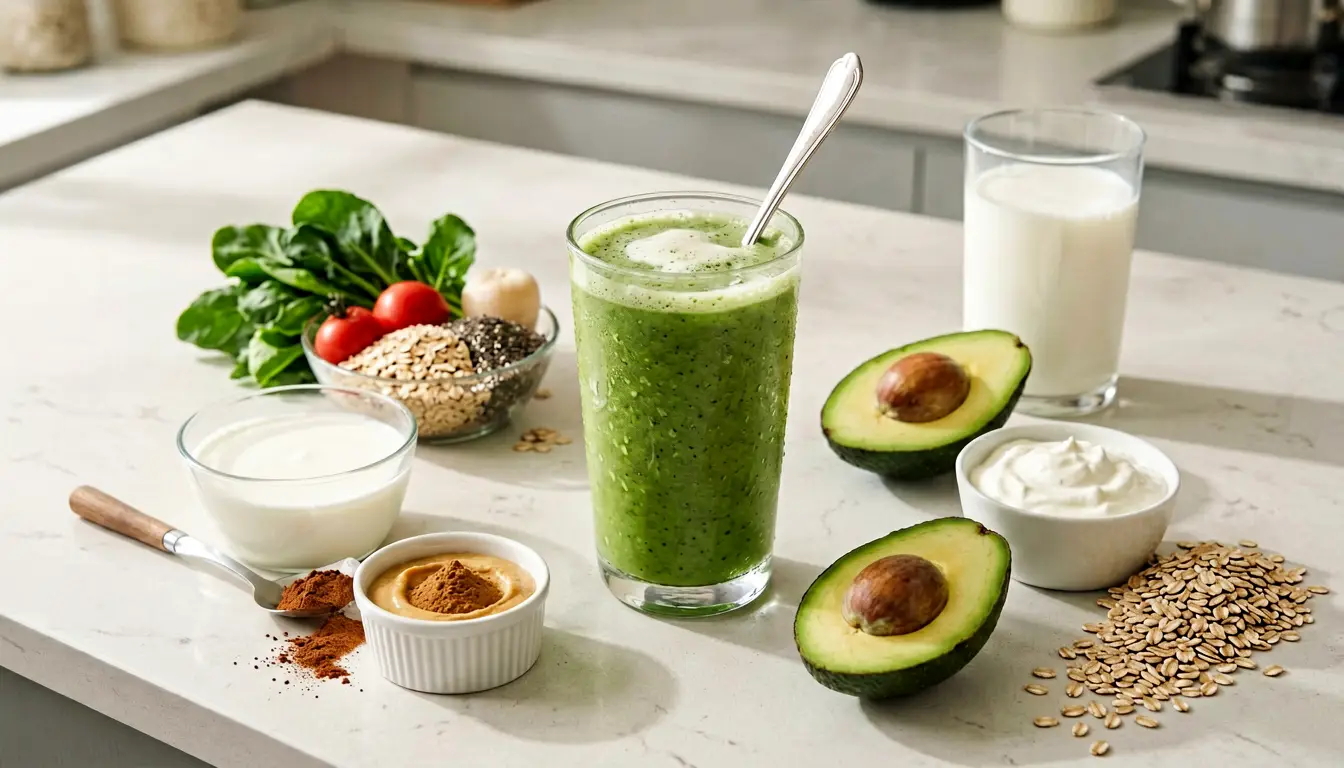
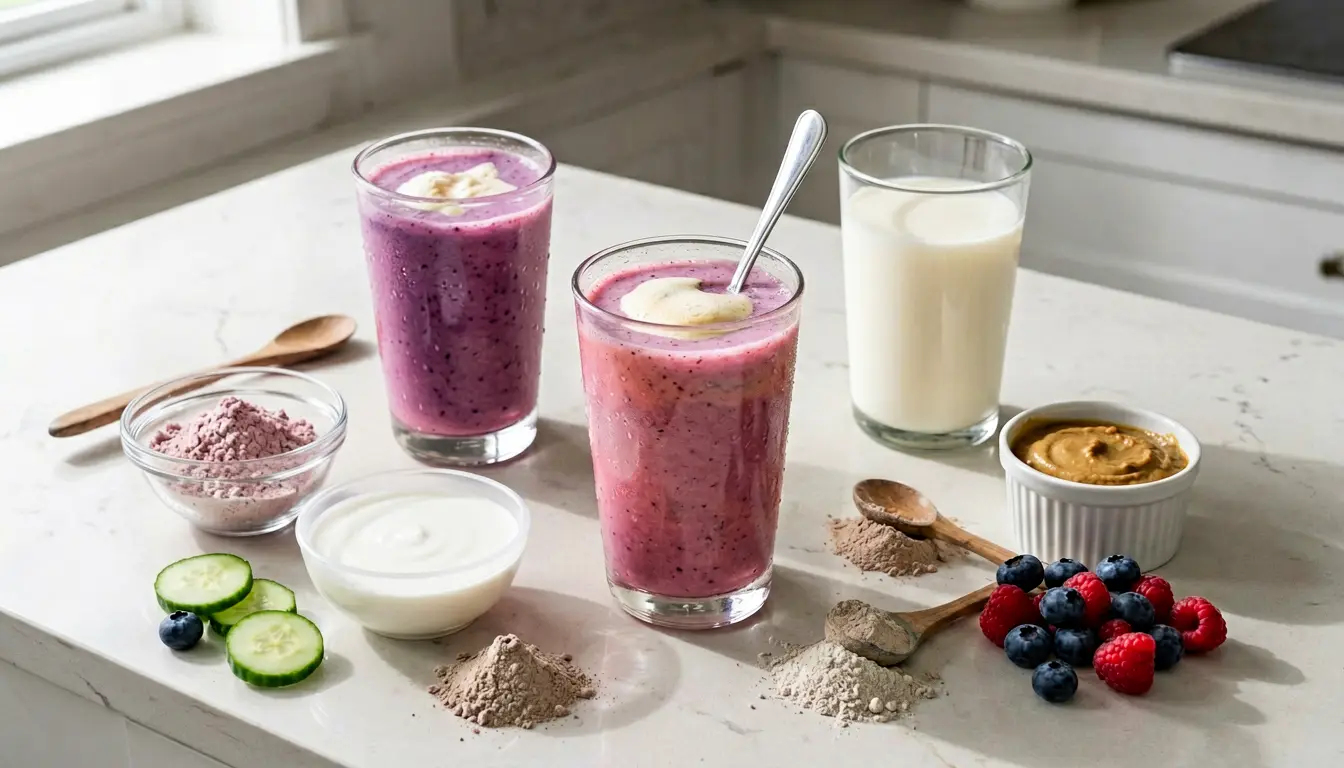
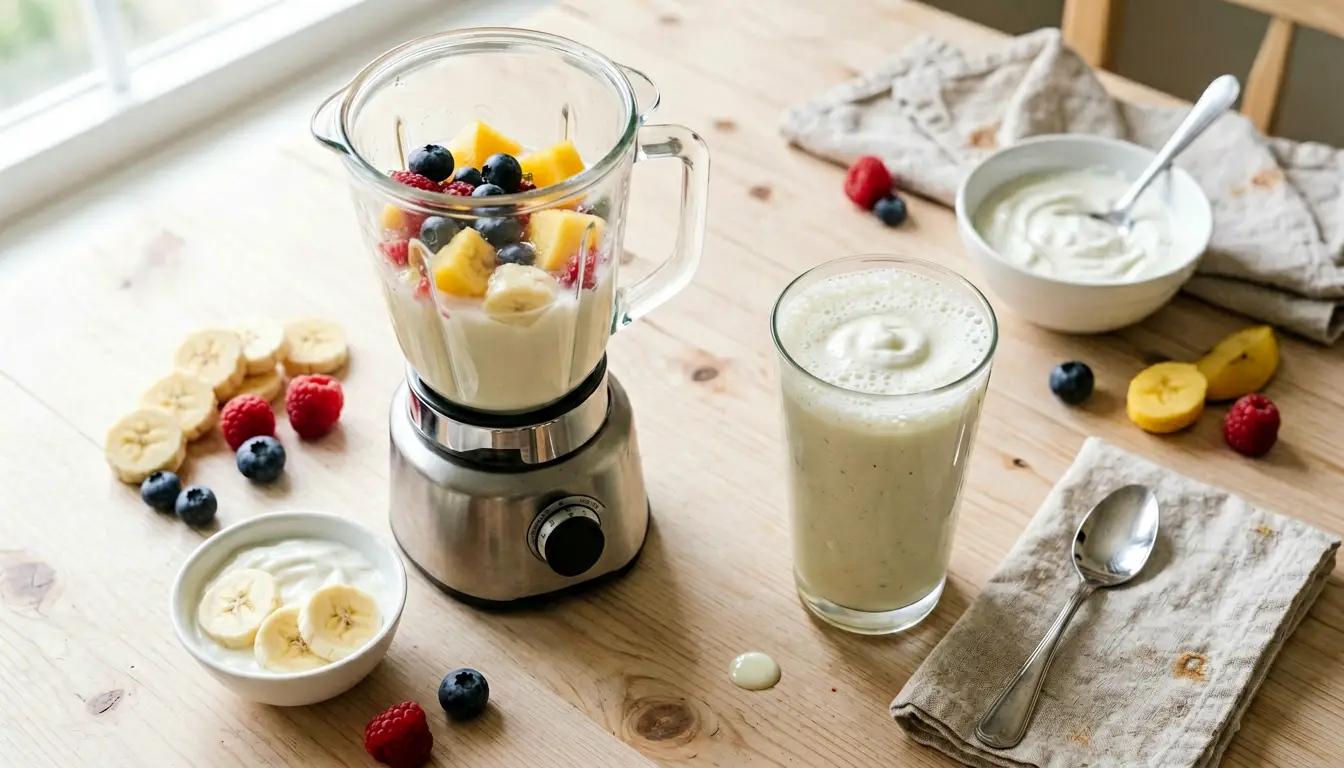
You need one cold ingredient, one body-building ingredient, and enough liquid to help the blender work without flooding the jar. Frozen banana is the easiest all-around thickener because it adds both creaminess and sweetness. Frozen mango, berries, peaches, and pineapple can help too, especially when paired with yogurt, oats, nut butter, chia, flax, tofu, or avocado.
The liquid still matters. Milk and plant milks usually give a rounder texture than water does, while water-heavy smoothies can stay lighter unless you compensate with thicker ingredients. If you are working with watery fruits like melon or citrus, what to do if your smoothie is too watery is worth reading alongside this.
There is also an optional thickener category for people who want a small adjustment without changing flavor much. Xanthan gum can do that, but only in tiny amounts. A little goes a long way, and too much can make a smoothie feel gummy instead of creamy.
Step-by-Step
1. Start with less liquid than you think you need
Most thickness problems begin here. If you flood the blender at the start, you have already made the smoothie harder to control. Begin with a modest amount of liquid, then add more only if the blades truly need help.
This matters even more when the fruit already brings moisture. Watermelon, orange, and pineapple need less added liquid than banana, mango, or avocado.
2. Build thickness with frozen fruit first
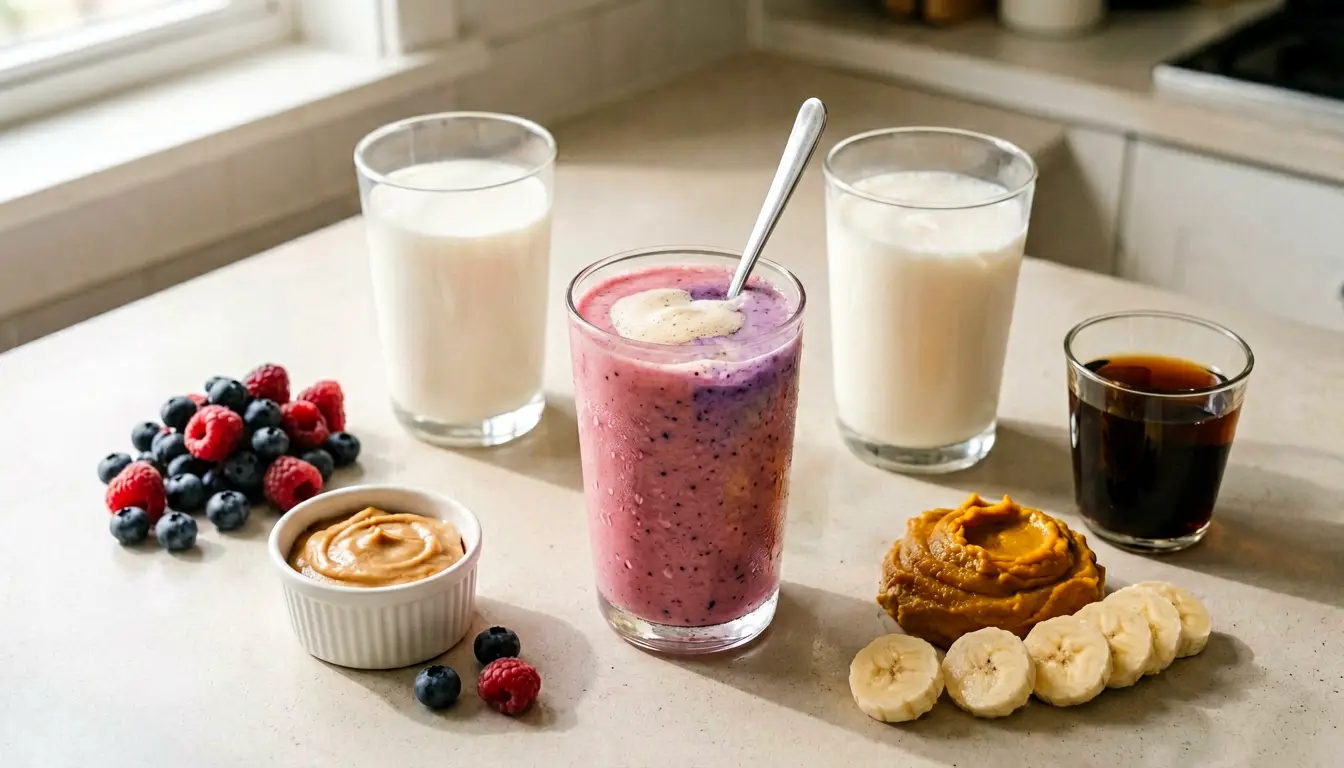
Frozen fruit is usually the easiest way to make a smoothie thicker without hurting the flavor. Frozen banana gives the creamiest result, while frozen berries and mango add thickness with a stronger fruit taste. This is why peanut butter banana smoothies and berry smoothies usually hold texture well when the ratios are right.
If you are choosing between more ice and more frozen fruit, frozen fruit is usually the better move. Ice chills the smoothie, but frozen fruit chills it and keeps the taste stronger.
3. Add a creamy ingredient if the fruit is not enough
Sometimes thickness needs a second layer. Greek yogurt makes smoothies fuller and tangier. Avocado gives a silkier finish. Oats help build body without changing flavor much. Chia and flax absorb liquid and tighten the texture over a few minutes. Silken tofu can also help when you want more protein and a neutral taste.
Nut butter works especially well when the smoothie already leans breakfast-like. That is one reason peanut butter, banana, oats, and milk make such a reliable thick combination.
4. Blend, stop, and scrape before adding more liquid
If the blender stalls, do not assume the smoothie needs a big pour of milk or water. Stop the machine first. Scrape the sides, move the frozen fruit around, and try again. A lot of smoothies only need a reset, not a major correction.
This is one of the biggest differences between a thick smoothie and a watery one. People often rescue the blender too fast and then spend the rest of the process trying to get the thickness back.
5. Use optional thickeners carefully
If you want a very small texture boost without adding more fruit, xanthan gum can help. Use the smallest pinch first. You can always add a little more, but once you cross the line, the smoothie can feel sticky or gummy rather than smooth.
This is an optional tool, not the foundation. Thick smoothies still start with the right fruit-to-liquid balance and the right creamy add-ins.
Timing / Temperature / Texture Cues
A thick smoothie should move slowly but still blend cleanly. If it pours like juice, it needs more structure. If it sits in the blender as one frozen mound, it is too dense to move and probably needs either a stop-and-scrape or a small splash of liquid.
For drinkable smoothies, the sweet spot is a glossy texture that pours with some weight. For smoothie bowls, the mixture should look closer to soft serve than to a shake. That is why bowls do best with very cold ingredients, minimal liquid, and no extra ice. Fresh smoothies usually need a different balance because all-fresh fruit melts into a looser texture faster.
The longer you blend, the more frozen ingredients warm up. If the texture looks right, stop. Overblending can slowly undo the thickness you just built.
Mistakes to Avoid
Using ice as your main thickener
Ice is useful when you need cold fast, but it is not the best way to build body. As it melts, it dilutes the smoothie and softens the flavor.
Adding too much liquid too early
This is the most common mistake. Start small, then adjust. Thick smoothies are easier to thin out than thin smoothies are to rebuild.
Forgetting that some fruits are naturally watery
Watermelon, orange, and some melon blends need extra help from frozen fruit, yogurt, oats, or banana. They can still be great smoothies, but they will not act like mango or berry blends.
Overblending the smoothie bowl style
When you are aiming for a bowl, more blending is not always better. Once the mixture is smooth, stop before it warms and loosens.
Dumping in too much xanthan gum
Xanthan gum can help, but it is powerful. Too much makes the smoothie feel gummy instead of creamy, and that is usually harder to fix than a slightly thinner drink.
Frequently Asked Questions
What is the easiest way to make a smoothie thicker?
Use more frozen fruit and less liquid. Frozen banana is often the easiest place to start because it adds both thickness and a smooth texture.
Is ice or frozen fruit better for a thick smoothie?
Frozen fruit is usually better. Ice chills the smoothie, but frozen fruit adds chill and body at the same time without watering the flavor down as much.
What ingredients make smoothies thick and creamy?
Banana, yogurt, avocado, oats, chia, flax, tofu, nut butter, and frozen mango are some of the easiest thickening ingredients. Different ones work better depending on whether you want a lighter fruit smoothie or a more filling breakfast blend.
Can I make a smoothie thicker without yogurt?
Yes. Banana, avocado, oats, chia, flax, tofu, and nut butter can all help build thickness without yogurt.
Why does my smoothie turn thin after a few minutes?
Usually because it relied too much on ice or because the ingredients were not cold enough to begin with. Melting and settling will soften the texture over time, especially in lighter fruit blends.
How do I fix a smoothie that is already too watery?
Add more frozen fruit, banana, yogurt, oats, or another thickener in small amounts. It helps to correct the texture with body instead of adding more ice and hoping it firms up later.
If you want to keep improving the texture side, open how to make smoothies with fruit for the full build order, what to do if your smoothie is too watery for rescue fixes, fresh smoothies for looser fruit-first blends, and peanut butter banana smoothies for a thicker breakfast-style direction.