
As an affiliate, we may earn a commission from qualifying purchases. We get commissions for purchases made through links on this website from Amazon and other third parties.
Starting smoothies gets easier when you stop trying to build the perfect blend on day one. Beginners do better with simple ingredient roles, clear blender order, and a few reliable fruit combinations that do not need constant fixing.
You do not need powders, supplements, or a long ingredient list to get started. You need fruit, liquid, a texture helper, and enough restraint to stop before the blender jar becomes random. Once the basics make sense, a fruit-first smoothie method helps you build better flavor without adding everything at once.
Quick Answer
For beginners, the easiest smoothie method is one fruit, one support ingredient, one liquid, and one texture helper if needed. Add liquid first, then soft ingredients, then frozen fruit last so the blender can move properly.
Start simple and repeat what works. That gets you better smoothies faster than changing everything every morning.
What You Need
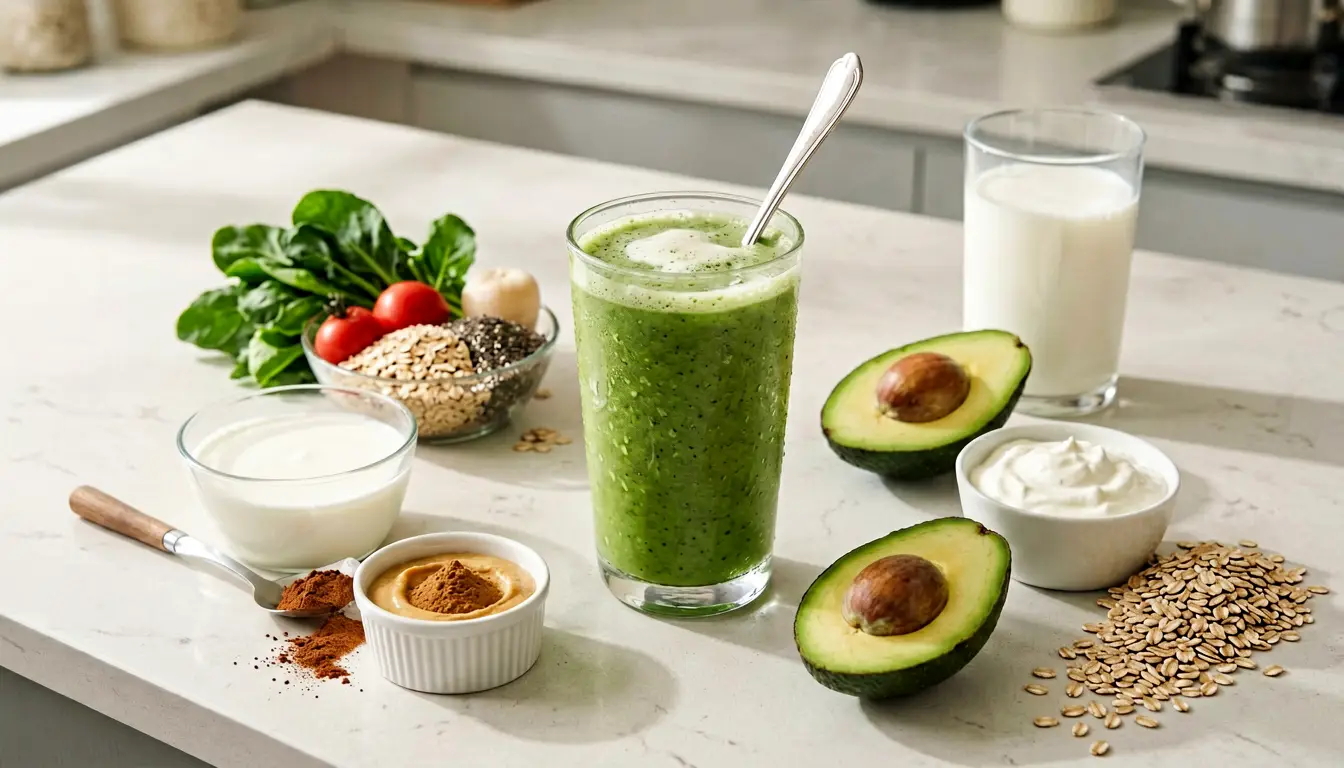
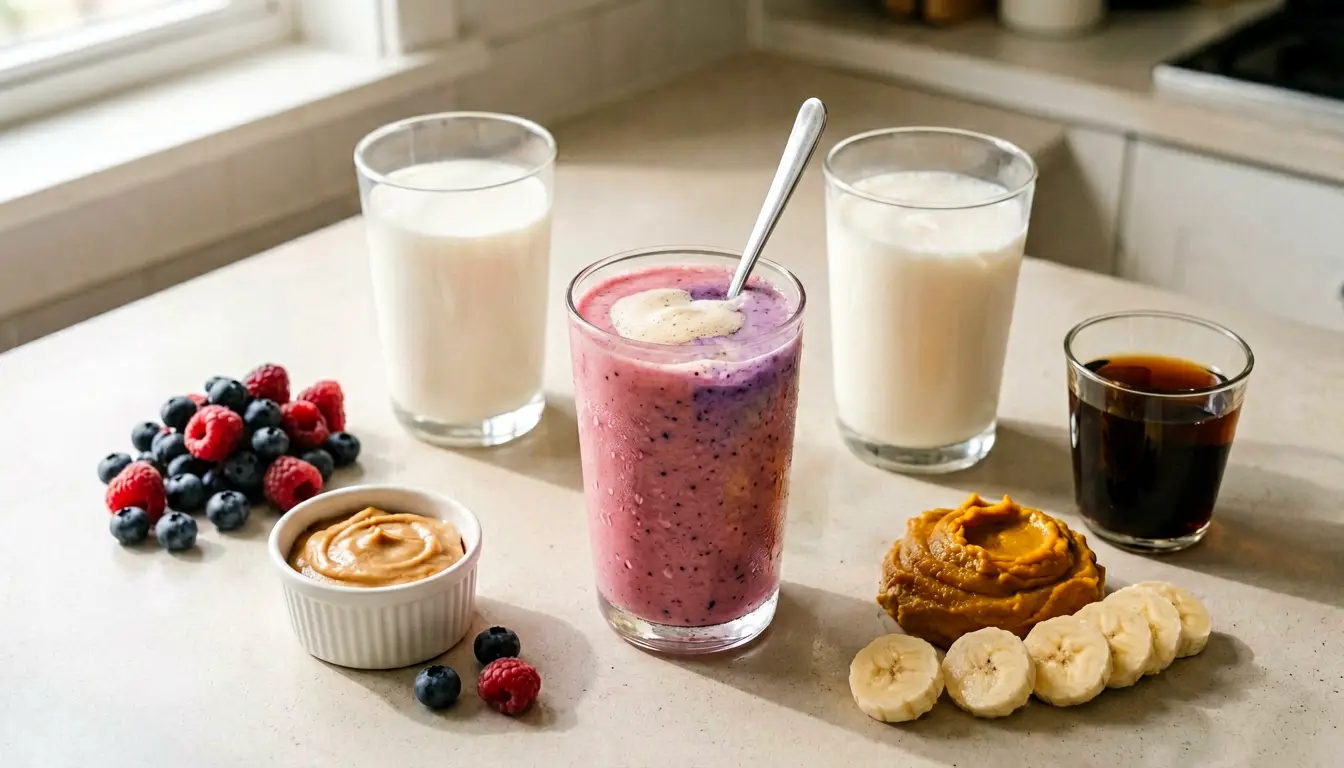
You need a blender, one fruit you already like, one liquid base, and one ingredient that helps the texture if the fruit alone will not. Banana, yogurt, oats, avocado, or nut butter are some of the easiest texture helpers.
Frozen fruit helps a lot for beginners because it makes the smoothie colder and thicker without needing much ice.
Step-by-Step
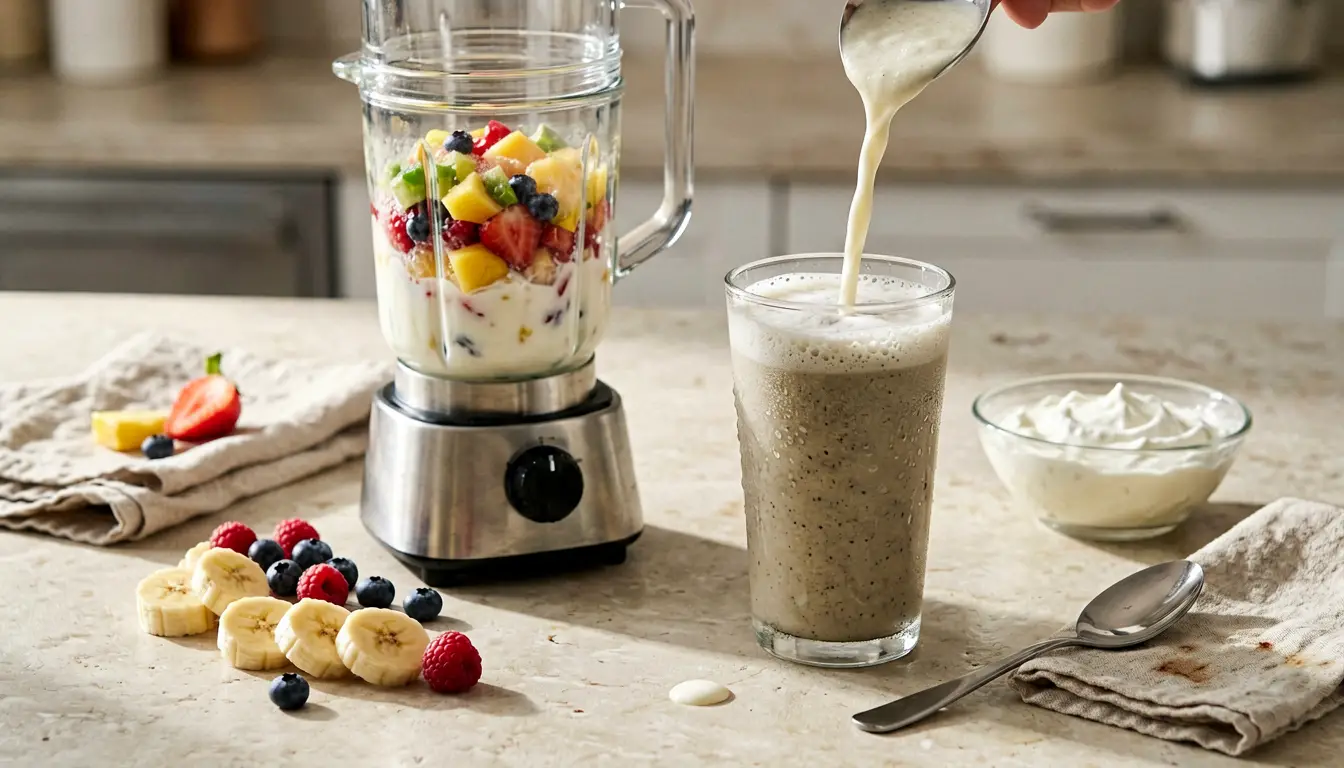
Start with about 1 cup of liquid. Add soft ingredients next, such as yogurt, banana, avocado, or oats. Add fruit after that, and put frozen fruit or ice in last.
Blend until smooth, stop, and check the texture before making big changes. If it is too thick, add a small splash of liquid. If it is too thin, add more frozen fruit or another thickening ingredient instead of more ice.
Timing / Temperature / Texture Cues
A beginner-friendly smoothie should pour easily but still look glossy and full, not foamy and loose. Frozen fruit usually makes this easier. All-fresh fruit can work, but it often needs more attention to liquid balance.
Drink the smoothie soon after blending while the temperature and texture still feel their best.
Mistakes to Avoid
Do not start with too much liquid. Do not use too many fruits at once. Do not assume ice fixes every texture problem. Do not ignore blender order, because that is how many beginners end up pouring in more liquid and thinning the whole drink.
If the texture keeps fighting you, learn what makes smoothies thicker before you add more fruit. For rescue fixes, loosen a smoothie that is too thick or rebuild a watery smoothie in small steps.
Frequently Asked Questions
What is the easiest smoothie for beginners?
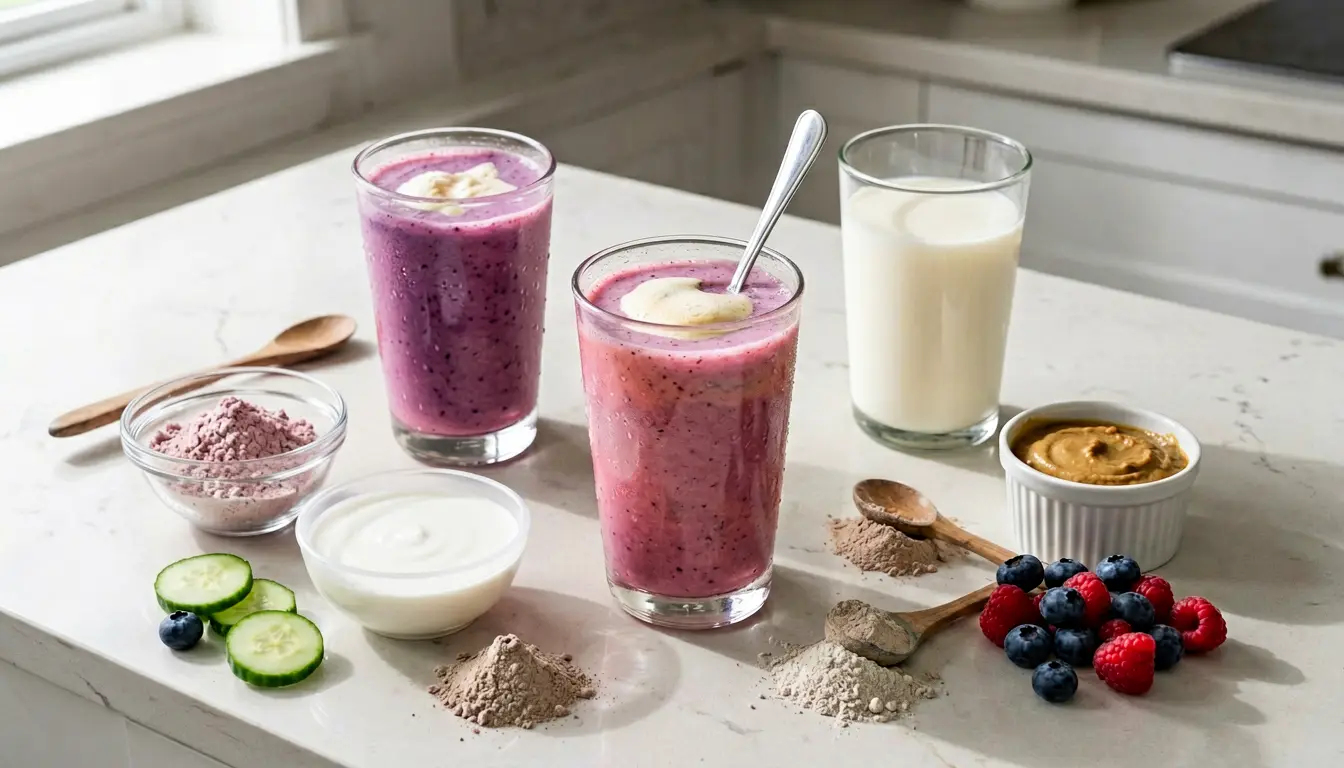
A simple berry banana, mango banana, or strawberry yogurt smoothie is usually the easiest place to start.
Do I need yogurt for a good beginner smoothie?
No. Yogurt helps, but banana, avocado, oats, or nut butter can also improve texture.
Is frozen fruit better for beginners?
Usually, yes. It makes the smoothie colder and thicker and reduces the need for lots of ice.
Why do beginner smoothies come out watery?
Most often because there is too much liquid or not enough frozen fruit or texture support.
How many ingredients should a beginner smoothie have?
Usually a short list works best. Four to six ingredients is often enough.
For a repeatable first routine, follow the step-by-step smoothie method and keep a short list of must-have smoothie ingredients on hand. When you want better flavor, choose fruit that blends well and load the jar in the right blender order.