
As an affiliate, we may earn a commission from qualifying purchases. We get commissions for purchases made through links on this website from Amazon and other third parties.
The best smoothies to try are not the most extreme ones. They are the ones that show you how different a smoothie can feel depending on the fruit, texture, and job. A green smoothie is trying to do something different from a tropical smoothie. A protein smoothie is trying to do something different from a dessert-style blend.
This guide uses one flexible smoothie method and then walks through the core styles worth trying at least once. If you want the ingredient foundation first, smoothie ingredients to keep on hand is the better starting point. If you want a fruit-focused follow-up after this, the best fruit smoothies is the closest companion page.
Quick Answer
The must-try smoothie types are a bright fruit smoothie, a green smoothie, a tropical smoothie, a protein smoothie, a creamy breakfast smoothie, and at least one richer dessert-style smoothie. Those styles teach you the main smoothie patterns fast because each one solves flavor and texture in a different way.
Once you know which style you actually like, making smoothies gets easier. You stop copying random combinations and start building drinks that match what you want that day.
At a Glance
This guide is for readers who want a practical smoothie shortlist instead of endless random combinations. It is especially useful if you are new to smoothies or if every smoothie you make keeps ending up as the same banana-and-milk blend.
The real value here is range. Smoothies can be light, creamy, green, fruity, protein-heavy, or almost dessert-like. Trying a few core styles shows you which texture and flavor patterns you actually want to repeat.
Why This Recipe Works
This approach works because it treats smoothies as families, not just recipes. A tropical smoothie teaches you how bright fruit and coconut bases work together. A green smoothie teaches you how to blend greens without making the drink taste too grassy. A protein smoothie teaches you how to add staying power without wrecking the flavor.
It also works because it cuts down trial and error. Once you know your favorite style, you can swap fruits and bases inside that pattern instead of starting from zero every time. If you want to keep things homemade and practical, homemade smoothies build directly from this.
Ingredients
The fruit side should cover a few different jobs. Berries and citrus bring brightness. Mango, banana, and peach make smoothies softer and creamier. Pineapple and kiwi keep things lively. Watermelon and melon work well for lighter hot-weather blends.
For creamy support, yogurt, banana, avocado, cottage cheese, oats, and coconut milk all work, but in different ways. For protein and staying power, Greek yogurt, protein powder, cottage cheese, nut butter, chia, and flax are all useful.
If you want the smoothie to stay lighter, use coconut water, almond milk, or water with fruit that already tastes sharp and fresh. If you want it more filling, bring in oats, yogurt, avocado, or nut butter.
Equipment You Need
You need a blender and a way to keep a few ingredients cold or frozen. A freezer stash of fruit makes trying different styles much easier because it improves texture without asking you to use lots of ice.
A stronger blender helps with greens, oats, and seeds, but a regular blender still works if you keep the liquid first and frozen fruit last. If your old blender struggles with greens or frozen fruit, the best smoothie maker guide can help you compare machines by the kinds of blends you actually make most.
Step-by-Step Method
Start with the style you want, not the ingredients you happen to see first. If you want something bright, start with berries or citrus. If you want something creamy, start with banana, yogurt, or avocado. If you want something filling, choose protein and fiber early instead of adding them as an afterthought.
If you are also looking at a structured smoothie plan, read the Smoothie Diet review before you decide whether a plan fits better than rotating a few homemade styles.
Add liquid first, then creamy ingredients, then produce and fruit, then frozen ingredients last. Blend fully, taste, and only then fix what is missing. A dull smoothie usually needs brightness. A watery smoothie usually needs body. A too-heavy smoothie usually needs fruit or citrus, not more fat.
Time and Temperature Guide
Most must-try smoothie styles are best very cold. Frozen fruit helps the most, but lighter fresh-fruit smoothies can also work with chilled ingredients and only a little ice.
The greener and lighter the smoothie is, the more it benefits from being drunk right away. Fuller protein or oat-based smoothies hold a little longer, but they are still usually best soon after blending.
Best Variations
1. Bright berry smoothie
Start with berries and a simple creamy base. This teaches you what a fresh, fruit-led smoothie should feel like.
2. Green smoothie
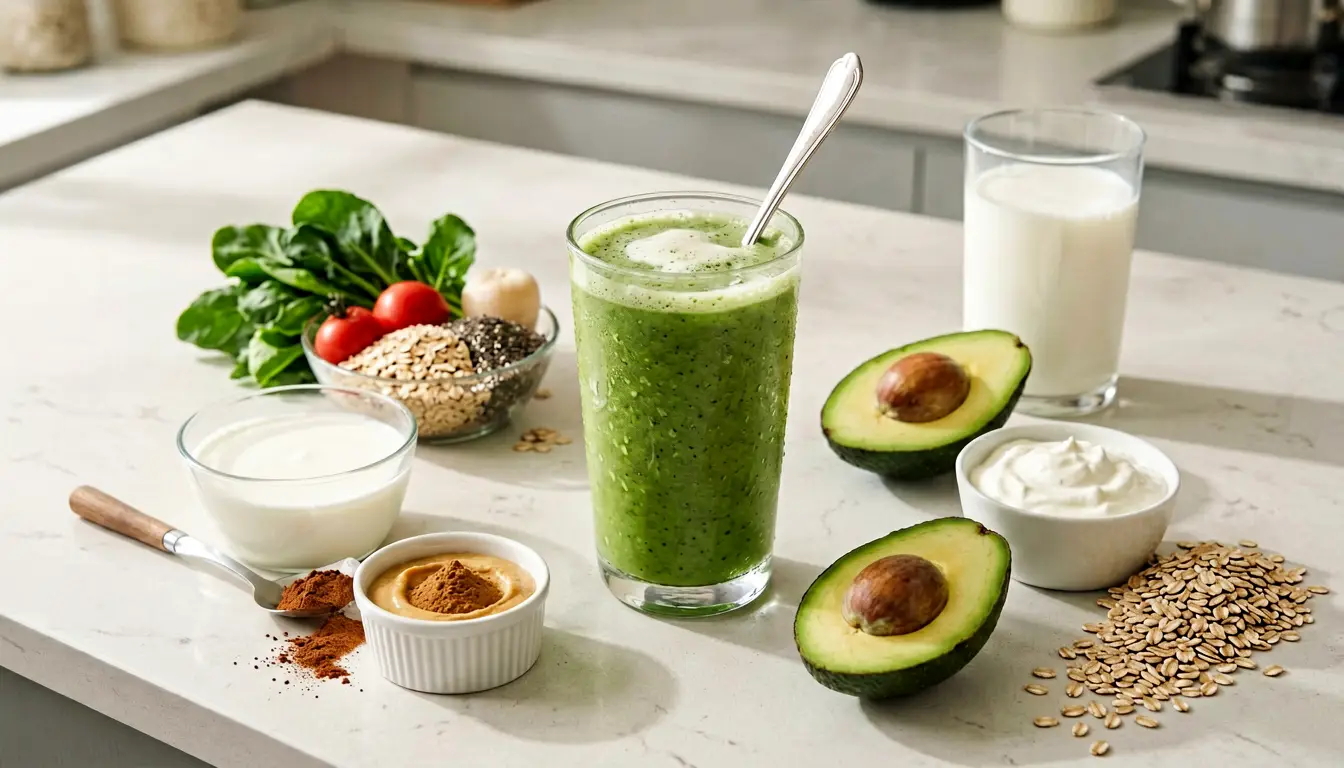
Use spinach or kale with mango, banana, or pineapple. This is the key test for whether you like green smoothies without making the drink taste harsh.
3. Tropical smoothie
Try mango, pineapple, and coconut milk or coconut water. This is one of the easiest crowd-friendly styles.
4. Protein smoothie
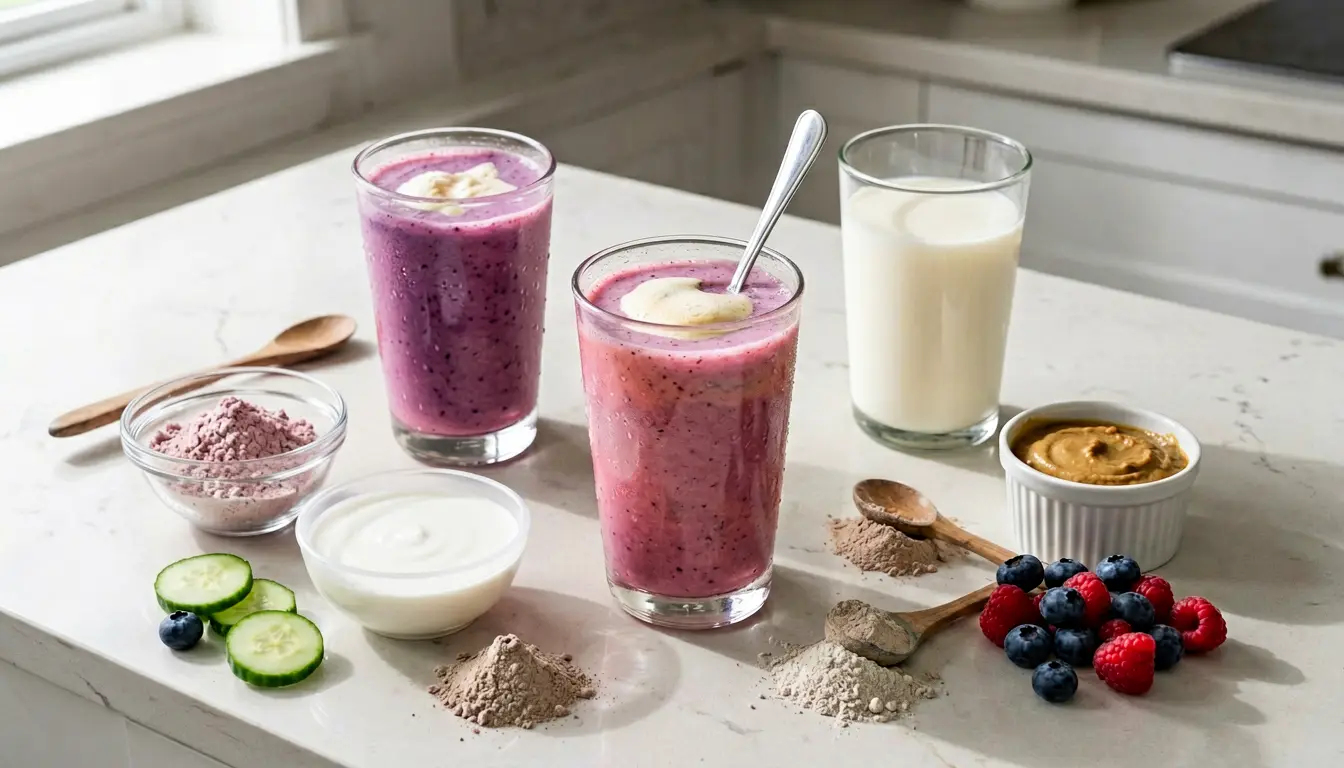
Use berries or banana with yogurt, protein powder, or cottage cheese. This shows how much smoother and more useful a filling smoothie can be.
5. Breakfast smoothie
Bring in oats, yogurt, nut butter, or avocado. This is the version to try if smoothies usually leave you hungry.
6. Dessert smoothie
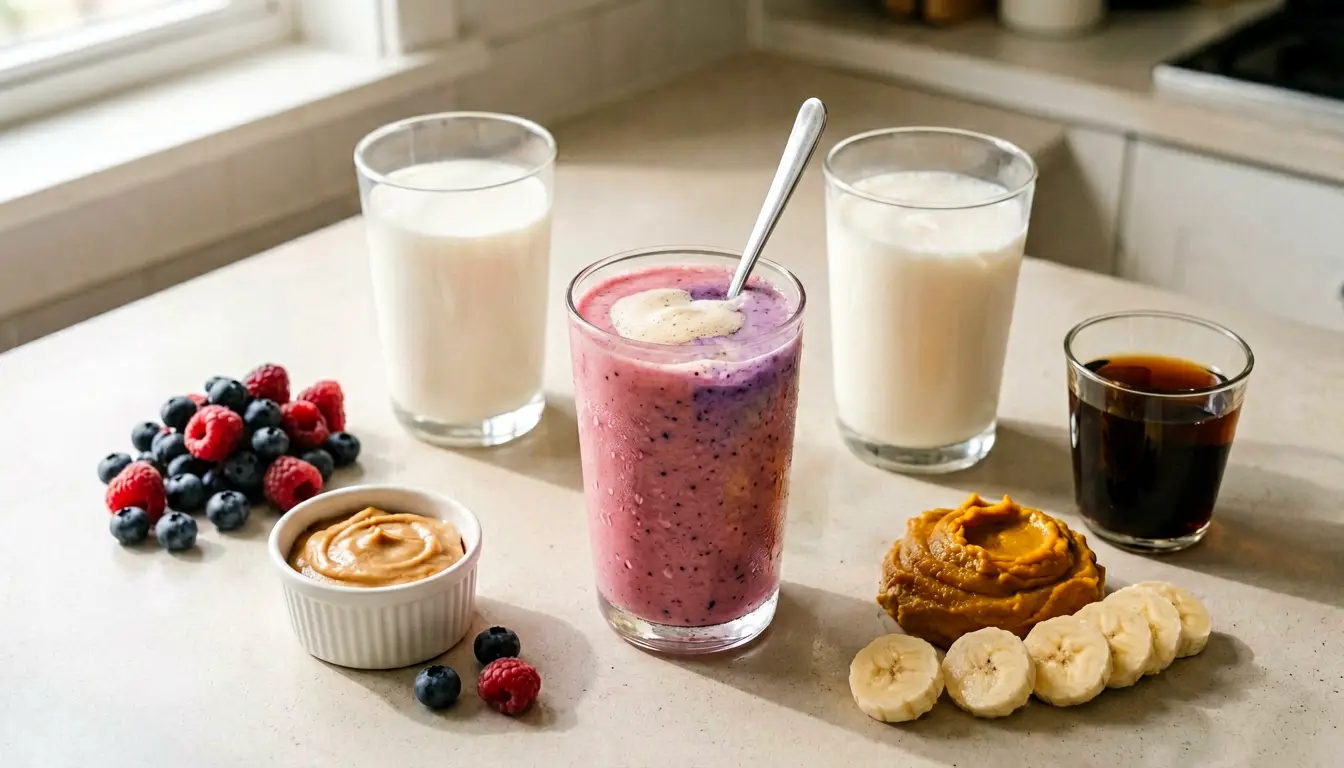
Go with cocoa, berries, peanut butter, mint, or even cookies if you want something more indulgent. If that sounds right, Oreo smoothies are the direct next page.
7. Summer smoothie
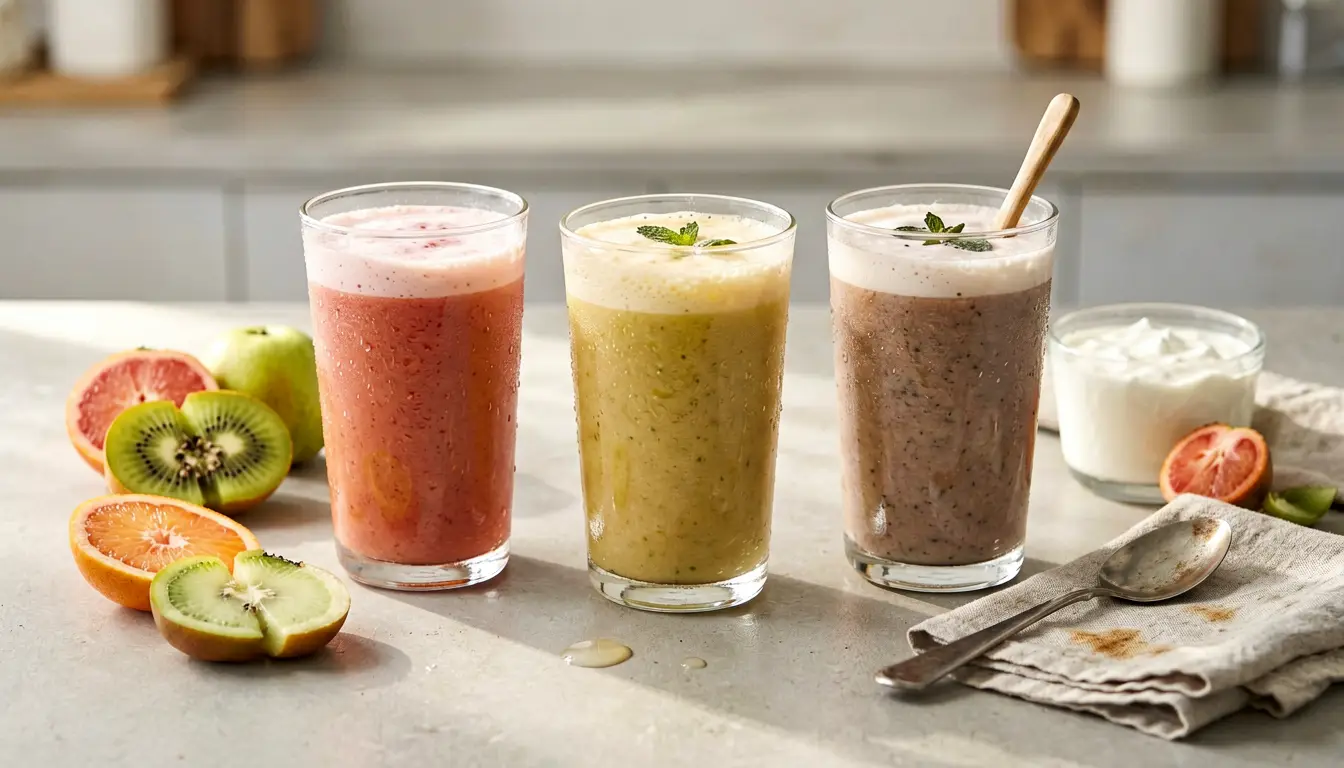
Try watermelon, mint, citrus, peach, or melon. This style feels lighter and more weather-friendly than thicker breakfast blends. Summer smoothies go deeper here.
8. Lower sugar smoothie
Use berries, avocado, greens, chia, and yogurt to keep the smoothie more controlled without making it joyless. Smoothies with less sugar is the fuller guide.
Common Mistakes
The biggest mistake is trying only one type and deciding that all smoothies feel the same. Banana-heavy smoothies can be great, but they are not the whole category. Another common problem is choosing ingredients with no purpose, which usually leads to muddy flavor and uneven texture.
The other mistake is expecting every smoothie to do every job. A summer smoothie should not feel like a meal replacement. A dessert smoothie should not pretend to be a green smoothie. Choosing the right style is half the result.
What to Serve With It
Lighter smoothies pair well with toast, eggs, yogurt, or simple oats. Richer protein smoothies and breakfast smoothies can often stand on their own better. Dessert smoothies are easiest to treat like a snack instead of trying to force them into breakfast.
That is why testing a few styles matters. The right pairing depends on whether the smoothie is filling, light, rich, or mostly for flavor.
Storage and Reheating
If you want to keep trying different smoothie styles without wasting time, prep ingredient packs instead of storing finished smoothies too often. Frozen fruit packs, pre-portioned greens, and small containers of seeds or oats make it easier to repeat the styles you like.
Reheating is not relevant here. Fully blended smoothies can be stored short-term, but the taste and texture are usually best right after blending.
Frequently Asked Questions
What smoothie should I try first if I am new to smoothies?
Usually a berry smoothie or a tropical smoothie. Both are easy to like and easy to fix if the texture needs work.
What is the easiest green smoothie to try?
A spinach smoothie with mango, banana, or pineapple is usually the easiest because the fruit keeps the greens from tasting too strong.
Which smoothie style is best for breakfast?
Breakfast smoothies usually work best when they include yogurt, oats, nut butter, cottage cheese, avocado, or protein powder.
What smoothie should I try if I do not like banana?
Try berry, tropical, avocado, yogurt, or coconut-based smoothies. Banana helps, but it is not required for a good blend.
Are dessert smoothies still worth trying?
Yes. They teach you how richer flavors like cocoa, peanut butter, mint, or cookies behave in a smoothie, which can help you build more satisfying treats at home.
How do I figure out which smoothie type I like best?
Try one from each main style: fruit, green, tropical, protein, breakfast, and dessert. The differences in flavor and texture become obvious very quickly.
For more smoothie practice, use homemade smoothies for the flexible method, smoothies with less sugar for a lighter build, summer smoothies for warm-weather ideas, and the broader best smoothies guide for the full shortlist.