
As an affiliate, we may earn a commission from qualifying purchases. We get commissions for purchases made through links on this website from Amazon and other third parties.
Organic smoothies make the most sense when the ingredient quality is doing the work. You do not need a long list of powders or trendy extras to make one taste good. Start with organic fruit, vegetables, yogurt, milk, or nut butter that already taste fresh, then build a combination that fits the kind of smoothie you actually want to drink.
This list keeps the focus on real organic smoothie ideas, from berry blends and green ginger options to thicker breakfast smoothies and smoothie bowls. If you want a broader view of fruit-first combinations, best fruit smoothies is the better starting point. If you are still sorting out texture, how to make smoothies thick will save you more frustration than adding random extras ever will.
Quick Picks / Best Fits
| If you want… | Start here | Why it works |
|---|---|---|
| the easiest everyday organic smoothie | mixed berry organic smoothie | Frozen berries, banana, and organic yogurt are simple and hard to mess up. |
| a greener fresh blend | green ginger organic smoothie | Spinach, kale, apple, ginger, and lemon keep it fresh instead of heavy. |
| the best breakfast option | protein-packed organic smoothie | Organic yogurt, nut butter, or protein powder make it feel more complete. |
| the most refreshing choice | citrus ginger organic smoothie | Orange, lemon, and ginger keep the flavor bright and clean. |
| the richest treat-style option | chocolate organic smoothie | Cocoa, banana, and nut butter make it feel like dessert without losing smoothie structure. |
| a spoonable version | smoothie bowl | Less liquid and more frozen fruit create a thicker base with toppings. |
How This List Is Organized
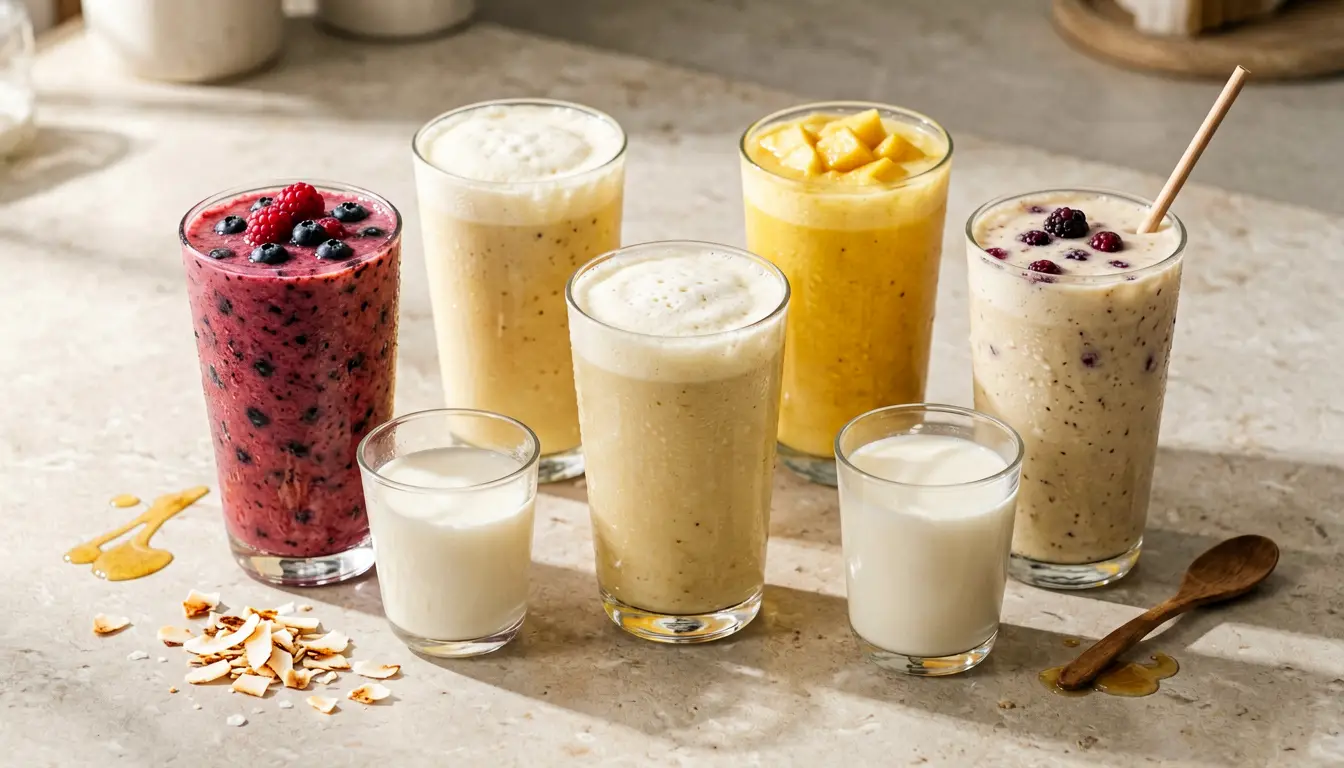
These organic smoothies are grouped by what changes the drink the most: fruit direction, amount of greens, and whether the smoothie is meant to feel light, filling, or almost dessert-like. That matters because "organic" is not really a flavor. It is a sourcing choice. The flavor still comes from the berries, greens, citrus, tropical fruit, yogurt, and nut butter you pair together.
That is also why this list avoids turning into a shopping lecture. Organic smoothies work best when the ingredient combination already makes sense. If you want a lighter fresh-produce option, fresh smoothies and fresh fruit smoothie recipes go more in that direction. If you want a more balance-driven angle, healthy fruit smoothie recipes is the better follow-up.
For organic smoothies you repeat often, the base ingredients matter more than trendy add-ins. Frozen fruit for smoothies helps when you want cleaner fruit flavor with less prep, and yogurt for smoothies is worth comparing when the drink needs more body.
If you are thinking about using organic smoothies as part of a stricter daily routine, read the Smoothie Diet review before paying for a structured plan.
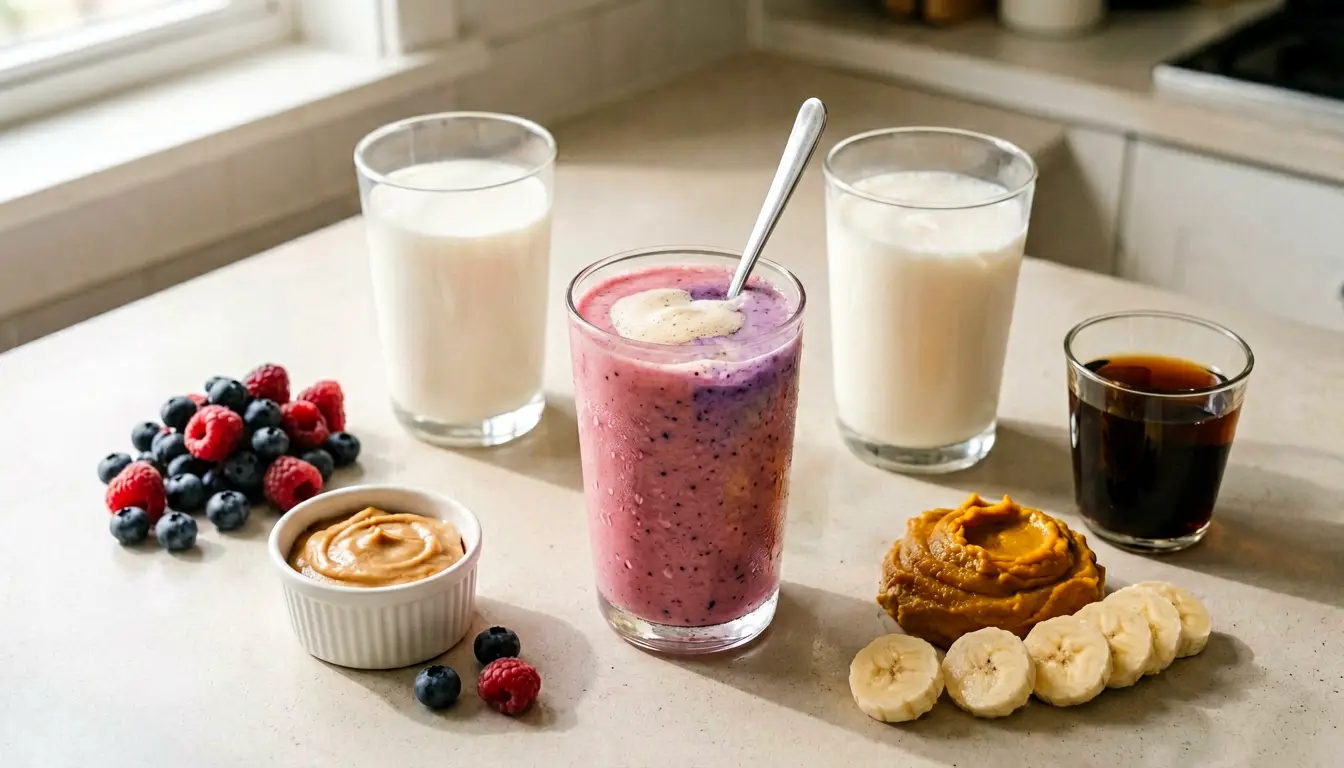
Mixed Berry Organic Smoothie
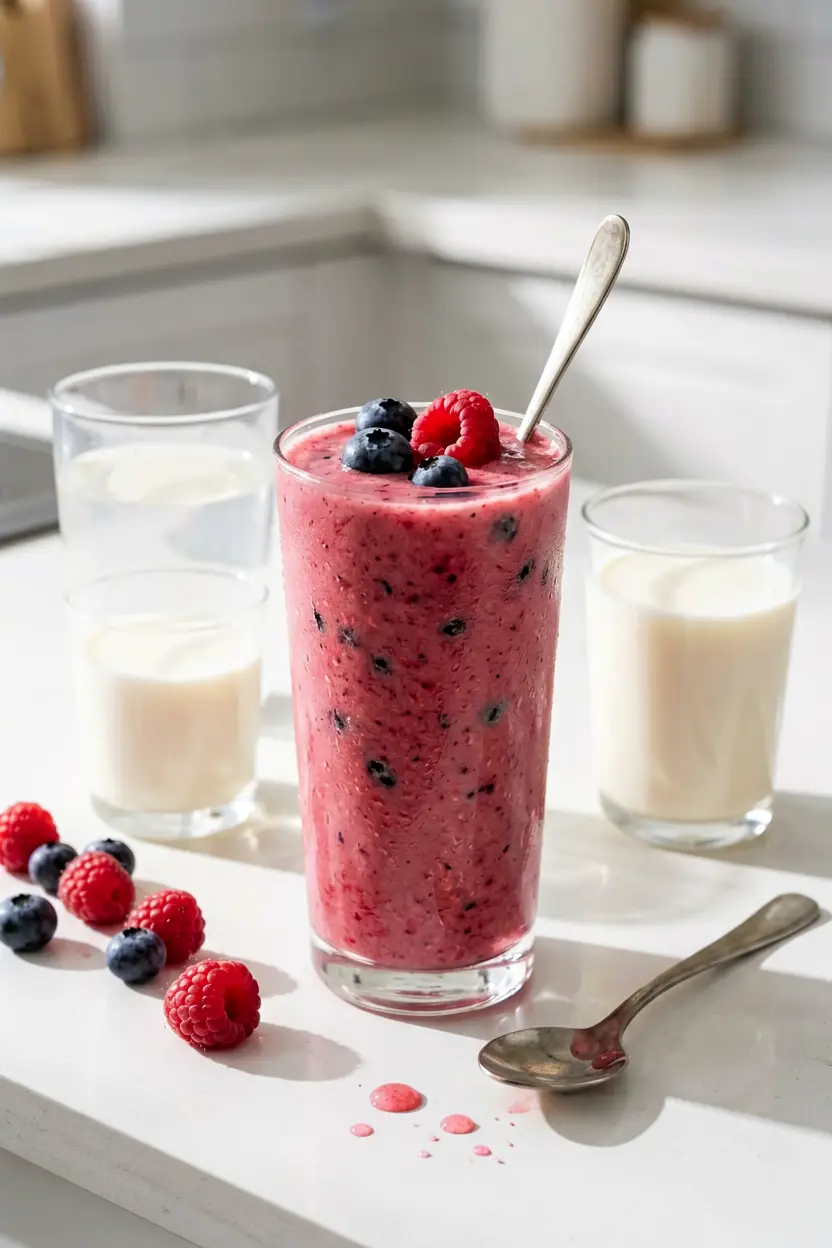
The Mixed Berry Organic blend keeps the main fruit easy to taste while adding enough body for a real smoothie texture.
Ingredients:
- 1 cup organic mixed berries, fresh or frozen
- 3/4 cup organic milk, almond milk, oat milk, or coconut water
- 1 teaspoon organic honey or maple syrup, optional
How to Make It: Add the liquid to the blender first, then add the fruit and thicker ingredients. Blend until smooth, stopping once to scrape down the sides if needed. Taste, then thin with a splash more liquid or thicken with a few ice cubes or extra frozen fruit.
Recipe Tips: Organic frozen berries work well here because they stay cold and are easy to keep on hand.
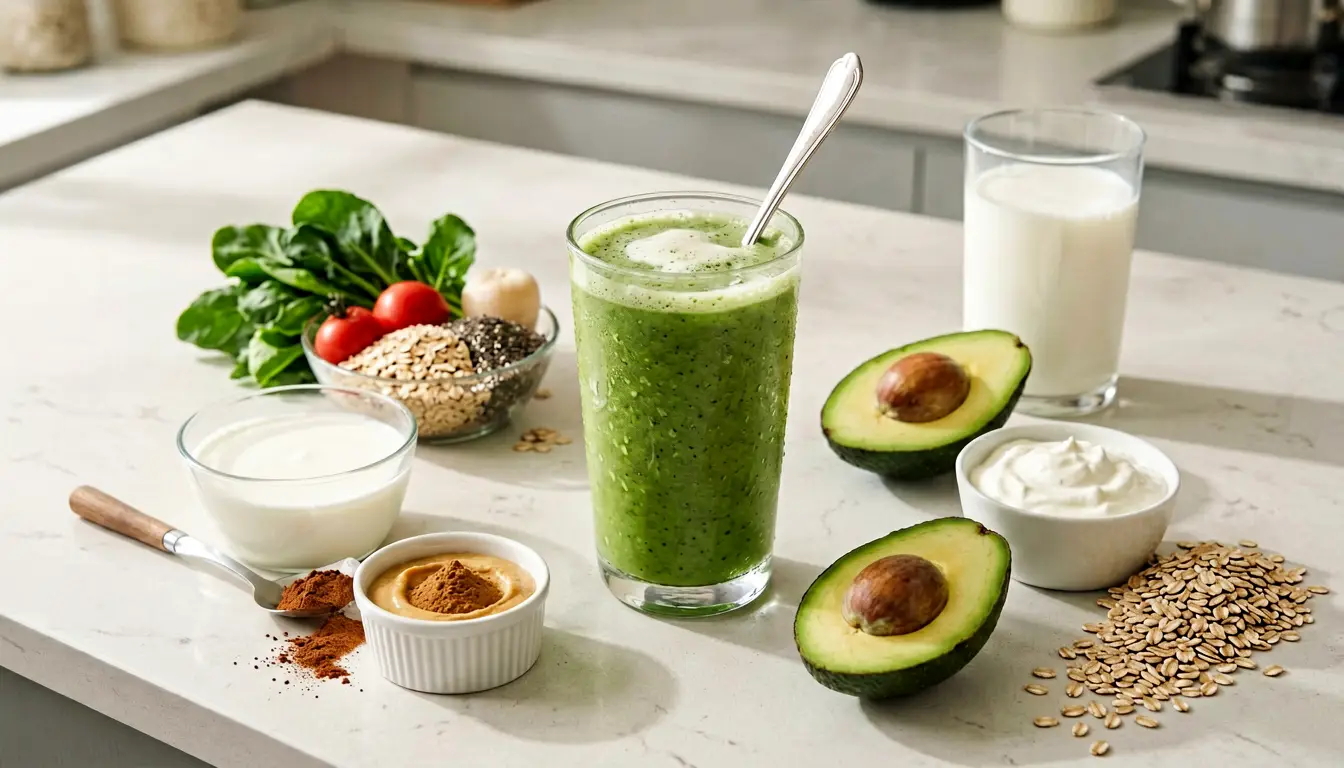
Green Ginger Organic Smoothie
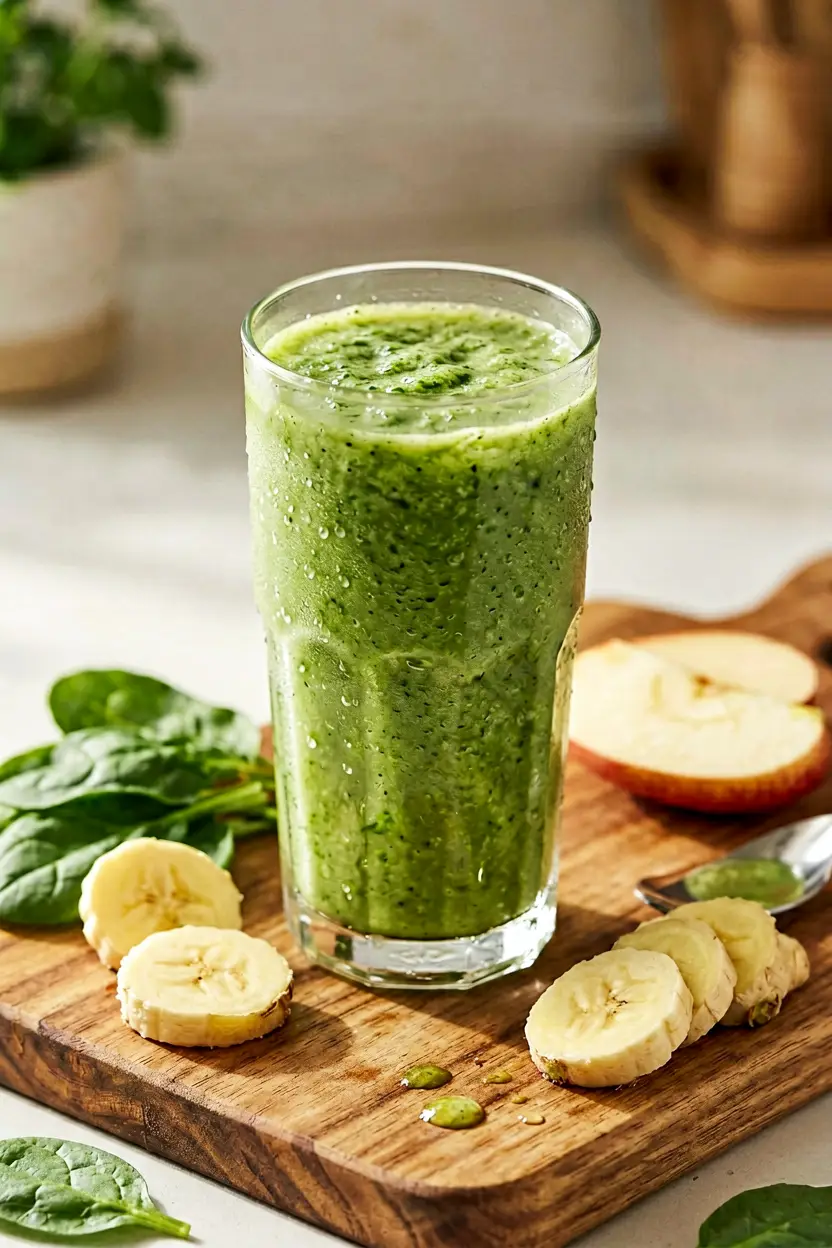
The Green Ginger Organic blend uses fruit and enough liquid to keep the greens mild and smooth.
Ingredients:
- 1 organic apple, chopped
- 1/2 organic banana, preferably frozen
- 1 cup organic baby spinach or mild greens
- 1 teaspoon grated fresh ginger
- 3/4 cup organic milk, almond milk, oat milk, or coconut water
- 1 teaspoon organic honey or maple syrup, optional
How to Make It: Add the liquid to the blender first, then add the fruit and thicker ingredients. Blend until smooth, stopping once to scrape down the sides if needed. Taste, then thin with a splash more liquid or thicken with a few ice cubes or extra frozen fruit.
Recipe Tips: Start with a small amount of ginger, then add more after tasting if you want extra bite.
Tropical Organic Smoothie
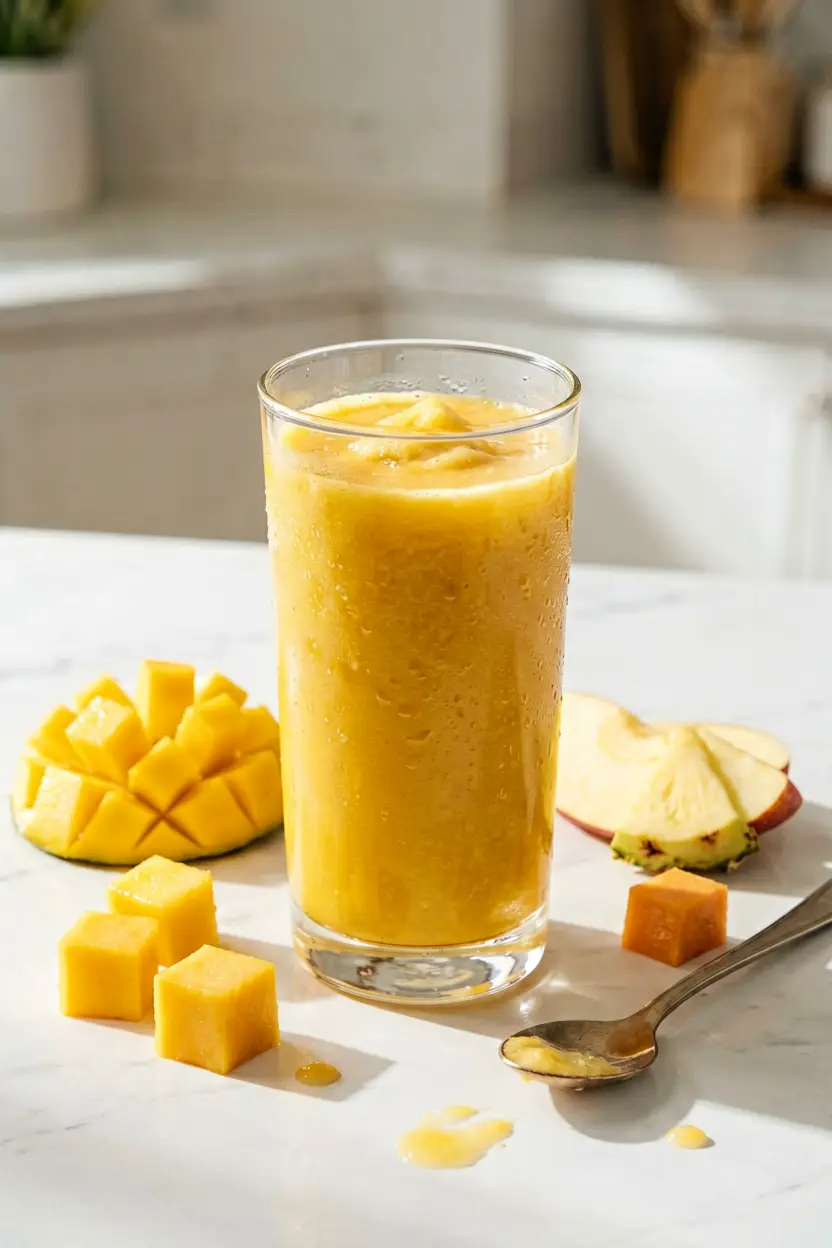
The Tropical Organic blend keeps the main fruit easy to taste while adding enough body for a real smoothie texture.
Ingredients:
- 1 cup organic mango, pineapple, or papaya chunks
- 3/4 cup organic milk, almond milk, oat milk, or coconut water
- 1 teaspoon organic honey or maple syrup, optional
How to Make It: Add the liquid to the blender first, then add the fruit and thicker ingredients. Blend until smooth, stopping once to scrape down the sides if needed. Taste, then thin with a splash more liquid or thicken with a few ice cubes or extra frozen fruit.
Recipe Tips: Use frozen mango or pineapple when fresh organic fruit is not ripe enough.
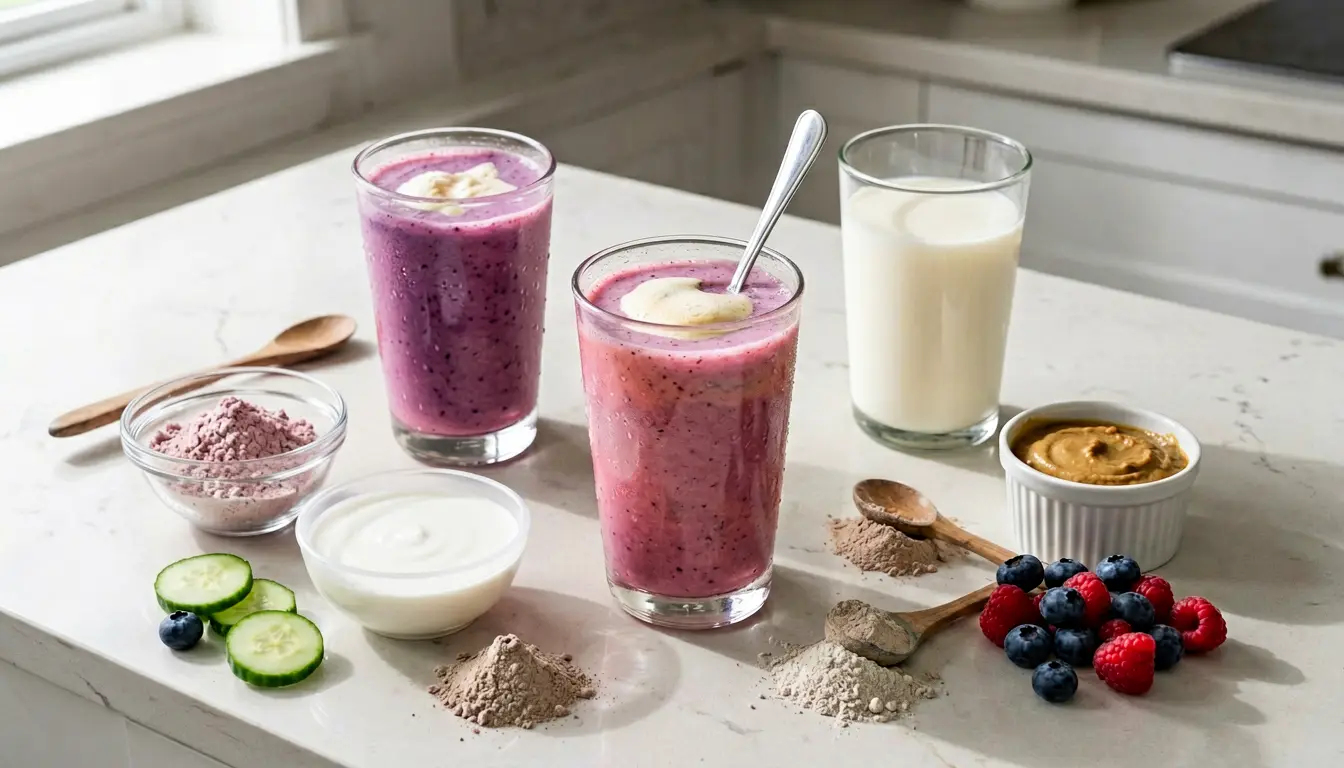
Natural Protein Organic Smoothie
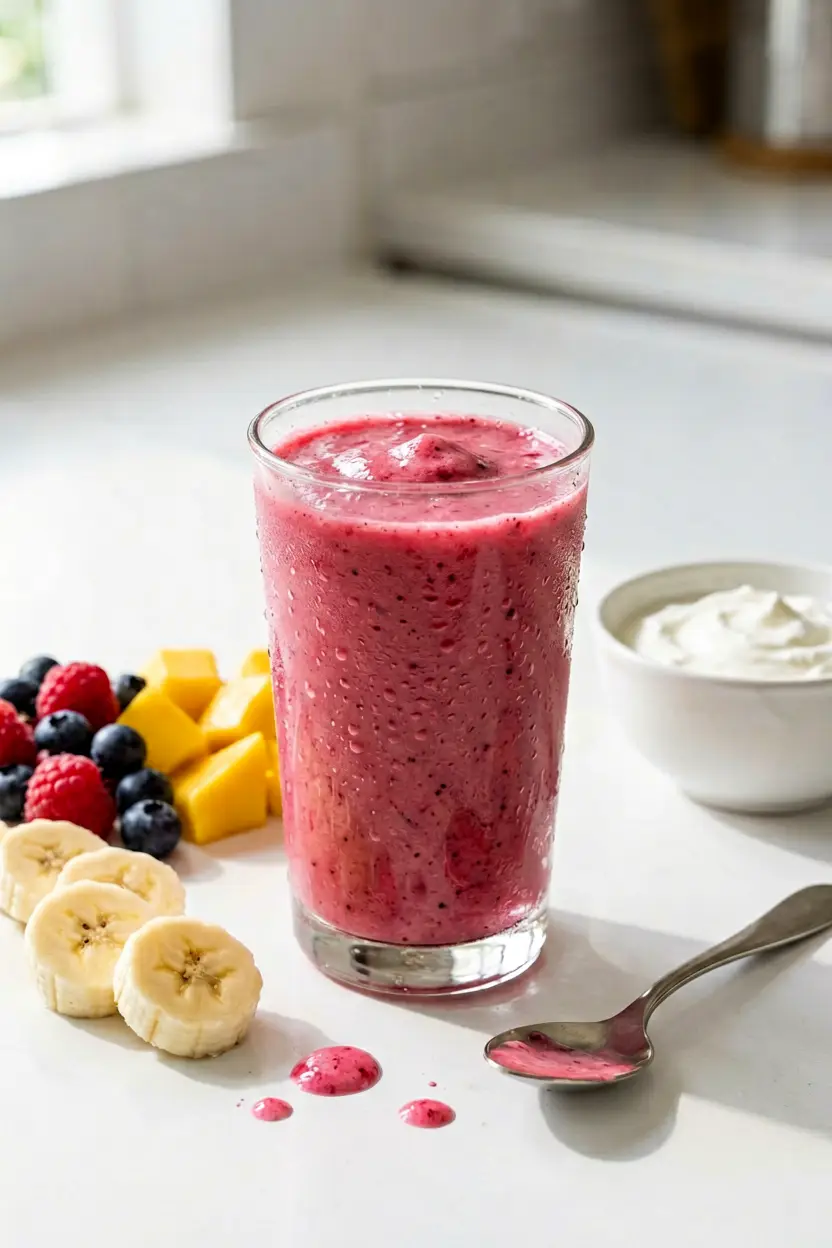
The Natural Protein Organic version adds more body so the smoothie feels more breakfast-ready.
Ingredients:
- 1 organic banana, preferably frozen
- 1/2 cup organic berries or mango
- 1/2 cup Greek yogurt or 1 scoop protein powder
- 3/4 cup organic milk, almond milk, oat milk, or coconut water
- 1 teaspoon organic honey or maple syrup, optional
How to Make It: Add the liquid to the blender first, then add the fruit and thicker ingredients. Blend until smooth, stopping once to scrape down the sides if needed. Taste, then thin with a splash more liquid or thicken with a few ice cubes or extra frozen fruit.
Recipe Tips: Add protein powder after the fruit so it blends evenly instead of sticking to the jar.
Organic Smoothie Bowl
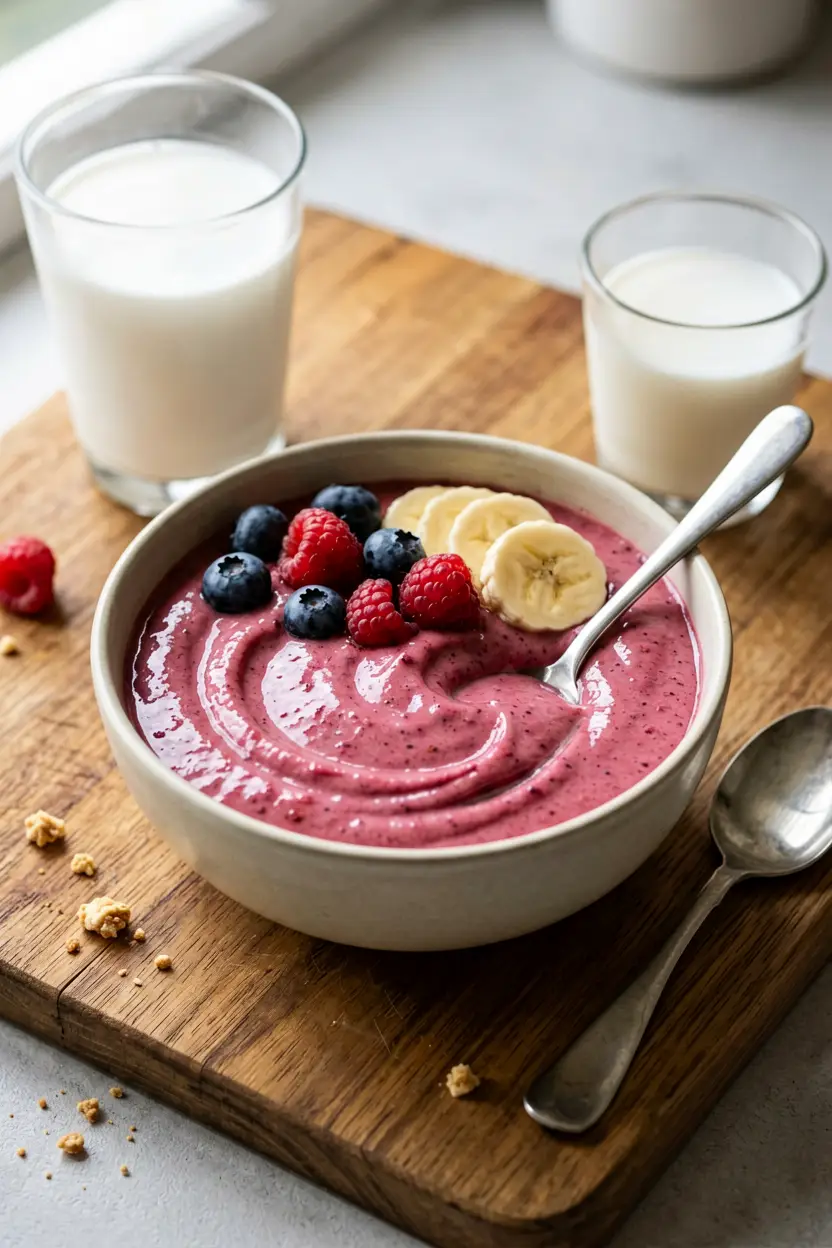
The Organic bowl keeps the base thick enough for toppings while still leaning on real fruit flavor.
Ingredients:
- 1 cup organic mixed berries, fresh or frozen
- 1/2 frozen banana or 1/2 cup extra frozen fruit
- 1/3 cup organic milk, almond milk, or coconut water
- 1 teaspoon organic honey or maple syrup, optional
How to Make It: Add the liquid to the blender first, then add the fruit and thicker ingredients. Blend until smooth, stopping once to scrape down the sides if needed. Taste, then thin with a splash more liquid or thicken with a few ice cubes or extra frozen fruit.
Recipe Tips: Keep the liquid low and use frozen organic fruit so the bowl can hold toppings.
Peach Organic Smoothie
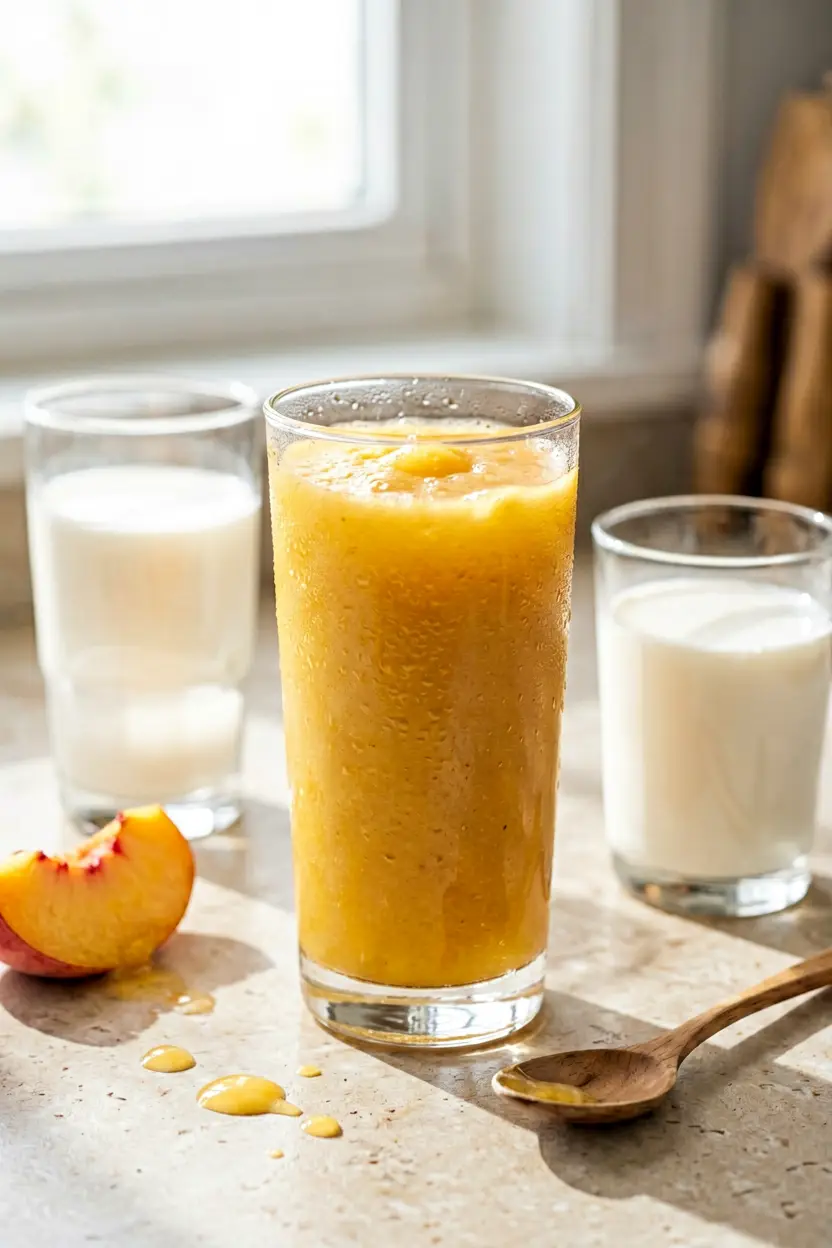
The Peach Organic blend keeps the main fruit easy to taste while adding enough body for a real smoothie texture.
Ingredients:
- 1 cup organic sliced peaches, fresh or frozen
- 3/4 cup organic milk, almond milk, oat milk, or coconut water
- 1 teaspoon organic honey or maple syrup, optional
How to Make It: Add the liquid to the blender first, then add the fruit and thicker ingredients. Blend until smooth, stopping once to scrape down the sides if needed. Taste, then thin with a splash more liquid or thicken with a few ice cubes or extra frozen fruit.
Recipe Tips: Frozen organic peach slices give better texture when fresh peaches are not sweet.
Carrot Cake Organic Smoothie
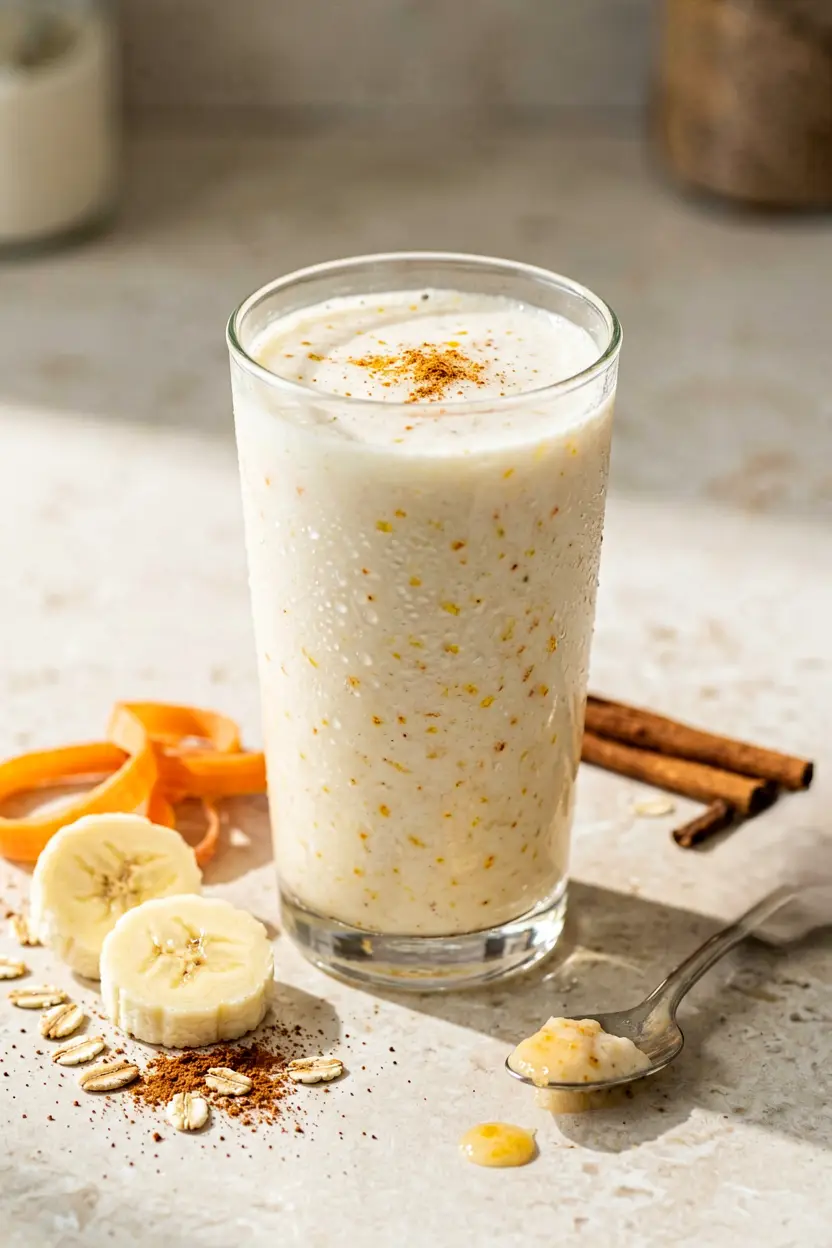
The Carrot Cake Organic blend keeps the main fruit easy to taste while adding enough body for a real smoothie texture.
Ingredients:
- 1 organic banana, preferably frozen
- 1/2 cup shredded carrot
- 2 tablespoons rolled oats
- 1/4 teaspoon cinnamon
- 3/4 cup organic milk, almond milk, oat milk, or coconut water
- 1 teaspoon organic honey or maple syrup, optional
How to Make It: Add the liquid to the blender first, then add the fruit and thicker ingredients. Blend until smooth, stopping once to scrape down the sides if needed. Taste, then thin with a splash more liquid or thicken with a few ice cubes or extra frozen fruit.
Recipe Tips: Grate the carrot finely or blend it with the liquid first for a smoother drink.
Citrus Ginger Organic Smoothie
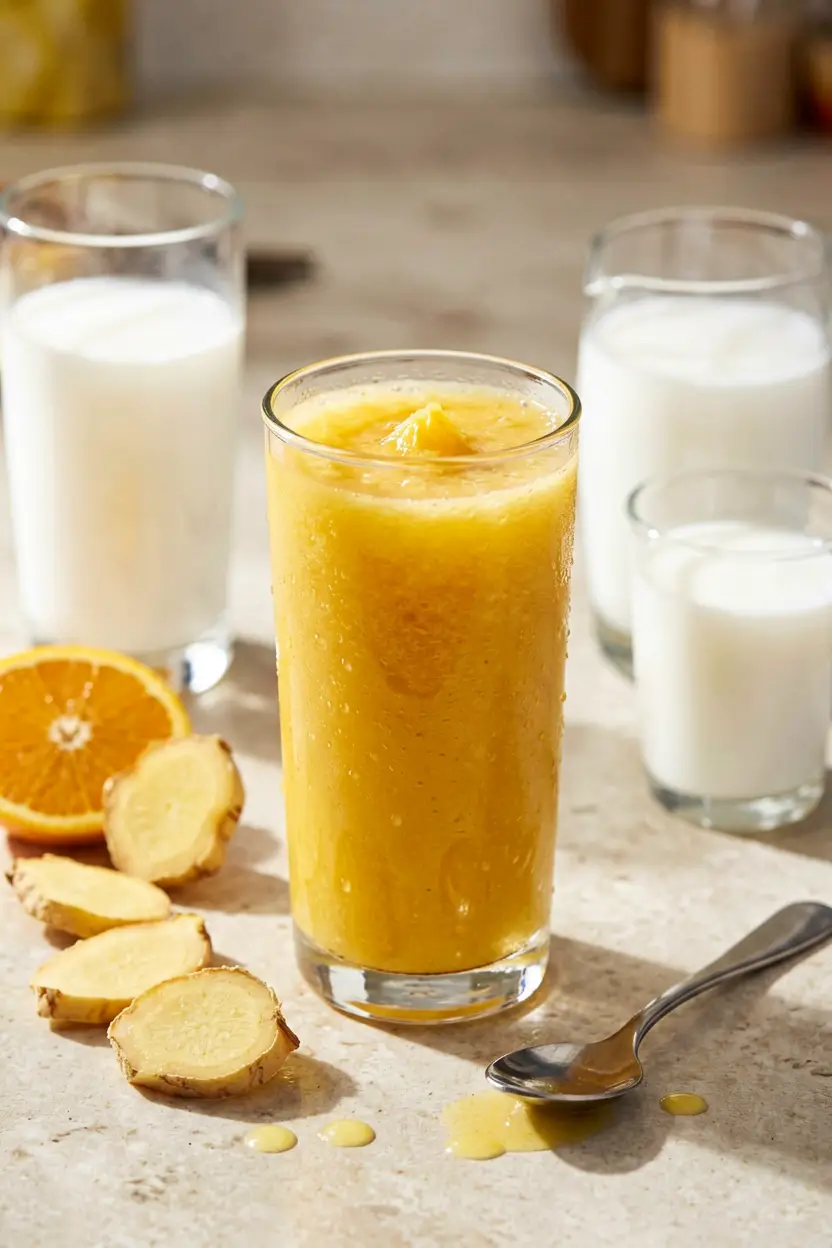
The Citrus Ginger Organic version uses a brighter accent to keep the fruit flavor lively.
Ingredients:
- 1 peeled orange or 1/2 cup orange segments
- 1 teaspoon grated fresh ginger
- 3/4 cup organic milk, almond milk, oat milk, or coconut water
- 1 teaspoon organic honey or maple syrup, optional
How to Make It: Add the liquid to the blender first, then add the fruit and thicker ingredients. Blend until smooth, stopping once to scrape down the sides if needed. Taste, then thin with a splash more liquid or thicken with a few ice cubes or extra frozen fruit.
Recipe Tips: Add citrus and ginger gradually so the smoothie stays bright instead of harsh.
Coffee Cacao Organic Smoothie
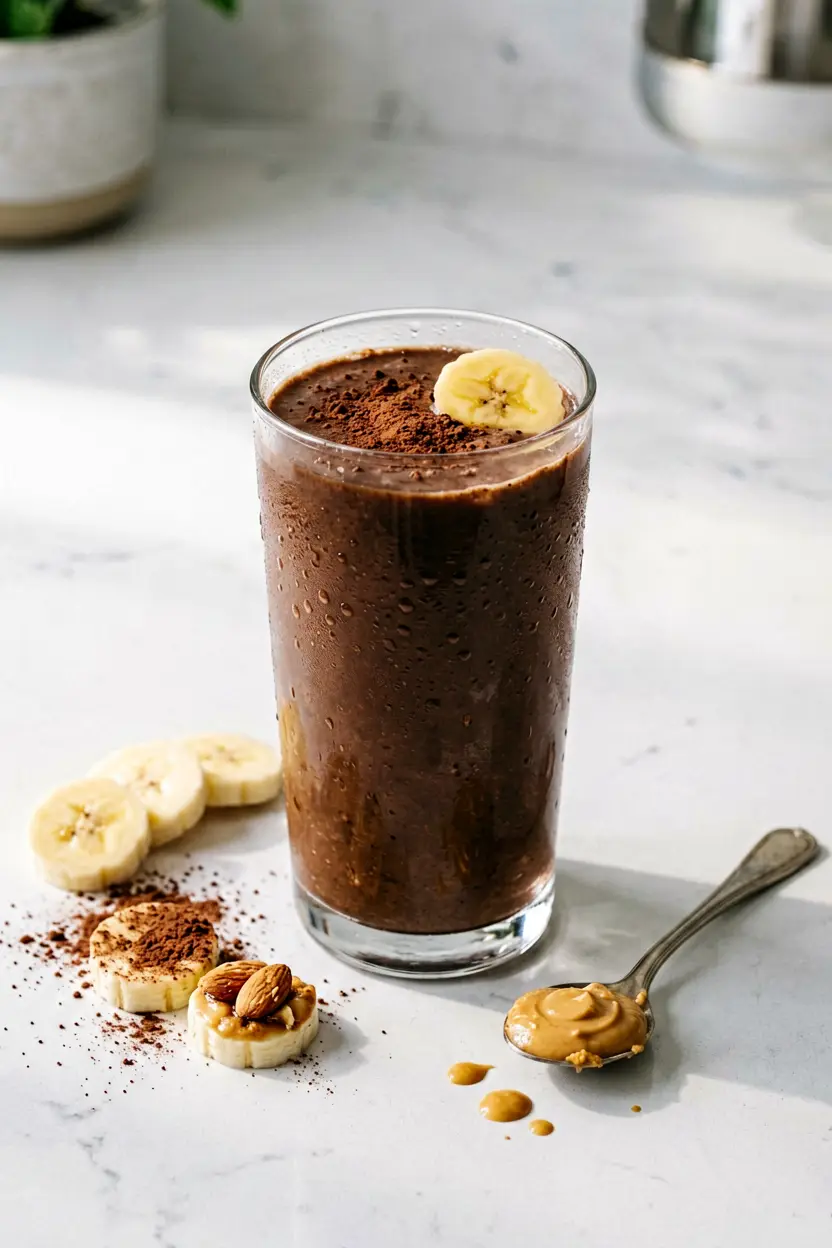
The Coffee Cacao Organic blend leans richer, using a creamy base so the flavor stays smooth rather than heavy.
Ingredients:
- 1 organic banana, preferably frozen
- 1/2 cup cold coffee
- 1 tablespoon cocoa or cacao powder
- 1 tablespoon almond butter or peanut butter
- 3/4 cup organic milk, almond milk, oat milk, or coconut water
- 1 teaspoon organic honey or maple syrup, optional
How to Make It: Add the liquid to the blender first, then add the fruit and thicker ingredients. Blend until smooth, stopping once to scrape down the sides if needed. Taste, then thin with a splash more liquid or thicken with a few ice cubes or extra frozen fruit.
Recipe Tips: Use chilled coffee and unsweetened cacao so the smoothie stays thick and balanced.
Chocolate Organic Smoothie
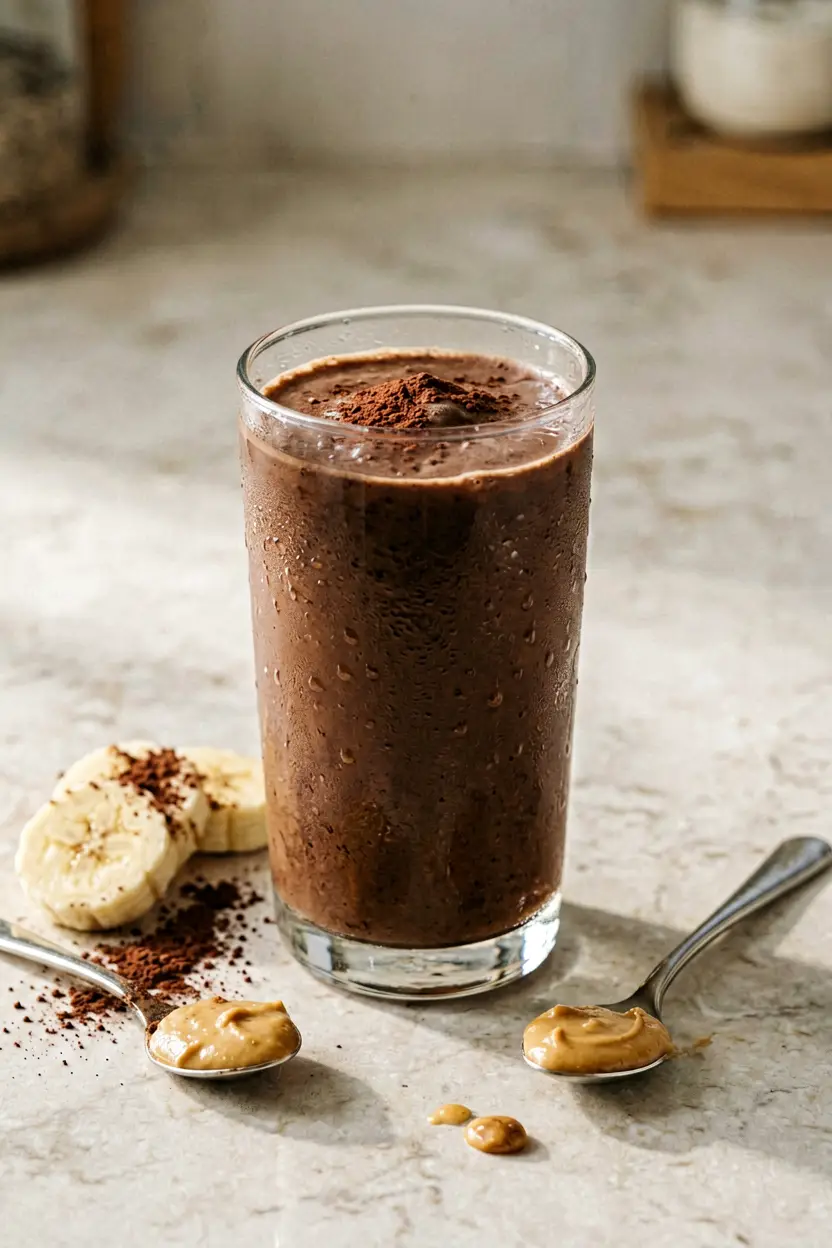
The Chocolate Organic blend leans richer, using a creamy base so the flavor stays smooth rather than heavy.
Ingredients:
- 1 organic banana, preferably frozen
- 1 tablespoon cocoa or cacao powder
- 1 tablespoon almond butter or peanut butter
- 3/4 cup organic milk, almond milk, oat milk, or coconut water
- 1 teaspoon organic honey or maple syrup, optional
How to Make It: Add the liquid to the blender first, then add the fruit and thicker ingredients. Blend until smooth, stopping once to scrape down the sides if needed. Taste, then thin with a splash more liquid or thicken with a few ice cubes or extra frozen fruit.
Recipe Tips: Blend cocoa with the liquid first so it does not leave dry streaks.
How to Choose the Right Option
Start with the role you want the smoothie to play. If you need something that feels light and produce-forward, the green ginger, citrus, or mixed berry options make more sense. If you need breakfast to hold longer, go toward the protein, smoothie bowl, or chocolate-nut-butter styles instead.
Then think about texture. Mango, banana, yogurt, oats, and nut butter create thicker organic smoothies. Citrus, cucumber, greens, and coconut water create lighter ones. If you want the smoothie to stay squarely in the fruit style, how to make smoothies with fruit helps more. If you want more filling options with nut butter, smoothie recipes with peanut butter and peanut butter banana smoothies are better next clicks.
Finally, remember that organic smoothies still benefit from restraint. Two or three flavor drivers usually taste better than a blender packed with every healthy ingredient in the kitchen.
Frequently Asked Questions
What makes an organic smoothie different?
The difference is mostly the sourcing of the ingredients, not a special blending method. Organic fruit, greens, yogurt, milk, and nut butters can be used in the same smoothie combinations people already like.
What ingredients work best in organic smoothies?
Berries, bananas, mango, pineapple, peaches, spinach, kale, yogurt, coconut water, oats, chia, and nut butter all work well. The best choices depend on whether you want the smoothie light, thick, tangy, or more filling.
Are organic green smoothies always bitter?
No. They usually stay more balanced when banana, apple, mango, lemon, or pineapple are included to soften the greener ingredients.
Can I make organic smoothies without yogurt?
Yes. Banana, avocado, oats, chia, flax, coconut milk, and nut butter can all add body without yogurt.
Which organic smoothie is best for breakfast?
Protein-based smoothies, smoothie bowls, chocolate banana blends, and richer tropical smoothies usually work best for breakfast because they can hold more filling ingredients.
Should organic smoothies use fresh or frozen produce?
Both can work. Fresh produce often tastes brighter, while frozen fruit helps the smoothie stay colder and thicker.
If your organic fruit is the star, keep the add-ins simple so the berries, mango, or greens still taste clean and bright. For more ideas that stay fruit-forward, start with fresh produce-first blends or reliable fruit smoothie pairings. When you want the glass to feel more like breakfast, use thicker smoothie technique instead of piling in more sweet fruit.