
As an affiliate, we may earn a commission from qualifying purchases. We get commissions for purchases made through links on this website from Amazon and other third parties.
Is using smoothies and juices for weight loss, energy, and better digestion a smart plan? Yes, if smoothies do most of the work and juices stay small, low-sugar, and paired with food.
The big difference is fiber. A smoothie keeps the pulp from fruit and vegetables, so it can feel thicker, support fullness, and be easier to balance with protein and healthy fat. Juice removes much of that fiber, which can make it lighter and more concentrated, but also easier to overdrink.
If your goal is weight loss, energy, and gut health at the same time, think of this as a blended-first routine. Use smoothies for meals and snacks. Use juices for a small bright drink when you want extra produce flavor, not as a cleanse. For a more recipe-focused plan, start with a smoothie diet structure and use this guide to decide when juice does or does not belong.
If you are comparing a do-it-yourself routine with a more structured smoothie plan, read The Smoothie Diet vs homemade smoothies before you commit to daily meal smoothies. It is a better next step than treating every juice or smoothie as if it has the same job.
Quick Answer
Smoothies are usually the better everyday choice for weight loss, energy, and digestion because they keep the fiber from fruits, vegetables, seeds, and greens. Build them with leafy greens, low-glycemic fruit, protein, and a measured fat such as chia, flax, avocado, or nut butter.
Juices can fit when they are low in sugar and mostly vegetable-based, but they should not replace a balanced diet. If you drink juice, keep it small, avoid juice-only cleanses, and pair it with whole foods so your gut still gets fiber.
What It Is / When to Use It
Smoothies and juices are not the same tool. A smoothie is blended whole food. A juice is extracted liquid. Both can help you get more produce, but they behave differently once you drink them.
Use a smoothie when you want:
- A breakfast that can hold you for a few hours
- A snack with protein and fiber
- A gentler way to eat spinach, kale, berries, avocado, seeds, or yogurt
- A meal replacement that still feels creamy and satisfying
- A gut-friendly blend with prebiotic fiber from fruit, greens, oats, chia, flax, or green banana
Use a juice when you want:
- A small, refreshing vegetable drink
- A lighter option with cucumber, mint, lime, celery, or greens
- A way to use produce when chewing a large salad does not sound good
- A bright side drink next to a real meal
For weight loss, the smoothie has the advantage because you can control thickness and fullness. Protein, fiber, and fat help slow the drink down. If you are choosing between a juice and a smoothie as breakfast, the smoothie usually wins.
For energy, avoid the sugar rush approach. A juice-heavy drink may feel quick at first, then leave you hungry. A smoothie with berries, greens, protein, and healthy fat gives a steadier option. If morning energy is the main goal, compare this with smoothies for energy so the drink matches your schedule.
For digestion, fiber is the main reason to favor blending. Soluble fiber from foods like apples, citrus, carrots, oats, chia, and flax can help slow digestion. Insoluble fiber from leafy greens and vegetable skins adds bulk. Different fibers do different jobs, so a mix of plant foods is better than relying on one supplement or one fruit.
Best Smoothie Formula
Use this formula when you want one filling smoothie:
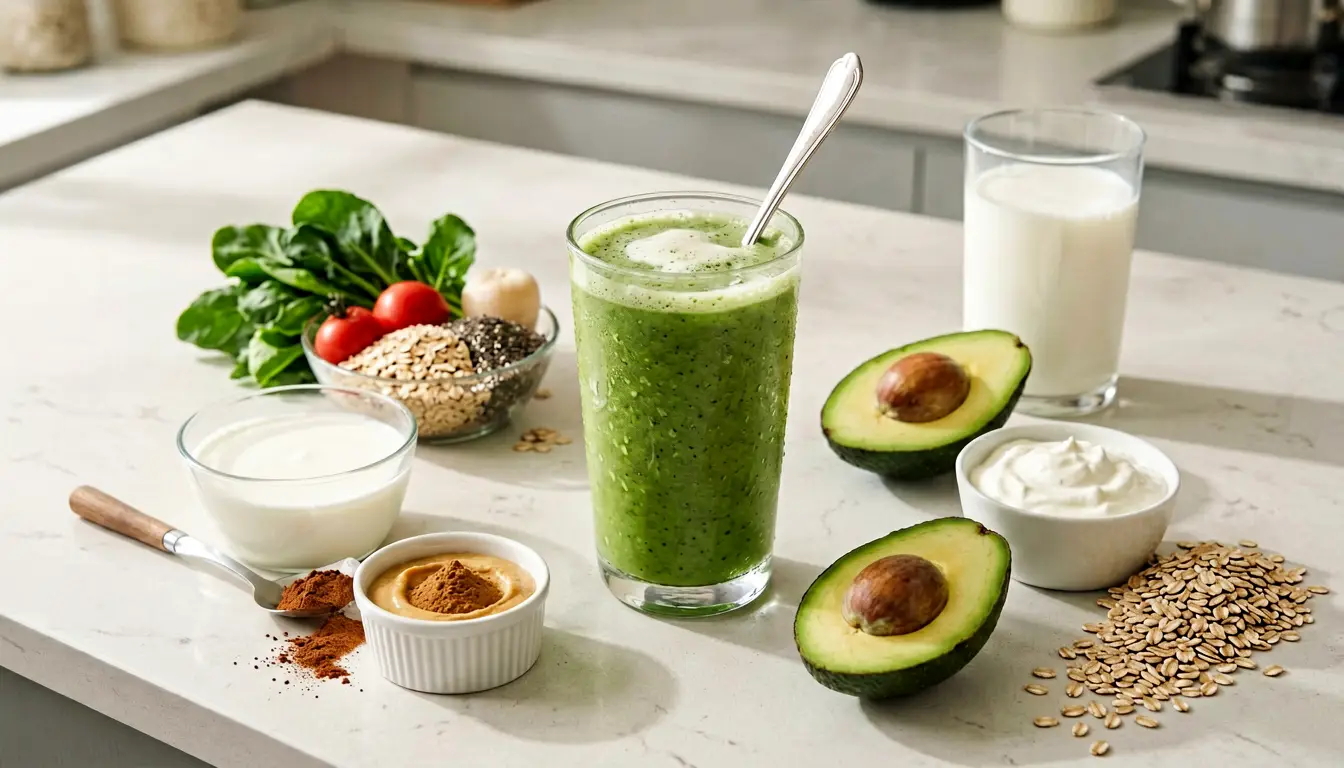
- 1 to 2 handfuls spinach, kale, or mixed greens
- 1/2 to 1 cup fruit, such as berries, apple, mango, pineapple, cherries, or banana
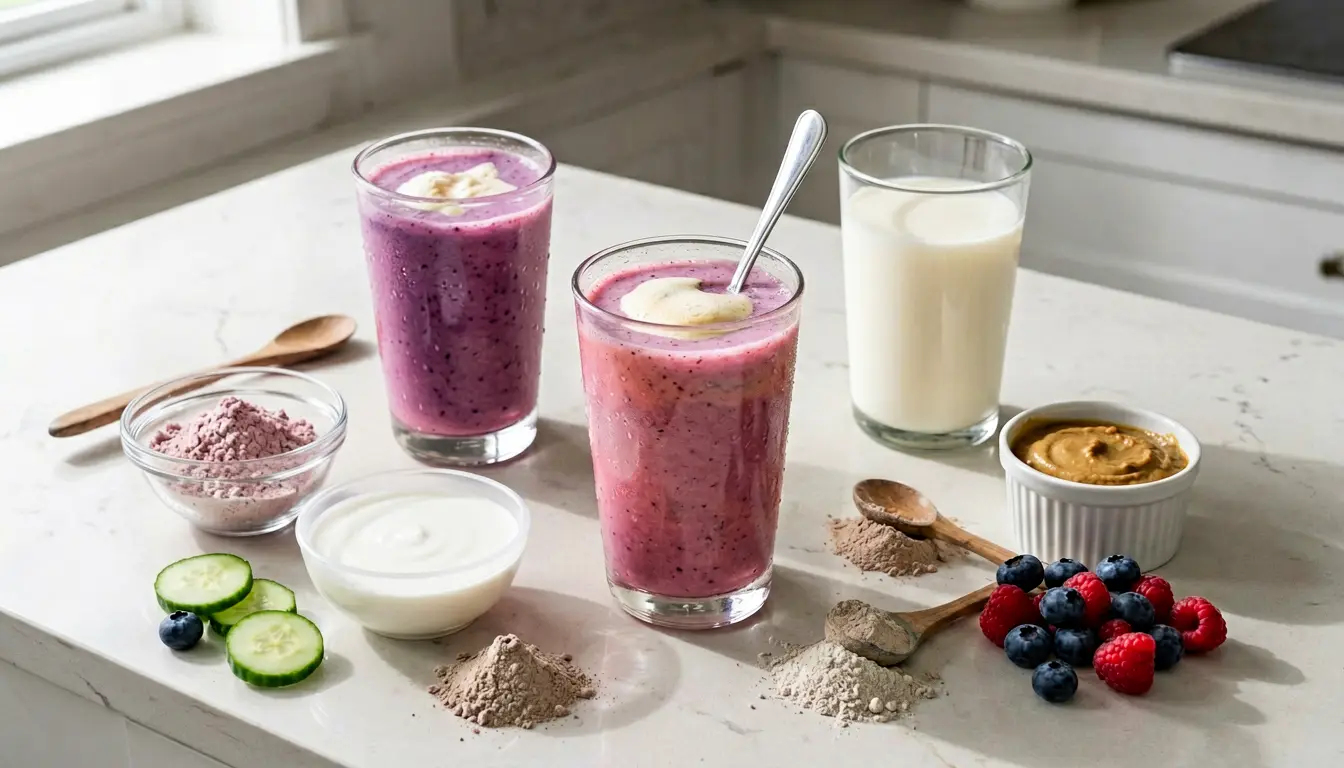
- 1 protein choice, such as Greek yogurt, kefir, cottage cheese, silken tofu, pea protein, whey, milk, or soy milk
- 1 fiber or healthy fat choice, such as chia, flax, avocado, oats, nut butter, or hemp hearts
- 1 to 1 1/2 cups liquid, such as water, unsweetened almond milk, milk, coconut water, or plain kefir
- Flavor from ginger, turmeric, cinnamon, mint, lime, lemon, cocoa, or vanilla
This is where the best anti-inflammatory smoothie ideas overlap with practical home cooking: berries, cherries, leafy greens, turmeric, ginger, chia, flax, avocado, kefir, and unsweetened milk or plant milk.
Best Juice Formula
Use this formula when you want a lighter juice:
- Mostly low-sugar vegetables, such as cucumber, celery, leafy greens, or herbs
- A tart accent, such as lime or lemon
- A small sweet accent, if needed, such as green apple
- Ginger, mint, or turmeric for flavor
- A smaller serving than a smoothie
If the juice tastes like liquid candy, it is probably not the best fit for weight loss or blood sugar control. For a more targeted low-sugar approach, use smoothies for blood sugar control before adding fruit-heavy juices to your routine.
Substitutes / Swaps
The best swaps depend on what you are trying to fix: too much sugar, not enough fullness, stomach discomfort, or a drink that tastes too green.
| If You Usually Use | Try This Instead | Why It Works Better |
|---|---|---|
| Fruit juice as the main liquid | Water, unsweetened almond milk, milk, soy milk, or coconut water | Cuts sweetness and gives you better control |
| A juice cleanse | One smoothie plus regular meals with protein and vegetables | Keeps fiber and makes the plan easier to sustain |
| Sweetened yogurt | Plain Greek yogurt or kefir | Adds protein without extra sugar |
| A banana in every smoothie | Avocado, frozen berries, mango, or frozen cauliflower | Changes texture without making every drink banana-heavy |
| Large scoops of nut butter | 1 tablespoon nut butter or 1/4 avocado | Keeps the creamy texture but controls calories |
| Protein powder with lots of additives | Plain Greek yogurt, tofu, cottage cheese, or a simpler protein powder | Easier on sensitive stomachs |
| A fruit-only smoothie | Fruit plus greens, protein, and chia or flax | Makes it more filling and steadier |
Swaps For Weight Loss
Use more greens, berries, yogurt, tofu, cottage cheese, chia, flax, and ice. Use less juice, dried fruit, sweetened yogurt, honey, dates, and big pours of nut butter.
The goal is not to make the smoothie tiny. The goal is to make it satisfying without turning it into a high-calorie dessert. If you want direct recipe examples, the best smoothies for weight loss are a better fit than a juice cleanse.
Swaps For Energy
Choose protein plus fiber. Try Greek yogurt with berries, pea protein with spinach and avocado, or kefir with cherries and flax. Add ginger, cinnamon, cocoa, or matcha when you want more flavor.
Do not rely on juice alone for energy. It may be quick, but it is not always steady. If you need a morning drink that supports a busy day, pair the smoothie with breakfast or build it as breakfast.
Swaps For Better Digestion
Start with fiber from whole foods: apples, berries, leafy greens, oats, chia, flax, avocado, beans at meals, and whole grains during the day. Resistant starch from green banana or cooled potatoes can also feed gut bacteria, but you do not need to force a supplement into every smoothie.
Kefir and yogurt can add a tangy, creamy base if dairy works for you. If dairy bothers you, use unsweetened plant milk with a short ingredient list. Some people do better with fewer gums and thickeners in plant milks and protein powders.
If constipation is the main concern, smoothies for constipation will be more useful than a general energy smoothie.
Prep Tips
Start with the result you want, then build the drink around that.
For Weight Loss
Use the smoothie as a planned meal or snack, not an extra drink beside a full meal. Keep the fruit portion measured. Add protein every time the smoothie is meant to replace breakfast.
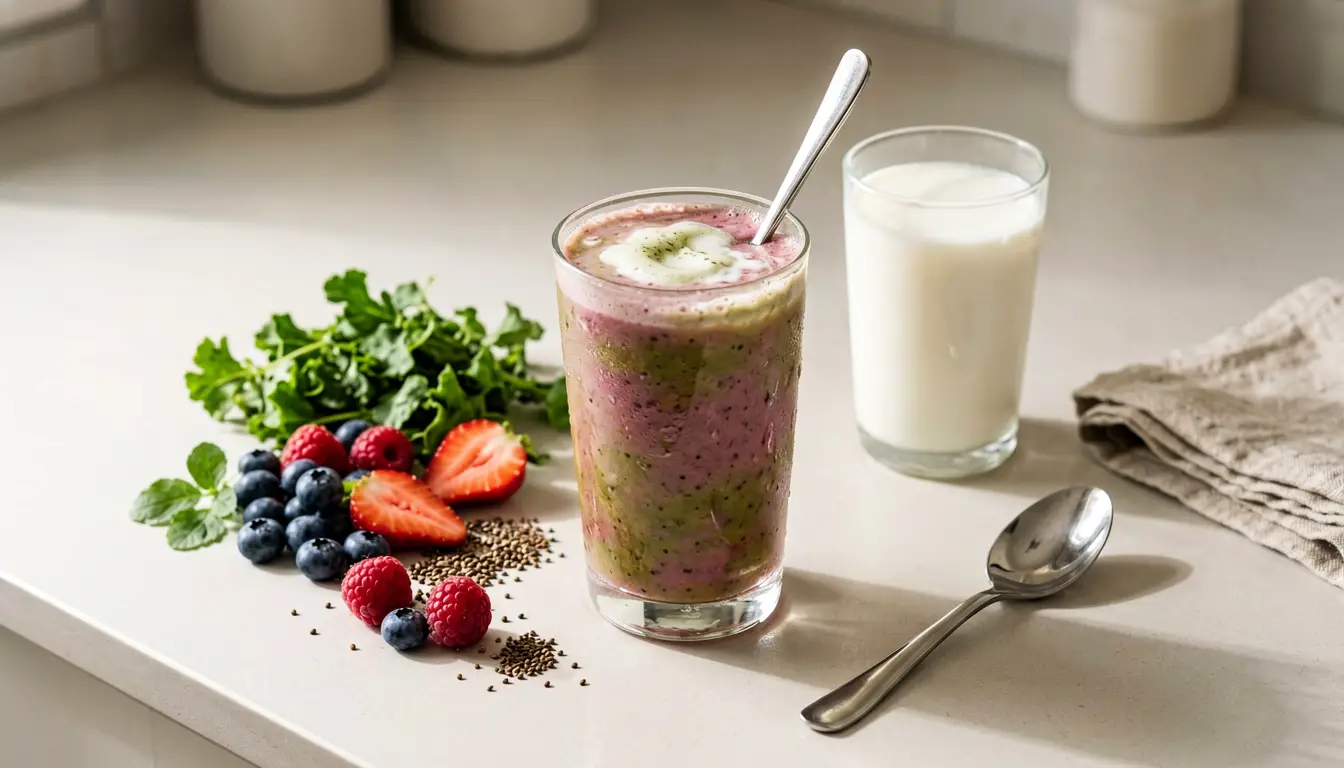
A good weight-loss smoothie might be spinach, frozen berries, Greek yogurt, chia, and unsweetened almond milk. A good lighter juice might be cucumber, celery, mint, lime, and greens, served beside a meal instead of replacing it.
Avoid the trap of adding every healthy food in the kitchen. Avocado, nut butter, chia, flax, oats, yogurt, and protein powder are useful, but they do not all need to be in the same blender jar.
For Steady Energy
Build around protein and slow-digesting ingredients. Try spinach, apple, avocado, and pea protein with water or almond milk. That style borrows from a gut-focused morning smoothie: fruit for flavor, greens for nutrients, avocado for fiber and fat, and protein for staying power.
If the smoothie makes you sleepy or hungry fast, reduce juice, increase protein, and make the texture thicker. Thin drinks are easy to finish quickly, which can make them feel less like a meal.
For Better Digestion
Increase fiber slowly. A sudden jump from very little fiber to daily chia, flax, greens, berries, oats, and psyllium can cause bloating for some people. Start with one tablespoon of chia or flax, one handful of greens, and a modest fruit portion.
Rotate fiber sources. Use berries one day, apple another day, oats another day, and chia or flax when you need thickness. A diverse mix of fibers is better for daily eating than depending on one powder.
If apples bloat you, swap in banana, blueberries, strawberries, or pineapple. If kale feels rough, use spinach. If protein powder bothers your stomach, try yogurt, tofu, cottage cheese, or a simpler powder.
For Anti-Inflammatory Flavor
Use colorful produce and spices. Berries, cherries, pomegranate, spinach, kale, turmeric, ginger, flax, chia, avocado, kefir, and plain yogurt all fit well in smoothie-style drinks.
Try these combinations:
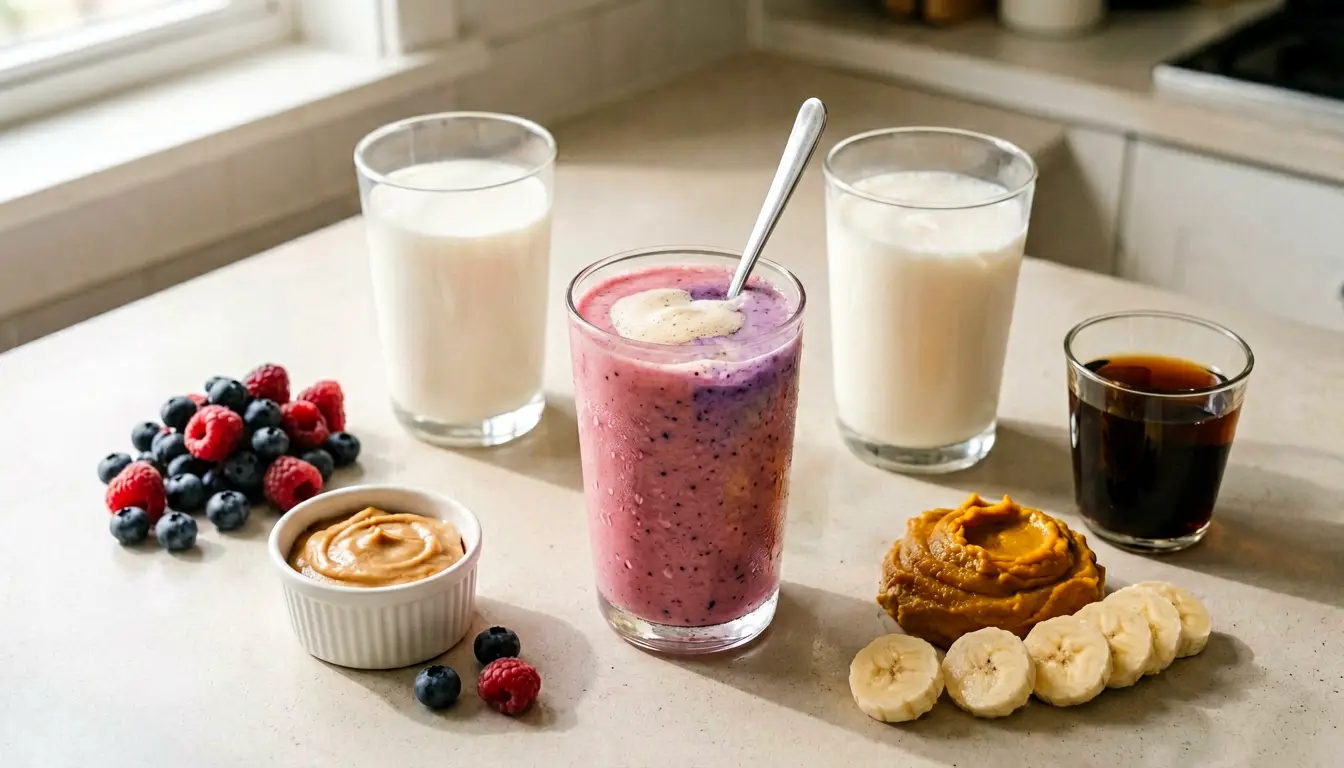
- Blueberry, raspberry, Greek yogurt, flax, and almond milk
- Pineapple, kale, ginger, lime, and coconut water
- Mango, turmeric, ginger, cashews, and unsweetened plant milk
- Cucumber, avocado, spinach, Greek yogurt, lemon, and herbs
- Cherry, cocoa, protein, and chia
For condition-specific sugar concerns, use smoothies for diabetics instead of guessing with fruit-heavy blends.
For Juice Without The Cleanse Problem
Keep juice mostly vegetables. Cucumber, celery, leafy greens, mint, lime, and ginger make a cleaner low-sugar base. If you need sweetness, use a small amount of green apple.
Then add food. A small green juice next to eggs, yogurt, tofu scramble, leftovers, or a salad is very different from a juice-only day. Juice without fiber is the part that needs caution, especially if you are drinking large amounts.
If you are tempted by detox-style plans, read detox smoothie cleanse ideas with the same mindset: use the flavors if you like them, but do not turn the drink into a strict cleanse.
Storage / Reheat / Freeze
Smoothies taste best fresh, but prep helps. Freeze fruit, greens, ginger, turmeric, and avocado in small portions. Add liquid, yogurt, kefir, protein powder, chia, flax, or nut butter when you blend.
Store a blended smoothie in a sealed jar in the fridge and shake it well before drinking. Separation is normal because blended fruit and vegetables settle. If it thickens too much, add a splash of water or milk and shake again.
Juice is more delicate. Drink it soon after making it, or refrigerate it in a sealed container for the shortest practical time. The flavor dulls as it sits, and it does not have the same fiber structure as a smoothie.
Do not reheat smoothies or juices. If a smoothie is too cold, let it sit for a few minutes. If it is too thick, loosen it with liquid. If a frozen smoothie pack is stuck together, run the outside of the bag under cool water just long enough to break it up.
For freezer packs:
- Add fruit and greens to the bag.
- Add ginger, turmeric, mint, or citrus zest if using.
- Keep powders, yogurt, kefir, and liquids out until blending.
- Label each pack with the liquid and protein you plan to add.
Frequently Asked Questions
Are smoothies or juices better for weight loss?
Smoothies are usually better because they keep fiber and can include protein and healthy fat. Juice can fit in small amounts, but juice alone is less filling and easier to overdrink.
Can I drink juice for gut health?
You can drink small vegetable-based juices, but do not depend on juice for gut health. Your gut bacteria need fiber from whole plant foods, and most of that fiber is reduced when produce is juiced.
What is the best smoothie for energy?
A good energy smoothie has protein, fiber, and a little healthy fat. Try spinach, berries, Greek yogurt, chia, and unsweetened milk, or apple, spinach, avocado, and pea protein.
Should I use protein powder?
Protein powder is optional. Greek yogurt, kefir, cottage cheese, tofu, soy milk, and milk can also add protein. If you use powder, choose one that tastes good and does not upset your stomach.
Is a juice cleanse good for weight loss?
A juice cleanse is not the best long-term weight-loss plan. It is low in fiber, may be hard to sustain, and can leave you hungry. A smoothie with protein and fiber is usually more practical.
What fruits are best for smoothies and juices?
Berries, cherries, apple, citrus, pineapple, mango, and banana can all work. For weight loss or blood sugar balance, keep portions moderate and pair fruit with greens, protein, and fiber.
How do I make a smoothie better for digestion?
Use fiber-rich whole foods such as berries, apple, spinach, oats, chia, flax, and avocado. Add kefir or yogurt if they work for you. Increase fiber slowly if your stomach is sensitive.
Can I use smoothies as meal replacements?
Yes, but only if the smoothie is built like a meal. Include protein, fiber, enough volume, and measured fat. For a deeper answer, see whether smoothies work for weight loss.
What should I avoid adding to smoothies?
Go easy on juice, sweetened yogurt, honey, dates, large nut butter scoops, big granola toppings, and too many powders. These can turn a healthy drink into a high-calorie one fast.
For focused next steps, use healthy smoothie recipes when you want everyday blends, best fruit smoothies for weight loss when fruit is the main flavor, low-calorie smoothies when you need lighter snacks, and smoothies for blood sugar control when sugar balance matters most.