
As an affiliate, we may earn a commission from qualifying purchases. We get commissions for purchases made through links on this website from Amazon and other third parties.
Some smoothies seem to affect digestion more noticeably than others because of what they contain. Fruit, fiber-rich ingredients, dairy, chia, flax, oats, and certain sweeteners can all change how a smoothie feels in the body from person to person.
That does not mean smoothies always cause the same effect. It usually means your ingredients matter more than the smoothie format itself.
If you are looking at the broader health side, whether smoothies are good for you depends on the whole recipe, not this one digestion effect.
Quick Answer
Smoothies can affect digestion for some people, especially when they contain a lot of fruit, fiber-rich ingredients, dairy, chia, flax, oats, or ingredients that your body does not handle well. The effect depends on the person and the recipe.
If a smoothie seems to trigger a reaction, the best place to look is the ingredient list.
What It Is / When to Use It
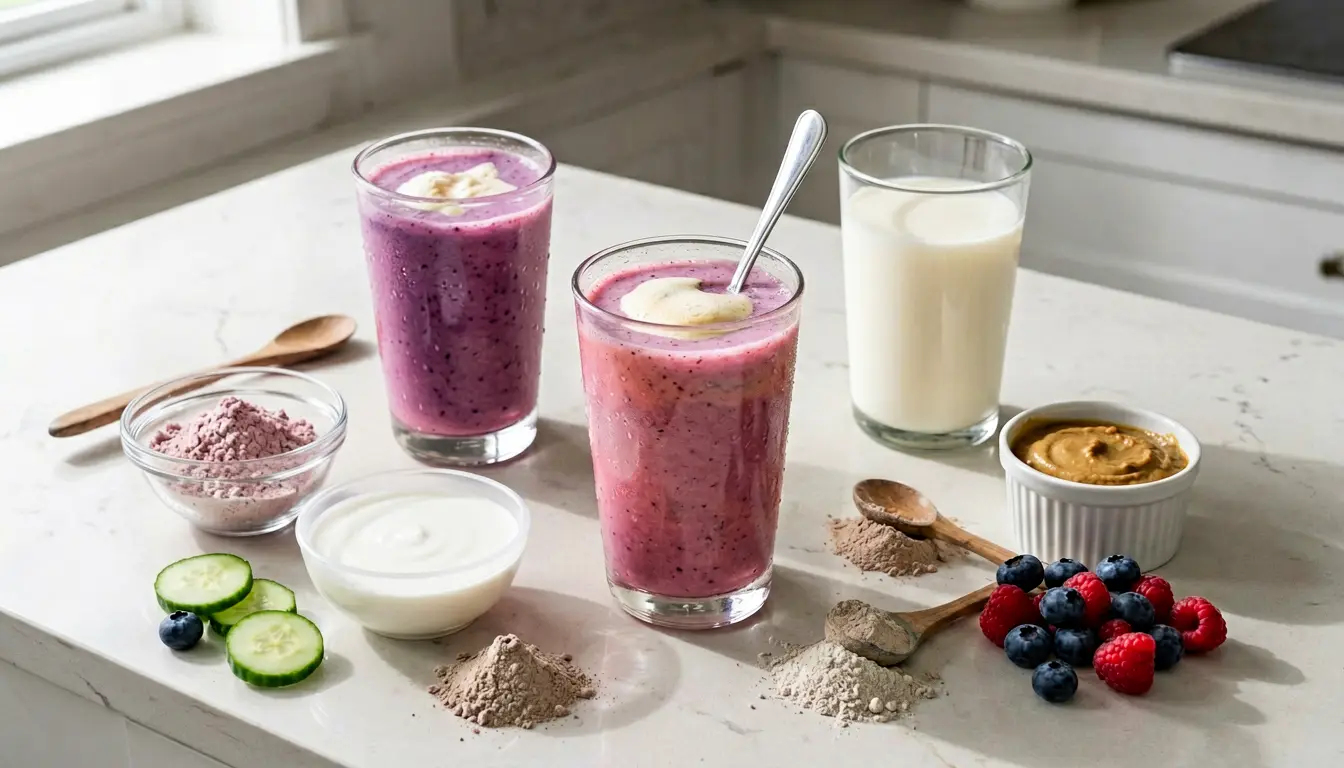
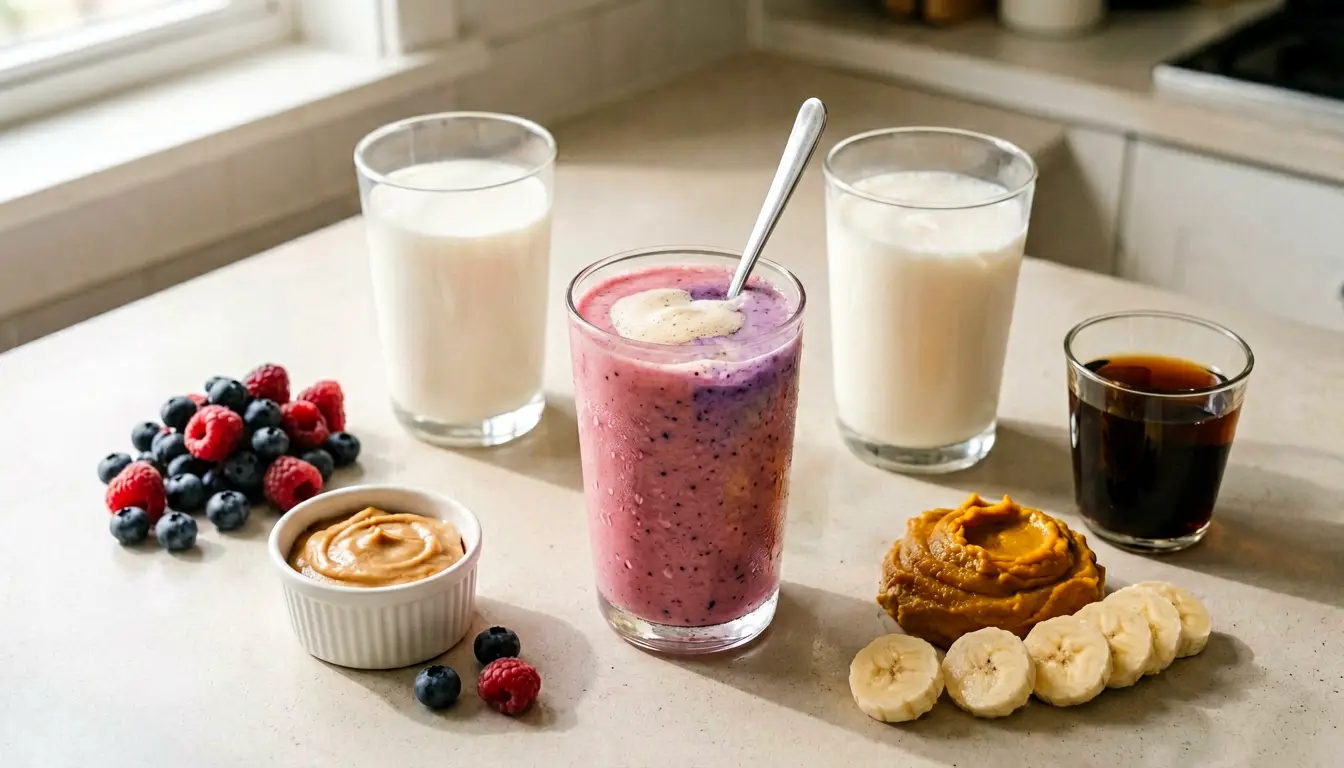
People usually ask this after noticing that some smoothies feel easier on the stomach than others. A simple fruit smoothie may feel very different from a thick smoothie full of seeds, dairy, sweeteners, or high-fiber extras.
The key is not guessing. It is noticing what tends to repeat when the same ingredients show up.
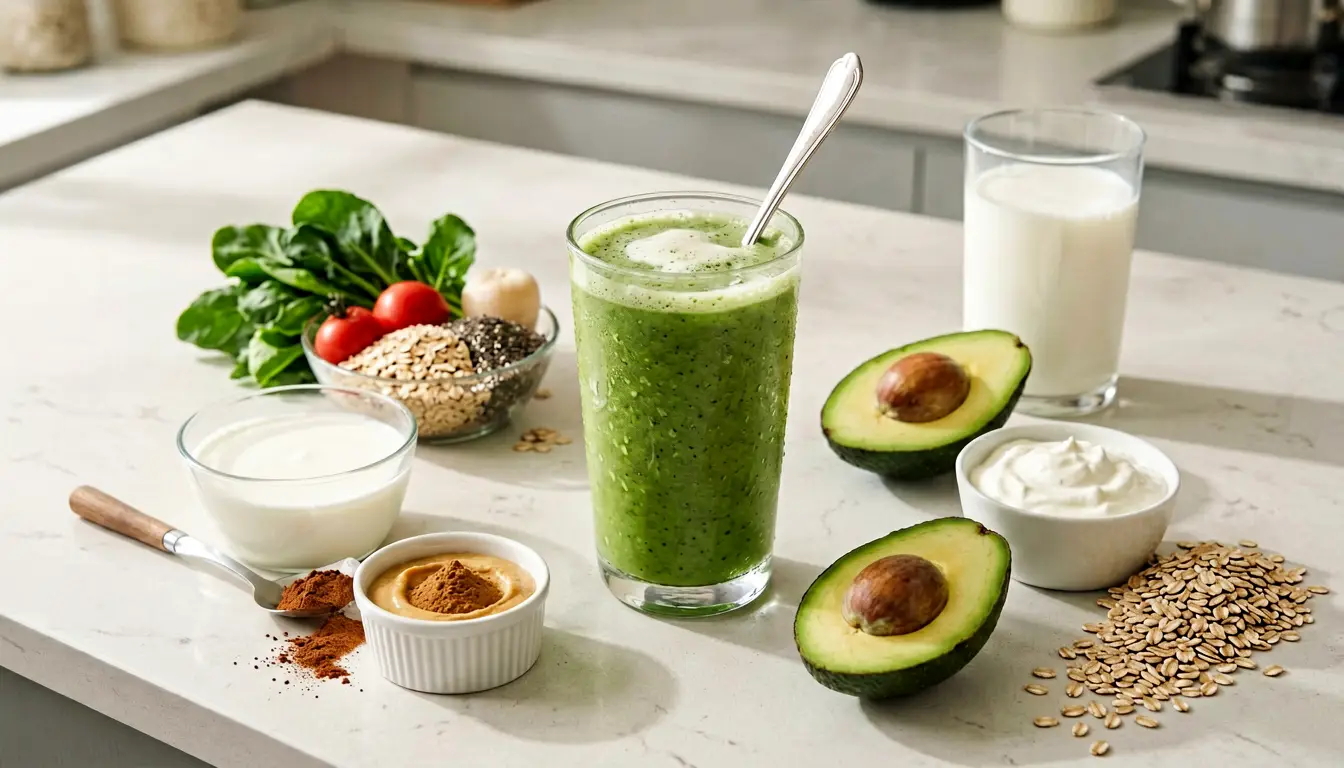
Fiber-heavy smoothies can feel stronger because they bring more fruit skins, seeds, oats, chia, flax, or greens into one glass. If that is the goal, high-fiber smoothie recipes make more sense than randomly adding every booster at once.
Substitutes / Swaps
If a smoothie feels too aggressive on digestion, simplify it. Use fewer ingredients at once and reduce fiber-heavy extras, dairy, or sweeteners that may not sit well for you.
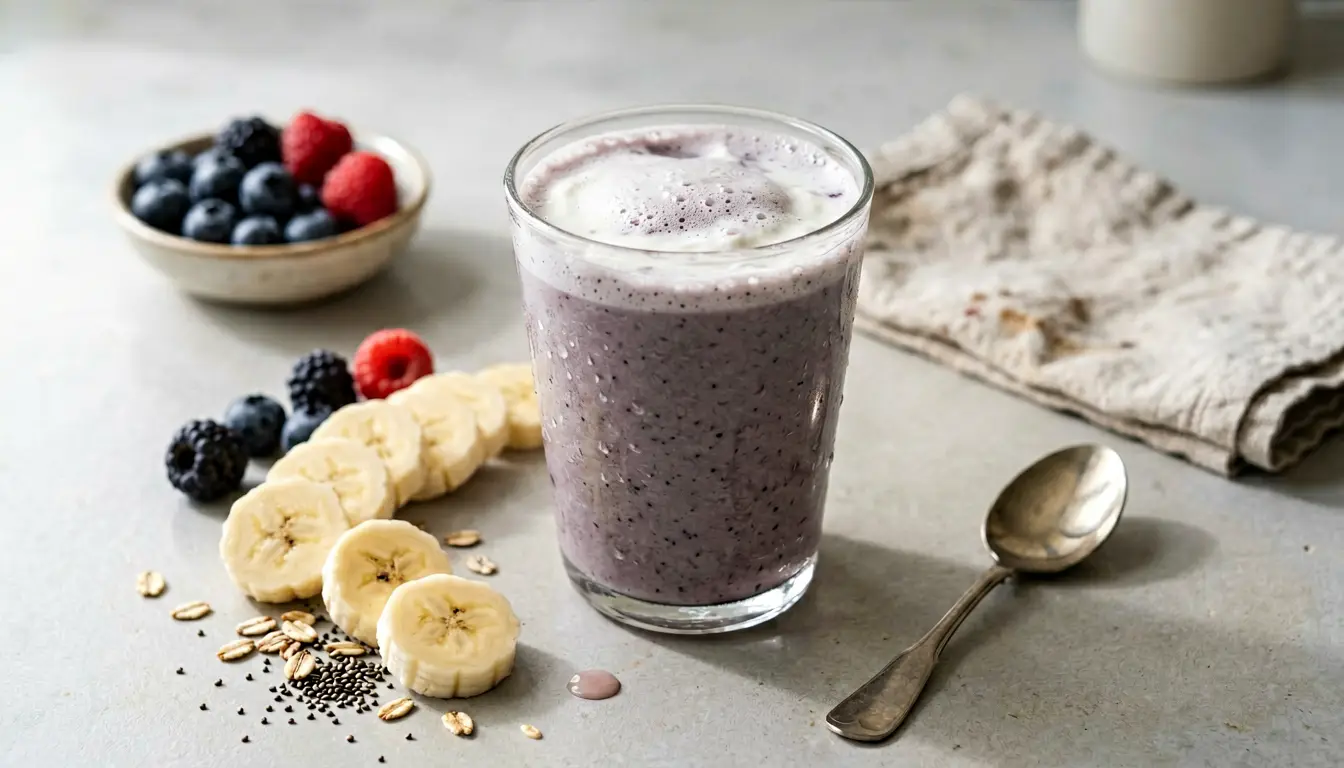
If you want a gentler smoothie, start with softer fruits and fewer extras, then build from there.
If dairy seems to be the issue, try smoothies without milk or use a lighter base. If seeds are the problem, seed-free smoothies keep the texture calmer.
Prep Tips
Do not change everything at once. If you are trying to figure out what affects you, keep the smoothie simple and adjust one element at a time.
Heavy seed use, lots of dairy, or high sweetness can all change how a smoothie feels, so moderation helps if you are troubleshooting.
If sweetness is part of the problem, fix a too-sweet smoothie before assuming every fruit smoothie will feel the same.
Storage / Reheat / Freeze
Freshly blended smoothies may feel different from stored ones because texture and concentration shift slightly as they sit. Still, ingredients remain the biggest factor.
Prep packs can help if they keep you from adding too many random extras each time.
For a more balanced routine, what smoothies do for your body is the broader question after you have identified your ingredient triggers.
Frequently Asked Questions
Why do some smoothies affect digestion more than others?
Usually because the ingredients vary in fiber, dairy, sweetness, and overall heaviness.
Can fiber-rich smoothies feel stronger on digestion?
Yes. High-fiber ingredients can change how a smoothie feels for some people.
Do dairy smoothies affect everyone the same way?
No. Reactions to dairy can vary from person to person.
Is fruit alone usually the problem?
Sometimes it can be part of the issue, but often the whole ingredient mix matters more.
How do I make a gentler smoothie?
Keep it simpler, use fewer extras, and pay attention to which ingredients seem to repeat the same reaction.
For possible downsides, smoothie side effects gives the wider view. If you are breastfeeding, use the breastfeeding smoothie guide for more specific boundaries.