
As an affiliate, we may earn a commission from qualifying purchases. We get commissions for purchases made through links on this website from Amazon and other third parties.
Smoothies are usually at their best close to blending time, but that does not mean they become useless the moment they sit. The first changes you notice are usually texture, separation, color, and freshness.
This is a practical storage question more than a magic-minute question. The longer a smoothie sits, the more it tends to drift away from its best version. If you make smoothies ahead often, the best smoothie containers for meal prep can help you choose jars or cups that keep drinks cold, sealed, and easier to shake before serving.
Quick Answer
Smoothies are usually best soon after blending. Quality starts to change as they sit, especially in texture and freshness, but the exact timing depends on the ingredients, storage, and how delicate the smoothie is.
For everyday use, the most practical answer is simple: blend close to serving when you can, store cold and sealed when you cannot, and use ingredient prep when you want the freshest result later.
What Changes First
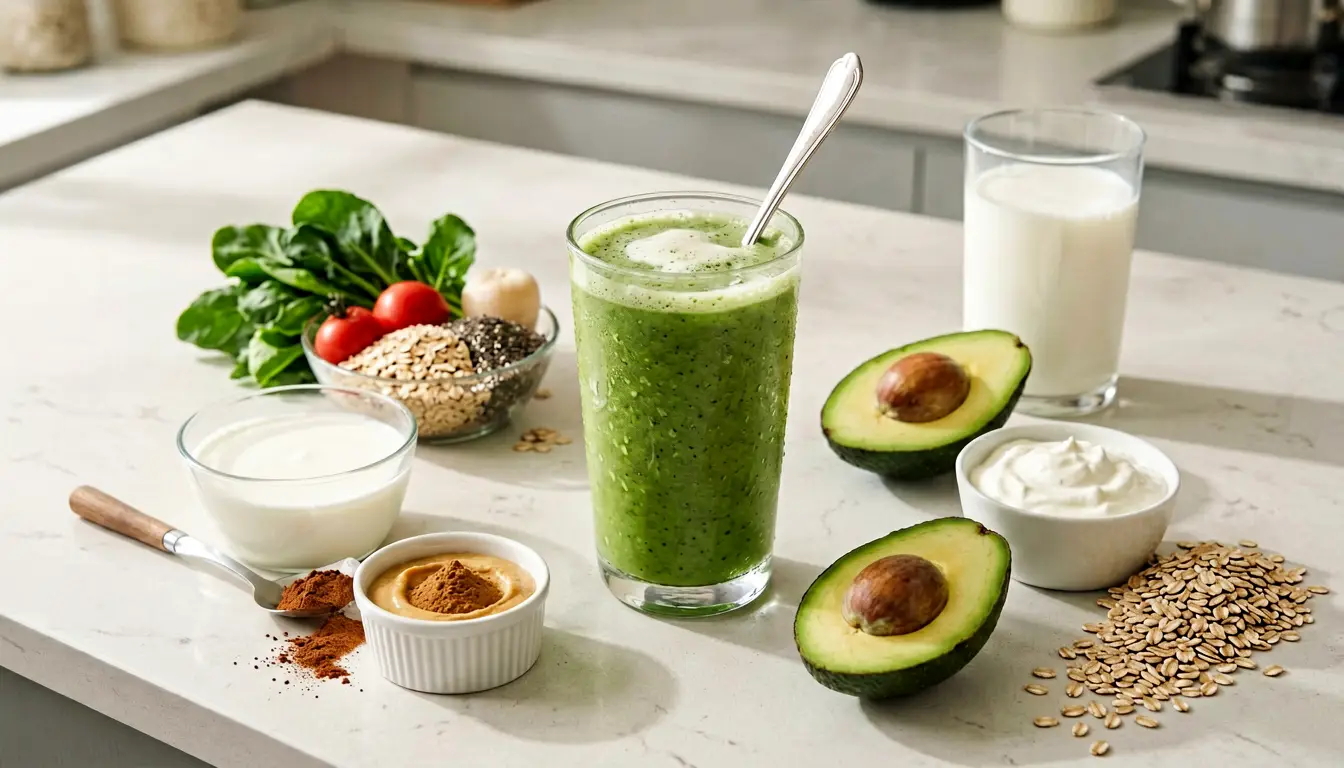
Texture usually changes before anything else. Light fruit smoothies can separate. Green smoothies can turn duller. Thick smoothies with oats, banana, yogurt, avocado, or nut butter may hold together longer, but they can still thicken or settle.
Flavor also changes. Bright fruit and citrus taste best right after blending. Greens can taste stronger after sitting. If this is really a make-ahead question, whether smoothies keep overnight is the closest follow-up.
Why Freshness Matters
Freshness matters because a smoothie is a blended drink, not a shelf-stable food. Air, time, temperature, and watery ingredients all affect the finished texture. A sealed cold jar holds better than an open cup left warm, but fresh texture is still hard to beat.
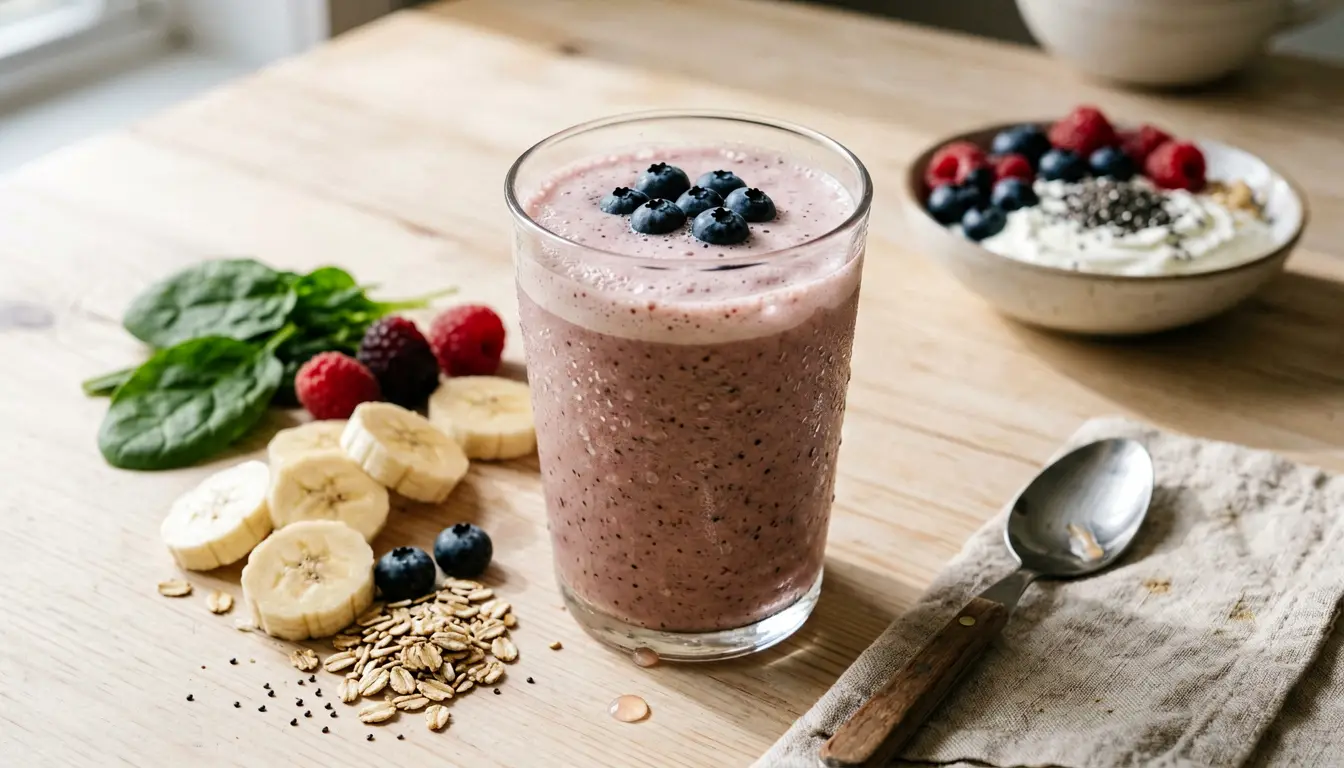
That is why ingredient prep often works better than storing finished smoothies. You can portion fruit, greens, oats, and seeds ahead, then blend with liquid later. For that routine, making smoothies ahead of time is more useful than guessing exact nutrient timing.
If you are comparing that homemade prep style with a structured plan, The Smoothie Diet versus homemade smoothies is a helpful way to see how much planning you actually want.
Ingredients That Change Faster
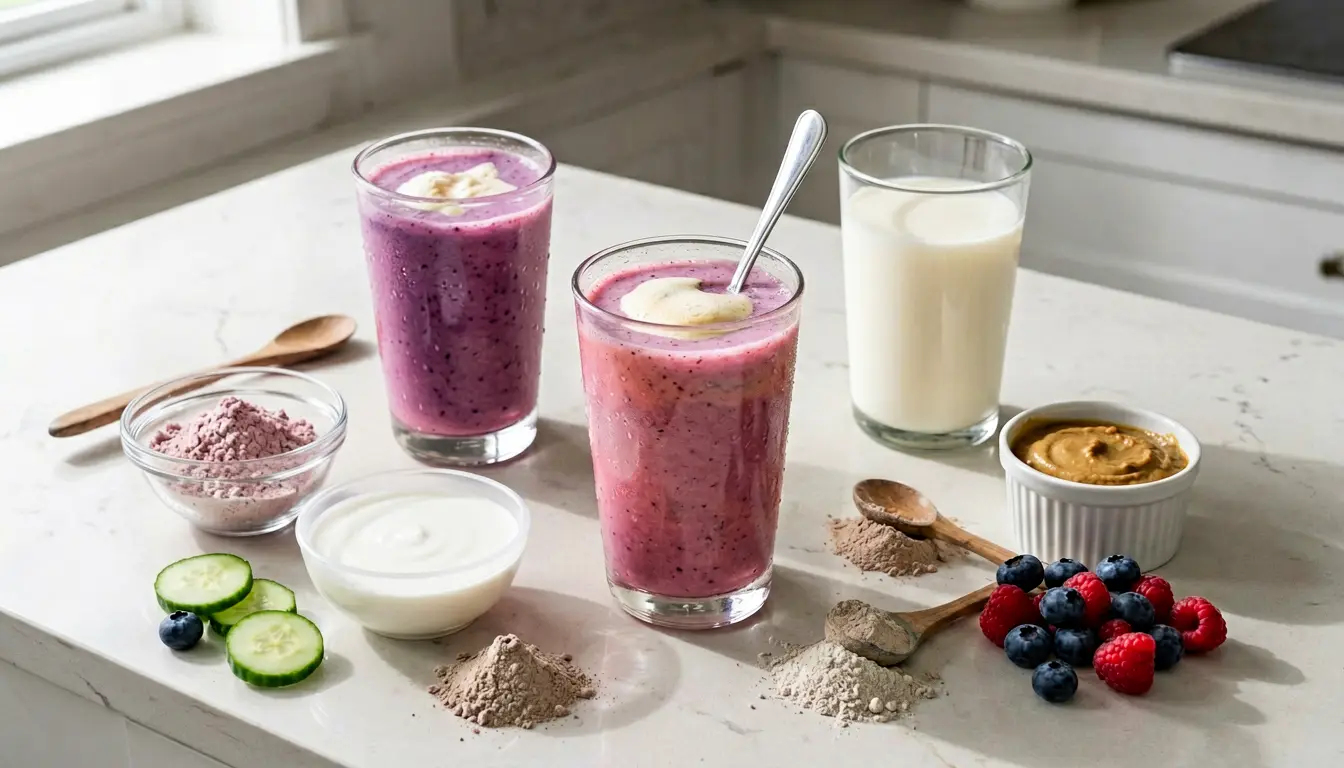
Watery fruits, citrus-heavy blends, and very light smoothies often show quality changes faster. Melon, orange, watermelon, cucumber, and lots of juice can make a smoothie loosen quickly. Green smoothies may also taste best closer to blending time.
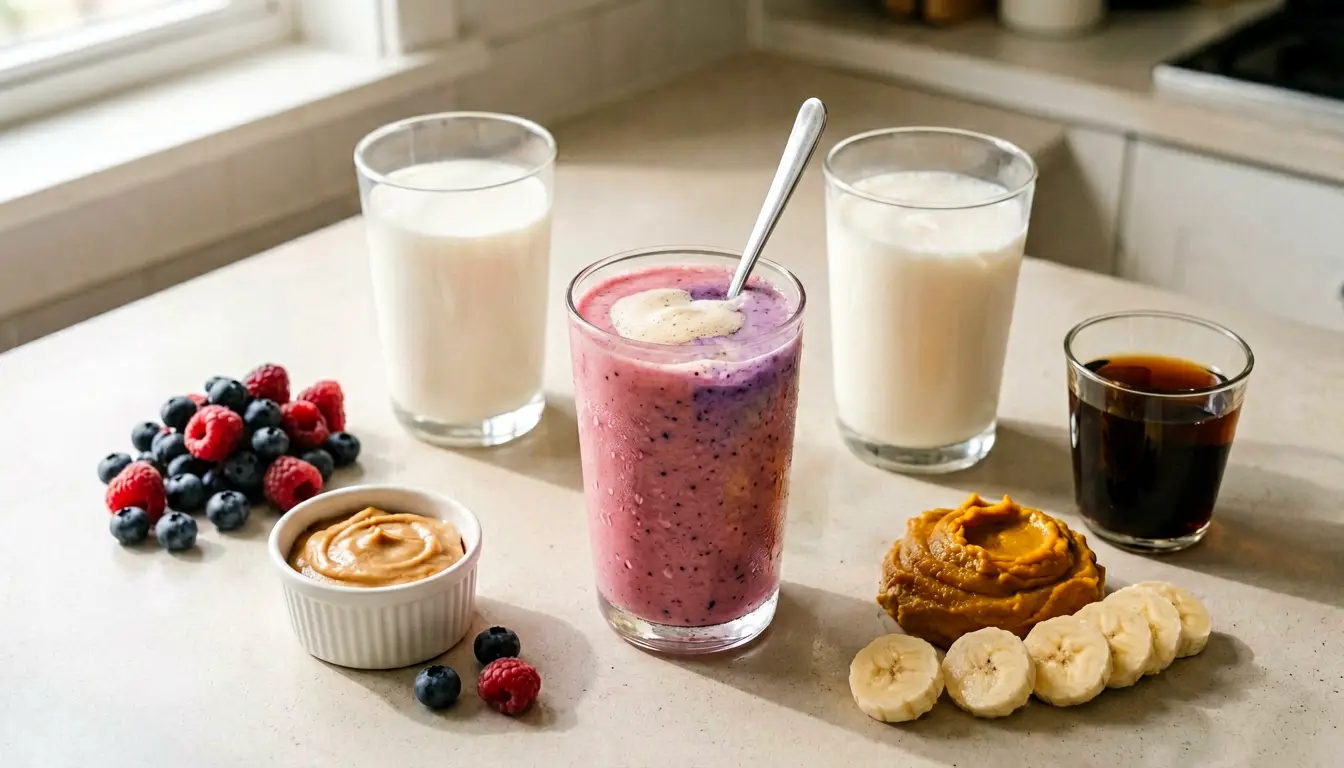
Thicker ingredients can help. Banana, mango, yogurt, oats, avocado, nut butter, and chia can make the drink more stable. If texture is your recurring issue, what makes smoothies thicker and what to do if a smoothie is too watery are the better troubleshooting pages.
Best Storage Approach
If you need to store a finished smoothie, use a clean sealed jar and keep it cold. Fill the jar fairly close to the top when practical, because extra air can make the smoothie change faster. Shake or reblend before drinking.
For the best routine, store ingredients instead of the finished drink. Freezer packs preserve the fresh-blended feel much better than a smoothie that has already been sitting for hours. How to store smoothies covers storage in more detail.
When to Drink or Discard
Use your senses. If a smoothie smells off, tastes strange, has been left warm too long, or looks questionable, do not try to rescue it. If it only separated, a shake or reblend may be enough.
Texture changes are normal. Safety is a separate question. When in doubt, choose the conservative option and make a fresh one.
Frequently Asked Questions
Are smoothies best right after blending?
Usually yes. That is when texture, color, and freshness are at their best.
Do smoothies lose quality overnight?
Often yes, especially in texture and freshness, though some thicker blends hold up better than light watery ones.
What changes first when a smoothie sits?
Separation, texture, color, and flavor freshness are usually the first changes people notice.
Do thicker smoothies hold longer?
They often feel more stable than very light or watery smoothies because they have more body.
Is ingredient prep better than storing finished smoothies?
Often yes. Ingredient prep gives you a fresher final blend because the smoothie is not sitting fully mixed for hours.
Should I worry if my smoothie separates?
Not automatically. Separation is common. Shake or reblend it if it otherwise smells and tastes normal.
For more storage help, use whether smoothies keep overnight, how to store smoothies, making smoothies ahead of time, and whether smoothies should be consumed immediately.