
As an affiliate, we may earn a commission from qualifying purchases. We get commissions for purchases made through links on this website from Amazon and other third parties.
The best time to drink smoothies depends on what job the smoothie is doing. A lighter fruit smoothie may fit best as a snack or warm-weather drink, while a fuller smoothie may work best at breakfast or when a rushed meal needs a practical backup.
There is no universal perfect time. The best time is the one that matches the smoothie and your routine.
Quick Answer
Smoothies are often best when they fit a clear role, such as breakfast, a quick snack, or a portable meal-style option. Lighter smoothies often suit snack times better, while fuller smoothies often work better in the morning or when you need something more substantial.
The right timing usually follows the build of the smoothie. A thin fruit smoothie and an oat-yogurt smoothie are not trying to do the same job.
Morning Smoothies
Morning is a common smoothie time because convenience matters there. A smoothie can be faster than cooking, easier to take with you, and simple to prep if the ingredients are ready.
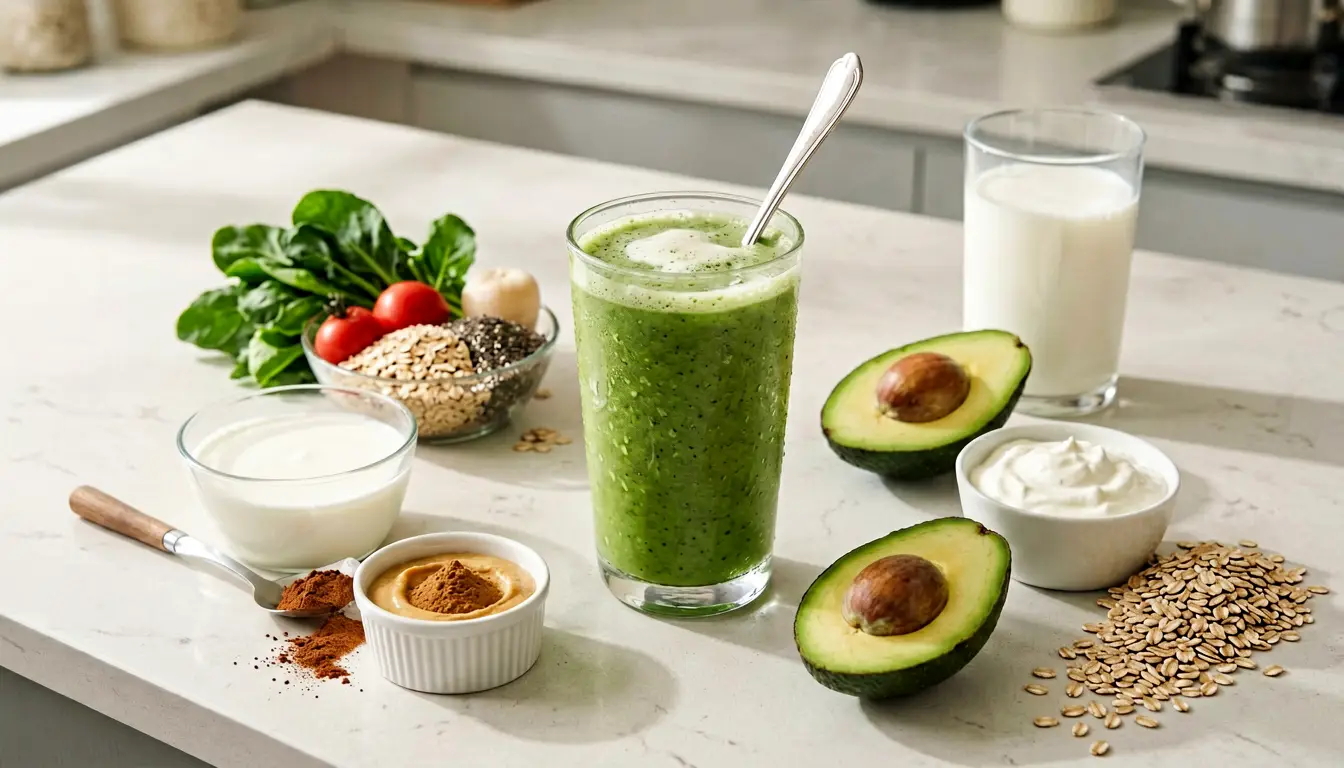
Breakfast smoothies usually work best when they have enough body. Yogurt, oats, nut butter, cottage cheese, avocado, milk, or soy milk can make the drink feel more complete. If you are asking about timing right after waking up, drinking a smoothie first thing in the morning is the closer guide.
Snack Smoothies
Snack smoothies work better when they stay lighter. Fresh fruit, citrus, melon, berries, coconut water, or a little yogurt can make a smoothie feel refreshing without becoming a full meal.
This is where fruit-led smoothies shine. If you want that style, fresh smoothies and best fruit smoothies are more useful than heavy breakfast blends.
Meal-Style Smoothies
If a smoothie is replacing a meal, timing matters less than structure. It needs to be built differently from a light snack smoothie. Fruit and liquid alone may not be enough for that role.
Fuller smoothies usually need ingredients with body, such as oats, yogurt, nut butter, avocado, cottage cheese, tofu, or protein powder. For the bigger question, start with whether smoothies can replace meals and using smoothies as a meal replacement.
If you want a packaged option for busy meal-style routines, the best meal replacement shakes for smoothie lovers can help you compare ready-made bases with homemade blends.
After Activity or On Busy Days
Smoothies can also work after activity, after errands, or during a busy day when a normal meal window got squeezed. In that case, the best time is the time when the smoothie helps you avoid skipping food entirely.
Keep the build practical. A portable cup, a freezer pack, and a familiar recipe matter more than chasing an exact hour. Making smoothies ahead of time can make this routine easier. If you are considering a structured plan for timing and repetition, the Smoothie Diet review can help you see whether that format matches how you actually use smoothies.
Timing Mistakes
The biggest mistake is treating every smoothie like breakfast by default. Another is drinking a very light smoothie when you need something more substantial, then wondering why it did not work.
Timing problems are often recipe problems in disguise. If you keep feeling hungry soon after a smoothie, look at the build before blaming the clock. How many smoothies fit in a day can help with the bigger routine question.
Storage and Freshness
Freshly blended smoothies usually taste best soon after blending. If the smoothie is stored, timing also depends on how well the texture holds until you are ready to drink it.
Cold storage helps, but it does not make every smoothie behave the same. For storage-specific timing, when smoothies lose quality and whether smoothies should be consumed immediately are more useful.
Frequently Asked Questions
Are smoothies best in the morning?
Often yes, because they fit busy mornings well, but not every smoothie has to be a breakfast smoothie.
Can smoothies be a snack instead of breakfast?
Yes. Many lighter smoothies make more sense as snacks than as full breakfasts.
Should a meal smoothie be timed differently from a snack smoothie?
Usually yes, because meal-style smoothies and snack smoothies are built for different levels of hunger and convenience.
Is there a wrong time to drink a smoothie?
Not exactly, but some smoothie types make more sense at certain times than others.
Do thicker smoothies work better earlier in the day?
They often do, especially when breakfast or a meal-style smoothie is the goal.
Are fresh smoothies better than stored ones?
Usually yes, especially for texture and overall quality.
For more timing context, use drinking smoothies first thing in the morning, morning smoothie routines, what happens with daily morning smoothies, and the purpose of smoothies.