
As an affiliate, we may earn a commission from qualifying purchases. We get commissions for purchases made through links on this website from Amazon and other third parties.
Smoothies come from two places at once. The bigger idea comes from older drinks around the world that mixed fruit, yogurt, milk, or water into thick, refreshing drinks. The modern smoothie most people recognize today comes more directly from 20th-century blender culture in the United States.
That is why the origin story needs a little nuance. Smoothies did not appear from nowhere, but the modern version needed electric blenders, fruit-drink shops, and a culture that made cold blended drinks easy to repeat.
Quick Answer
Modern smoothies come mainly from U.S. blender and juice-stand culture, especially once electric blenders made thick fruit drinks easier to produce at home and commercially. The deeper roots are much wider, because many cultures already had fruit, milk, yogurt, or water-based drinks before the modern smoothie label took hold.
So if you mean the modern smoothie category, think United States. If you mean the broader family of blended fruit drinks behind it, think global.
The Older Drink Roots
Long before smoothie bars, people were already making thick fruit and dairy drinks. Lassi is one familiar example because it shows how yogurt-based drinks could be blended or mixed into something cooling, filling, and drinkable.
Other fruit drinks also helped shape the idea. Tropical fruit drinks, milk-based fruit blends, and chilled juice-and-fruit drinks all made the modern smoothie feel familiar once blenders became common. If you want the definition side of the question, what a smoothie means explains the category in plain terms.
The Blender Changed Everything
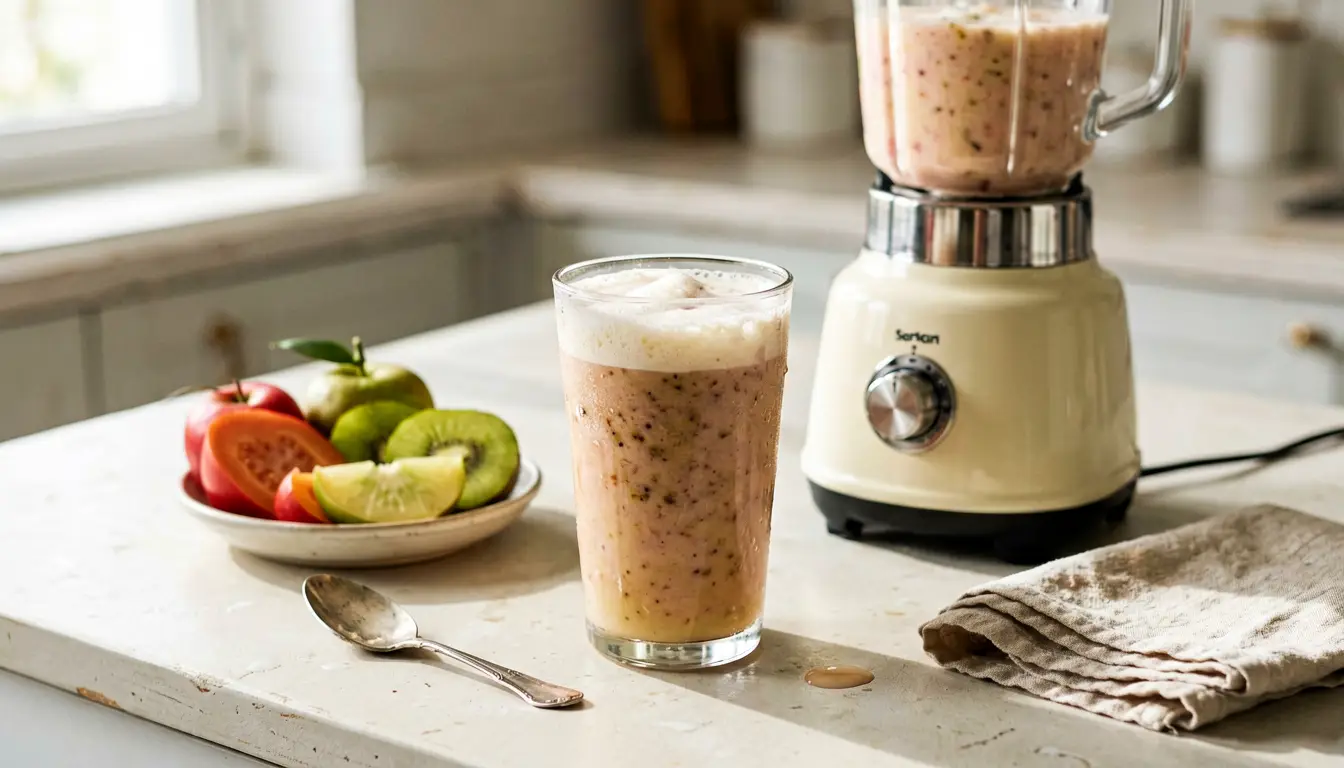
The electric blender is the tool that made the modern smoothie possible. Older drinks could be mixed, mashed, or shaken, but the blender made a cold, smooth, repeatable fruit drink much easier.
That mattered at home and in shops. Once blenders became common, smoothies could move from occasional fruit drinks into a routine breakfast, snack, or cafe item. For the tool side of the habit, the best thing to make smoothies with is the practical companion page.
Why the United States Gets Credit for the Modern Smoothie
The United States gets credit for the modern smoothie category because blender culture, fruit-drink stands, and health-food shops helped turn blended fruit drinks into a named commercial format. Orange Julius and similar frothy fruit drinks made this style more visible before smoothie bars became common.
Later, smoothie shops widened the format. Fruit, yogurt, milk, juice, greens, protein powder, and breakfast-style add-ins all became normal options. That is closer to the smoothie people recognize now. For the broader timeline, the history of smoothies carries the story further.
How Smoothies Became an Everyday Drink
Smoothies became everyday drinks because they solved simple problems. They were cold, fast, customizable, and easy to carry. They could feel like breakfast, a snack, or a lighter drink depending on the ingredients.
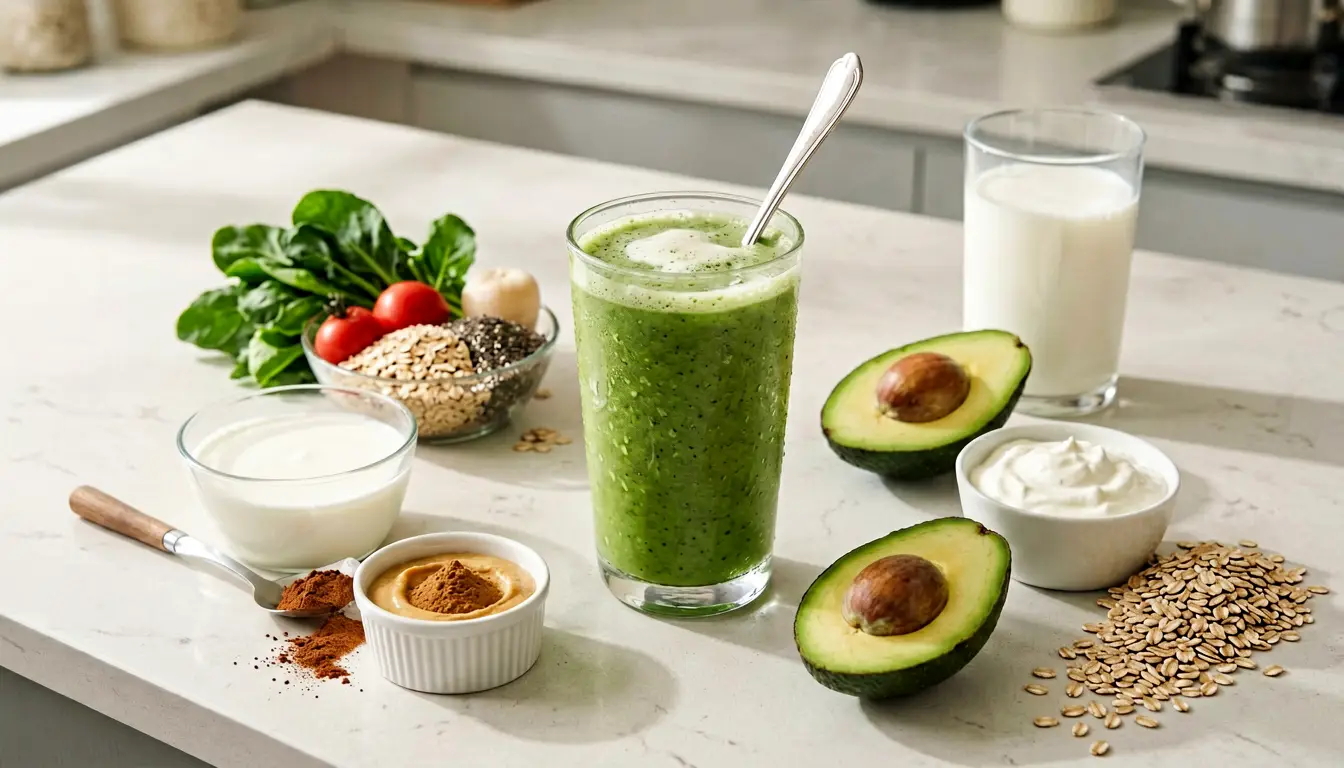
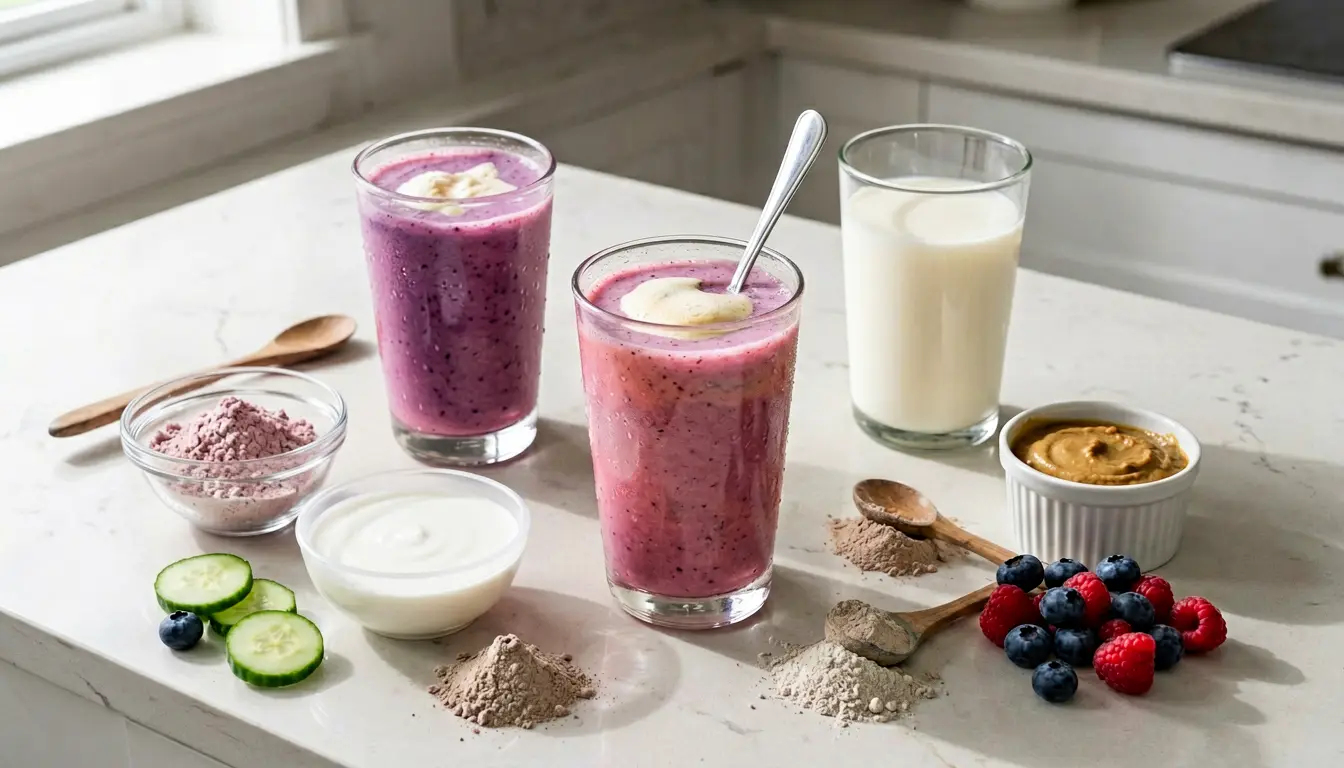
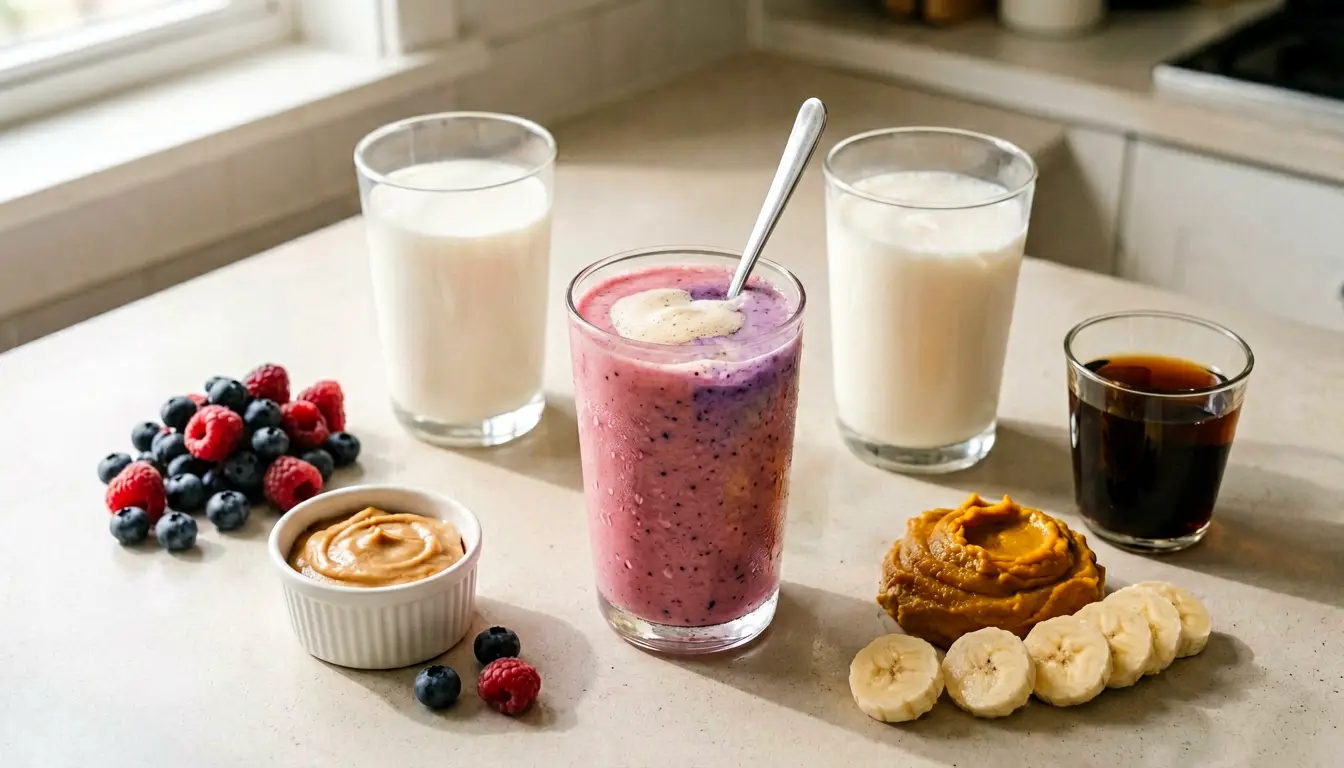
That flexibility is still the point. A smoothie can be fruit and milk, fruit and yogurt, fruit and juice, or a thicker blend with oats, nut butter, or greens. If you want the present-day ingredient picture, what smoothies are usually made of and what smoothies consist of explain the modern build.
Common Origin Mistakes
One mistake is saying smoothies were invented from nothing in one shop on one exact day. Another is treating every older fruit drink as exactly the same as a modern smoothie.
The better answer sits in the middle. Smoothie-like drinks are old, but the modern smoothie became its own category through blenders, shops, and American commercial food culture. If the wording is what confuses you, what smoothie means and the definition of smoothie help separate the word from the drink family.
Frequently Asked Questions
Did smoothies originate in the United States?
The modern smoothie category mainly did, but it grew from older blended fruit and yogurt drinks found in other food traditions.
What role did the blender play in smoothie origins?
The electric blender made it much easier to create smooth, cold, repeatable fruit drinks at home and in shops.
Is lassi part of where smoothies come from?
Yes. Lassi is one of the older drink traditions that helps explain the deeper roots of smoothie-style beverages.
Why does Orange Julius come up in smoothie history?
Orange Julius helped popularize frothy fruit drinks in a commercial American setting before smoothies became a wider category.
Are smoothies the same as old fruit drinks from every culture?
No. They are related, but the modern smoothie developed its own identity through blenders, shops, and later cafe culture.
Why did smoothies become popular?
They became popular because they are cold, fast, flexible, and easy to adapt for breakfast, snacks, or fruit-forward drinks.
To keep building the background, read the history of smoothies for the timeline, what smoothie means for the word angle, which country drinks the most smoothies for culture, and the definition of smoothie for the category basics.