
As an affiliate, we may earn a commission from qualifying purchases. We get commissions for purchases made through links on this website from Amazon and other third parties.
The history of smoothies has two layers. The modern smoothie, the one most people picture today, took shape after electric blenders made thick fruit drinks easy to make at home and in shops. But the bigger idea behind smoothies is older than that. Long before the word smoothie became common, many cultures were already making fruit, milk, yogurt, or crushed-ice drinks that worked in similar ways.
So the history is not one clean invention story. It is a long build. Older drink traditions gave the idea roots, and modern blenders gave it speed, consistency, and a commercial future. If you want the sharper origin question after this, where smoothies come from goes directly at that.
Quick Answer
Smoothies became a modern category in the 20th century, especially after electric blenders made it easy to blend fruit, dairy, ice, and other ingredients into thick drinks. Their deeper history reaches further back through older drinks like lassi and fruit-milk blends that shared many of the same ideas.
In short, smoothies have old relatives but a modern identity.
If you need the word boundary before the timeline, what smoothie means and the definition of smoothie make the category clearer.
What It Is / When to Use It
The early part of smoothie history is really a history of similar drinks. In India, yogurt-based drinks like lassi were already doing some of the work people now expect from smoothies. In other places, fruit mixed with milk, water, or ice also gave people cold blended drinks before smoothie bars existed.
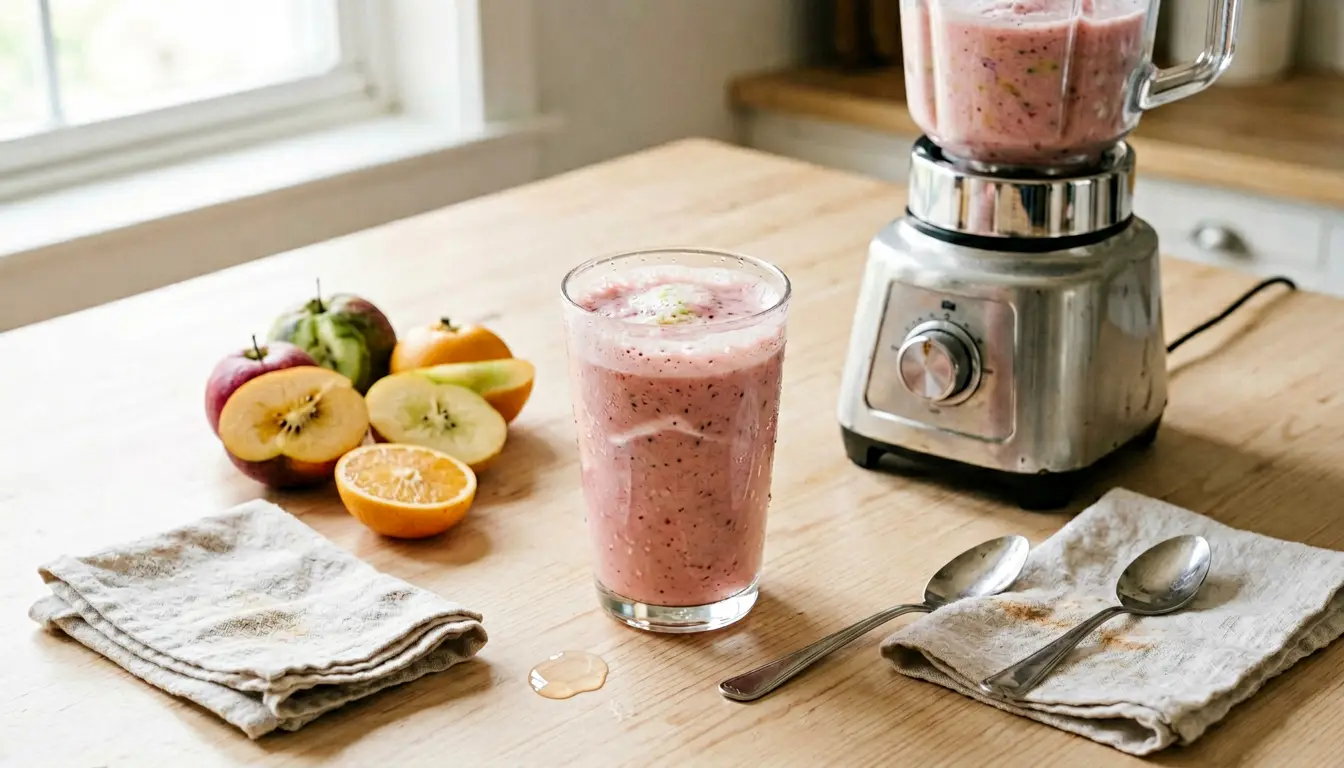
The modern turning point came when electric blenders entered everyday food culture. Once people could blend fruit and ice quickly, the drink became easier to standardize and easier to sell. That helped move smoothies from a loose idea into a modern, portable, named drink category.
By the mid- to late-20th century, health food culture, juice bars, and chain-style drink shops pushed smoothies further into the mainstream. What had started as a blended drink became part of a bigger wellness and convenience routine.
That modern routine connects to why people now ask what smoothies are for and whether smoothies are good for you instead of only asking where the drink began.
Substitutes / Swaps
A common mistake is to treat smoothie history as either ancient or modern, when it is really both. The better frame is this:
- older roots in blended fruit, milk, and yogurt drinks
- modern identity built by blenders, shops, and wellness culture
That swap in framing helps explain why people can call lassi an early smoothie relative without claiming that the exact modern smoothie was invented thousands of years ago.
It also helps explain why so many smoothie conversations quickly spill into adjacent drinks. Smoothies did not appear from nowhere. They grew out of older blended-drink habits and then took on a new name and category life.
Prep Tips
If you want to understand smoothie history without getting lost, focus on three turning points. First, older cultures already had drink traditions that resembled smoothies in texture and purpose. Second, electric blenders made smoother, colder, more repeatable drinks easy to produce. Third, modern health and cafe culture gave smoothies their current identity.
Frothy fruit drinks, health bars, and smoothie shops matter because they connected the drink to convenience, fitness, and everyday routines. That broader shift also feeds into the smoothie challenge trend and other modern smoothie culture pages.
Storage / Reheat / Freeze
The simplest way to store the timeline in your head is:
- old drink traditions first
- blender technology next
- cafe and wellness culture after that
That sequence explains why smoothies feel both traditional and modern at the same time.
Frequently Asked Questions
Were smoothies invented recently?
The modern smoothie is relatively recent, but drinks with similar blended fruit or yogurt textures are much older.
What made smoothies popular?
Electric blenders, health food culture, juice bars, and portable breakfast habits all helped smoothies spread.
Is lassi part of smoothie history?
It is best seen as an older relative of smoothies rather than the exact same modern category.
Did smoothie shops matter to smoothie history?
Yes. They helped turn blended fruit drinks into a recognizable modern category people could buy, repeat, and adapt at home.
Why do smoothies feel tied to wellness culture now?
Because smoothie bars, health marketing, and nutrition-focused routines pushed them into the modern wellness space.
To keep following the spread of the drink, read which country drinks the most smoothies. For the ingredient side, what smoothies consist of explains the basic structure behind the history.